
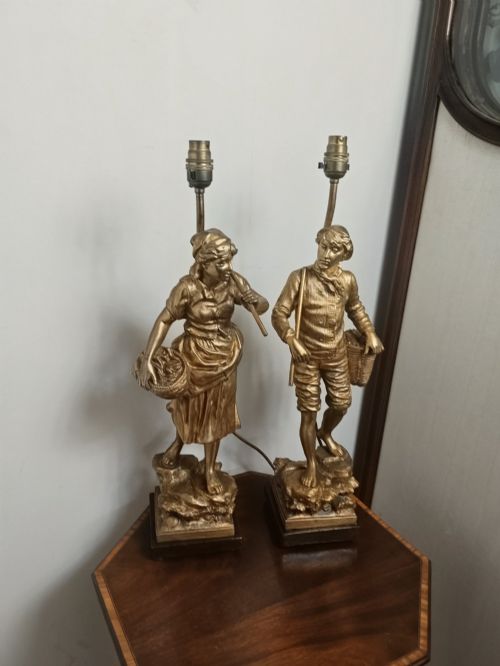
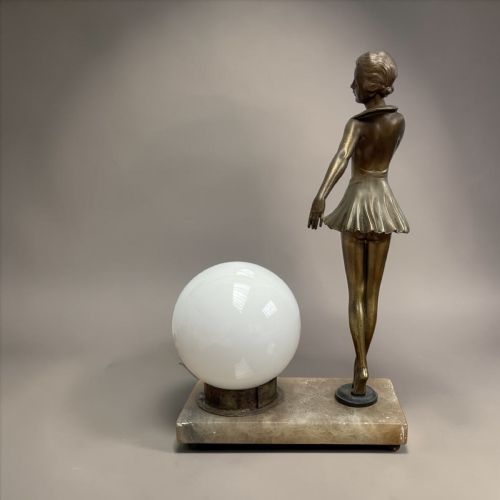
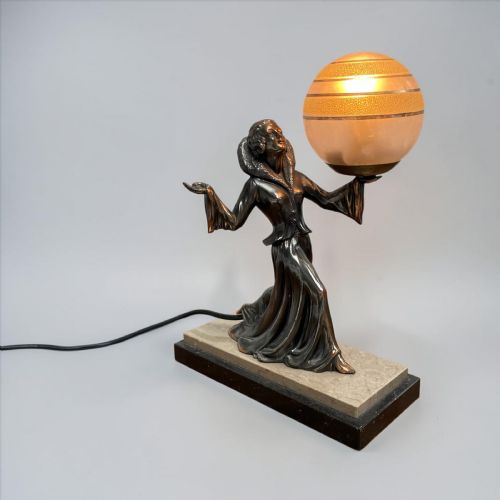
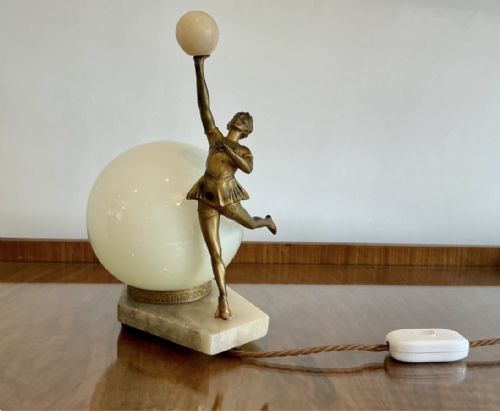
Antique Figural Bronze
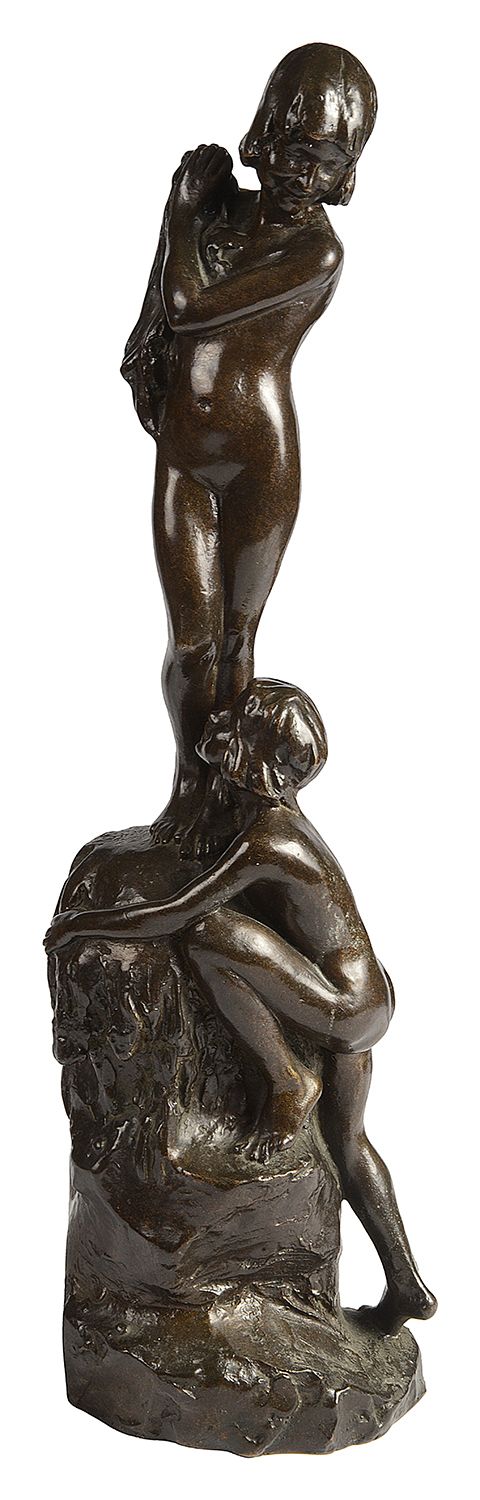
Antique figural bronze works encompass cast metal sculptures, timepieces and lamps shaped into human and animal forms.
Antique Figural Bronze
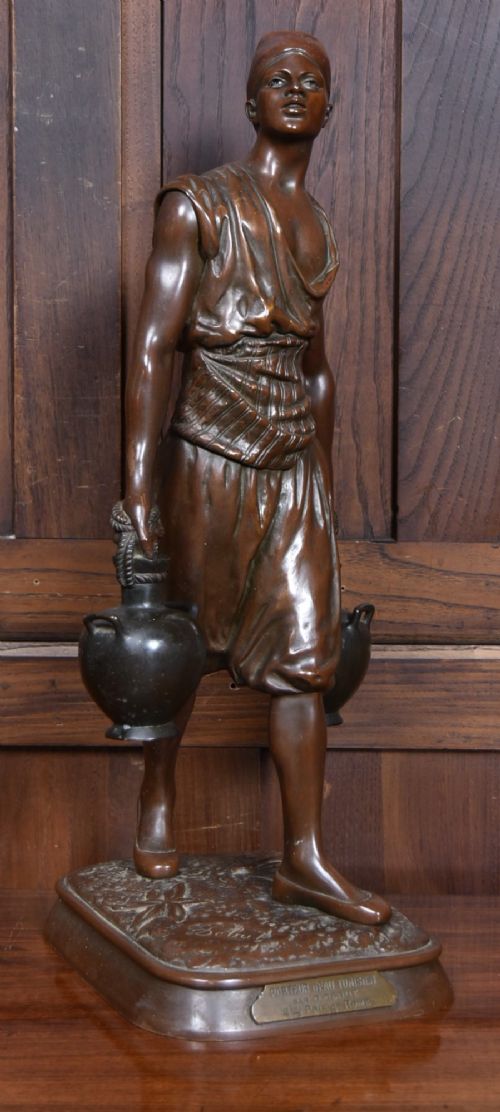
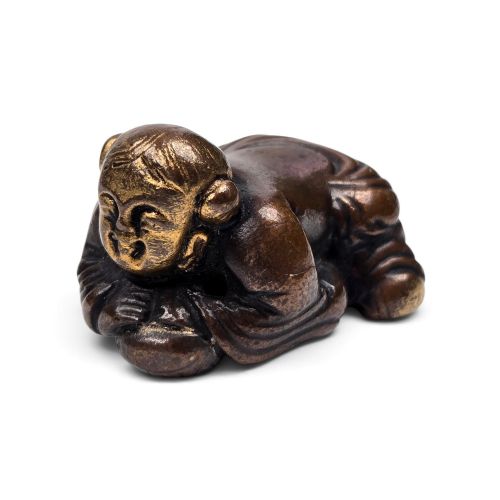
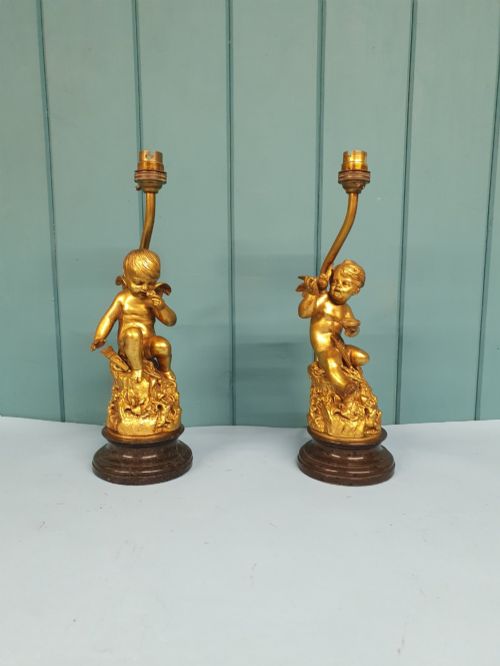
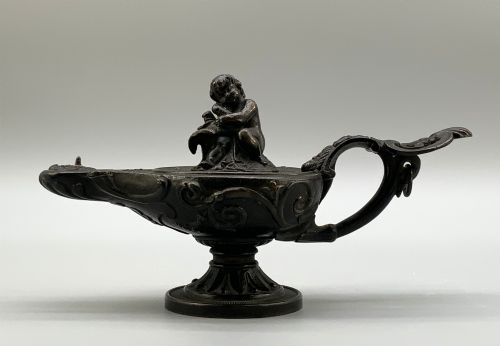
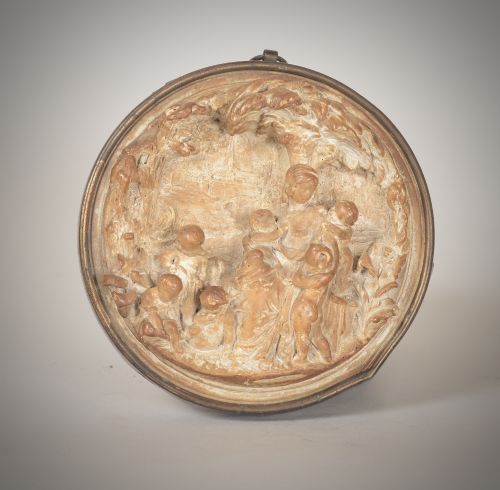
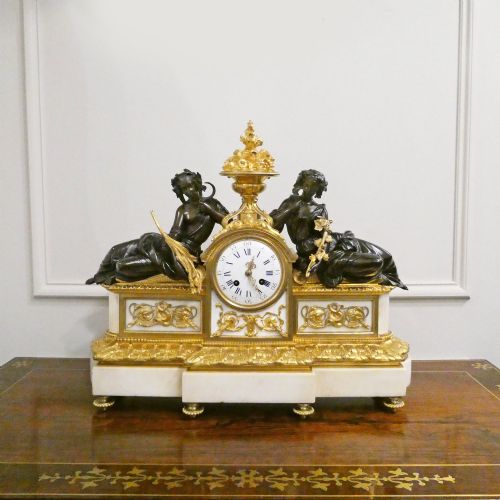
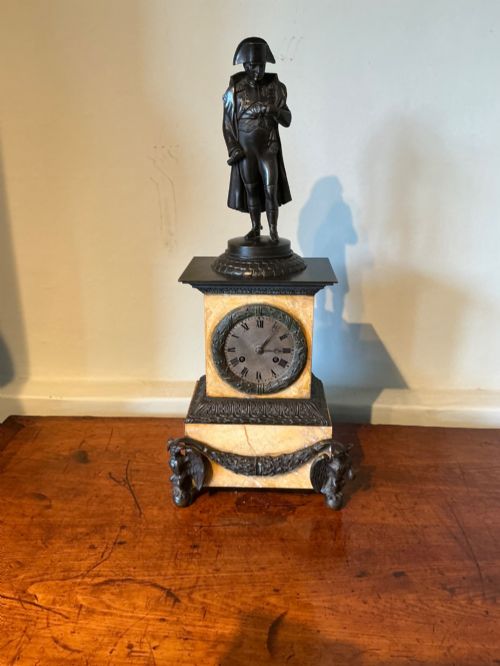
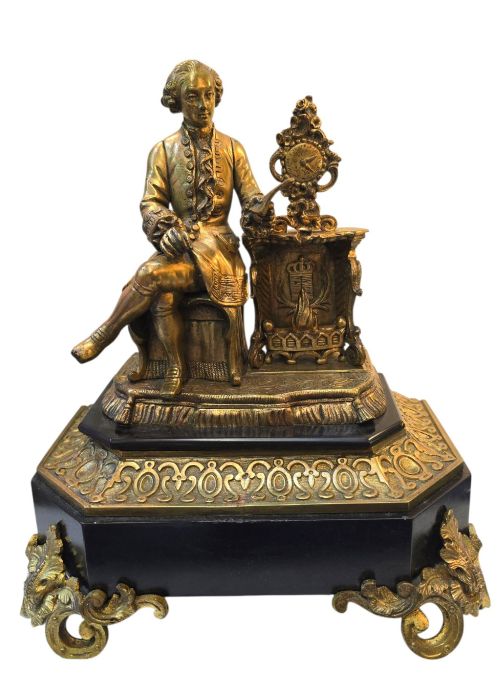
The term antique figural bronze describes functional and decorative objects incorporating human or animal figures cast in metal. Buyers encounter everything from large sculptural mantel clocks and candelabra to smaller desk accessories like inkwells and paperweights.
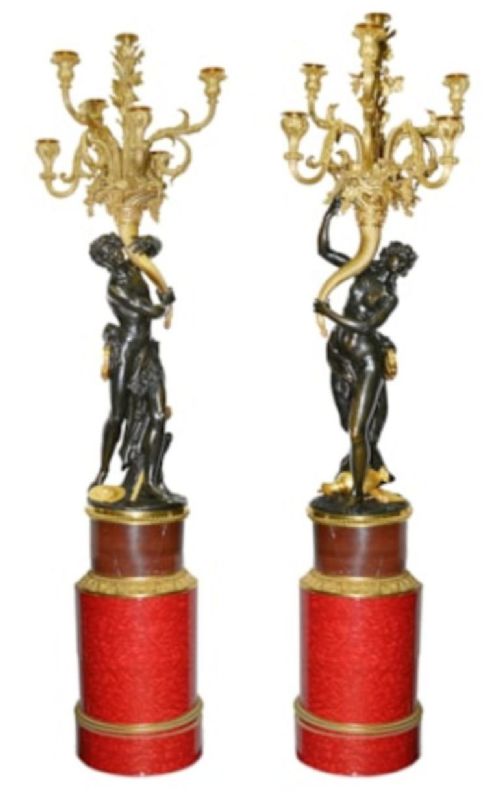
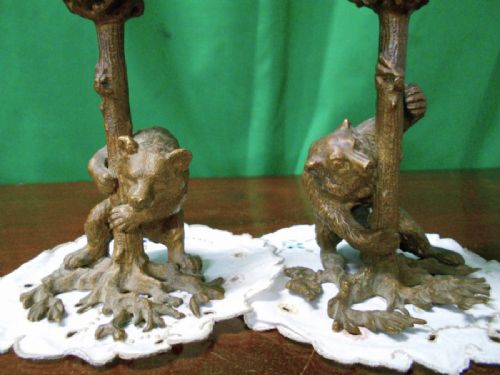
French neoclassical and empire designs dominate the heavier decorative pieces, whilst utility items frequently adopt animal forms such as dogs, birds and bears. Many incorporate bases of marble or gilt mounts to elevate the central cast subject.
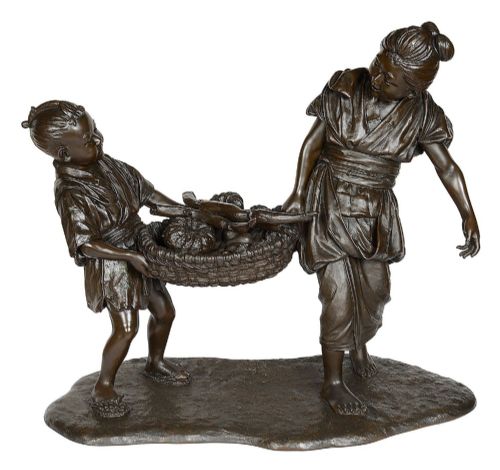
Origins stretch from nineteenth century European foundries to Asian workshops, encompassing mantel pieces, lighting and desktop stationery items produced across multiple decades.
How They Were Made
Foundries utilised traditional casting methods, often producing solid-cast or hollow figures that required meticulous chasing and finishing by hand. Molten metal was poured into moulds, after which artisans refined the surface details using chisels and files.
Surfaces received various treatments, ranging from rich patination and cold painting to selective fire-gilding and ormolu application. Makers combined bronze with contrasting materials such as marble plinths, glass eyes and enamel dials.
Antique Figural Bronze Retail Price Guide 2026
Typical asking prices for figural bronze among the pieces listed under this phrase on Sellingantiques today, from the lower quarter to the upper quarter. They describe what is for sale here now, not the wider market.
Object forms range from monumental torcheres and mantel clocks down to diminutive pocket watch holders and desk seals.
What Varies In Quality
Detail and crispness define the upper tier of cast metalwork, where individual feathers, hair and facial expressions remain sharp and clean. Weaker examples show softened contours and blurred lines resulting from worn moulds or hurried finishing.
The weight of the casting and the integration of secondary elements like marble bases or original glass eyes distinguish superior workshops from mass production. Precision in the chasing work indicates the hand of a skilled artisan.
Vincenti·Siffel and Cartier·L and F Moreau·Emile Carlier·Jules Dalou·Georges Van Der Straeten·Jean Gautherin·Jules Salmson
The Antique Figural Bronze Glossary
- Ormolu
- Gilt bronze produced by applying a mercury and gold amalgam to the metal surface and heating it. This technique creates a durable golden finish seen on nineteenth-century French clock mounts.
- Patination
- The surface colour and texture developed naturally over time or applied chemically by the foundry. Dark brown or green patinas protect the metal and enhance sculptural depth.
- Candelabra
- Branched lighting fixtures designed to hold multiple candles, often featuring figural shafts or support columns. French revival examples frequently pair these with matching mantel clocks.
- Cold-painted
- A method where paint is applied to a bronze casting without subsequent firing. This technique produces vibrant polychrome finishes on small animal sculptures and desk ornaments.
- Grand Tour
- Souvenirs purchased by travellers on cultural journeys across Europe during the nineteenth century. These include miniature bronzes and architectural reductions.
Antique Figural Bronze: Frequently Asked Questions
How do I clean antique bronze safely?
Dust surfaces gently with a soft dry brush to prevent dirt accumulation within intricate crevices. Avoid commercial metal polishes, which strip away historical patination and damage fine chasing.
Apply microcrystalline wax sparingly if protection is necessary. Professional conservation is recommended for pieces showing active corrosion.
Were these clocks made to keep time?
Mantel timepieces and clock sets functioned as working timekeepers alongside their decorative purpose. Many movements utilise pendulum regulation and traditional spring-driven mechanisms.
Professional servicing ensures the internal gears operate correctly without straining historical components.
How can I tell if a piece is nineteenth century?
Examine the casting quality, screw types and base construction for period manufacturing techniques. Nineteenth-century examples often feature hand-chased surface details and heavy patinated bronze.
Signatures, foundry marks and associated marble or ormolu mounts provide further chronological clues.
What is the difference between bronze and spelter?
Bronze is an alloy of copper and tin that yields a heavy, durable structure capable of holding sharp chisel work. Spelter is a softer zinc-based metal used as a cheaper substitute.
Spelter pieces feel lighter and frequently display flaking paint rather than true chemical patination.