


Antique Female Portrait Art
Antique female portrait art spans centuries of painting, printmaking and miniature work, offering collectors intimate historical likenesses of women from past eras.
Antique Female Portrait Art
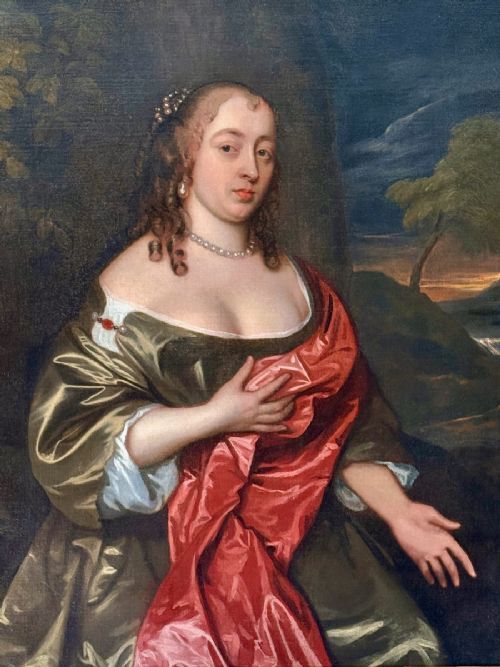
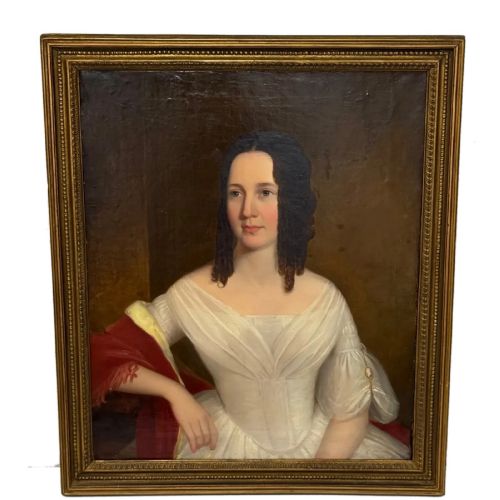
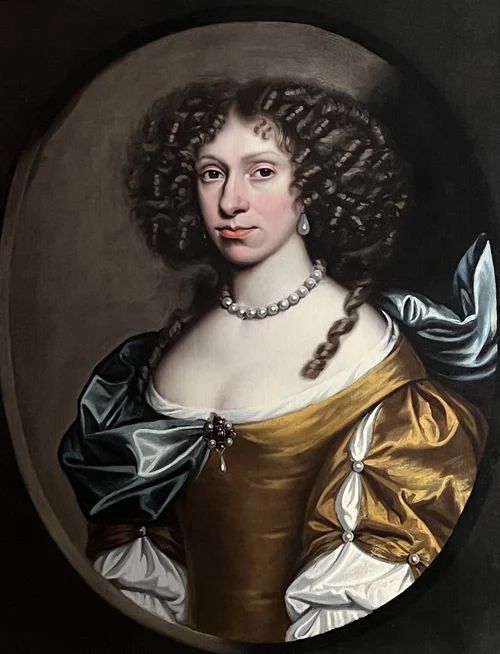
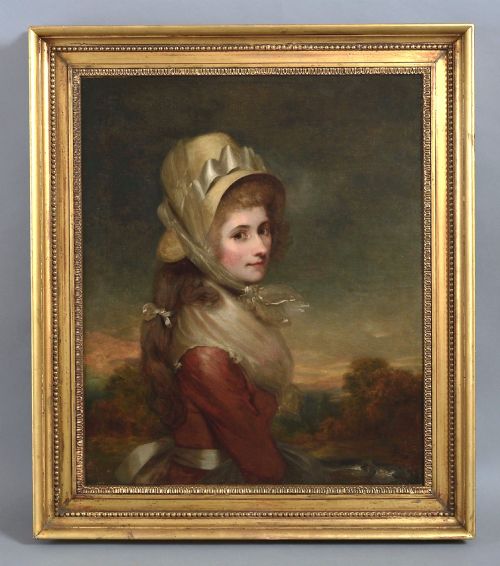
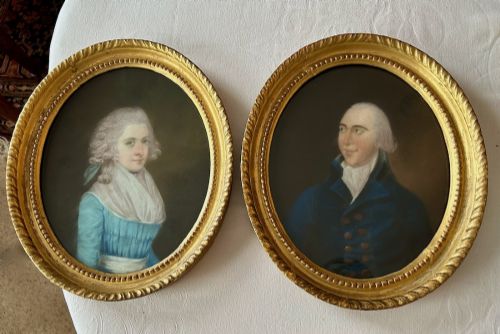
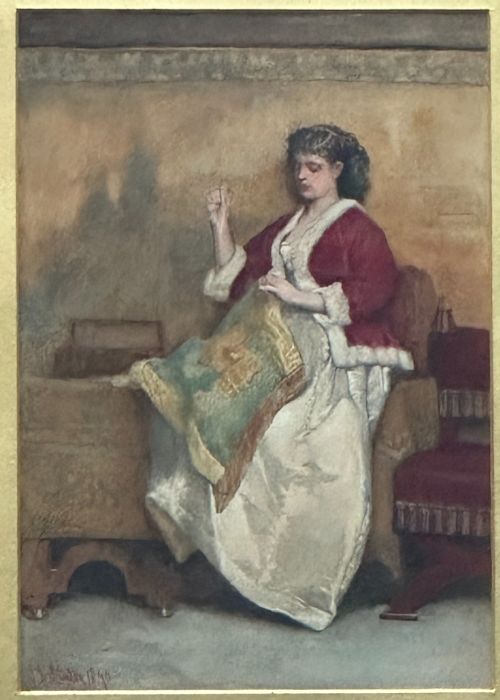
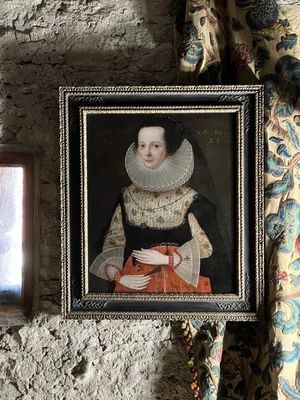
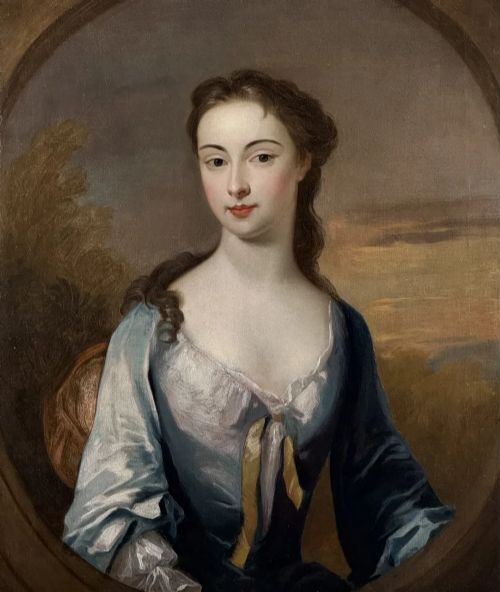
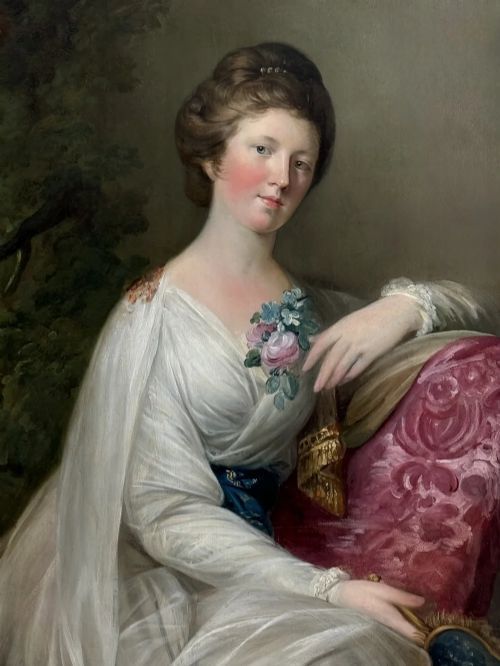
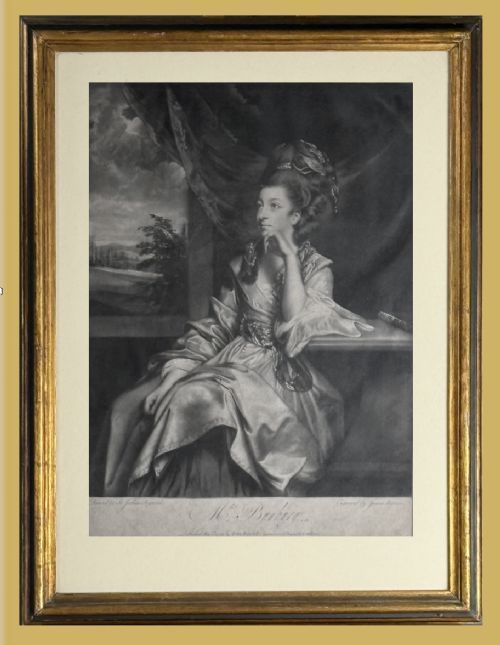
When you search for antique female portrait art, you encounter oil paintings, watercolours, pastels, silhouettes and mezzotints depicting women across various periods. These works range from seventeenth-century noblewomen in elaborate costume to eighteenth-century country girls and nineteenth-century society figures.
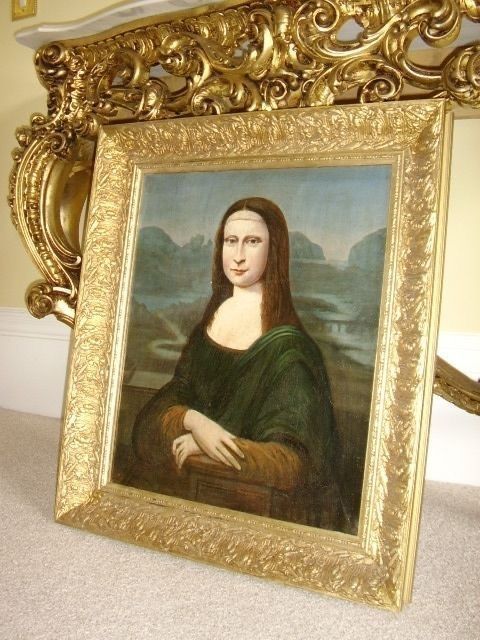
You are most likely to meet oil on canvas paintings and printed mezzotints from the seventeenth, eighteenth and nineteenth centuries on this page. These pieces capture individual identities through formal studio commissions, intimate miniatures and decorative academic studies.
How They Were Made
Artists built oil paintings using oil paint applied to canvas or wood panels, frequently framing them with gold leaf and giltwood. Works on paper utilised watercolour, pastel, enamel and ink, alongside specialised printmaking techniques such as mezzotint and engraving.
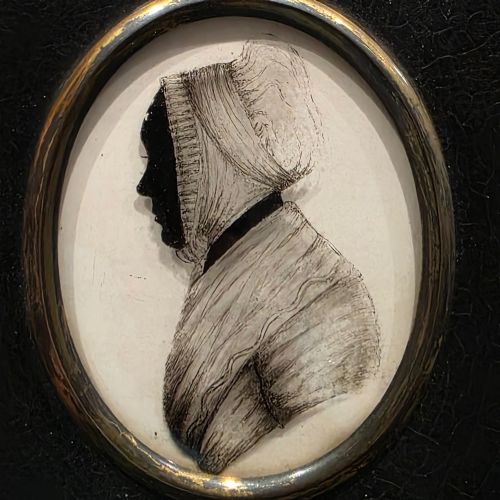
Miniatures and silhouettes involved delicate hand-painting on glass or paper, sometimes featuring reverse painting methods where the image is applied directly to the rear surface of the glass.
Several seventeenth-century noblewomen recorded on this page posed intentionally while holding freshly picked oranges.
What Varies In Quality
The sophistication of the draughtsmanship and the handling of facial expression distinguish accomplished portraiture from rudimentary examples. Master painters achieved lifelike depth in skin tones, drapery and background details, whereas lesser hands produced rigid or flat depictions.
The preservation of the original medium heavily influences the standing of a piece, separating works with intact pigments and original frames from those suffering heavy overpainting, fading or structural damage to the canvas and panel.
John Hayls·Sir Joshua Reynolds·David Scougall·Charles Jervas·George Willison
The Antique Female Portrait Art Glossary
- Mezzotint
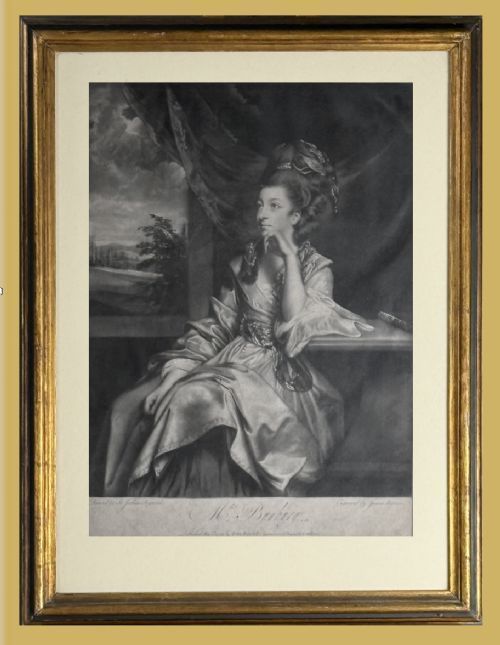
- A printmaking process of the intaglio family where the plate is roughened to achieve rich tonal gradations. This technique was widely utilised in the eighteenth century for translating oil paintings into popular prints.
- Silhouette
- A profile portrait filled in with a solid dark colour, typically cut from paper or painted on card or glass. Examples often date from the Georgian and Regency eras.
- Portrait Miniature
- A small, highly detailed painting on ivory, vellum, card or copper, popular from the sixteenth century onwards. These intimate items were frequently worn as jewellery or kept in protective cases.
- Giltwood
- Wood carved and treated with a thin layer of gold leaf or gold paint. This material is standard for period frames accompanying oil paintings.
Antique Female Portrait Art: Frequently Asked Questions
How are antique portraits dated?
Portraits are typically dated through a combination of artist signatures, sitters' documented biographies, costume styles, and technical examination of the canvas or panel.
Frame construction and historical inscriptions on the reverse of the work also provide reliable evidence for establishing the period of creation.
What is a mezzotint portrait?
A mezzotint is an early printmaking method that allows artists to produce prints with subtle gradations of light and shade rather than simple lines.
In the context of female portraiture, printmakers frequently copied famous oil paintings by artists like Sir Joshua Reynolds to make desirable likenesses widely available.
How do you display oil paintings?
Oil paintings on canvas require stable environmental conditions away from direct sunlight, excessive heat, and high humidity to prevent the paint and canvas from cracking.
They should be hung securely using appropriate hardware that supports the combined weight of the artwork and its heavy period frame.
What is a silhouette miniature?
A silhouette miniature is a small profile likeness, often painted on glass or cut from paper during the eighteenth and nineteenth centuries.
Reverse painted examples involve applying dark pigments to the back of a glass panel, creating a glossy and permanent finished image.