



Antique Fine Art Sketch
An antique fine art sketch captures the immediate hand of the maker on paper or panel, offering a direct record of observation.
Antique Fine Art Sketch
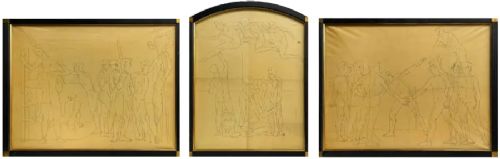
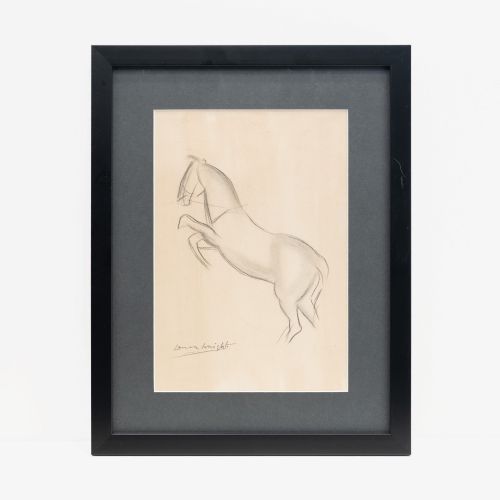
When you search for an antique fine art sketch, you encounter works on paper executed in mediums like charcoal, graphite, chalk, and ink. These pieces range from rapid compositional notes to highly finished portrait studies.
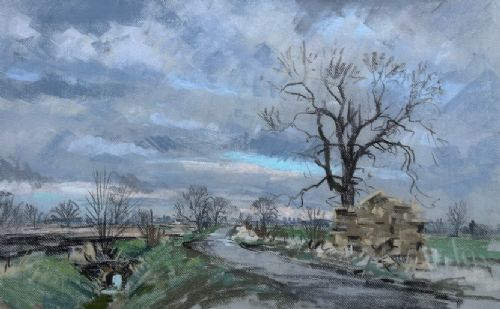
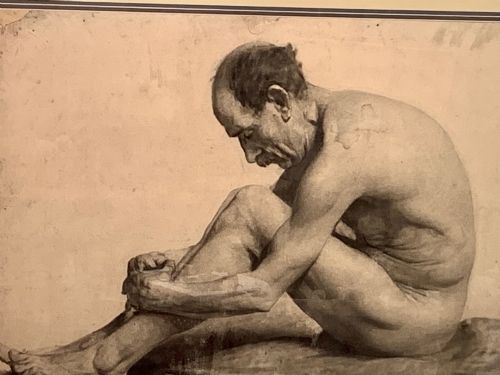
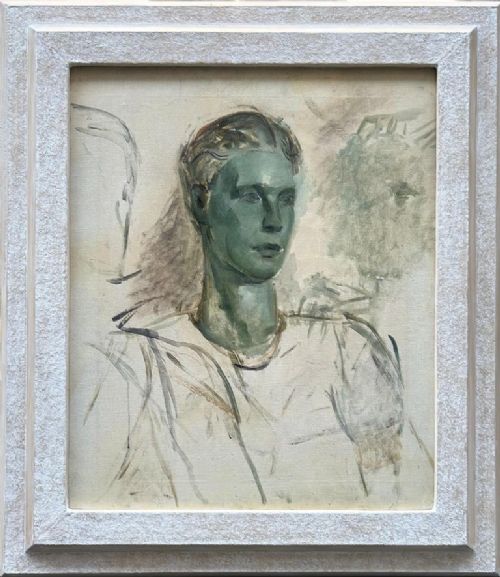
The selections span multiple eras, including the eighteenth century, the nineteenth century, and into the twentieth century. You frequently meet portraits, figure studies, and landscape observations set within framed artwork.
Makers recorded in these works include academic painters and portraitists working in styles from the Georgian period through to Modern British Art and Impressionism.
Materials and technique
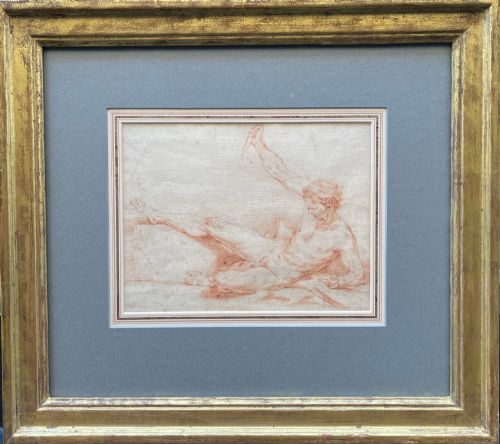
Works are predominantly executed on paper using graphite, charcoal, sanguine chalk, or pen and ink. Some pieces utilise watercolour washes or oil applied directly to paper or panel.
Framing often involves gilded wood and glass to protect fragile media. The physical support reveals the working methods of artists across the eighteenth, nineteenth, and early twentieth centuries.
Antique Fine Art Sketch Retail Price Guide 2026
Typical asking prices for fine art sketch among the pieces listed under this phrase on Sellingantiques today, from the lower quarter to the upper quarter. They describe what is for sale here now, not the wider market.
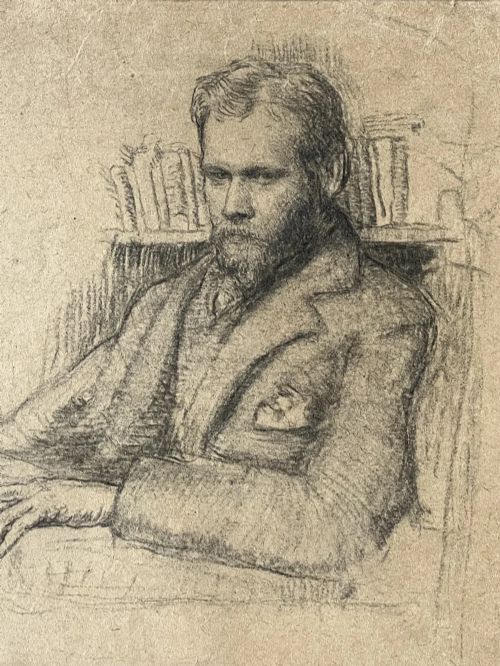
One portrait study meticulously records the likeness of a self-declared explorer and bio-pirate.
Distinctions in quality
Quality rests upon the sureness of the line and the economy of the mark, distinguishing a lively preparatory thought from a laboured copy. The confidence of a portrait study or figure drawing reveals the draftsman's underlying mastery of anatomy and tone.
Condition of the paper and the preservation of fugitive mediums like charcoal or chalk also separate standard decorative examples from works of genuine historical and artistic merit.
Hyacinthe Colin de Vermont·William Edward Frost·Frank Moss Bennett·Thomas Rowlandson·Ernest Borough Johnson·George Richmond·Henri Joseph Harpignies
The Antique Fine Art Sketch Glossary
- Sanguine
- A reddish-brown chalk used extensively for portrait drawings and figure studies. It allows for subtle tonal gradations and warm flesh tones.
- Charcoal
- A dry drawing material made from burnt organic matter, producing rich dark lines and soft smudged shadows. It is favoured for rapid expressive studies.
- Graphite
- A form of crystalline carbon used in pencils, producing grey marks of varying hardness. It became widely utilised for precise botanical and portrait work.
- Academic Realism
- A style of painting and drawing produced under the influence of European academies of art. It emphasises careful observation, proportion, and traditional techniques.
- Barbizon School
- A nineteenth-century French art movement dedicated to naturalistic landscape painting. Artists associated with the group sketched directly from nature.
Antique Fine Art Sketch: Frequently Asked Questions
What defines an antique sketch?
An antique sketch is a preliminary or finished drawing on paper produced during the eighteenth, nineteenth, or early twentieth centuries. These works record the direct ideas of artists before or alongside major paintings.
They utilise media such as graphite, charcoal, ink, and chalk to capture form and expression quickly. Many are mounted behind glass in period frames.
How are sketches mounted and framed?
Many period drawings are preserved behind glass within wooden frames, occasionally with gilded mouldings. This protects the delicate paper surface from atmospheric damage.
When acquiring works on paper, maintaining stable humidity and avoiding direct sunlight is essential for long-term preservation.
What subjects appear in these works?
Portraits dominate the selection, ranging from named historical figures to anonymous studies of nudes and gentlemen. Landscape views and compositional studies also feature prominently.
Artists often used these drawings to document specific sitters or to work out details for larger oil paintings.
How do I date a drawing?
Dating relies on the style of the costume, the watermark or type of paper, and the recorded dates of the artist. Inscriptions on the reverse often provide clues to the sitter or location.
Academic styles and framing methods also offer reliable indicators of the period in which the work was produced.