


Antique Female Bust
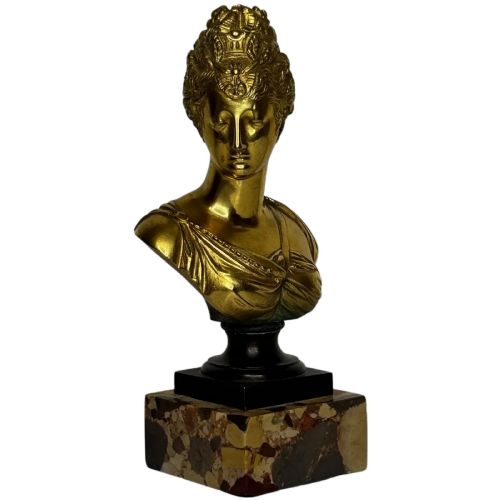
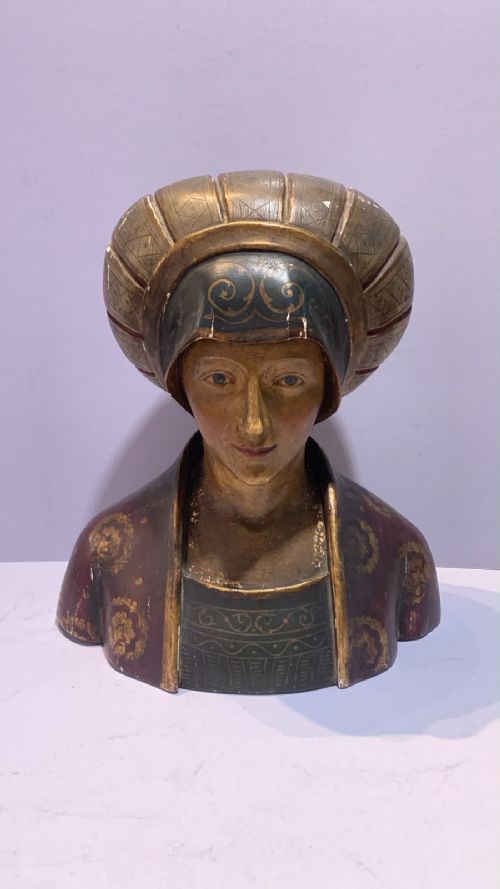
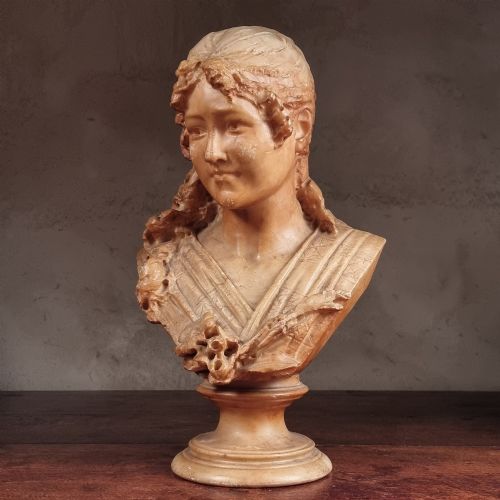
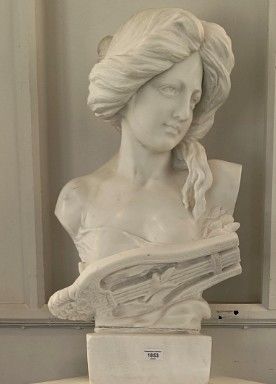
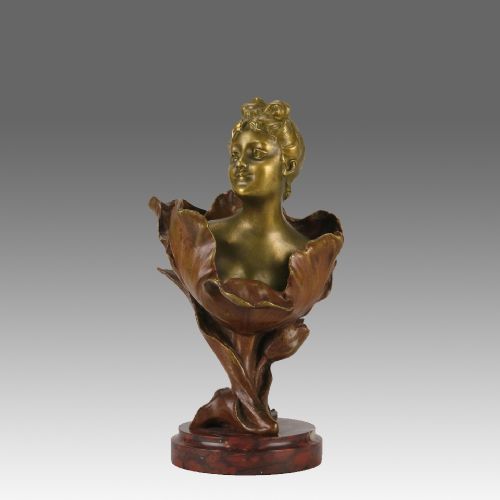
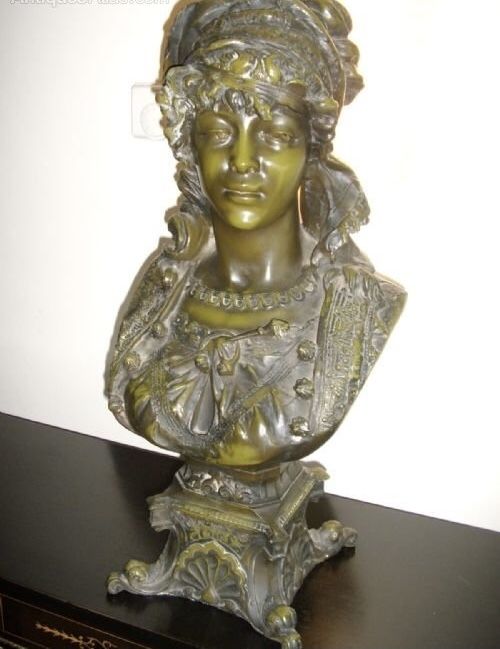
An antique female bust brings sculptural presence to a room, offering enduring carved form from various classical and revival periods.
What an antique female bust is
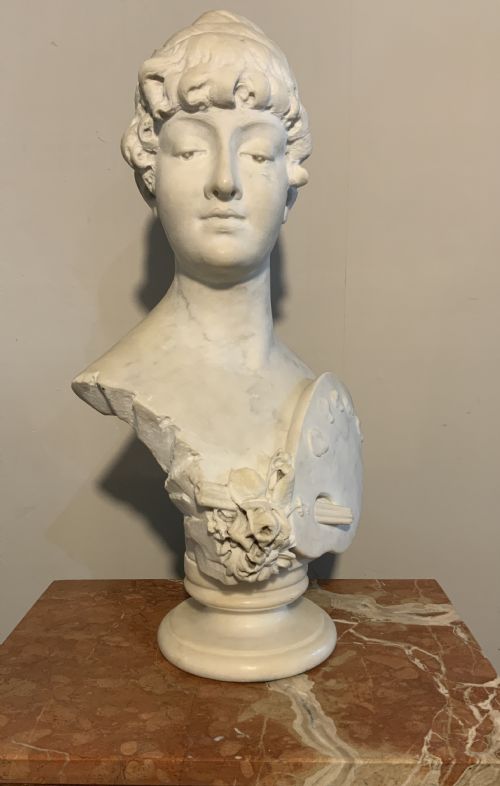
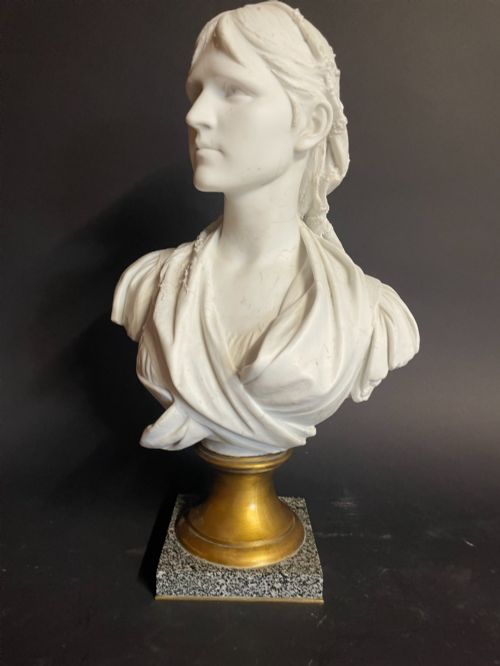
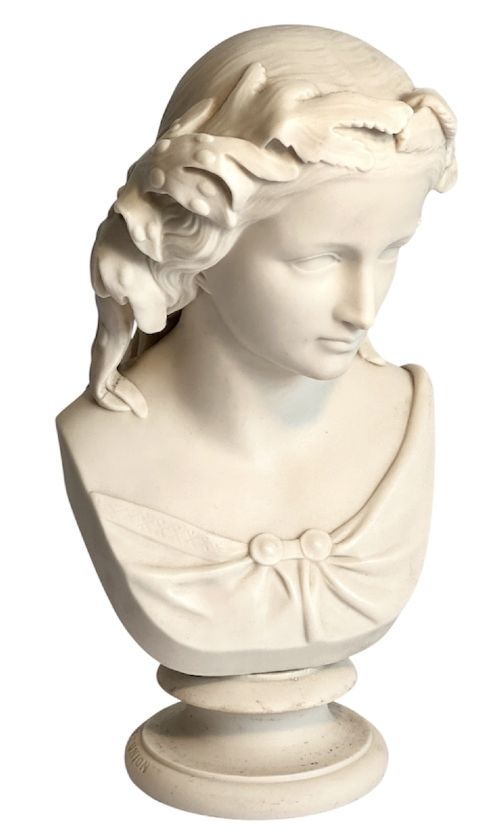
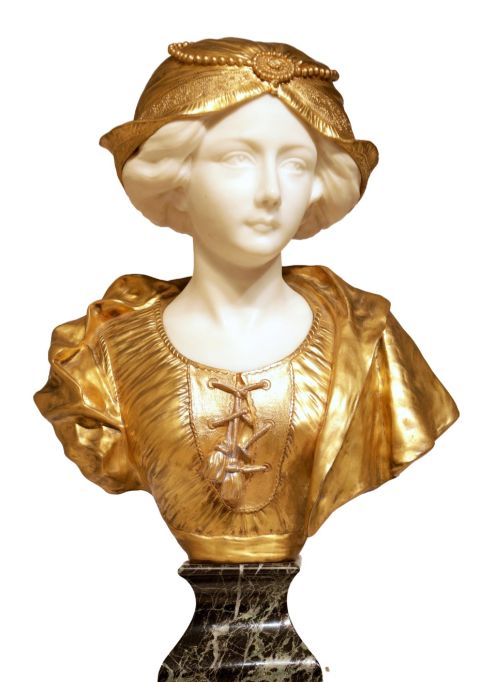
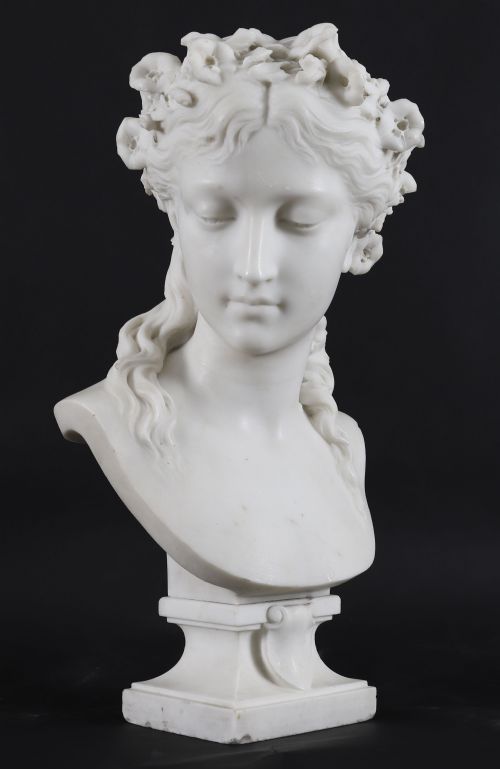
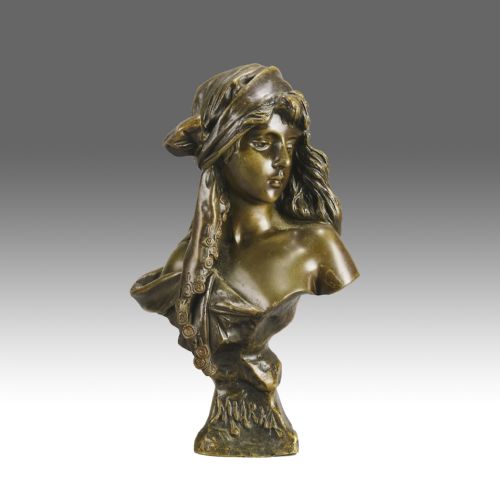
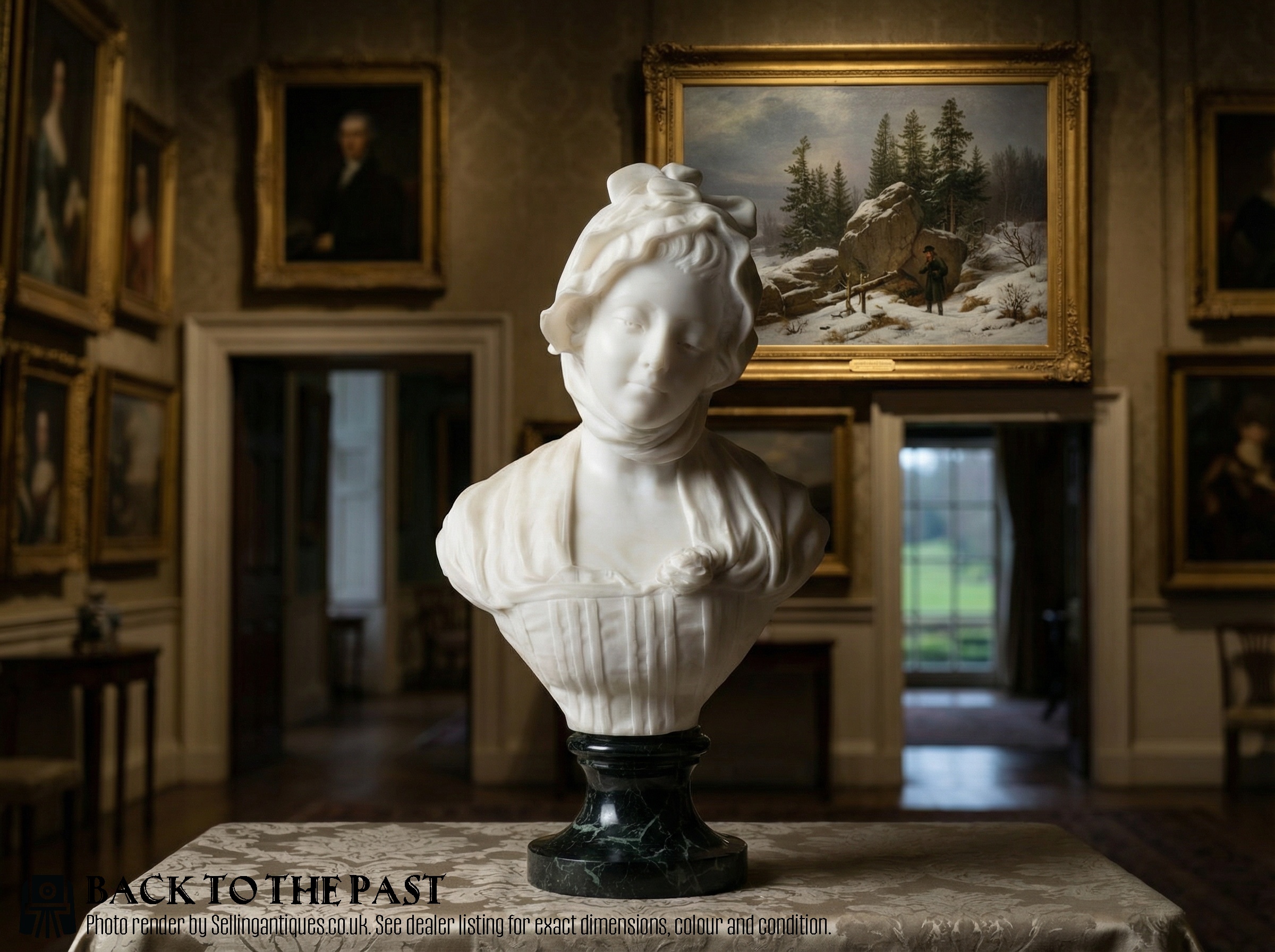
An antique female bust represents sculpted likenesses of women in three dimensions, focusing on the head, neck, and shoulders. Buyers searching for an antique female bust encounter works spanning the sixteenth century to the early twentieth century.
The pieces on this page encompass various regional traditions and revival movements, including French neoclassical items, Italian items, and Arts and Crafts examples. Forms range from distinct portrait sculptures to decorative ornamental figures and relief masques.
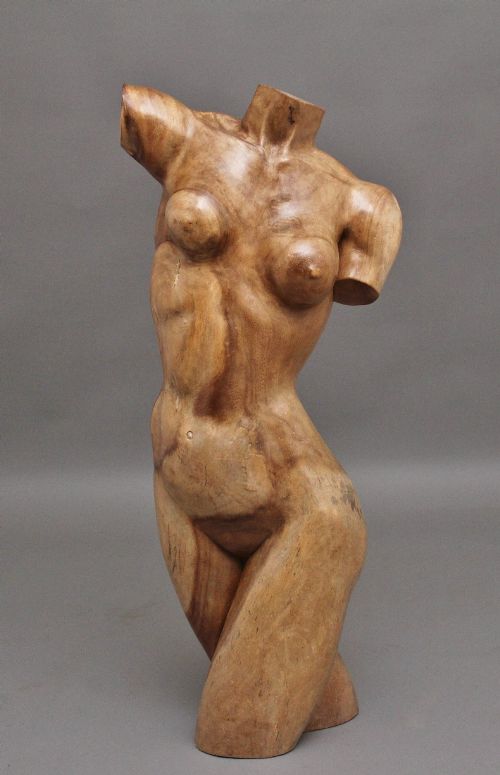
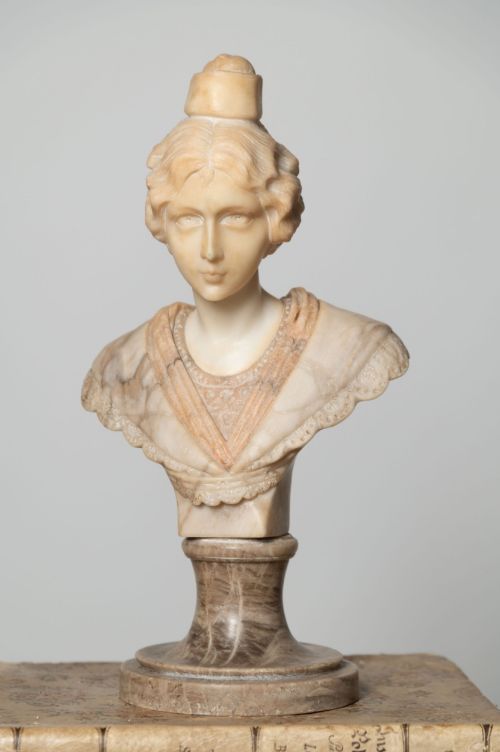
Materials vary across the selection, featuring carved wood, alabaster, bronze, and marble. These sculptures appear in forms such as cabinet pieces, garden sculptures on podiums, and wall-mounted reliefs.
Materials and construction
Bronze examples employ metal-casting techniques to achieve durable metallic finishes and patinas. Some sculptures incorporate polychrome paint over carved surfaces, adding coloured detail to the hair, skin, or garments.
Retail Price Guide 2026
Typical UK retail prices for female bust, calculated from the Sellingantiques database of over a million retail prices indexed since 2003. This retail price guide relies exclusively on Sellingantiques data; no external sources or auction records are used, so the figures do not describe the wider market.
The listings on this site feature alabaster, bronze, and carved wood across periods from the sixteenth century to the twentieth century.
Assessing quality
Quality in these sculptures rests upon the precision of the carving and the fidelity of the human form. Finer works display careful attention to facial expression, bone structure, and the natural fall of hair or fabric.
The choice of medium dictates the character of the piece, with dense marbles and finely grained alabasters offering sharper detail than coarser woods. Signed works or those demonstrating specific regional stylistic traits often represent higher artistic ambition.
The Antique Female Bust Glossary
- Alabaster
- A fine-grained mineral commonly carved into translucent sculptures and decorative busts. It permits soft surface detail and subtle light transmission.
- Patina
- The surface sheen and colour alteration developed on bronze and wood over decades of handling and age. It serves as an indicator of natural surface evolution.
- Masque
- A decorative sculptural face or head, often in relief, used for architectural or ornamental display. These pieces focus purely on facial expression.
- Neoclassical
- A style drawing inspiration from the classical art and culture of ancient Greece and Rome. It appears frequently in nineteenth-century and early twentieth-century decorative figures.
Frequently Asked Questions
Where should I place a bust?
These sculptures sit well on mantelpieces, sturdy sideboards, or dedicated pedestals where lighting highlights the carved contours.
Heavier marble and bronze examples require strong support surfaces, while wood and alabaster pieces benefit from stable indoor humidity away from direct heat sources.
How do I clean alabaster?
Dust alabaster surfaces gently with a soft, dry brush to prevent accumulation in carved crevices. Avoid using water or liquid cleaners, as moisture damages porous stone.
Professional restoration is recommended for valuable pieces requiring deep cleaning or repair.
How do I date a sculpture?
Dating relies on the combination of material, tool marks, stylistic movement, and historical context. Nineteenth-century revival pieces often imitate earlier Renaissance or classical forms.
Examining the underside and mounting points reveals construction methods typical of specific manufacturing eras.