




Antique European Genre Scenes
These antique European genre scenes capture everyday life in rich detail, offering a tangible window into past centuries that collectors prize.
Antique European Genre Scenes
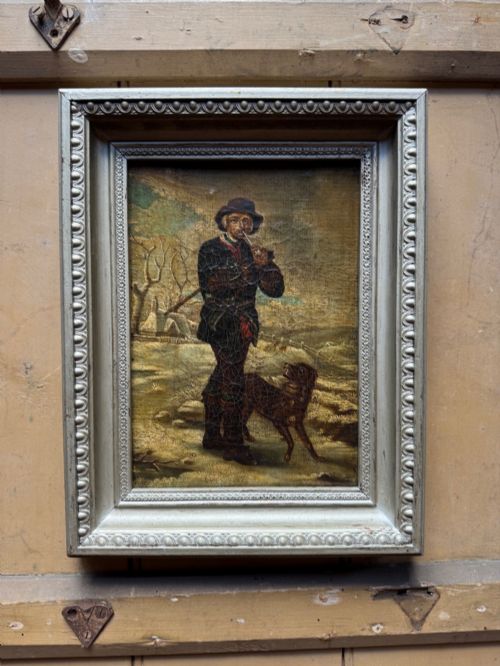
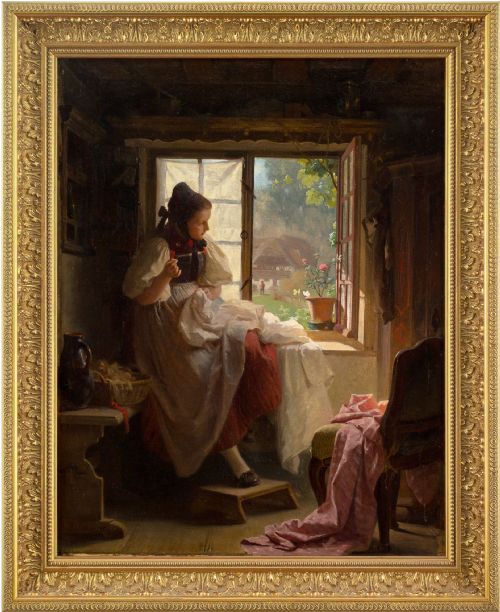
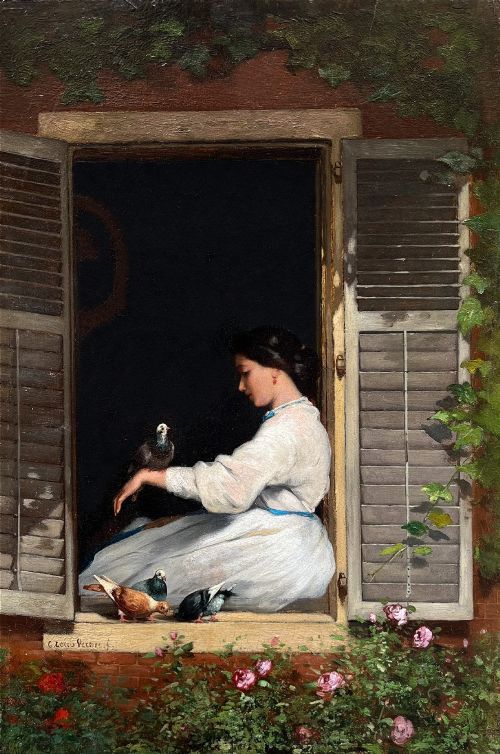
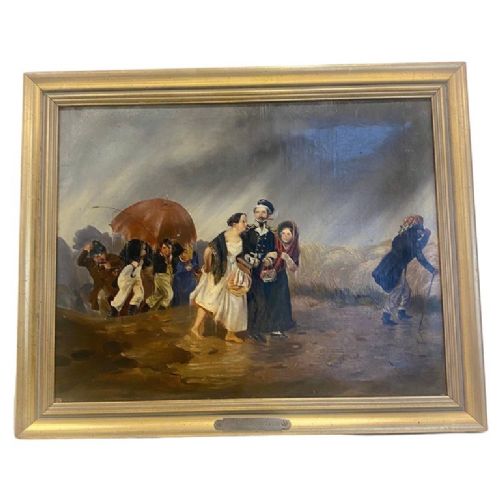
When you search for antique european genre scenes, you are looking at artworks that depict ordinary people engaged in daily activities, domestic moments, or rustic labours. The selection on this page relies heavily on nineteenth-century oil paintings and oil on boards, alongside related wall plaques.
The most common pieces you will meet span the nineteenth century, including specific dates such as 1860, 1880, and the Victorian era, as well as later examples from the early twentieth century. Styles range from nineteenth-century realism and academic painting to rustic continental and European school compositions.
Subjects often focus on figures and human narratives rather than grand historical events or pure landscapes. You will encounter scenes of domestic tasks, portraiture of peasants, and intimate social interactions framed in period woodwork.
How they were made
These works rely primarily on oil paint applied to canvas, wood panels, or board, sometimes supported by tin substrates. Artists built up their compositions using traditional brushwork to capture light, texture, and human expression.
Many of these paintings survive in their original housing, incorporating wood frames finished with gesso and gold leaf. The combination of oil paint and gilt wood frames defines the physical presence of the category.
Among the domestic moments captured, one painting remarkably preserves the startled expression of a boy tapping a barrel.
What varies in quality
The sophistication of the framing also separates works within the range. Pieces retaining their period gesso and gold leaf frames demonstrate a higher degree of original integrity.
Max Kaltenmoser·Louis Charles Verwee·R. Palnay·Joseph Emmanuel Weiser·Wilhelm Alexander Meyerheim
The Antique European Genre Scenes Glossary
- Oil on Canvas
- Pigment mixed with drying oil applied to a woven fabric support. This surface provides a traditional texture common across nineteenth-century fine art.
- Oil on Board
- Pigment applied to a rigid wooden or composition board. It offers a smooth, stable ground frequently used for smaller continental studies.
- Gesso
- A plaster-like mixture applied to wood frames before gilding. It provides a smooth base for subsequent layers of gold leaf.
- Gold Leaf
- Gold beaten into extremely thin sheets used to gild picture frames. It adds a reflective border that highlights the painting within.
- Genre Painting
- Art depicting scenes from everyday life. These works focus on ordinary people rather than mythological or historical subjects.
Antique European Genre Scenes: Frequently Asked Questions
What is a genre scene?
A genre scene is an artwork that portrays aspects of everyday life by depicting ordinary people in work or domestic settings. These compositions focus on human narratives rather than grand historical events.
In this selection, subjects range from peasants and children to indoor domestic moments and outdoor rural activities.
How old are these paintings?
The pieces shown here primarily date from the nineteenth century, with specific examples recorded from 1860, 1880, and the Victorian period. You will also find twentieth-century pieces up to around 1930.
Dates are typically determined by stylistic markers, artist signatures, and the materials used in the canvas and framing.
Are all the works on canvas?
While oil on canvas is common, the listings also include works executed on wood boards and tin. Each material provides a different surface texture for the oil paint.
Support materials often varied depending on the scale of the work and the regional practices of the artist.
How should I display them?
These pieces suit traditional interior settings, particularly when paired with their original gilt wood frames. Hanging them away from direct sunlight protects the oil pigments and gesso.
Wall plaques and framed paintings can be arranged to create focal points in living spaces or hallways.