
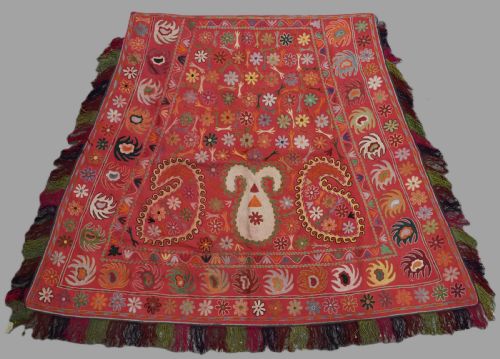


Antique Equestrian Textile
An antique equestrian textile brings the rich heritage of horse culture into a room through hand-knotted rugs, ceremonial blankets, and detailed needlework.
Antique Equestrian Textile
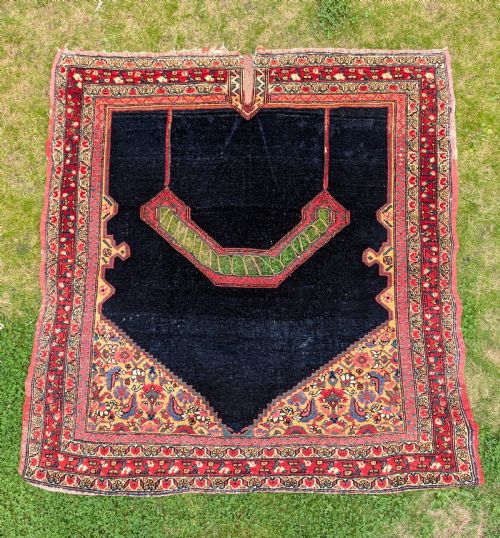
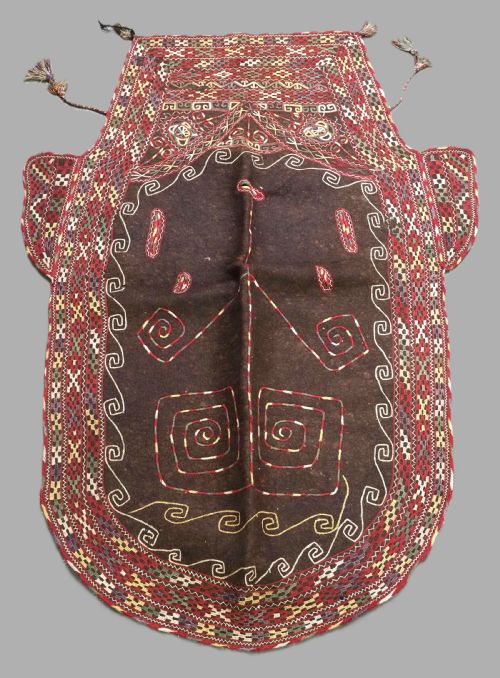
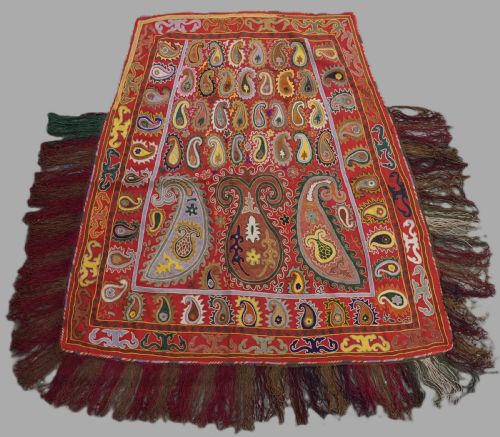
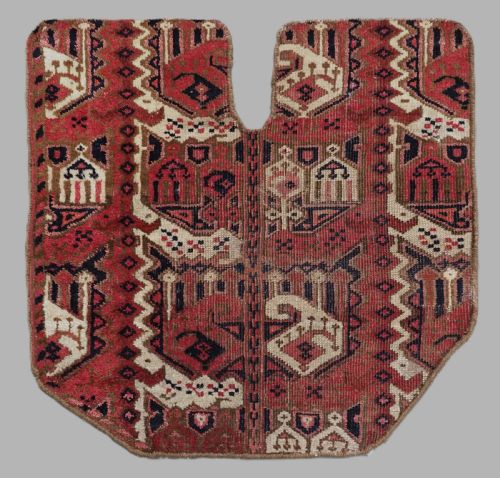
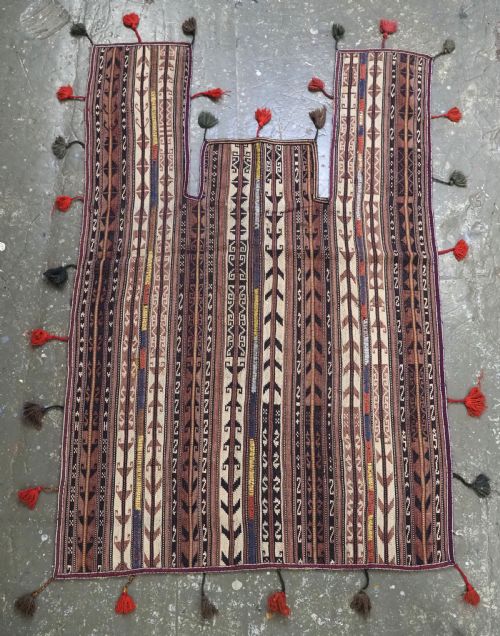
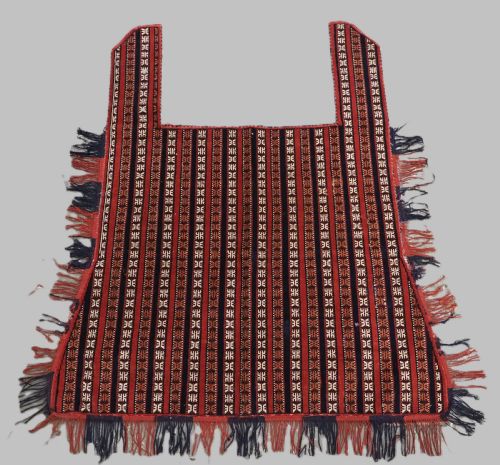
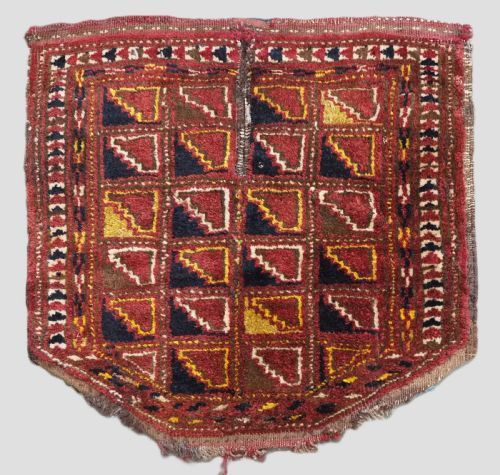
An antique equestrian textile encompasses tribal horse covers, saddle rugs, and ceremonial blankets originating from Central Asian, Persian, and European makers. Buyers searching this phrase most often encounter tribal pieces from Yomut Turkmen, Ersari, and Lakai makers, alongside Victorian and Edwardian English needleworks.
The functional origins of these items lie in practical riding equipment and decorative horse adornments used across regions like Uzbekistan, Persia, and Tibet. Ceremonial felts and woven saddle covers served to decorate horses during important rituals and gatherings.
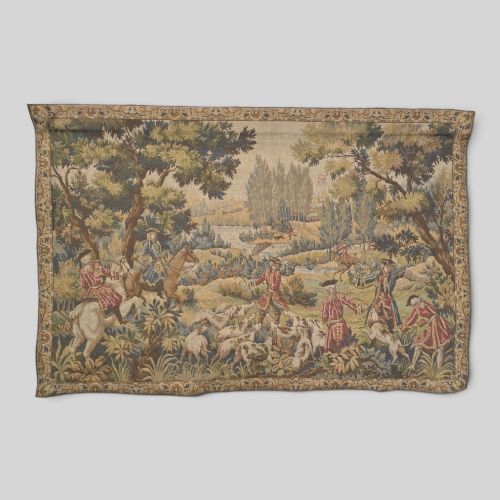
Beyond tribal trappings, the category includes framed tapestries, silk paintings, and needlework pictures depicting racing tracks and equine themes. These European works sit alongside utilitarian rugs, offering distinct ways to display equestrian history on walls and furniture.
Judging the standard
Quality rests in the precision of the tribal weave, the complexity of the embroidery, and the integrity of the natural dyes. Tightly knotted saddle rugs and finely executed needlework panels show a superior level of handwork.
Condition and completeness alter the standing of a piece, particularly for ceremonial horse blankets that endured active use. Intact textiles with vibrant natural colours and well-preserved structural grounds represent the upper tier of the category.
Listings feature items from the nineteenth century up to the 1930s, utilising wool, cotton, silk, and natural dyes.
The Antique Equestrian Textile Glossary
- Saddle cover
- A textile designed to fit over a horse saddle, combining decorative weaving with practical padding. These items often feature distinctive tribal motifs and heavy wool construction.
- Ceremonial felt
- A pressed wool fabric decorated with embroidery, created by nomadic groups for ritual horse adornment. Lakai and Yomut makers produced striking examples of these textiles.
- Tribal rug
- A hand-woven floor or animal covering produced by nomadic and village communities in Central Asia and Persia. They utilise geometric patterns and natural dyes characteristic of specific groups.
- Needlework
- A piece created by stitching yarn or thread onto a fabric ground to form a pictorial scene or pattern. English examples often depict racing tracks or specific horses.
- Tapestry
- A form of textile art woven on a loom, intended for wall hanging. French workshops produced large-scale examples featuring varied thematic imagery.
Antique Equestrian Textile: Frequently Asked Questions
How were ceremonial horse blankets used?
Nomadic tribes placed ceremonial horse covers and saddle blankets upon mounts during festivals, weddings, and important community gatherings.
They demonstrated the status of the owner and the skill of the tribal weavers through vibrant embroidery and durable materials.
Where do tribal horse covers originate?
Tribal horse covers come from regions including Uzbekistan, Turkmenistan, and Southwest Persia, made by groups such as the Lakai, Yomut, and Qashqai.
Each region and tribe utilised distinct patterns, dyeing techniques, and embroidery styles to create recognizable textile types.
How should I display an equestrian textile?
Many buyers hang lighter tapestries, needlework pictures, and smaller saddle rugs on walls using appropriate support mounts.
Larger saddle covers and heavy blankets can also be placed on flat surfaces or displayed away from direct sunlight to protect the natural fibres.
How do I identify the period of a textile?
Dating relies on material analysis, dye types, and stylistic markers consistent with nineteenth and early twentieth-century production.
Tribal pieces often reflect traditional motifs passed down through generations, while European needleworks align with Victorian or Edwardian design trends.