


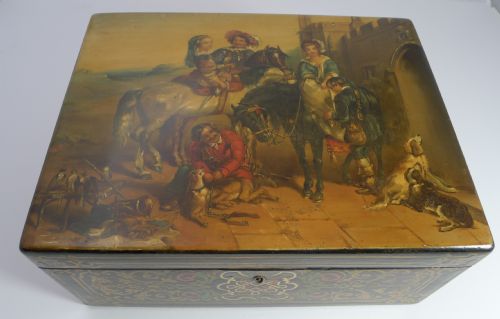
Antique Equestrian Storage
Antique equestrian storage pieces are functional utilitarian items built to house riding gear, and you buy them to bring robust historical character into a hallway or boot room.
Antique Equestrian Storage
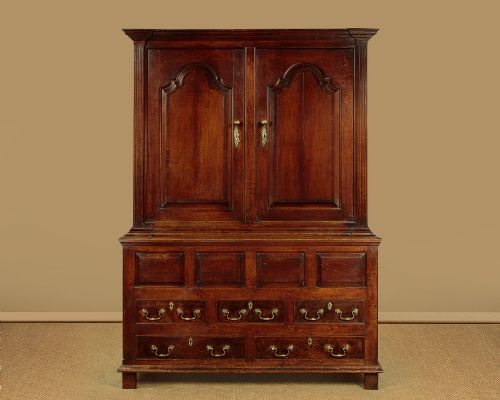
When you search for antique equestrian storage, you encounter functional wooden and leather pieces designed to hold riding gear, boots, hats, and tack. These items range from sturdy oak tack cupboards to tall revolving boot stands and leather hat cases.
The versions you are most likely to meet on this page span the Georgian, Victorian, and nineteenth-century periods. They originate primarily as utilitarian objects made for stables, tack rooms, and country houses.
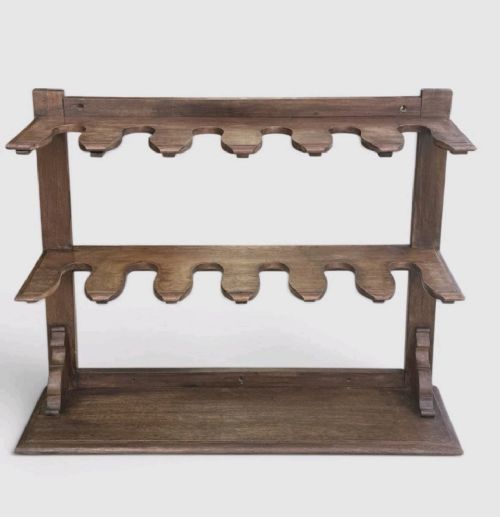
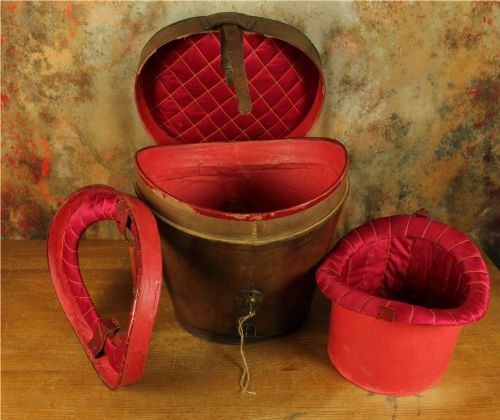
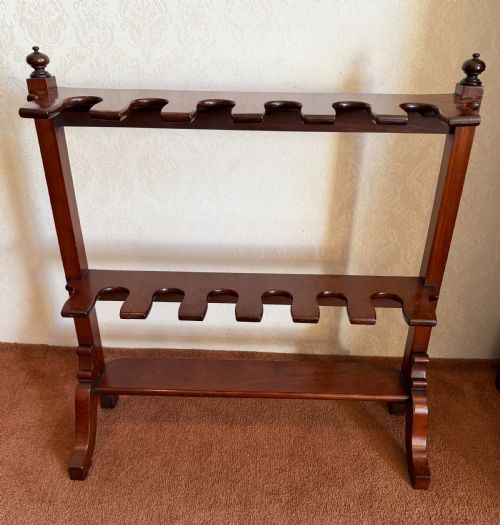
Forms include large armoires and storage cupboards, hat boxes, hall stands, and specialised boot racks. Each type reflects the practical daily needs of historical riders and horse owners.
How they were made
Cabinetmakers and rural joiners utilised robust timbers such as oak, mahogany, and pine to build these durable storage pieces. Brass fixtures, leather components, and painted finishes often complete the construction.
Specialised forms like revolving boot stands and multi-tier hat cases required clever mechanical design and sturdy internal framing to support heavy riding boots and stiff headwear. Many pieces combine plain functional carpentry with practical hardware like brass hooks and mounts.
Some nineteenth-century boots apparently required entire revolving towers just to keep the hallway civilised.
What varies in quality
The distinction between standard utility items and finer pieces lies in the choice of timber and the sophistication of the hardware. Solid mahogany and well-figured oak indicate a higher grade of workshop production than basic pine.
Original painted surfaces, untouched brass fittings, and surviving internal arrangements elevate a piece above heavily altered examples. The integrity of mechanisms in revolving stands also defines the better specimens.
Jennens and Bettridge
The Antique Equestrian Storage Glossary
- Tack cupboard
- A specialised cabinet or armoire built with internal hooks and shelves specifically for storing horse harness and riding equipment.
- Boot rack
- A piece of furniture designed to hold riding boots upside down or upright to maintain their shape and dry properly.
- Hat box
- A sturdy container, often constructed from leather or stiffened materials, tailored to protect tall riding hats and top hats.
- Hall stand
- A piece of hallway furniture combining storage compartments with hooks for coats, whips, and hats.
Antique Equestrian Storage: Frequently Asked Questions
How were tack cupboards used?
Tack cupboards served as secure storage for valuable saddles, bridles, and leather harness equipment. Their internal hooks and shelves kept gear organised and protected from damp conditions.
Owners placed them in tack rooms and stables for immediate access before and after riding.
How do I live with a boot rack?
Boot racks fit well in modern hallways, boot rooms, and utility spaces as practical storage for footwear and walking gear. Their narrow footprints make them useful for organising tight spaces.
They bring tactile wooden textures and distinct historical character into domestic interiors.
How do I tell periods apart?
Georgian and seventeenth-century pieces typically feature heavy oak construction with simpler, utilitarian lines. Victorian examples often utilise mahogany, brass hardware, and more complex revolving mechanisms.
Examining the timber grain, construction joints, and metal fittings helps clarify the era of manufacture.