
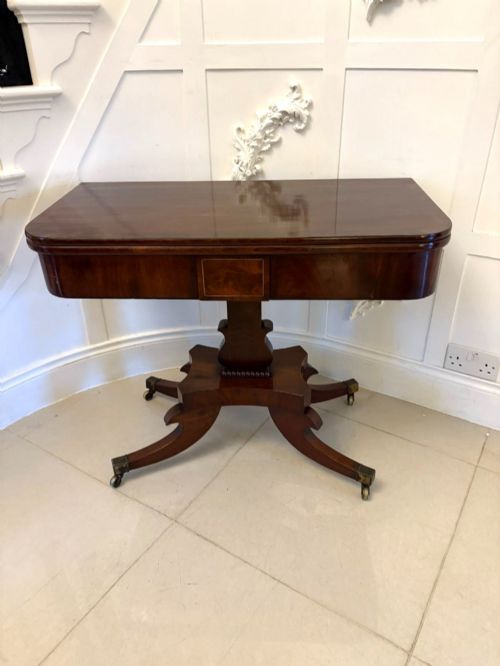
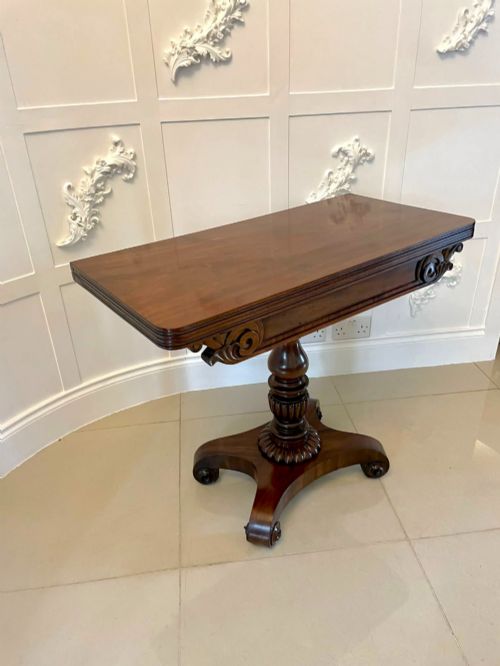
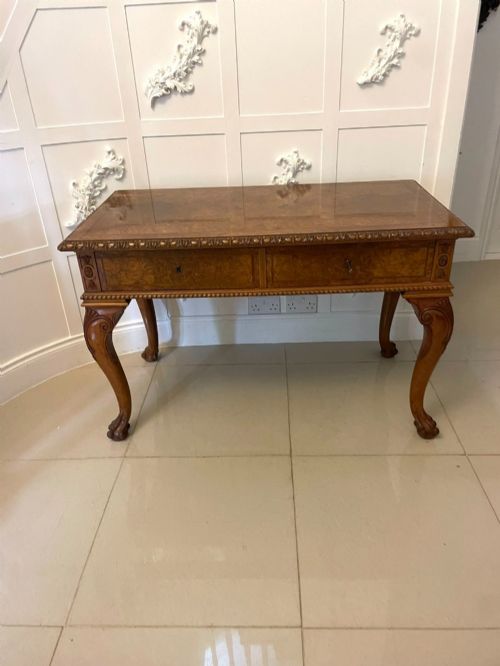
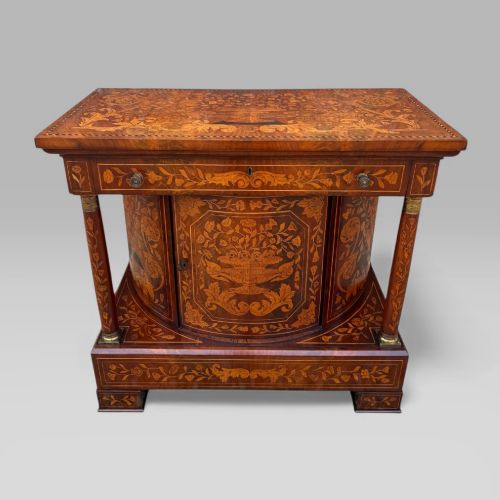

Antique Entry Console
An antique entry console sets the tone of a hallway, offering a surface for letters and keys beneath a mirror.
Antique Entry Console
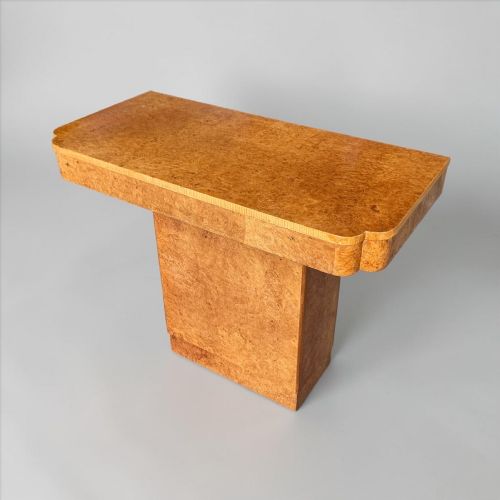
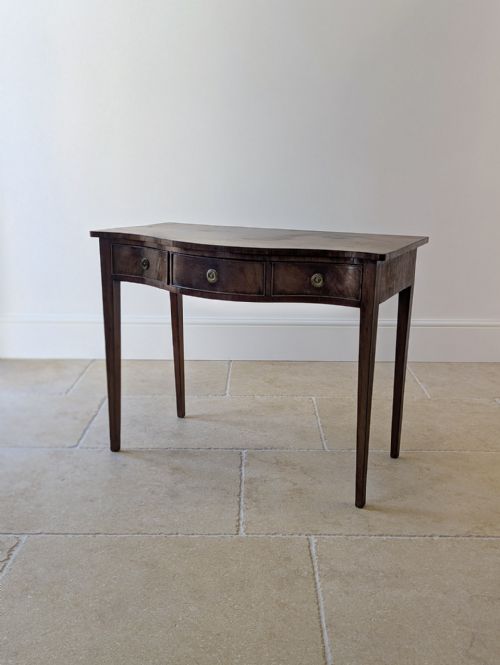
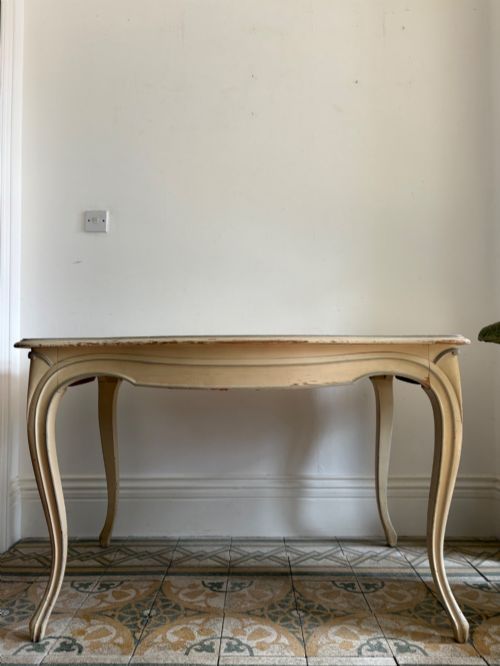
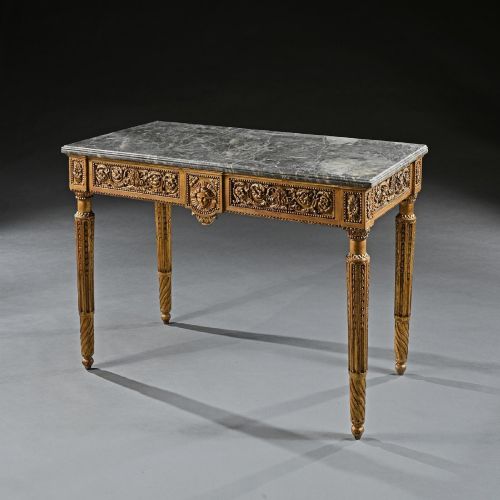
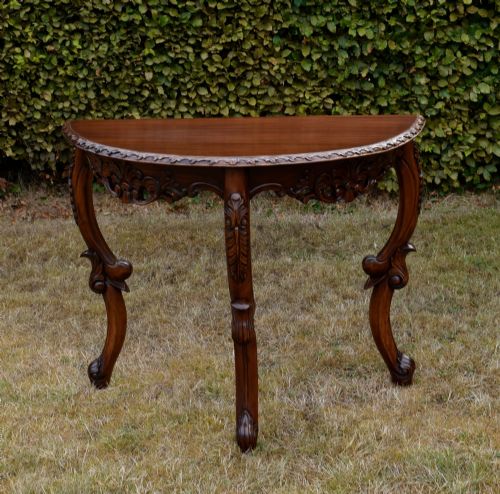
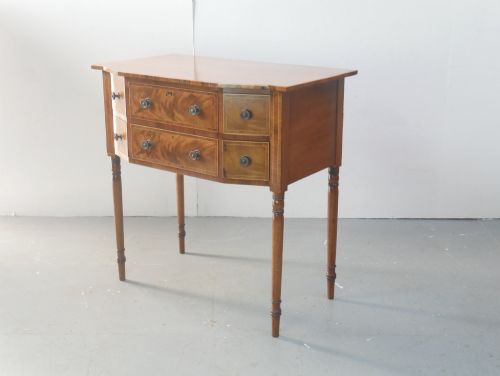
An antique entry console is primarily found in forms such as console tables, side tables, tea tables, side cabinets, washstands, and centre tables designed to sit against a wall in a hallway or reception room.
Buyers meeting these pieces on this page will encounter items spanning the 18th century, Georgian, Victorian, Edwardian, and 1920 to 1930 periods, reflecting decades of domestic furnishing.
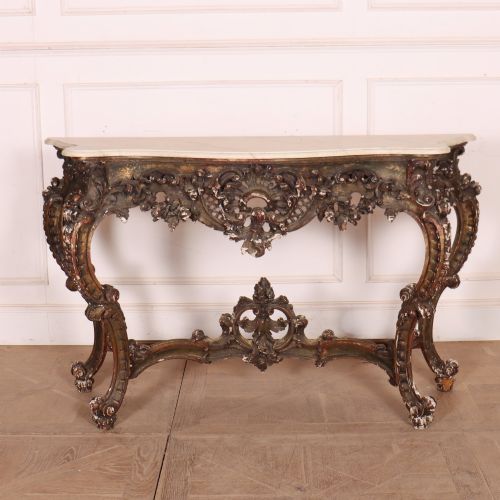
Origins stretch across British, French, Italian, and Dutch workshops, bringing varied stylistic influences from Regency and Neoclassical to Art Deco and French Rococo into the modern interior.
Materials and construction
Cabinetmakers utilised timber carcasses of mahogany, walnut, oak, and pitch pine, often embellished with figured mahogany or burr walnut veneers to create striking surface patterns.
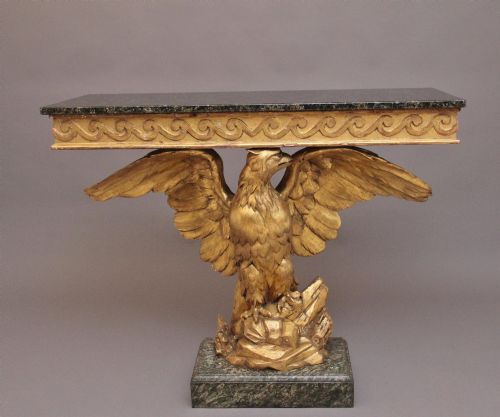
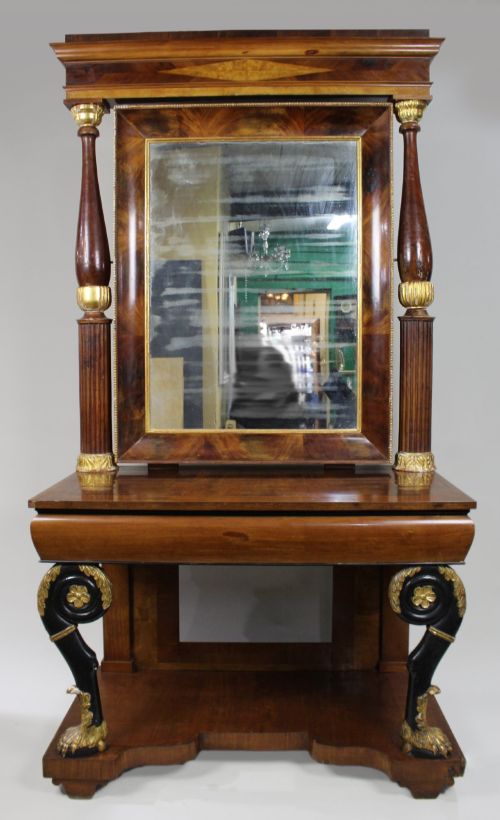
Surface treatments and decoration include carved giltwood, gesso, parcel gilt highlights, paint, marquetry inlay, and inset suede tops for specific writing or display functions.
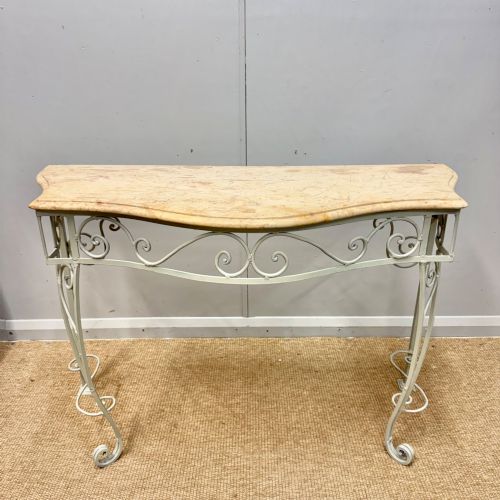
Heavy decorative elements are balanced by heavy inset marble slabs or wrought iron structures, particularly seen in continental pieces and later 20th century designs.
Some tables double as tea tables with foldover leaves, hiding their dual purpose until evening hospitality begins.
What separates the grades
The refinement of the timber selection dictates the visual weight, with well-figured mahogany and burr walnut standing apart from plain utilitarian woods.
Carved detail demonstrates the hand of the maker, distinguishing crisply rendered acanthus leaves and gilding from simpler moulded edges.
Structural integrity relies on the retention of original marble tops, pier mirrors, and intact giltwood bases without modern replacement parts.
Felix-Alfred Ternisien·Hille
The Antique Entry Console Glossary
- Console table
- A table designed to be fixed against a wall, frequently supported by two front legs and secured to the masonry at the rear. These often carry heavy marble slabs.
- Demilune
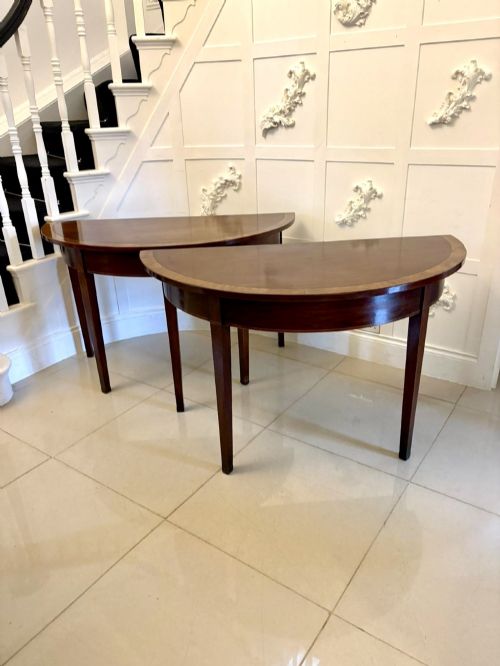
- Half-moon shape. This describes tables with a flat back edge designed to sit flush against a wall and a curved front.
- Giltwood
- Wood that has been coated with gold leaf or gold paint. It appears frequently on decorative Italian and French frames and bases.
- Marquetry
- The art of applying pieces of veneer to a structure to form decorative patterns and pictures. Dutch examples utilise this heavily on mahogany carcases.
- Pier table
- A table designed to stand against the wall between two windows, often placed directly beneath a pier mirror.
Antique Entry Console: Frequently Asked Questions
What is an antique entry console used for?
These tables provide a narrow surface in a hallway or corridor for small decorative objects, correspondence, and daily items.
Historically, they filled narrow architectural wall spaces where full-depth tables would obstruct movement.
How do I style an antique console table?
Pairing the table with a matching pier mirror or hanging artwork above creates a balanced focal point in an entrance hall.
Keep the surface uncluttered to allow the timber grain or marble top to remain visible.
How do I identify a Georgian console?
Georgian pieces typically display restrained classical proportions, rectilinear or serpentine mahogany construction, and understated carved decoration.
Look for traditional joinery methods and timber patination consistent with late eighteenth-century workshops.
What is the difference between a console and a side table?
Console tables are traditionally designed to lean against a wall and sometimes require wall fixing for stability.
Side tables are self-supporting freestanding items that can move around a room more easily.