

Antique Stick Stand Mirror
An antique stick stand mirror combines practical hallway storage with an integrated glass plate, bringing light and utility to entrance spaces.
Antique Stick Stand Mirror
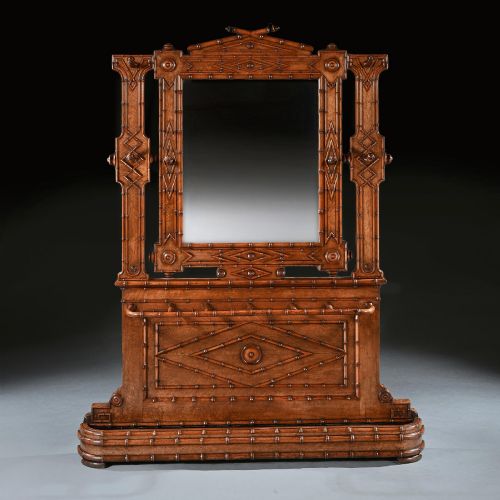
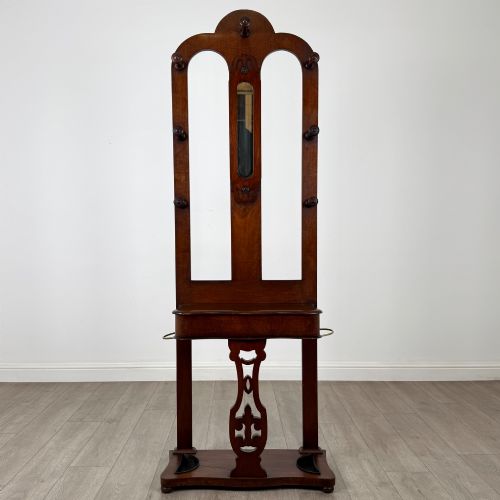
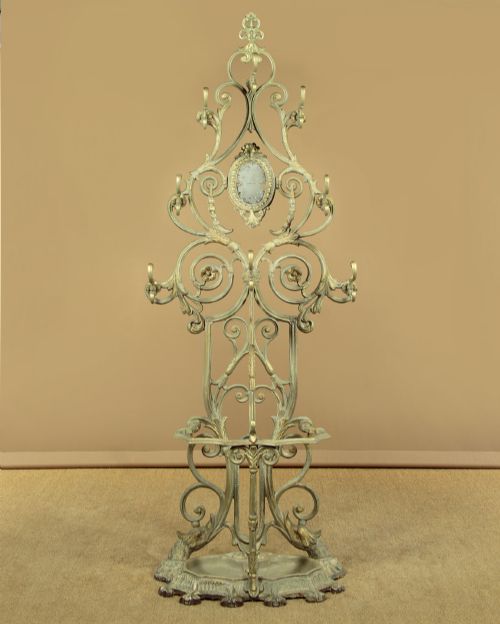
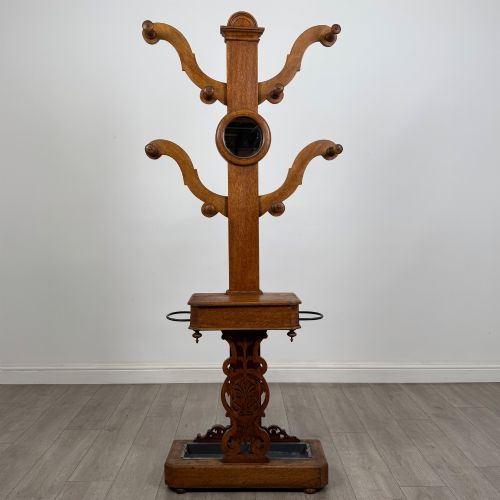
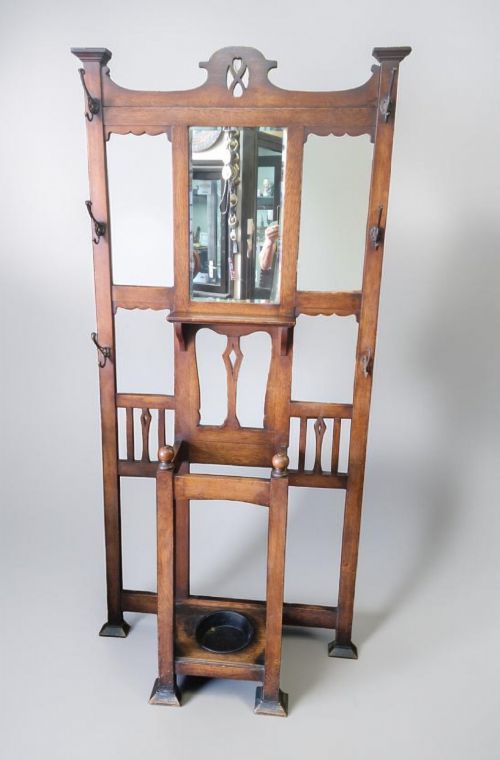
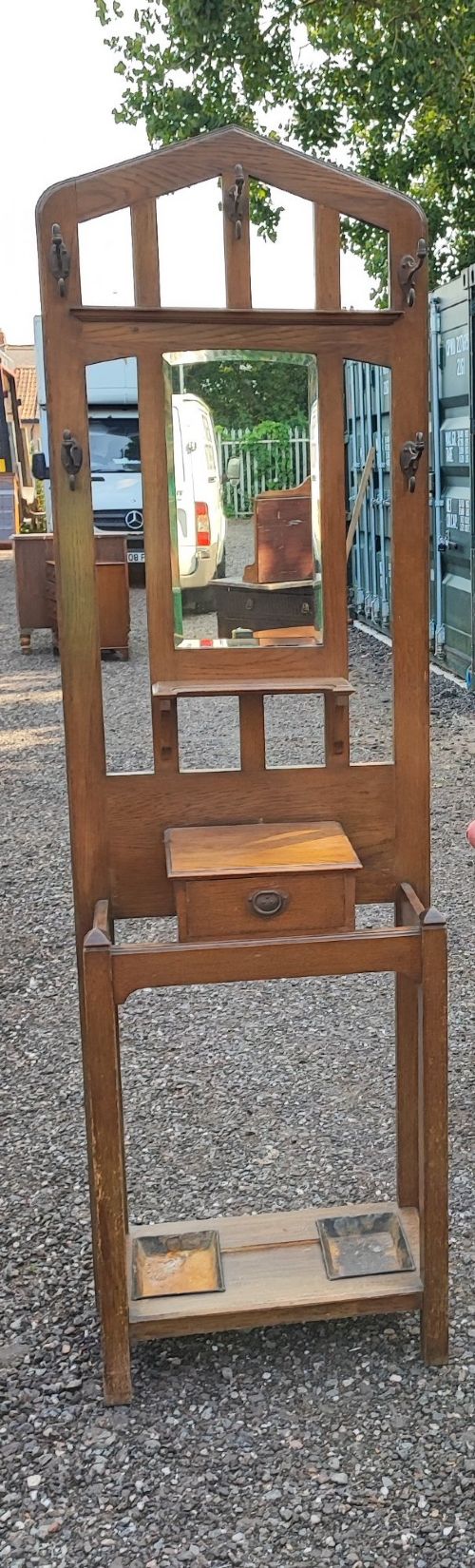
When buyers search for an antique stick stand mirror, they encounter multi-functional entrance furniture designed to hold coats, hats, and walking sticks while incorporating a central looking glass. These items span periods from the Victorian era into the early twentieth century, encompassing styles such as the Aesthetic Movement, Arts and Crafts, and French Chateau designs.
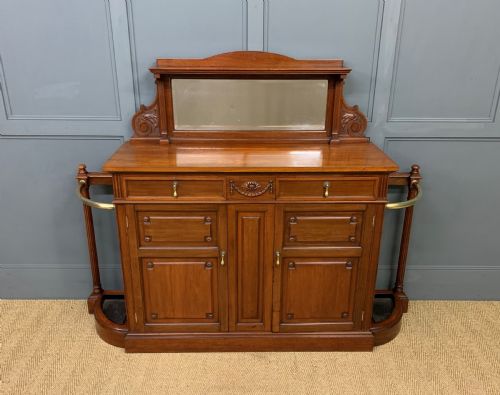
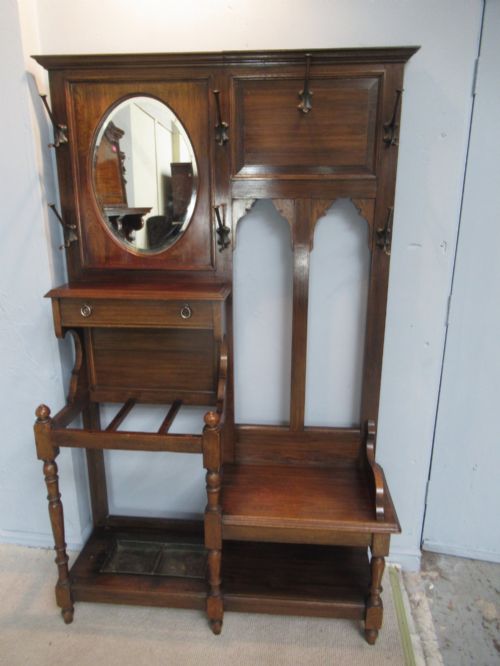
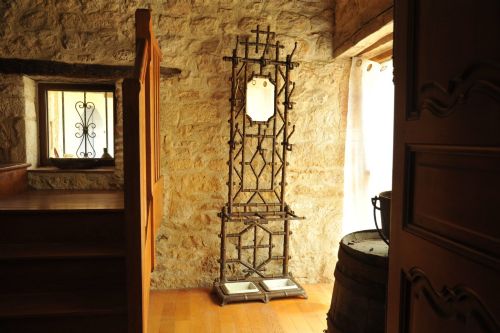
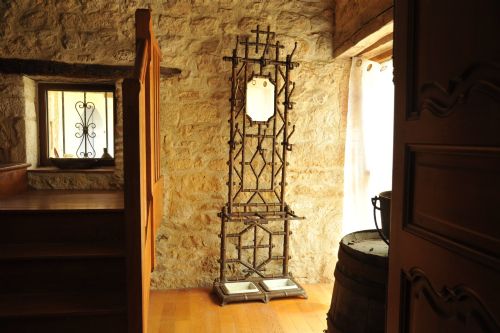
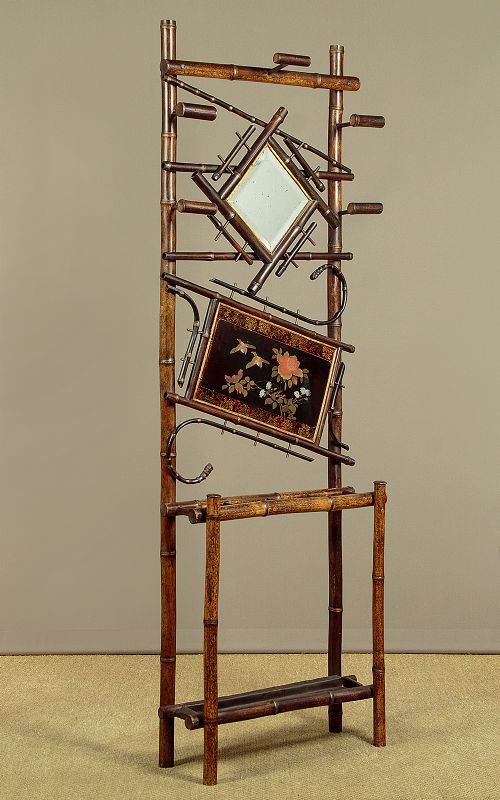
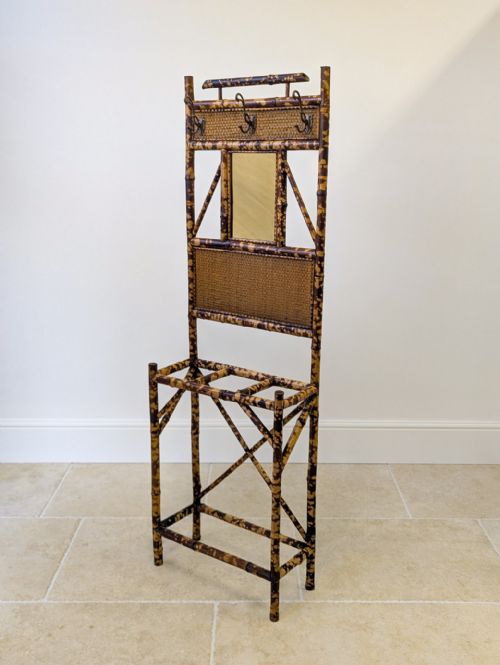
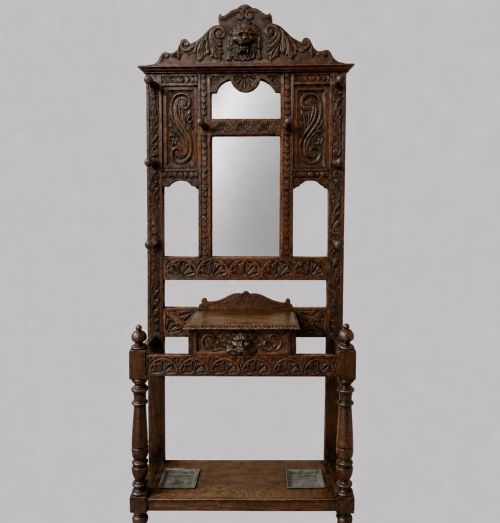
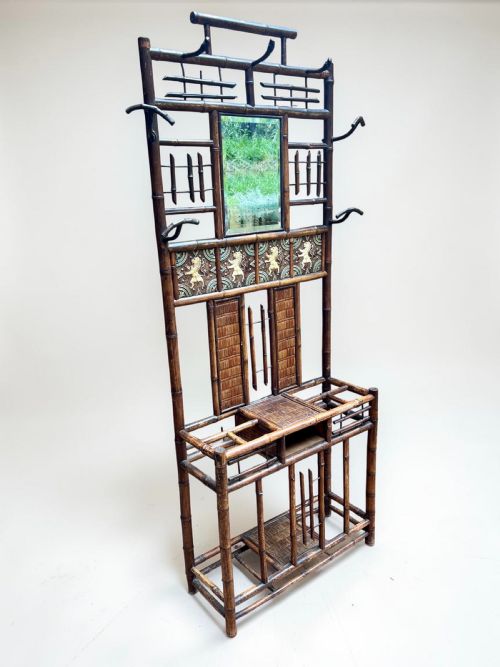
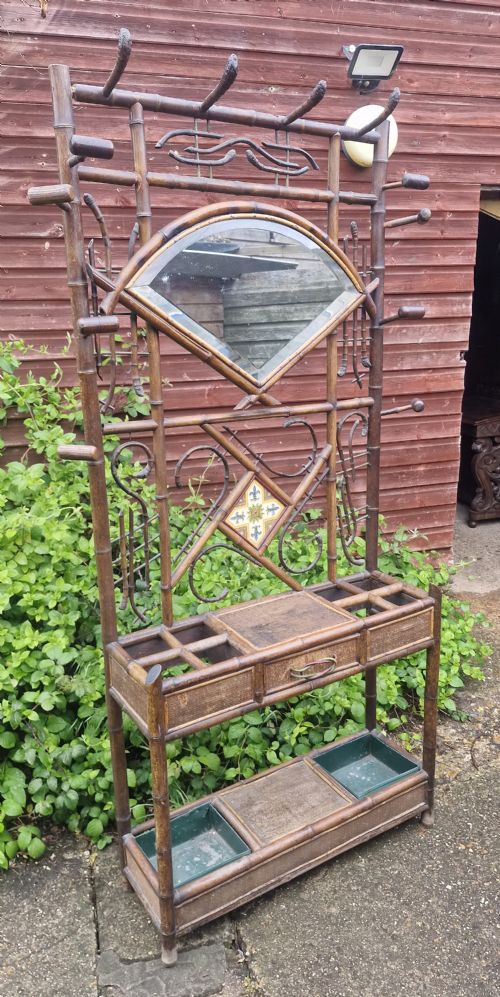
The most common examples on this page are constructed from timbers like oak and mahogany, often featuring integrated brass or cast iron umbrella wells alongside drip pans. Pieces range from substantial carved oak hall stands to lighter bamboo and faux bamboo structures produced during the late nineteenth century.
Materials and construction methods
Constructed primarily from solid hardwoods like mahogany, walnut, and oak, these hallway pieces rely on traditional joinery to support heavy coat hooks and central glass plates. Cabinetmakers shaped structural timbers into upright frames, incorporating mirrored panels secured with wooden backing and brass fittings.
Metal components play a structural role in umbrella and stick storage, utilising cast iron, brass, and metal pans to catch moisture from wet walking aids. In lighter pieces, bamboo and faux bamboo canes form rigid frameworks bound with organic cordage.
Surfaces receive decorative treatments including carving, such as Green Man motifs on oak, alongside inlaid wooden details typical of Arts and Crafts production. Marble slabs are integrated into horizontal surfaces to provide durable, water-resistant shelves beneath the mirror.
Listings feature items spanning the Victorian, Edwardian, and Arts and Crafts periods, constructed from oak, mahogany, bamboo, and cast iron.
Assessing quality in hallway furniture
Quality reveals itself in the selection of primary timbers and the depth of carved or turned ornamentation. Superior examples employ dense mahogany, figured walnut, or quarter-sawn oak, whilst simpler items utilise basic softwoods or lighter bamboo canes.
The integration of secondary materials defines the tier of manufacture, notably the presence of thick bevelled mirror glass, heavy cast brass hooks, and robust marble inserts. Lesser examples feature thinner glass plates, stamped metal hooks, and missing drip pans in the umbrella wells.
Structural integrity depends on the rigidity of the upright frame and the secure seating of the mirror and lower trays. Well-made pieces maintain stability under the weight of heavy winter coats and damp umbrellas without looseness in the joints.
Shoolbred and Co·Coalbrookdale
The Antique Stick Stand Mirror Glossary
- Hall stand
- A piece of hallway furniture combining coat hooks, a mirror, and umbrella storage. These items serve as central organisational units for entranceways.
- Faux bamboo
- Turned and painted wood simulating natural bamboo canes. This technique appears frequently on late nineteenth-century French furniture.
- Aesthetic Movement
- A late Victorian design style prioritising visual beauty over narrative content. Pieces in this style often incorporate Japanese-inspired motifs.
- Green Man
- A sculptural architectural ornament depicting a human face surrounded by foliage. This motif frequently decorates carved oak Victorian furniture.
- Coalbrookdale
- A prominent nineteenth-century ironworks known for ornate cast iron production. Items bearing this name represent high-status metalwork.
Antique Stick Stand Mirror: Frequently Asked Questions
How do I clean the mirror glass safely?
Wipe the glass surface using a soft cloth dampened with a mild glass cleaner. Avoid letting moisture seep behind the silvered backing or into the surrounding wooden frame.
Ensure that brass or iron elements near the glass do not come into contact with harsh chemical sprays. Regular dusting keeps the reflective surface clear without risking water damage to the antique timber.
Where should I place a hall stand?
Position the piece against a sturdy wall in an entrance hallway or boot room where it receives adequate structural support. Keep the furniture away from direct heat sources and strong sunlight to protect the wood and veneer.
Allow sufficient clearance around the hooks and umbrella wells for daily retrieval of coats and walking sticks. Ensure the floor surface is level to maintain stability across the upright frame.
How do I care for the umbrella wells?
Empty and dry the metal or ceramic drip trays regularly to prevent rust and moisture accumulation. Ensure wet sticks are shaken before placement in the stand.
Treat surrounding wooden or bamboo bases with appropriate wax or oil formulations to protect against water splashes. Promptly wipe up standing liquid from marble or wooden shelves.
Are these stands suitable for daily use?
Solidly built examples in oak, mahogany, or cast iron easily accommodate everyday coats, hats, and walking sticks. Lighter bamboo and Aesthetic Movement variants require more gentle handling.
Distribute weight evenly across the coat hooks to maintain balance and prevent stress on the upper frame. Regular checks of wall fixings help ensure safe operation in busy households.