
Antique English Teacup
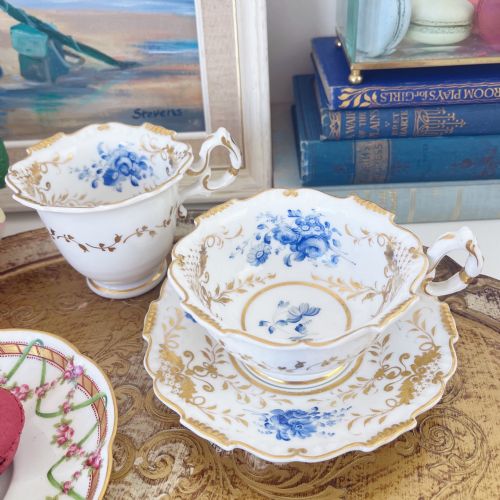
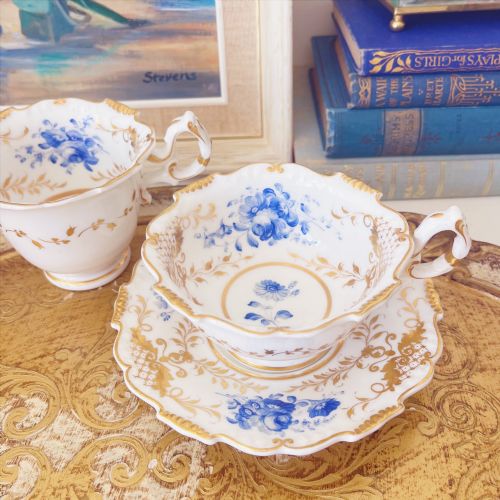
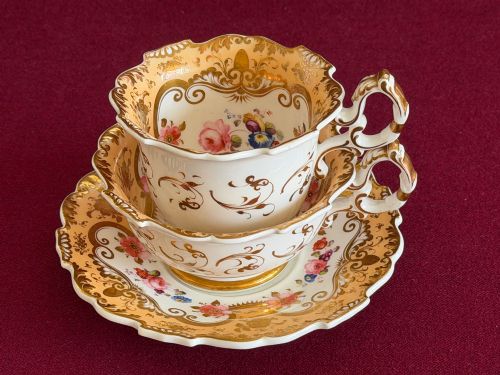
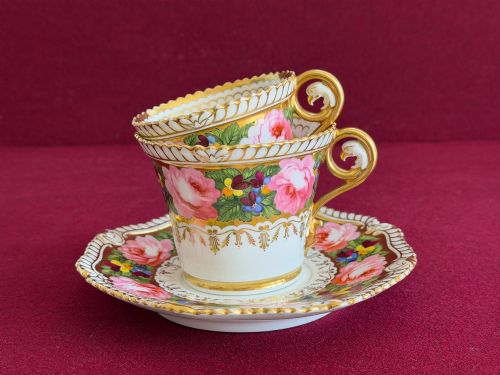
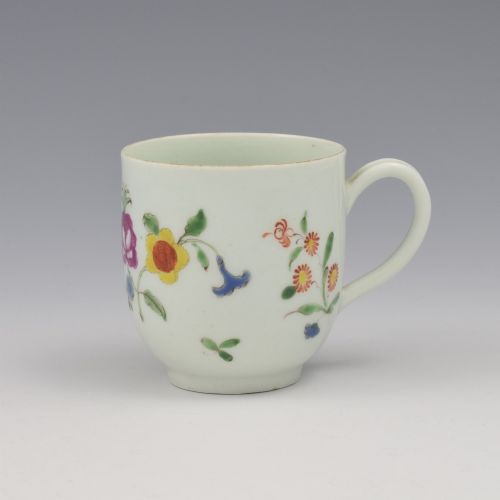
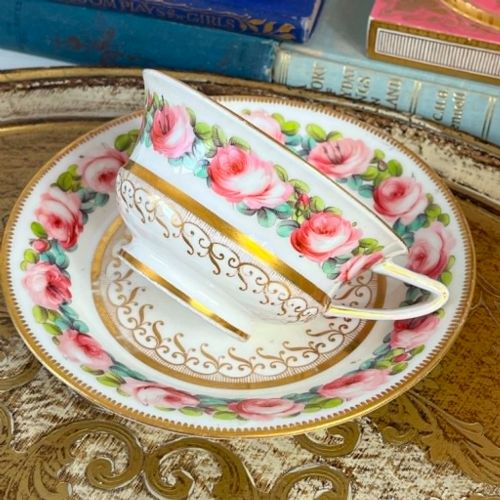
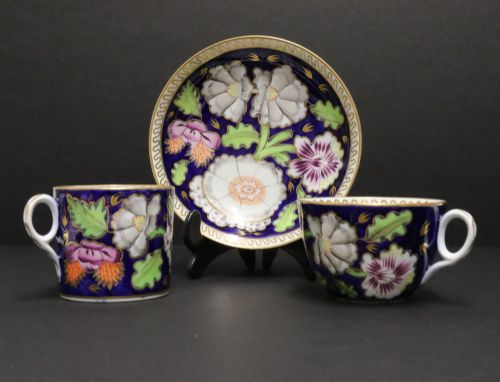
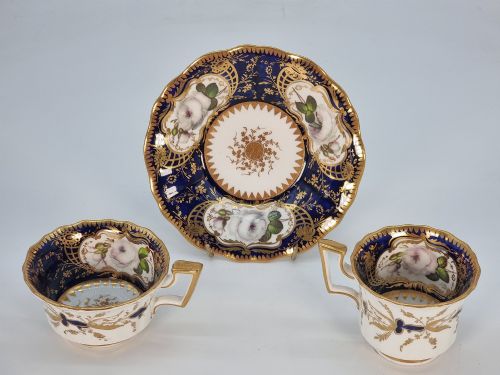
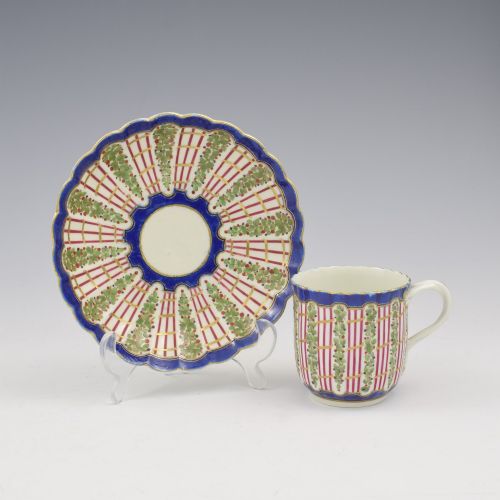
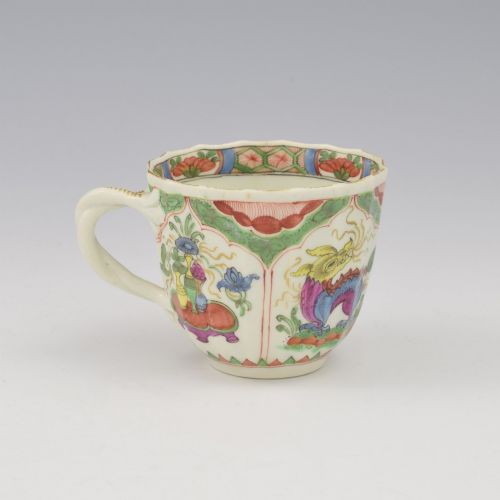
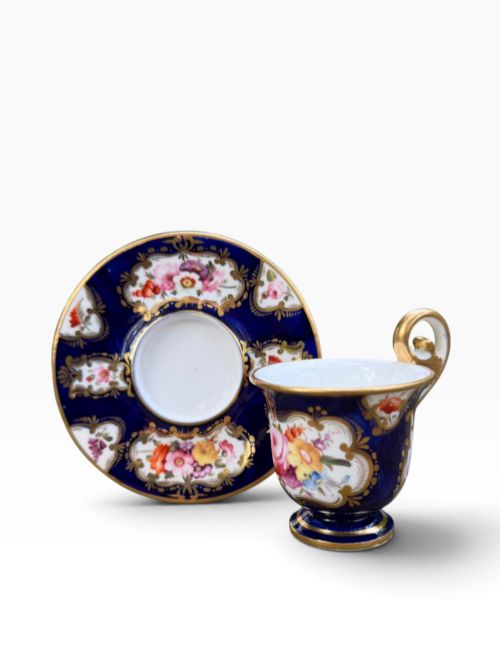
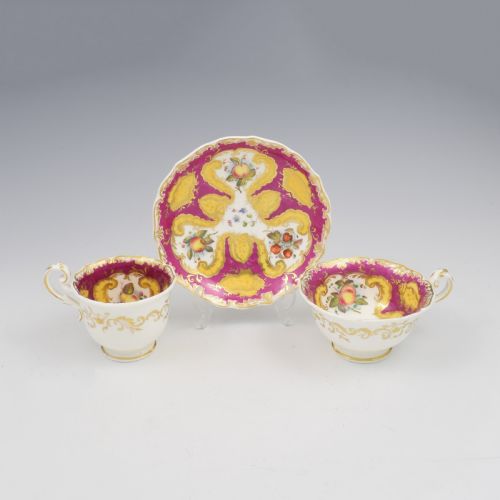
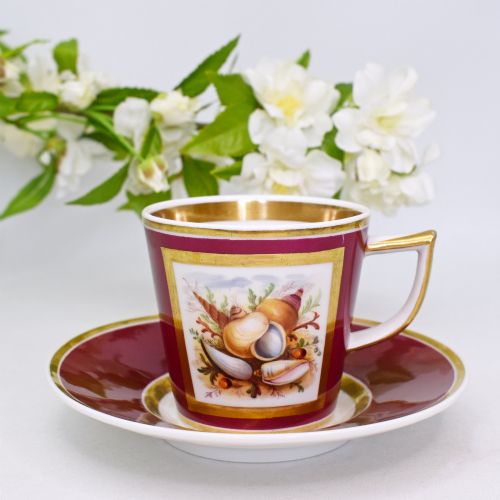
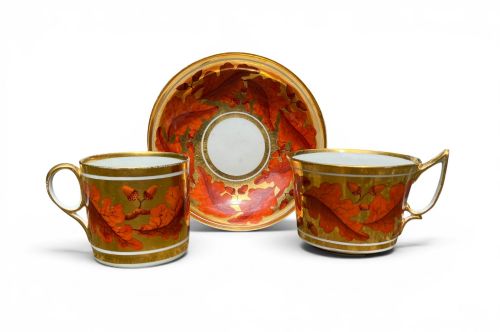
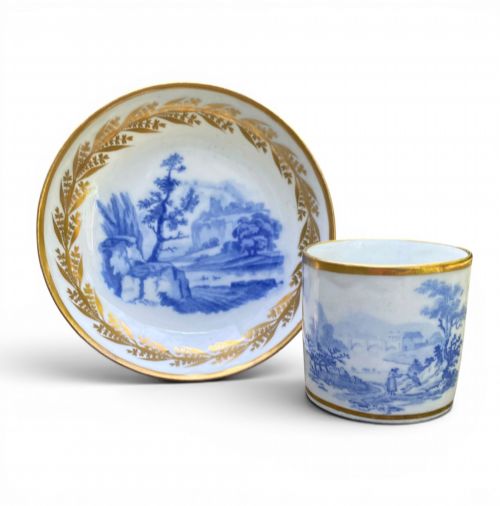
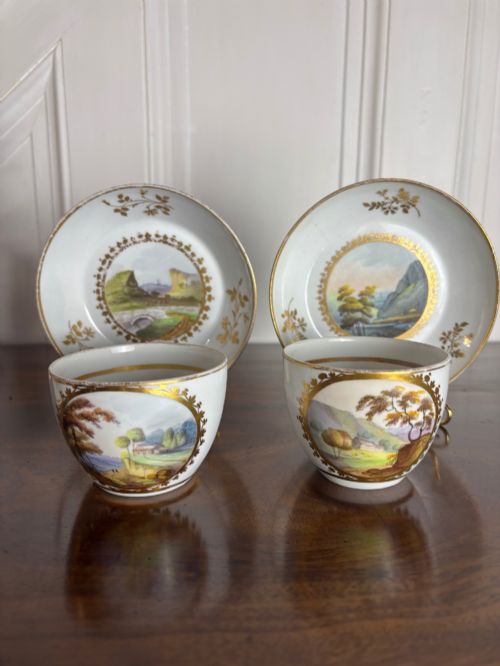
These antique English teacups are eighteenth-century soft-paste porcelain pieces decorated with enamel and gold leaf, offering collectors a tangible connection to Georgian dining history.
What they are
The most likely version to meet on this page is an eighteenth-century soft-paste porcelain teacup and saucer from the Georgian era. Surviving examples carry hand-applied enamel and gold leaf decoration reflecting the aesthetic of the period.
How they were made
Potters formed these pieces using soft-paste porcelain during the eighteenth century. This body type requires careful firing temperatures and yields a warmer texture than later hard-paste wares.
Artisans applied polychrome enamel pigments and gold leaf details by hand across the surface of the cup and saucer. These decorative layers required subsequent low-temperature kilnfirings to fix the colours to the soft-paste body.
What varies in quality
Quality separates simple production items from bespoke service pieces through the precision of the hand-painted enamel work and the thickness of the gold leaf application. Finer examples display meticulous brushwork commissioned for notable clients.
The sophistication of the soft-paste porcelain body influences the overall refinement of the piece. Superior specimens maintain smoother glazing without excessive warping from the eighteenth-century kiln firing process.
Derby
The Antique English Teacup Glossary
- Soft-Paste Porcelain
- A ceramic composition developed in Europe prior to the discovery of true kaolin clay, fired at lower temperatures to produce a slightly translucent body with a warm glaze. It absorbs moisture differently than hard-paste porcelain.
- Enamel
- Opaque glass-based pigment fused to the surface of porcelain during firing. It provides the vibrant colours seen on Georgian tea wares.
- Gold Leaf
- Hammered sheets of gold applied to ceramics for decorative highlights. This material adds a reflective metallic finish to rims and handles.
- Georgian
- The historical period spanning the reigns of the four King Georges, characterised by distinct neoclassical and rococo design influences in English ceramics.
Frequently Asked Questions
How do I date an eighteenth-century teacup?
Dating these pieces relies on examining the soft-paste porcelain body, glaze characteristics, and painting style. Eighteenth-century wares often lack factory marks, requiring stylistic comparison with documented service pieces from the same decade.
Material analysis under magnification helps distinguish soft-paste porcelain from later nineteenth-century hard-paste bodies. Hand-applied enamel palettes also provide clues to the production era.
How were Georgian teacups used?
Georgian teacups served wealthy households during formal afternoon and evening tea rituals. Guests drank hot tea from these small vessels while socialising in drawing rooms.
The matching saucers occasionally held the tea while it cooled before drinking. These fragile porcelain sets remained status symbols displayed on furniture or within specialised cabinetry.
How should I care for soft-paste porcelain?
Soft-paste porcelain requires gentle handling due to its porous body and delicate surface decoration. Hand washing in lukewarm water with mild soap preserves the enamel and gold leaf.
Avoid soaking these historical pieces or exposing them to sudden temperature shifts. Storing them securely away from heavy foot traffic protects the fragile eighteenth-century edges from chipping.