


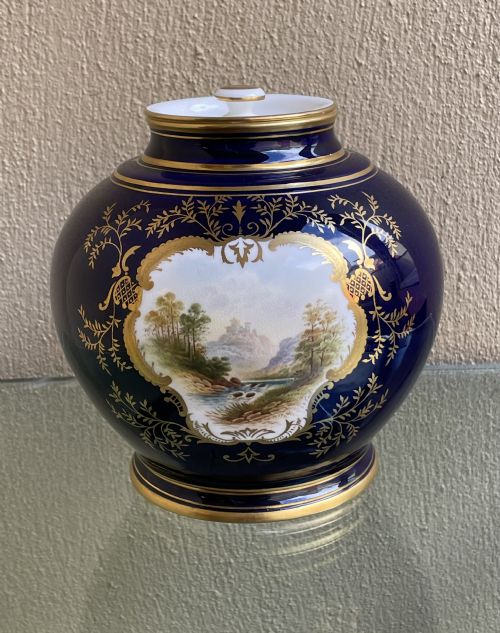


Antique English Porcelain Jar
These antique English porcelain jar examples span centuries of ceramic artistry, offering sophisticated containers that bring traditional elegance to any interior.
Antique English Porcelain Jar
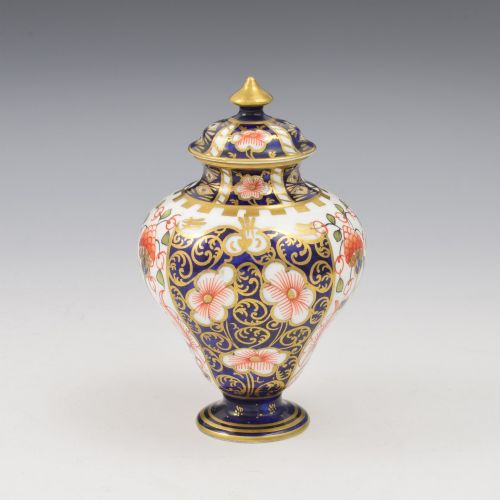
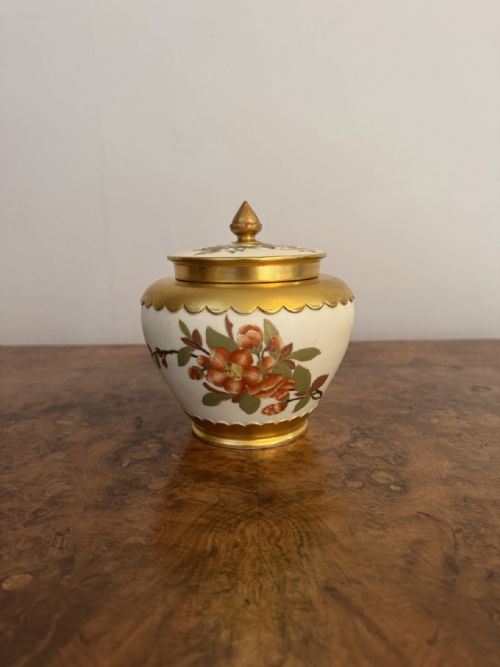
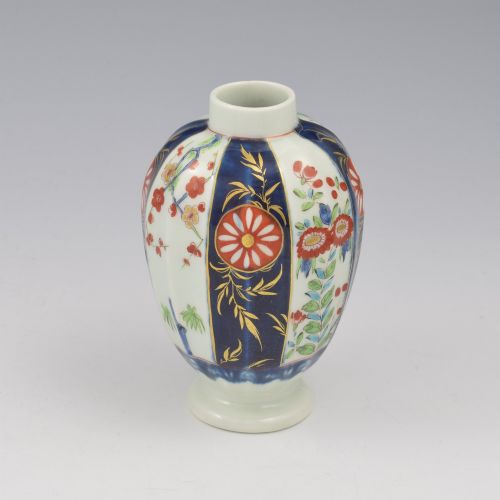
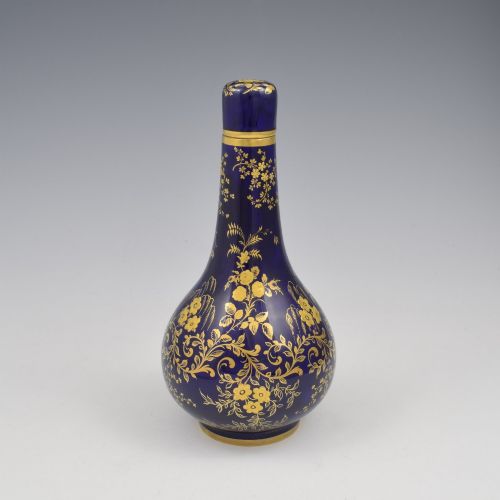
When buyers search for an antique English porcelain jar, they examine vessels designed for holding tea, potpourri, or decorative arrangements. The forms range from lidded pots and canisters to covered vases produced across the eighteenth, nineteenth, and twentieth centuries.
The selection on this page includes pieces from periods such as the Georgian and Victorian eras, alongside later twentieth-century creations. These vessels often feature fitted covers and decorative bodies suited for display or dry storage.
Materials and construction
Makers utilised porcelain and soft-paste porcelain as the primary body materials, sometimes employing ironstone for robustness in larger forms. Glaze seals the porous ceramic base before surface decoration is applied.
Decoration often incorporates enamel pigments, gold leaf, gilding, and gilt accents. Artisans painted motifs by hand or shaped the clay into intricate lidded urns and vases.
Listings feature porcelain, ironstone, and soft-paste porcelain, decorated with enamel and gold leaf across the Georgian, Victorian, and Edwardian periods.
Assessing quality and craftsmanship
Quality rests upon the fineness of the porcelain body and the precision of the hand-painted details. Finer examples display delicate brushwork by named artists and evenly applied gilding that endures across generations.
The sophistication of the moulded form and the crispness of the transfer or enamel work distinguish standard production pieces from masterworks. Balance in proportion between the jar and its cover also dictates visual success.
Royal Crown Derby·Royal Worcester·Coalport·Chamberlain Worcester·Samuel Alcock
The Antique English Porcelain Jar Glossary
- Potpourri pot
- A lidded vessel perforated to release the scent of dried flowers and spices placed within. These pieces often feature elaborate pierced covers.
- Soft-paste porcelain
- An artificial porcelain composition fired at lower temperatures than hard-paste, common in eighteenth-century English factories. It yields a warm texture beneath the glaze.
- Gilding
- The application of gold leaf or gold paint to highlight rims, handles, and painted panels. High-quality gilding retains its metallic lustre after centuries.
- Tea canister
- A small lidded jar traditionally used for storing dry tea leaves before caddies became widespread. They frequently display cylindrical or octagonal silhouettes.
Antique English Porcelain Jar: Frequently Asked Questions
What were porcelain jars used for?
These vessels served practical and decorative functions in historic homes, primarily holding dry goods like tea or releasing botanical fragrances as potpourri.
Over time, their roles shifted towards purely ornamental display on mantelpieces and side tables within traditional interiors.
How do I identify an eighteenth-century piece?
Early pieces often display soft-paste porcelain bodies with hand-painted underglaze blue decoration or early enamel palettes.
Examining the foot rim and glaze pooling helps determine the manufacturing era alongside factory marks.
Are all lidded jars considered potpourri containers?
Not all lidded vessels held dried botanicals, as many functioned as tea canisters or general decorative ginger jars.
Perforations in the covers usually indicate vessels designed specifically to diffuse scents into a room.
How should I clean my porcelain jar?
Dusting gently with a dry, soft cloth remains the safest method for preserving delicate enamel and gilded surfaces.
Water and liquid cleaners risk damaging vulnerable overglaze decorations and historic gilding.