

Antique English China Plate
An antique english china plate brings hand-painted botanicals, transfer-printed castles, and gilded porcelain from past centuries directly to the table.
Antique English China Plate
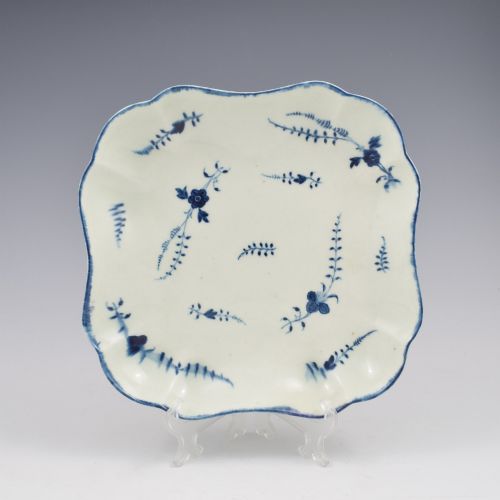
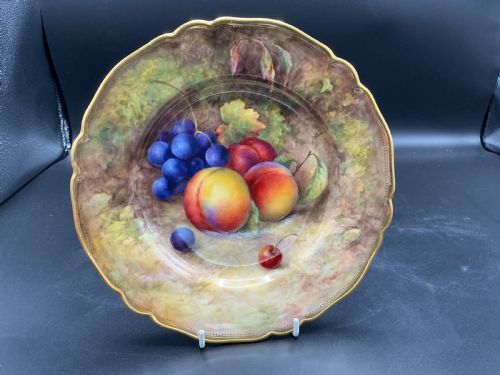
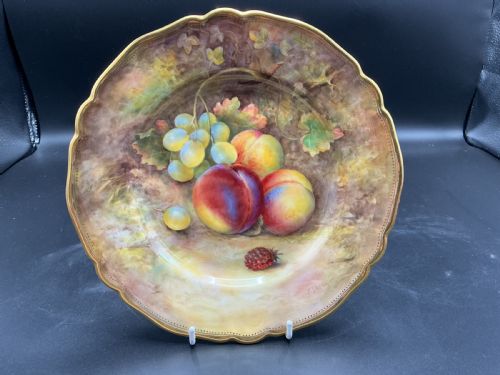
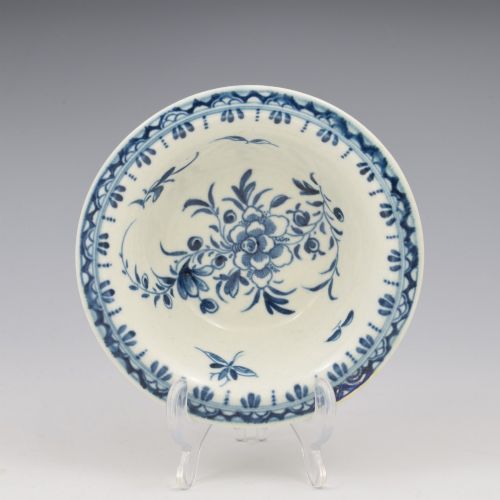
An antique english china plate spans utilitarian serving dishes and decorative cabinet pieces created across the eighteenth, nineteenth, and twentieth centuries. The selection encountered here ranges from early soft-paste porcelain and bone china to robust ironstone and stone china.
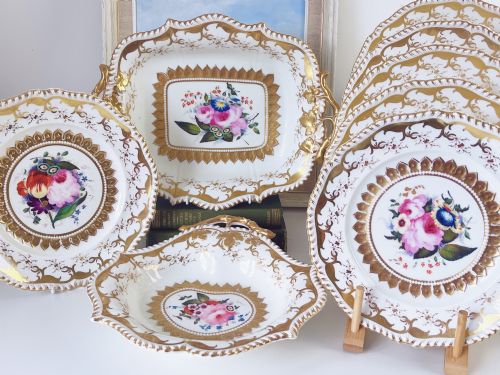
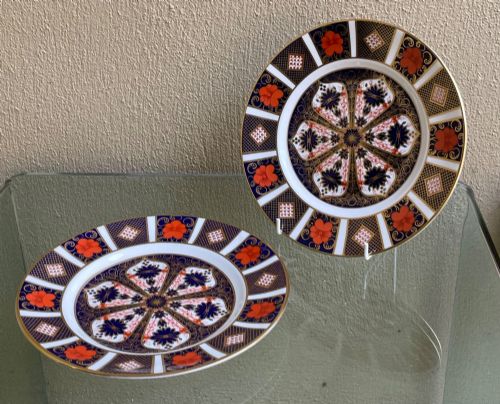
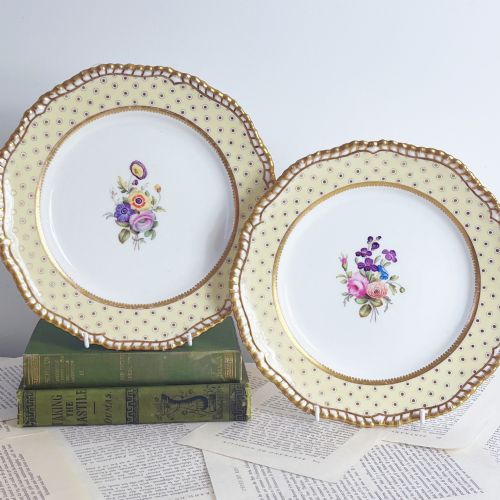
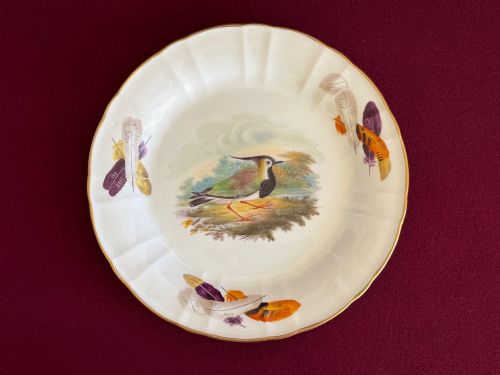
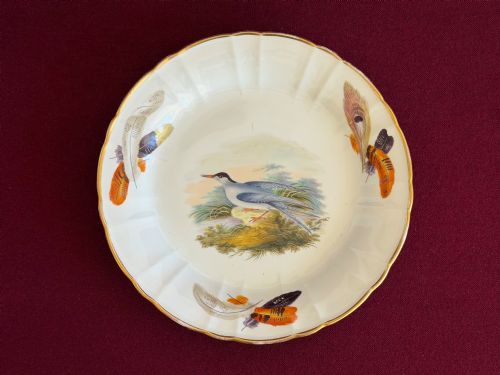
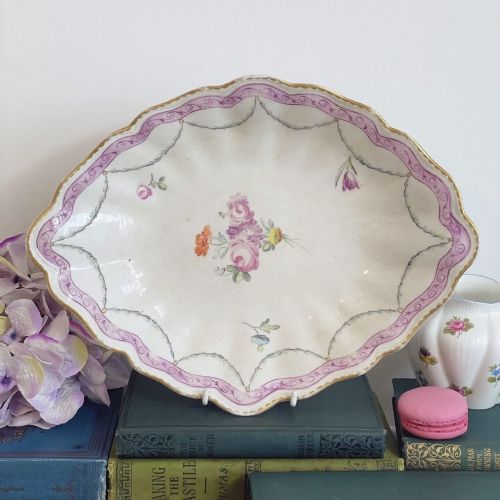
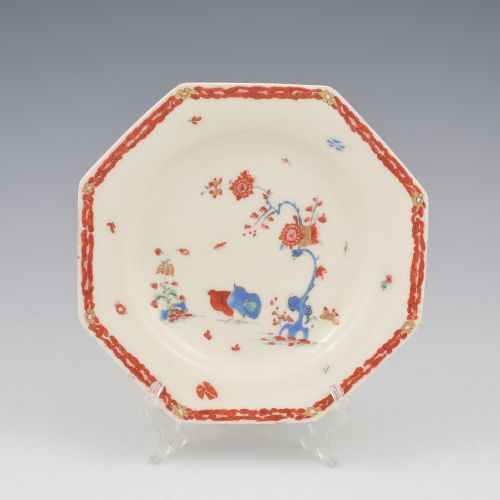
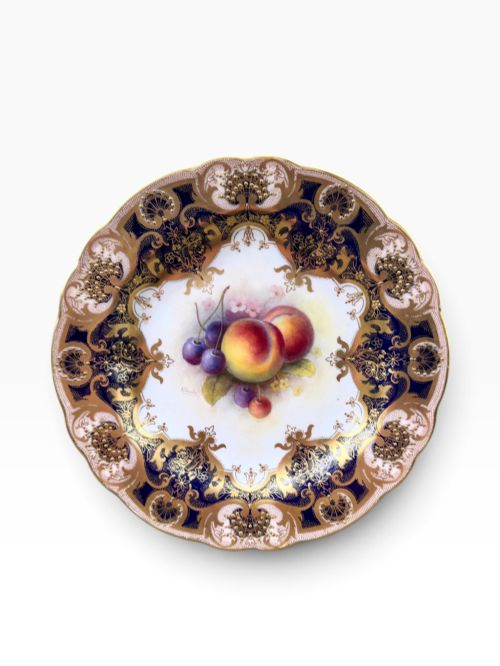
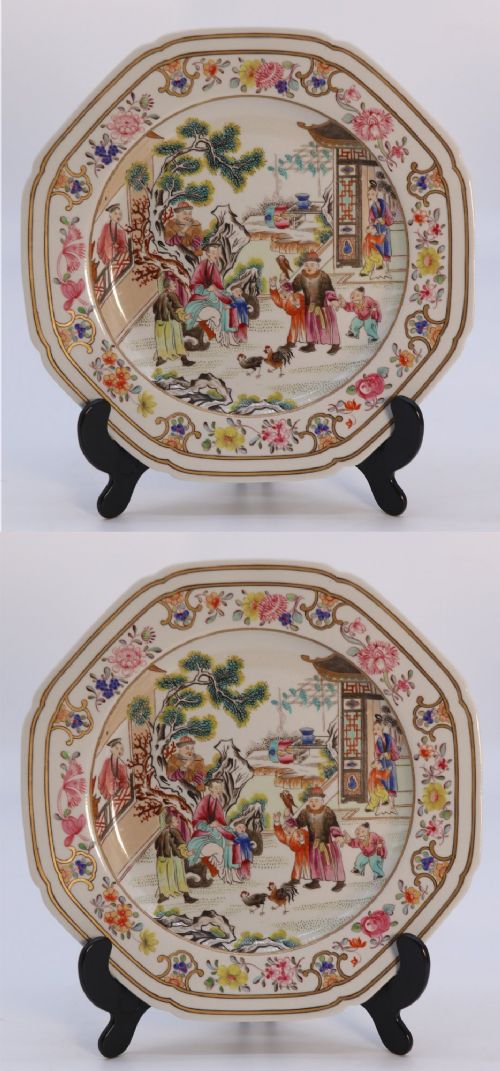
Forms include octagonal cabinet plates, tea plates, low comports, and dessert service dishes. Pieces originate from prominent periods such as the Georgian, Regency, and Victorian eras, often decorated with hand-painted flowers, birds, or Japanese styles.
Buyers will most frequently find nineteenth-century examples alongside early twentieth-century decorative wares. These objects functioned for formal dining, dessert courses, or purely as ornamental displays within the home.
Materials and Techniques
Potters utilised porcelain, bone china, earthenware, and ironstone as the primary bodies for shaping these vessels. Glaze sealed the porous clay surfaces, providing a smooth finish suitable for intricate decoration.
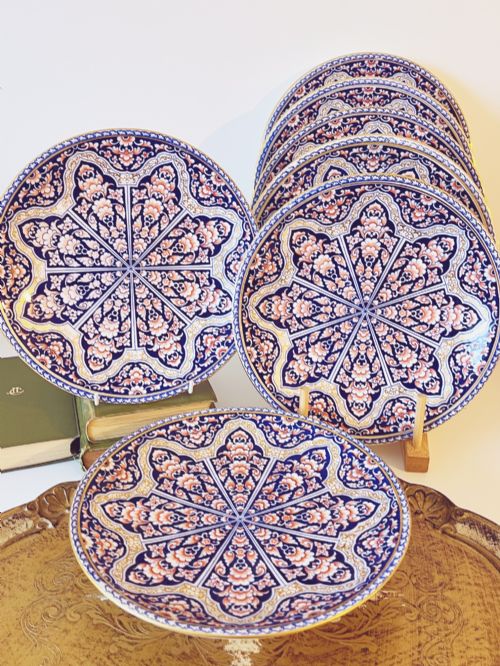
Decoration relied on hand-painted polychrome pigments, enamel work, and transfer printing. Artisans applied gold leaf, gilt, and gilding to rims and borders to elevate the visual finish.
Kiln firing set the glazes and fixed the hand-painted motifs, while specialised marks stamped or painted underneath recorded the maker and period.
Early potters painted fancy birds and tiny tart pans with such devotion that the pastries vanished centuries ago, leaving only the porcelain behind.
Distinctions in Quality
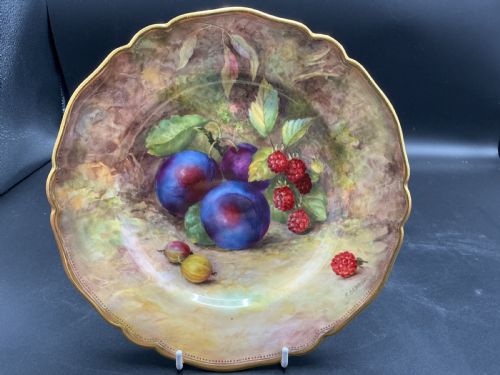
Quality depends upon the precision of the hand-painted brushwork and the refinement of the ceramic body. Pieces featuring detailed studies of fruit, birds, or botanical subjects by known artists command greater attention.
The crispness of transfer-printed scenes and the generous application of gold leaf or gilding distinguish finer cabinet plates from standard service wares. The integrity of the glaze and the overall balance of the form dictate the standard of execution.
Grainger Lee And Co·Royal Crown Derby·Spode·H And R Daniel·Wedgwood·Derby·Royal Worcester·Dr Wall Worcester·Chamberlains Worcester·Minton·John Davenport·Coalport·New Hall·Royal Doulton·Copeland
The Antique English China Plate Glossary
- Bone China
- A type of soft-paste porcelain incorporating bone ash for strength and translucency. It became a staple of English ceramic production from the late eighteenth century onward.
- Cabinet Plate
- A decorative plate intended primarily for display in a cabinet or on a wall rather than for daily dining use. These often feature elaborate hand-painted scenes.
- Ironstone China
- A heavy, durable type of earthenware patented in the early nineteenth century. It offered a resilient alternative to porcelain for heavy-duty service dishes.
- Gilding
- The application of gold leaf or gold powder to ceramic surfaces, typically along rims and borders. It provides a reflective, ornamental edge.
- Transfer Printing
- A method of transferring a design from an engraved copper plate to ceramic ware using paper and ink. This technique allowed for consistent and intricate blue and white patterns.
Antique English China Plate: Frequently Asked Questions
How were antique dessert plates used?
Dessert service plates were brought out at the conclusion of a formal meal specifically for fruit, sweetmeats, and confections. They formed part of larger matched sets that included comports and serving dishes.
These pieces were handled with care and often displayed on sideboards when not in active service. Their intricate paintings provided a conversational focal point for guests after dinner.
Can I use these plates for dining?
While these ceramics were originally created for functional dining or dessert use, modern owners generally treat antique porcelain and earthenware with caution. Hand-washing is essential to protect delicate enamels, hand-painted details, and fragile gilding.
Many collectors prefer to reserve delicate cabinet plates for display rather than everyday meals. Robust ironstone pieces tolerate light use better than early soft-paste porcelain.
How do I identify eighteenth-century pieces?
Early pieces often display soft-paste bodies with subtle surface imperfections and translucent qualities when held to the light. Hand-painted underglaze blue marks or specific factory ciphers help pinpoint the origin and date.
Decoration styles from this era frequently drew inspiration from Chinese export porcelain or Japanese Kakiemon patterns. Weight, glaze pooling, and potting thickness also offer clues to earlier production methods.
What is an ironstone low comport?
A low comport is an elevated serving dish used to present fruit or sweet dishes centrally on a dining table. Ironstone provided the heavy, durable body required for sturdy daily service.
These vessels often feature bold transfer-printed or hand-painted 'Japan' patterns incorporating rich iron-reds, blues, and gilt highlights. Their sturdy construction made them popular throughout the nineteenth century.