
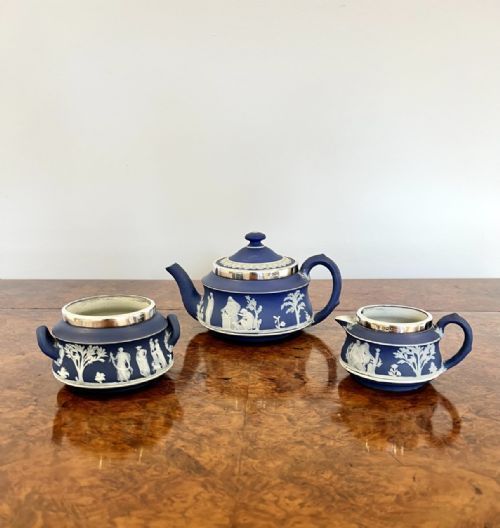


Antique English Ceramic Teapot
An antique english ceramic teapot brings centuries of social ritual and tactile artistry directly to the table.
Antique English Ceramic Teapot
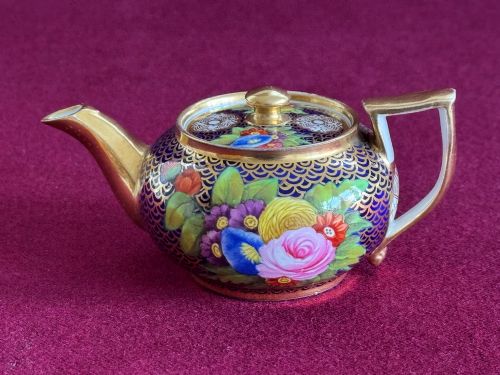
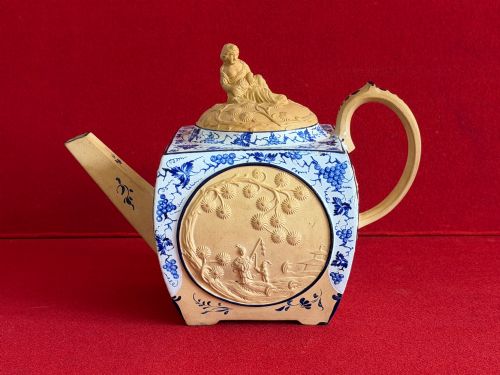
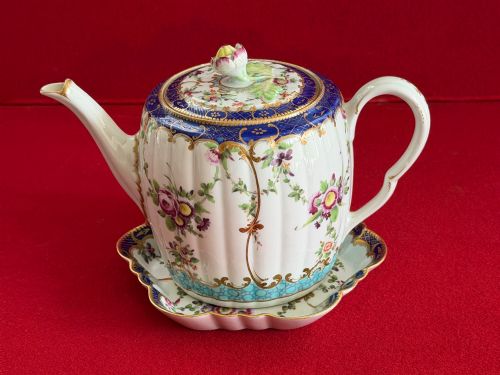
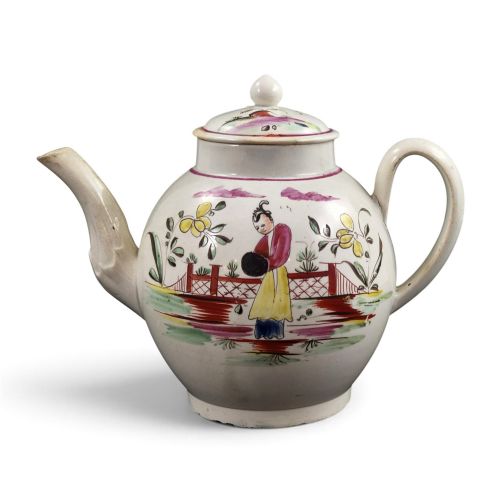
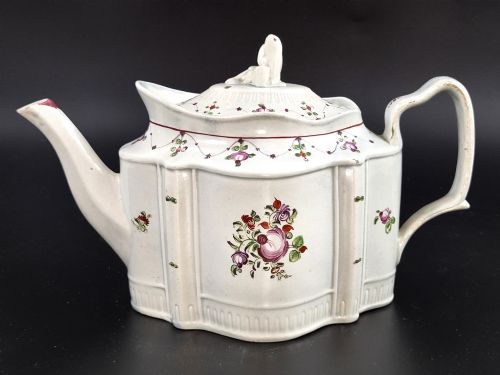
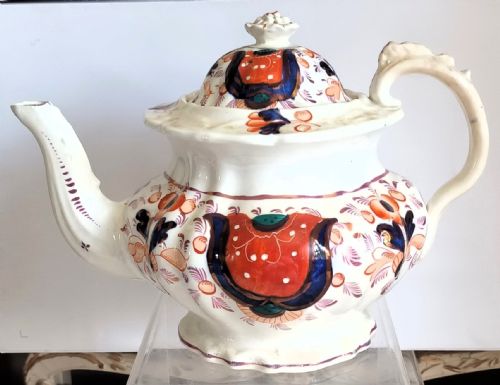
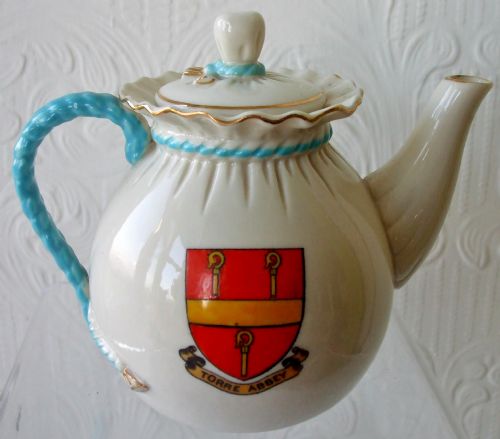
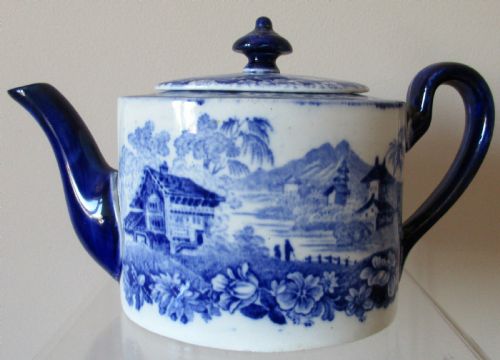
When you search for an antique english ceramic teapot, you encounter vessels shaped as barrels, commodes, and ovals across Georgian and Victorian periods.
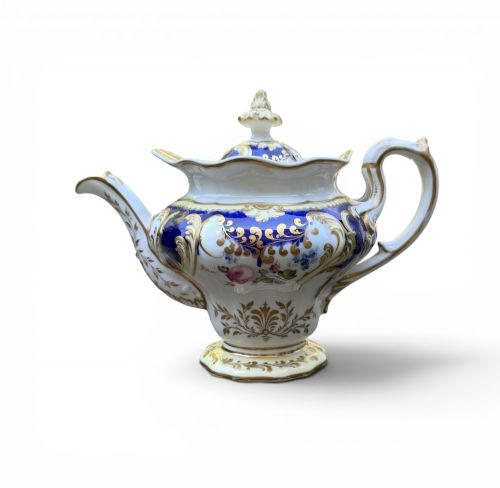
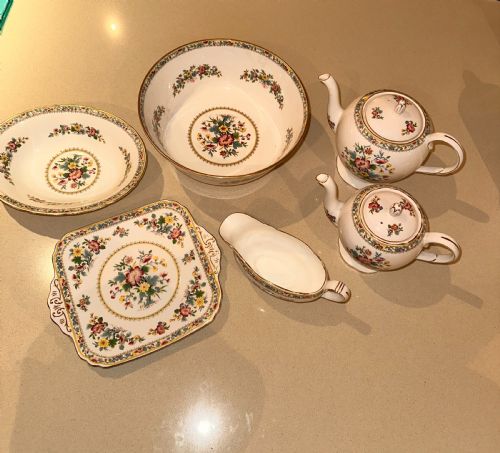
The version you are most likely to meet on this page is an 18th-century or 19th-century piece, often accompanied by stands or forming part of a larger tea set.
Originating from renowned English kilns, these vessels reflect shifting domestic tastes from neoclassical restraint to vibrant folk art and transfer-printed patterns.
Materials and technique
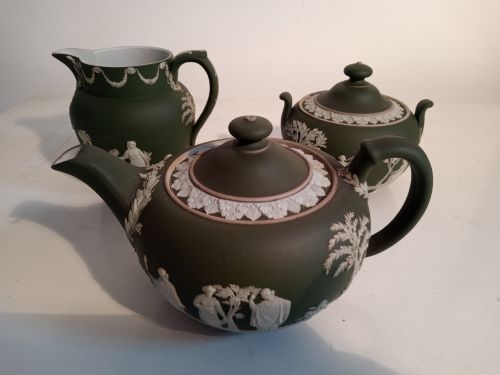
Potters built these vessels using creamware, earthenware, soft-paste porcelain, and stoneware, applying glazes and enamel painting by hand.
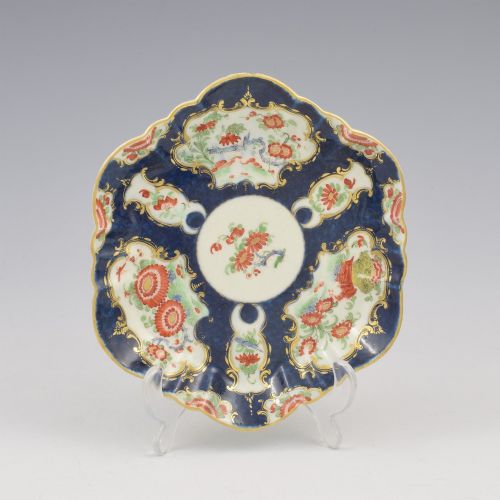
Transfer printing and gilding with gold leaf brought intricate motifs like Chinoiserie and blue-and-white pastoral scenes to the ceramic body.
Bargeware teapots boast delightfully oversized proportions and chunky applied motifs, built by canal folk who clearly took their tea very seriously.
Craftsmanship and condition
The top of the range is marked by crisp moulding, finely detailed hand-painted enamels, and intact original finials or covers.
Lesser examples show blurred transfer prints, heavy potting, or losses to delicate applied details like flower-head knops and spouts.
Thomas Wolfe Staffordshire·Philip Christian Liverpool·Mintons·Wedgwood·Royal Worcester
The Antique English Ceramic Teapot Glossary
- Creamware
- A refined earthenware developed in the 18th century, known for its warm, pale yellow hue and smooth lead glaze.
- Soft-paste porcelain
- An artificial porcelain mixture fired at lower temperatures, characteristic of early English factories before bone china became standard.
- Transfer printing
- A technique where an engraved copper plate transfers a design onto paper and then onto the ceramic surface for firing.
- Chinoiserie
- A European decorative style reflecting Chinese artistic influences, frequently seen on 18th-century porcelain teapots.
- Basalt
- A fine-grained, unglazed black stoneware perfected by Josiah Wedgwood in the late 18th century.
Antique English Ceramic Teapot: Frequently Asked Questions
How do I date an antique ceramic teapot?
Dating relies on identifying the paste, glaze, and decorative style, alongside any factory marks or printed patterns recorded on the base.
Comparing the shape and handle configuration with documented factory output from periods like the Georgian era helps narrow the decade of production.
Can I still use my antique teapot for tea?
While these ceramics survived centuries intact, thermal shock from boiling water can crack fragile historical bodies or craze old glazes.
Collectors generally treat them as display objects or use them with caution for gentle service rather than daily brewing.
What is a solitaire or bachelor teapot?
These smaller teapots were made to serve a single person, often forming part of a compact tea set with a matching cup and saucer.
They offer a charming glimpse into private domestic routines of the Georgian and Victorian periods.
How should I clean my antique teapot?
Dust gently with a soft, dry cloth and avoid immersing older ceramics in water if they possess fragile enamel or gilded decorations.
Harsh detergents and scrubbing will damage the historic glaze and wear away hand-painted patterns.