
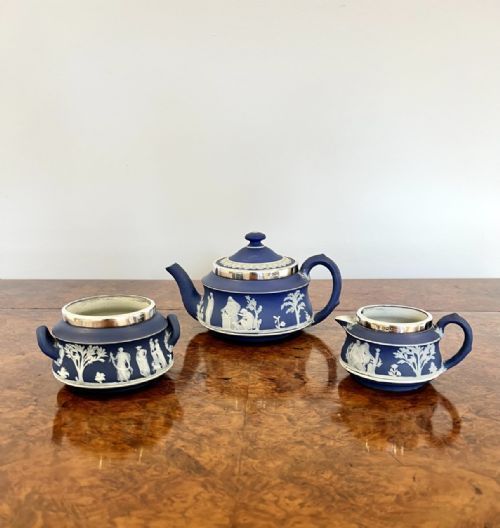


Cobalt Blue Ceramic Teapot
These cobalt blue ceramic teapots span the Georgian and Victorian eras, offering rich underglaze decoration and fine porcelain construction for daily use or display.
Cobalt Blue Ceramic Teapot
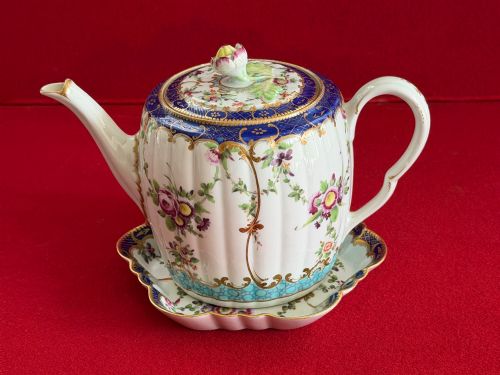
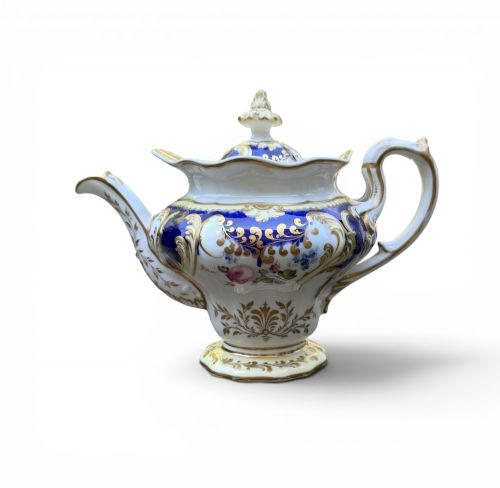
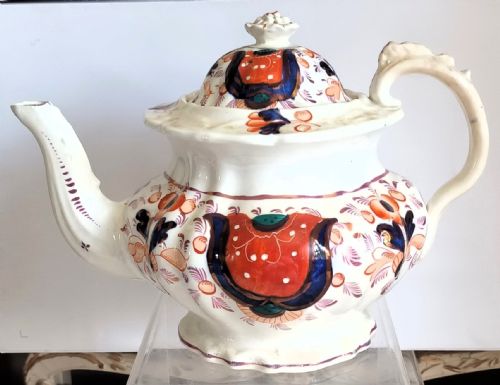
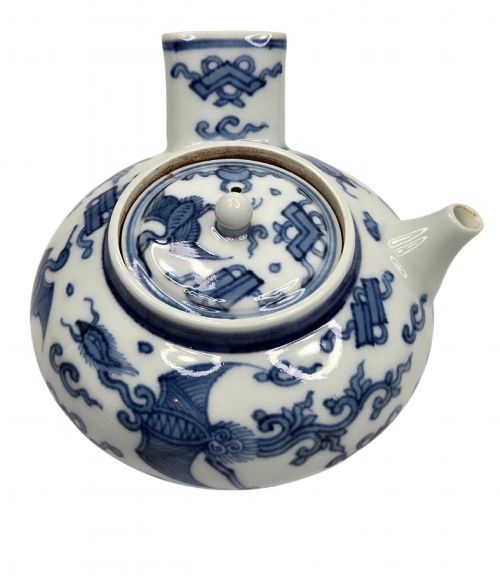
A cobalt blue ceramic teapot brings together deep blue mineral pigments and high-fired ceramic bodies across the Georgian and Victorian periods. These pieces range from standard domestic tea vessels to miniature child's tea services and larger tea sets.
Buyers will encounter various forms on this page, including barrel-shaped porcelain bodies and oriental-inspired ewers. The selection covers English factories alongside Japanese and Chinese styles.
The aesthetic shifts from classical Regency proportions to elaborate Victorian and Rococo revival designs. Each piece reflects the dominant ceramic fashions of its specific decade.
Materials and production methods
Makers utilised porcelain and earthenware bodies, applying cobalt underglaze pigments before the final high-temperature firing. This technique allowed the rich blue colour to fuse permanently beneath the transparent glaze layer.
Many examples incorporate supplementary decoration such as gold leaf, gilding, and lustre glaze accents. Silver mounts occasionally appear on Victorian pieces to reinforce handles and rims.
The documented periods span the Georgian, Regency, Victorian, and Edwardian eras.
Assessing quality and execution
Quality reveals itself in the precision of the cobalt underglaze painting and the crispness of the moulded ceramic form. Finer pieces demonstrate careful control during the kiln firing, avoiding blurred pigment lines or warped spouts.
The presence of supplementary materials like hand-applied gilding or integrated silver mounts elevates a piece. Maker attribution and the preservation of original matching stands or covers further distinguish standard domestic items from finer productions.
Copeland·Wedgwood·Royal Davenport·Masons·Mintons·Royal Crown Derby
The Cobalt Blue Ceramic Teapot Glossary
- Cobalt Underglaze
- A mineral pigment applied to the ceramic body before glazing and firing. This method protects the blue colour from wear during daily use.
- Porcelain
- A dense, hard ceramic material fired at high temperatures. It rings when struck and allows for thin, refined vessel walls.
- Ironstone
- A durable type of earthenware patented in the nineteenth century. It provides the strength of stoneware with the refined appearance of porcelain.
- Lustre Glaze
- A metallic film applied over the fired glaze to create an iridescent sheen. It reflects light with a coppery or silvery glow.
- Solitaire
- A small single-person tea service comprising a miniature teapot, cup, and saucer. These compact sets were designed for private morning use.
Cobalt Blue Ceramic Teapot: Frequently Asked Questions
How do I date a blue and white teapot?
Dating relies on examining the ceramic body, glaze characteristics, and any factory marks stamped on the base. Stylistic clues such as handle shapes and decorative motifs also point to specific decades.
Comparing the blue pigment application helps separate earlier hand-painted examples from later transfer-printed productions.
Can I use these antique teapots for serving tea?
Many of these pieces were made as functional vessels and remain structurally sound for brewing tea. However, thermal shock can damage older ceramics, so gentle warming is necessary.
Pieces with delicate overglaze gilding or precious metal leaf are better suited for display rather than daily service.
What is the difference between porcelain and ironstone?
Porcelain is vitrified, non-porous, and frequently translucent when held to the light. It offers a delicate appearance despite its structural strength.
Ironstone is a heavier earthenware compound developed for durability. It remains opaque and withstands heavier handling.
Why do some teapots include stands?
Teapot stands protected polished wooden tabletops from heat and moisture rings during tea service. They were often thrown or moulded as matching sets alongside the main vessel.
Retaining the original stand significantly enhances the completeness and historical interest of the piece.