



Antique English Blue Tableware
Antique english blue tableware brings together transfer-printed earthenware, porcelain and ironstone from the Georgian, Regency and Victorian eras for everyday dining and display.
Antique English Blue Tableware
Antique english blue tableware encompasses functional dining and serving items produced across the eighteenth and nineteenth centuries, spanning everything from plates and tea services to tureens, sauce boats and egg cups.
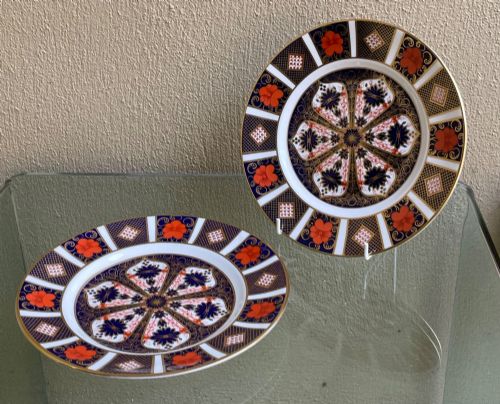
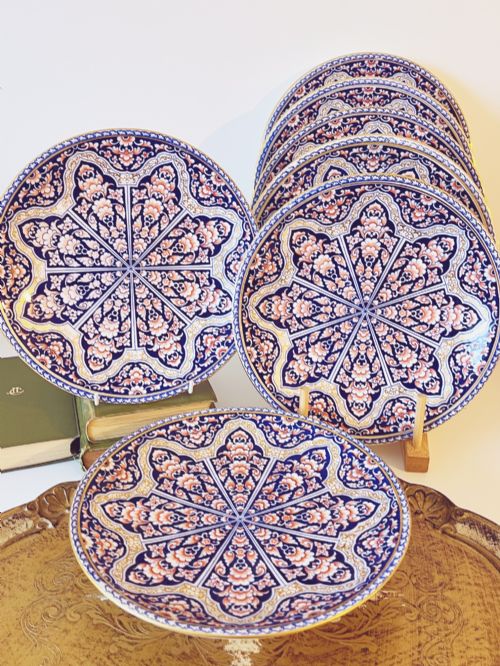
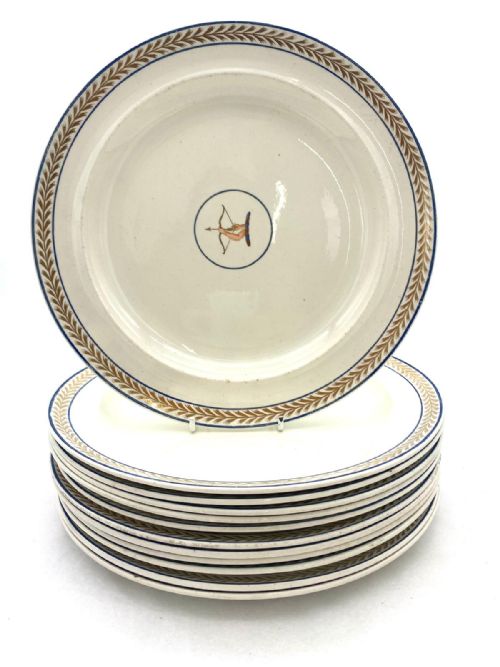
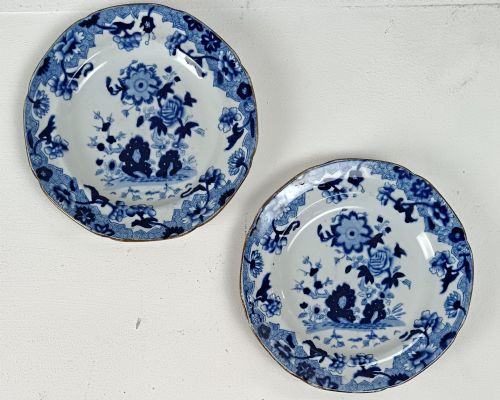
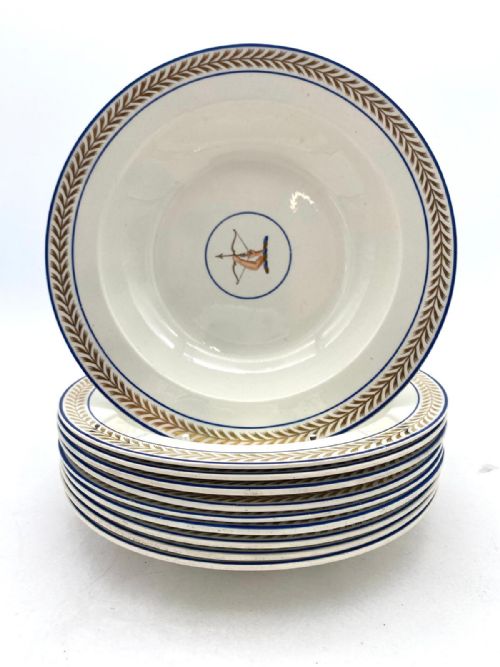
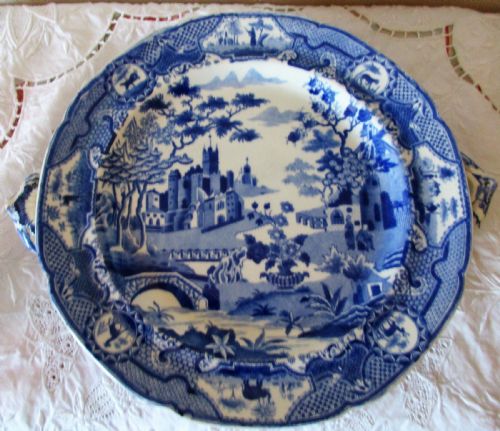
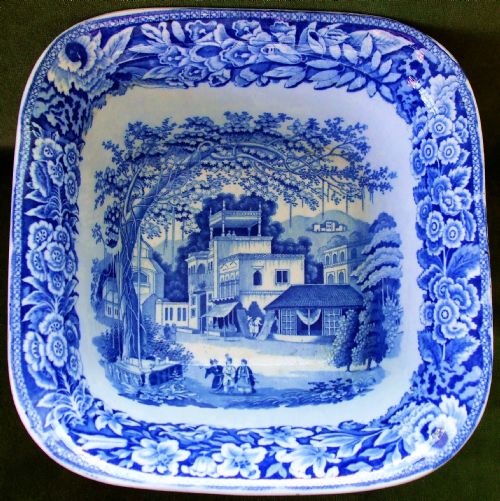
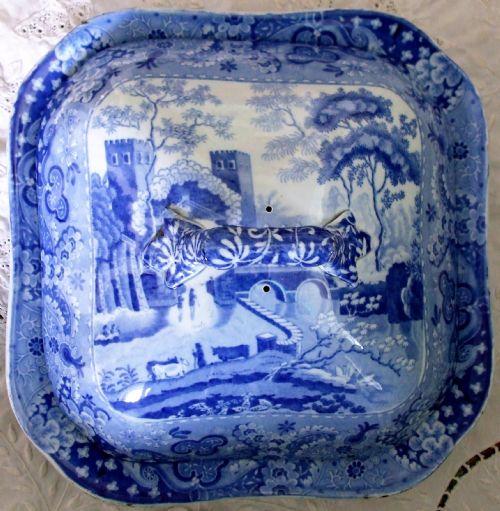
The pieces most frequently met on this page are transfer-printed pottery items featuring pictorial transfer designs like Gothic Castle, Eastern Street Scene and Europa, alongside creamware and ironstone service pieces.
Makers and potteries from Staffordshire and beyond utilised rich cobalt pigments on earthenware and porcelain substrates, creating enduring household items that combined utility with detailed landscape or armorial decoration.
How they were made
Potters shaped earthenware, creamware, ironstone and porcelain bodies by hand or in moulds before applying underglaze blue transfer prints derived from hand-engraved copper plates.
The printed wares received a transparent glaze and a high-temperature kiln firing to fix the cobalt oxide design permanently beneath the glossy surface.
Select decorative elements on porcelain items incorporated hand-applied enamel colours and gold leaf accents over the fired glaze.
The listings span the eighteenth and nineteenth centuries, featuring earthenware, porcelain, ironstone and cobalt glass across utilitarian forms and decorative services.
What varies in quality
Quality rests in the crispness of the transfer printing, where finer copper engravings yield sharp architectural lines and deep, even cobalt tones without smudging.
The refinement of the ceramic body itself dictates value, distinguishing thick utilitarian ironstone and earthenware from translucent, delicately potted porcelain bodies.
Completeness within sets, matching registry marks and the presence of original covers or ladles elevate individual serving dishes and tureens.
Royal Crown Derby·Wedgwood·Spode·J. and R. Riley·J. and R. Clews·Mintons·Doulton Lambeth·Grainger and Co·Coalport·Caughley·William Adams·Chamberlain Worcester·Copeland and Garrett
The Antique English Blue Tableware Glossary
- Transferware
- Pottery decorated by applying a paper transfer printed from an engraved copper plate onto the ceramic body. This technique allowed intricate pictorial scenes like castles and street views to be reproduced consistently.
- Creamware
- A refined earthenware developed in Yorkshire and Staffordshire featuring a warm, pale yellow or cream-coloured glaze. It gained widespread popularity during the eighteenth century for both dinner and tea services.
- Ironstone
- A dense, heavy ceramic paste patented in the early nineteenth century to imitate Chinese porcelain while offering superior durability. It serves as the sturdy material behind many nineteenth-century tureens and dinner plates.
- Tureen
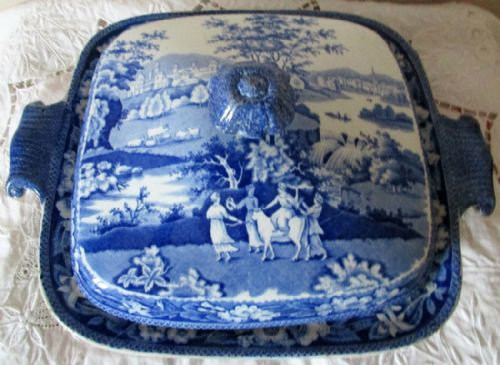
- A deep covered dish used for serving soups, sauces or vegetables at the table. These vessels often include matching stands, ladles and ornamental handles.
- Paste
- The basic ceramic body material used in pottery and porcelain manufacture. The composition of the paste determines whether a piece is classified as soft-paste porcelain, hard-paste porcelain or earthenware.
Antique English Blue Tableware: Frequently Asked Questions
Are antique blue and white plates safe for daily dining?
Most nineteenth-century earthenware and ironstone pieces can handle careful hand washing, though age-related hairline cracks or glaze crazing mean many collectors prefer to use them for display.
Porcelain and ironstone items from the Georgian and Victorian eras generally possess robust ceramic bodies, but abrasive dishwashers and modern detergents will damage historic glazes over time.
How do I identify the date of transferware pottery?
Makers frequently stamped their names, pattern titles or registry marks directly into the unglazed base of plates, tureens and serving dishes. Comparing these backstamps with known factory timelines reveals the precise decade of manufacture.
Stylistic clues such as floral borders, romantic landscape motifs and the weight of the ceramic body also help narrow down whether a piece originates from the Georgian or Victorian period.
What is the difference between ironstone and porcelain?
Ironstone is a heavy, opaque earthenware developed to resist chipping, making it exceptionally practical for nineteenth-century dinner services and large serving tureens.
Porcelain is a vitrified, fine-grained ceramic that transmits light through thin walls, often reserved for delicate tea cups, dessert services and decorative plates.
How were tureens used in historic dining?
Tureens held soups, sauces or steamed vegetables at the centre of the dining table during formal multi-course meals. Servants brought the covered vessels from the kitchen to keep contents warm before serving guests.
Matching ladles allowed diners or hosts to spoon portions onto individual plates, while the accompanying stands protected polished tabletops from heat.