


Nineteenth Century Spode Ceramics
Nineteenth century spode ceramics are refined English tableware and decorative pieces that bring historical elegance and intricate craftsmanship to a collector's table.
Nineteenth Century Spode Ceramics
Nineteenth century spode ceramics encompass a wide variety of domestic objects, from functional dinner plates and tea plates to decorative vases and basins. These items originate from periods including the Georgian, Regency, and Victorian eras, reflecting shifting aesthetic tastes across the decades.
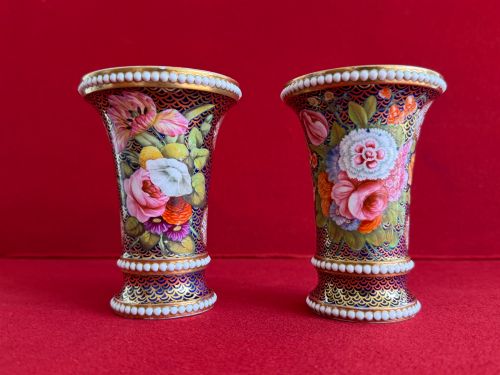
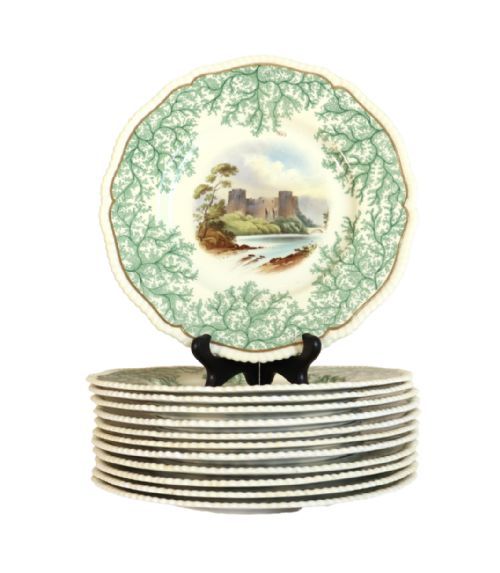
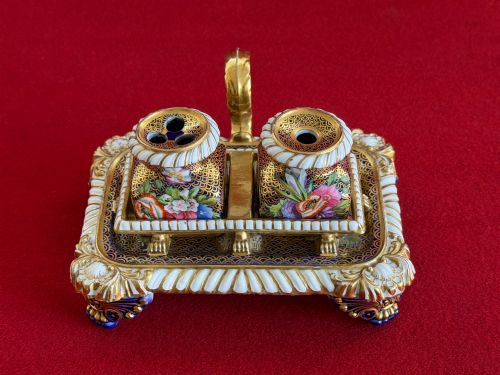
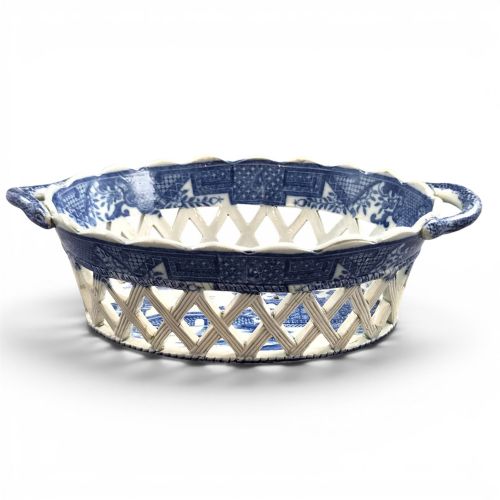
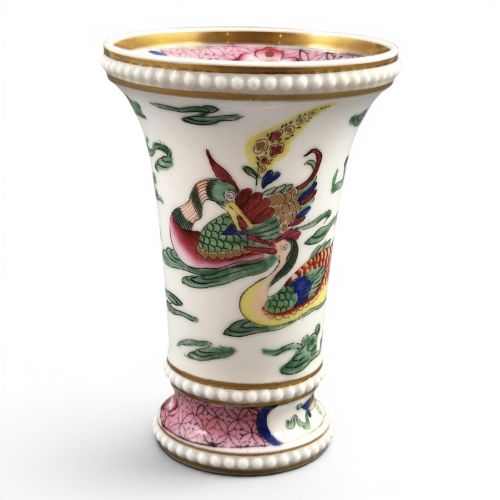
The objects frequently encountered on this page include dinner plates featuring detailed border scenes, reticulated chestnut baskets, and spill vases adorned with specific pattern numbers. Buyers will also discover specialised items such as porcelain inkstands, footbaths, and sucriers.
Most pieces date from the early nineteenth century under the Regency style, though mid-Victorian examples also appear in the listings. Their origins lie in traditional English pottery and porcelain manufacturing, capturing the industrious spirit of the era.
How they were made
Potters utilised fine materials such as bone china, pearlware, earthenware, and specialised compositions like Felspar porcelain and New Stone. These substrates provided a durable and smooth foundation for subsequent decoration.
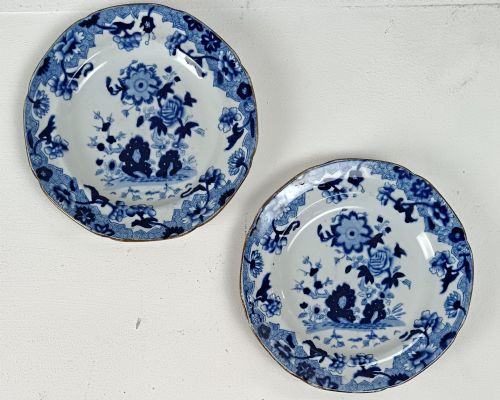
Decoration relied heavily on blue and white transfer printing, hand-applied enamel colours, and delicate applications of gold leaf and gilt. Master artisans also formed intricate reticulated patterns in baskets and shaped vessels through careful moulding and piercing.
Early nineteenth century ducks and lotus flowers swim across spill vases, proving that Regency households took their pond life very seriously indeed.
What varies in quality
The refinement of the paste and the clarity of the transfer printing dictate the visual standard of a piece. Finer porcelain bodies and crisp, detailed pattern execution distinguish superior examples from standard utilitarian wares.
The sophistication of the hand-painted enamels and the preservation of gilt highlights also influence the standing of an item. Pieces featuring named patterns with documented provenance or armorial crests represent the more ambitious output of the factory.
Spode·Copeland
The Nineteenth Century Spode Ceramics Glossary
- Pearlware
- A refined earthenware developed with a bluish glaze that pooled in recesses, creating a bright appearance. It served as a popular canvas for early nineteenth century blue and white transfer printing.
- Bone china
- A hard-paste ceramic incorporating bone ash, yielding a durable and translucent body. It allowed manufacturers to produce thinner, more elegant tea wares and decorative vessels.
- Felspar porcelain
- An innovative ceramic body introduced to improve the strength and whiteness of tableware. It provided an excellent surface for rich enamel decoration and gilding.
- Reticulated
- Describes an openwork lattice or net-like design carved into the clay before firing. This technique appeared on decorative baskets and chestnut stands to create a lightweight, ornamental effect.
- Sucrier
- A covered vessel designed specifically for holding sugar during tea service. These often matched larger tea and dinner sets produced in the factory.
Nineteenth Century Spode Ceramics: Frequently Asked Questions
What are nineteenth century spode ceramics?
Nineteenth century spode ceramics are historical English pottery and porcelain items produced by the Spode works and its successors. They include tableware, decorative vessels, and household items made during the Georgian, Regency, and Victorian periods.
These pieces are celebrated for their technical innovation, particularly in transfer printing and bone china development. Collectors value them for their historical association and decorative versatility.
How do I identify a spode pattern?
Identifying a Spode pattern often involves looking for impressed or printed factory marks on the underside of the piece. Many items also feature specific pattern numbers painted or printed in the glaze.
Reference books and historical catalogues help match these numbers and visual motifs to known production records. Distinctive borders and transfer scenes further aid in proper attribution.
Were these pieces used daily?
Many nineteenth century spode ceramics, such as dinner plates and tea plates, were made for active use in domestic dining. Sturdier earthenware and New Stone bodies handled regular service at the table.
Finer porcelain items and decorative vases were typically reserved for display or formal occasions. Today, surviving examples reflect both everyday domestic life and high-status entertaining.