
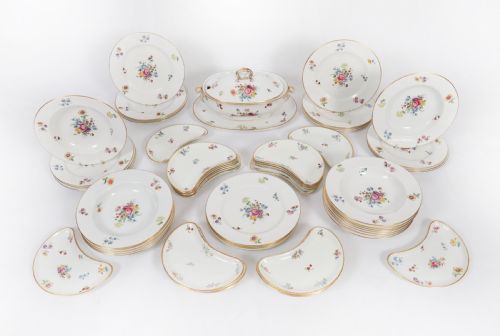
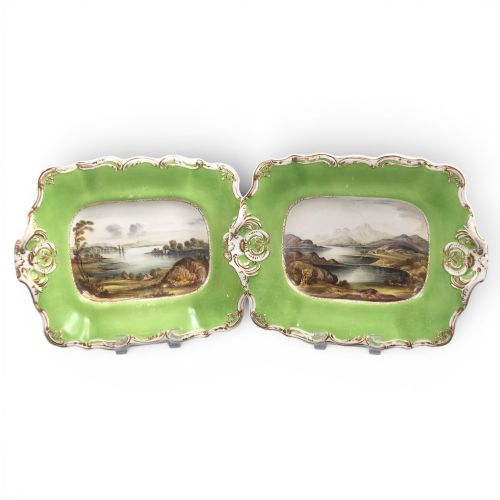


Antique Spode China Plates
Antique spode china plates bring enduring English artistry to the table, offering timeless patterns and robust materials that collectors prize.
Antique Spode China Plates
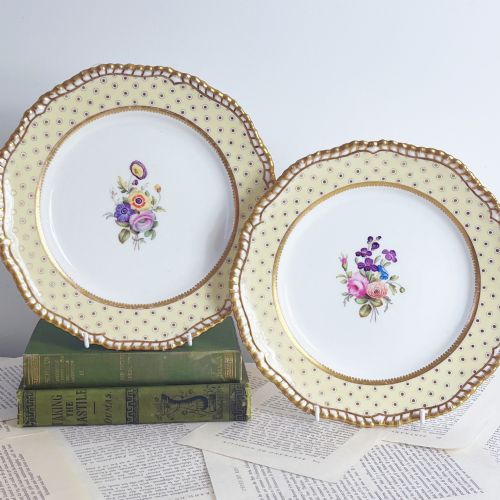
When searching for antique spode china plates, a buyer enters a world of fine ceramics spanning the Georgian and Victorian eras. These pieces range from delicate hand-painted cabinet plates to robust transfer-printed tea and dessert plates.
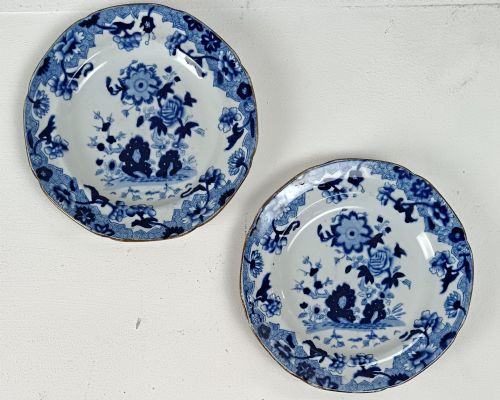
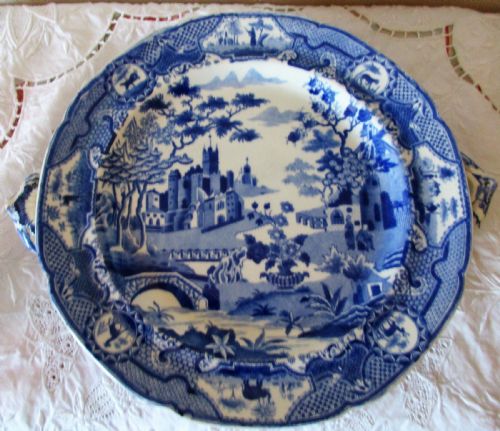
The selections on this page frequently include iconic blue and white transfer designs alongside rich armorial patterns and Felspar compositions. Most examples originate from the nineteenth century, reflecting the pivotal manufacturing shifts of the period.
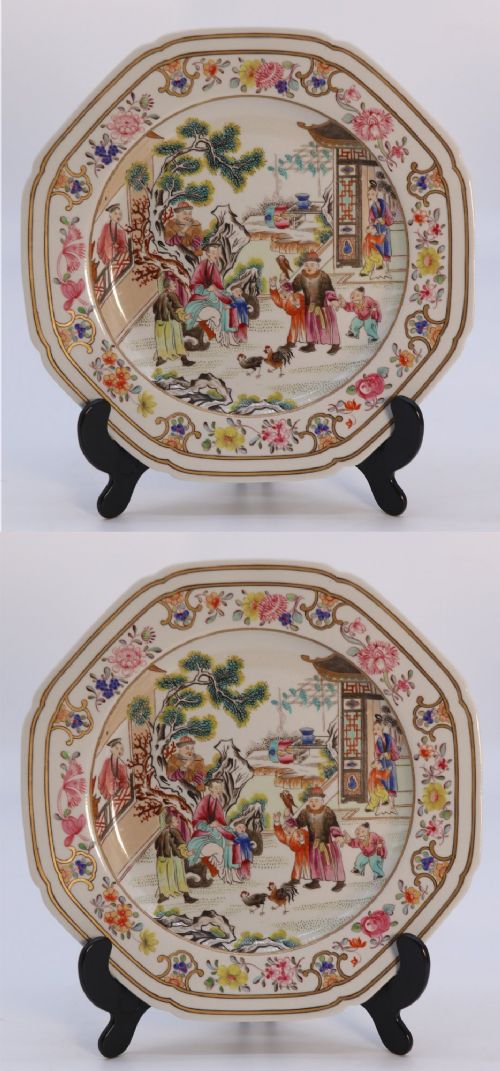
Collectors encounter various forms including octagonal cabinet plates, hot-water plates, and extensive dinner services. Each iteration demonstrates the practical elegance required for formal dining and decorative display in past centuries.
How they were made
Potters utilised refined earthenware, stone china, and porcelain bodies, shaping them into durable tableware suited for everyday dining and display. Cobalt ink provided the vibrant pigment for classic transfer-printed scenes transferred onto the ceramic surface before glazing.
Skilled artisans applied hand-painted details and gold leaf or gilt accents over the glaze to elevate specific cabinet and armorial pieces. Copeland and Garrett later continued these traditions, employing precise firing techniques to achieve consistent vitrification.
Listings feature nineteenth-century pieces spanning the Georgian, Victorian, and Edwardian periods, utilising porcelain, earthenware, and stone china.
What varies in quality
Quality separates through the crispness of the transfer printing and the precision of the hand-painted brushwork applied across the surface. Finer examples display meticulous alignment in complex motifs such as architectural views and armorial crests.
The choice of body material also dictates the grade, with translucent porcelain and dense stone china sitting above standard earthenware formulations. Preservation of the original gilt highlights and the clarity of the underlying glaze further distinguish superior pieces.
Spode·Copeland·Copeland and Garrett
The Antique Spode China Plates Glossary
- Cabinet plate
- A decorative ceramic dish intended primarily for display in a cabinet rather than for serving food at the table. These often feature elaborate hand-painted scenes or armorial crests.
- Stone China
- A durable, opaque ceramic body developed in the nineteenth century to rival imported Chinese porcelain. It combines the strength of earthenware with the refined finish of finer wares.
- Felspar
- A specific ceramic composition utilised by Spode to create a whiter, more translucent body resembling true porcelain. Items made from this material often date to the early nineteenth century.
- Transfer printing
- A mechanical decoration technique involving the transfer of an engraved design from a copper plate onto paper and then onto the ceramic body. This method allowed for intricate and repeatable blue and white patterns.
- Armorial plate
- A specialised ceramic piece decorated with a specific family crest or coat of arms. These were typically commissioned by prominent households for formal dining.
Antique Spode China Plates: Frequently Asked Questions
How do I date antique spode plates?
Dating relies on identifying specific backstamps, ceramic bodies such as stone china or felspar, and the recorded active years of the manufacturer. Stylistic shifts from Georgian transfer prints to Victorian armorial designs also provide clear chronological markers.
Examining the glaze composition and pattern numbers helps narrow the production window further. Reference guides detailing Spode and Copeland marks remain essential tools for accurate attribution.
Were these plates used for dining?
Many examples served practical functions in formal nineteenth-century dining, ranging from dessert courses to heavy dinner services. Hot-water plates were specifically designed with hollow interiors to keep food warm during lengthy meals.
Cabinet plates and armorial pieces, however, leaned more toward decorative display within the home. Traces of utensil wear on certain pieces confirm their active history at the dining table.
How do I care for antique spode?
Gentle hand washing in lukewarm water with mild soap preserves the delicate glazes and any applied gold leaf or gilt details. Modern dishwashers and harsh abrasives must be avoided to protect the historic ceramic body.
Storing pieces safely in padded racks or using felt dividers prevents chipping on fragile edges. Proper handling ensures these nineteenth-century ceramics survive intact for future generations.