


Antique Ceramic Side Plates
Antique ceramic side plates bring tangible history to the table, offering versatile serving vessels formed in porcelain, earthenware, and ironstone across diverse past eras.
Antique Ceramic Side Plates
When you search for antique ceramic side plates, you uncover smaller flat tableware items designed for tea, side dishes, or light service rather than principal dining. These pieces emerge from periods including the Georgian, Regency, and Edwardian eras, spanning earthenware, porcelain, and stone china bodies.
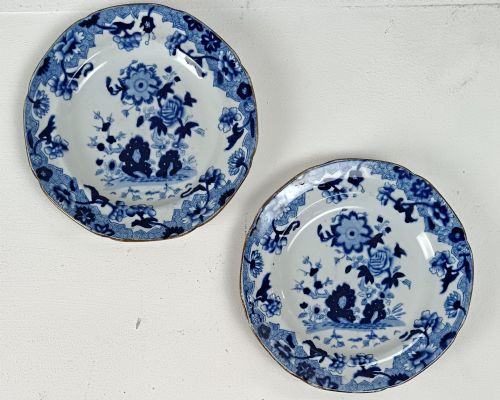
The versions you are most likely to meet on this page include blue and white transfer-printed tea plates, floral decorated porcelain dishes, and patterned ironstone plates. Many retain historical connections, ranging from English Staffordshire potteries to Japanese exports and European factories.
How they were made
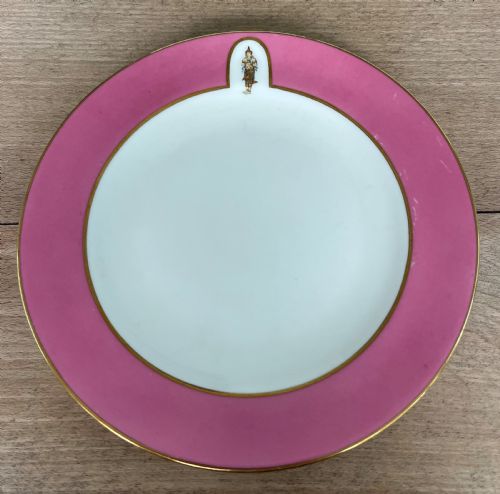
Makers shaped these plates using ceramic bodies like porcelain, earthenware, and ironstone, often enhancing the surfaces with transfer printing, hand-painted pigments, and enamel colours. Gilding and gold leaf frequently highlight borders and rims, applied during firing processes characteristic of their respective periods.
Factories utilised specialised techniques suited to their output, from the blue and white transferware methods of early English works to the detailed brushwork seen on Japanese and continental porcelain dishes.
Cattle and tigers rub shoulders in early nineteenth-century Staffordshire patterns, bringing surprisingly fierce livestock to your afternoon tea.
What varies in quality
The refinement of the ceramic body and the crispness of the transfer print or hand-painted detail distinguish different tiers of manufacture. Early porcelain bodies and careful overglaze enamel work separate standard utilitarian wares from superior artistic productions.
Provenance and specific factory attribution also influence the character of the plate, particularly where special commissions or known ceramic houses are concerned.
Spode·Cauldon Ltd·Paul Müller Selb·Royal Worcester·Kornilov Brothers·Doric China Longton Stafford·Minton·Masons·Davenport
The Antique Ceramic Side Plates Glossary
- Transferware
- A pottery decoration technique where a design is printed from an engraved copper plate onto tissue paper and then transferred onto the unglazed or bisque ceramic body.
- Ironstone
- A type of durable earthenware patented in the nineteenth century, designed to resist chipping while mimicking porcelain.
- Porcelain
- A hard, fine-grained ceramic material fired at high temperatures, known for its translucency and delicate appearance.
- Gilding
- The application of gold leaf or powdered gold to the surface of ceramics, typically accentuating rims and handles.
Antique Ceramic Side Plates: Frequently Asked Questions
How do I use antique side plates today?
These smaller plates suit serving bread, cake, or side portions during meals, integrating functional history into daily routines.
Their decorative surface patterns also allow them to be displayed on plate stands or walls when not in active use.
Can I put antique plates in a dishwasher?
Modern dishwashers expose fragile glazes, hand-painted enamels, and delicate gold leaf to harsh detergents and high heat, which can damage the surfaces.
Hand washing in lukewarm water with mild soap protects the ceramic body and preserves the historic decoration over time.
What is the difference between ironstone and porcelain?
Ironstone is a sturdy, opaque earthenware developed for strength and everyday resilience, possessing a heavier weight in the hand.
Porcelain is a vitrified, finer ceramic that often shows slight translucency when held to the light, typically associated with more formal service.
How do I identify the age of a plate?
Makers' marks stamped or painted on the underside provide primary clues, alongside the style of the transfer print and the composition of the ceramic body.
Comparing glaze characteristics and stylistic traits like those from Georgian or Edwardian periods helps narrow down the production era.