


19th Century Tea Plates
These 19th century tea plates and associated service pieces bring period character to the table, offering tangible history for daily use.
19th Century Tea Plates
When searching for 19th century tea plates, collectors encounter diverse items from the 1800s, 1850s, 1860s, 1870s, and 1880s. Alongside ceramic plates, the selection encompasses silver plate, base metal, copper, and mahogany serving pieces.
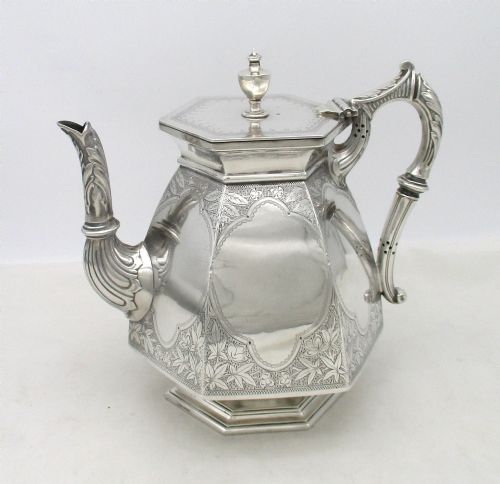
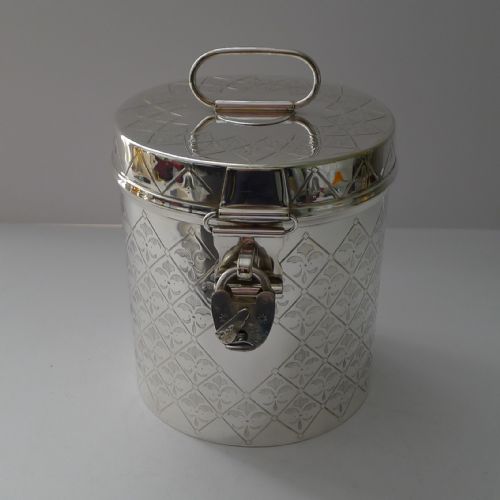
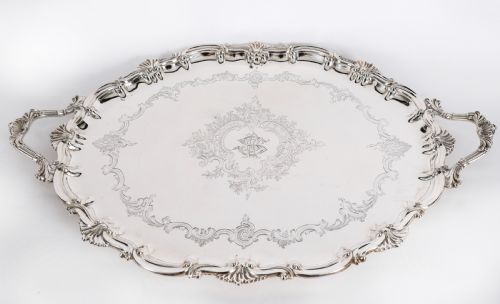
The offerings span various styles including Victorian, Regency, William IV, and the Aesthetic Movement. Functional items such as trays, salvers, coffee pots, teapots, tea caddies, and biscuit boxes form the core of these listings.
Distinctions in craftsmanship
The distinction between standard items and exceptional pieces rests in the crispness of applied ornamentation and the weight of the metal or ceramic. Heavier gauges of silver plate and robust timber construction indicate higher grade manufacture.
Maker attribution and clarity of marks elevate specific examples, while intricate hand-engraving or detailed chasing demonstrates superior workshop skill.
Materials range from old Sheffield plate and electroplated nickel silver to mahogany timber and stone china.
Thomas Bradbury and Sons·John Harrison·William Hutton·Risler and Carré Paris·Boardman Glossop and Co·Elkington and Co
The 19th Century Tea Plates Glossary
- Old Sheffield Plate
- A fused composite material made by melting a sheet of silver to a copper ingot, common in early items before electroplating developed.
- Silver Plate
- A thin layer of silver applied to a base metal core, standard for many Victorian serving items.
- Salver
- A metal tray used for serving food or drinks, typically featuring decorative borders and feet.
- Tea Caddy
- A small container designed to store tea leaves securely, often fitted with a lid.
- Stone China
- A durable, opaque ceramic body developed in the nineteenth century as a robust alternative to porcelain.
19th Century Tea Plates: Frequently Asked Questions
What materials are these items made from?
The objects utilise silver plate, old Sheffield plate, copper, nickel silver, ceramic, and mahogany. Metal items combine base metal cores with silver, while ceramic pieces feature stone china.
Wooden serving items incorporate timber boards paired with metal handles and galleries for functional transport.
How do I identify Victorian pieces?
Victorian items date from the reign of Queen Victoria and often display distinct stylistic traits of the period, including Aesthetic Movement motifs or ornate floral engraving.
Maker marks, hallmarks, and specific design registrations stamped into the metal or stamped on ceramic bases help pinpoint the exact decade of manufacture.
Were these items used daily?
Serving trays, teapots, coffee pots, and tea plates served active roles in nineteenth-century domestic hospitality and dining rituals. They were manufactured for practical use in formal drawing rooms and dining spaces.
Today, many buyers continue to utilise these durable metal and ceramic pieces for serving or display within modern homes.
How should I care for silver plated items?
Silver plated surfaces require gentle cleaning with non-abrasive cloths and specialised silver polish to maintain the finish without wearing through the underlying metal. Regular dusting prevents tarnish buildup in engraved recesses.
Storing pieces in dry environments away from direct sunlight protects both the metal plating and any wooden components.