



Regency Blue Ceramic Plates
Regency blue ceramic plates are early nineteenth-century earthenware and porcelain table wares decorated in blue transfer print or cobalt pigments, offering tangible domestic history.
Regency Blue Ceramic Plates
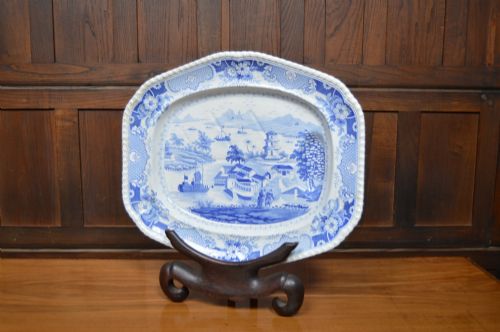
Regency blue ceramic plates encompass utilitarian dinner services, decorative platters, and smaller tea plates produced across the early nineteenth century. The typical example encountered in these listings is a blue and white transferware plate or platter originating from Staffordshire potteries during the Georgian and Regency periods.
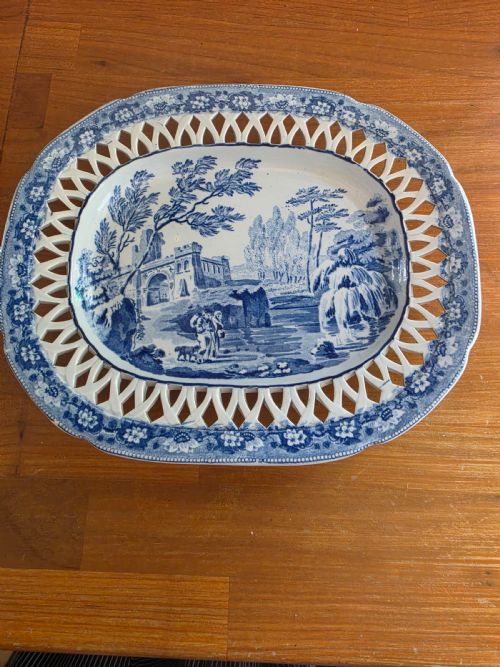
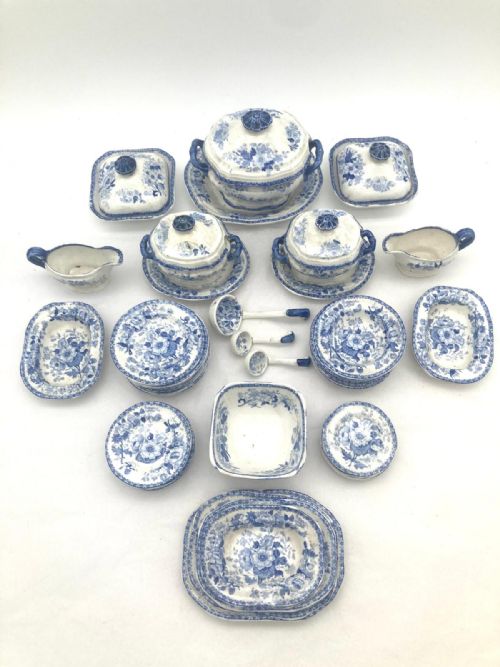
The forms extend beyond standard flatware to include specialised serving dishes, low compots, drainers, and child's service plates. These items mirror the dining habits of the period, ranging from large meat platters intended for formal dining to delicate dessert plates and tea wares.
How they were made
Potters utilised earthenware, pearlware, ironstone, and porcelain as the primary ceramic bodies, shaping them on wheels or pressing them into moulds. Ironstone provided a heavier, durable body suited for large platters, while porcelain and refined pearlware served finer dessert and tea plates.
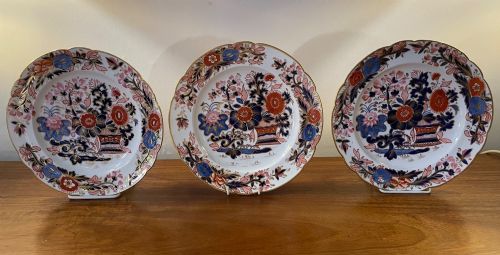
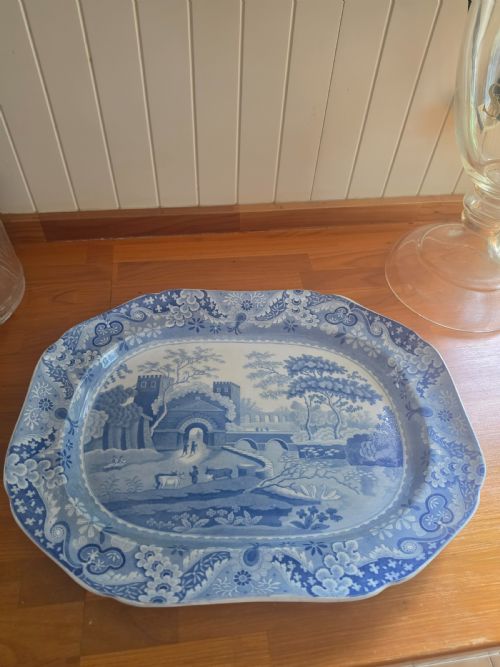
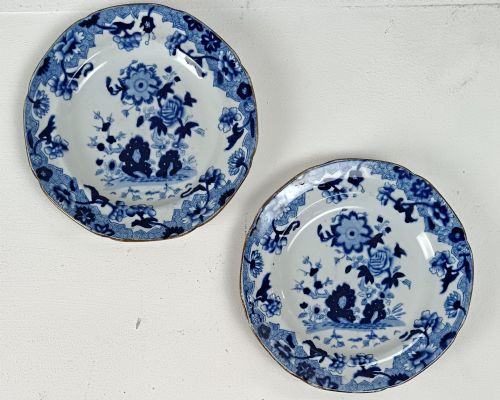
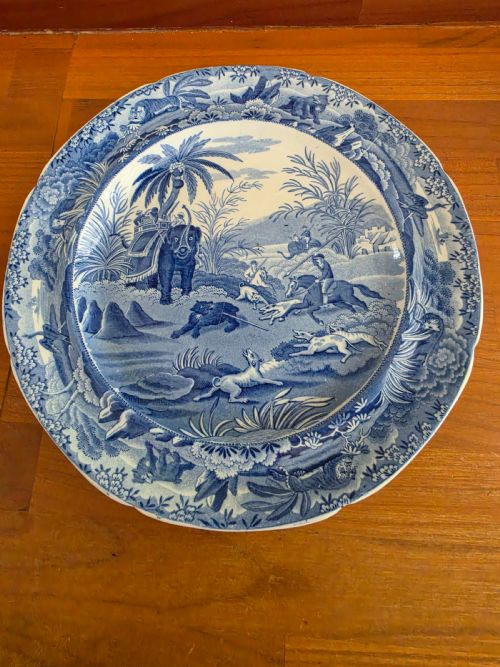
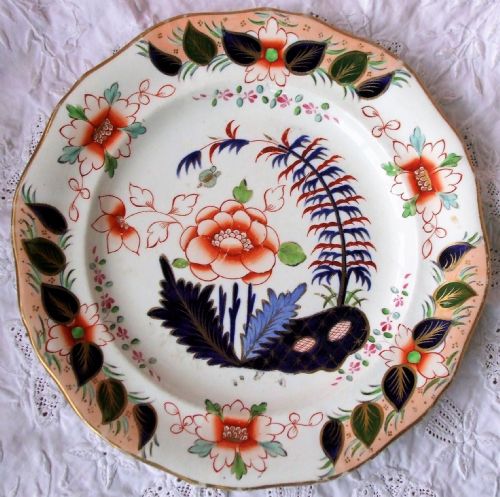
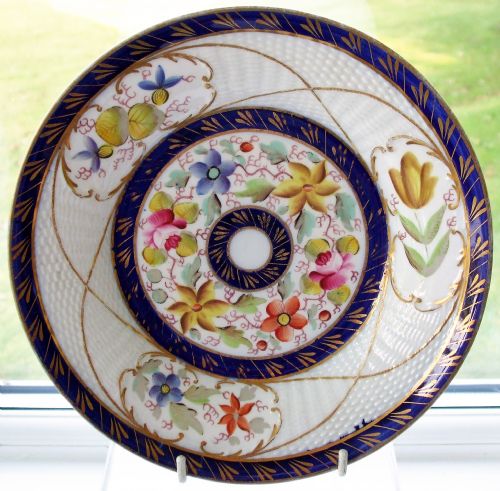
Decoration relied heavily on blue transfer printing, a technique where engraved copper plates transferred intricate scenes onto tissue paper and then onto the ceramic surface before glazing and firing. Cobalt blue pigments and hand colouring, including touches of enamel or gold leaf, added depth to patterns like Chinoiserie landscapes and botanical studies.
Listings feature early nineteenth century periods including Regency, Georgian, and Victorian eras, alongside materials such as ironstone, pearlware, and porcelain.
What varies in quality
Quality separates through the crispness of the transfer print and the sophistication of the ceramic body. Finer pieces demonstrate sharp lines in detailed pictorial scenes without blurring or smudging in the cobalt glaze.
The choice of body material also dictates standard; heavy ironstone and robust earthenware meet utilitarian demands, whereas translucent porcelain and early pearlware indicate higher-tier cabinet and dessert wares designed for display.
Spode·Davenport·Hicks And Meigh·Minton·Coalport·Mason·New Hall·Wedgwood·Ridgway
The Regency Blue Ceramic Plates Glossary
- Transferware
- Transferware. Pottery decorated by printing a design from a copper plate onto paper, which is then transferred to the ceramic body before firing.
- Pearlware
- Pearlware. A refined earthenware developed in the late eighteenth century, featuring a thin glaze with a slight bluish tinge in pooled areas.
- Ironstone
- Ironstone. A durable, heavy-duty type of feldspathic stoneware patented in the early nineteenth century to imitate Chinese porcelain.
- Imari
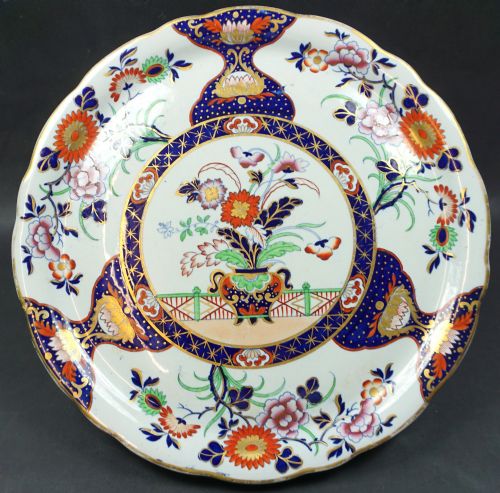
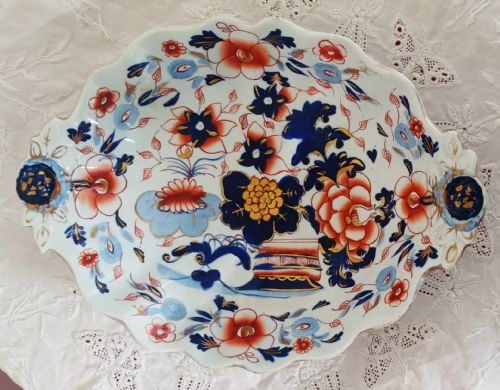
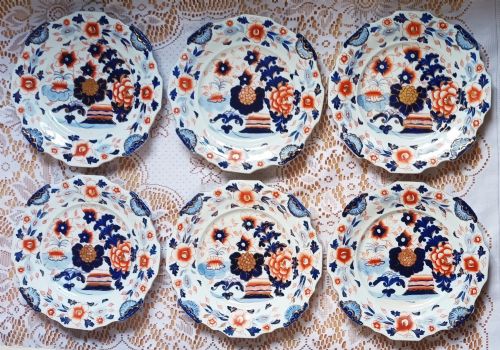
- Imari. A decorative style inspired by Japanese export wares, typically combining underglaze blue with iron red, green, and gold leaf highlights.
- Comport
- Comport. A large shallow bowl raised on a pedestal, utilised for serving fruit or sweets during dessert courses.
Regency Blue Ceramic Plates: Frequently Asked Questions
What are regency blue ceramic plates?
These pieces are table ceramics produced in Britain during the early nineteenth century, primarily featuring blue transfer-printed scenery, botanical motifs, or historical subjects on earthenware and porcelain bodies.
They reflect the prevalent taste for blue and white decoration during the Georgian and Regency eras, spanning everyday dining items to decorative cabinet plates.
How were regency blue ceramic plates used?
Households utilised these ceramics for serving and consuming meals, ranging from large meat platters and soup plates to small tea plates and dessert services.
Many larger platters and chargers also functioned as decorative display pieces on sideboards or walls within wealthier country houses.
How do you date early nineteenth century ceramics?
Dating relies on identifying ceramic bodies such as pearlware or ironstone, alongside stylistic markers in the transfer-printed scenes and factory backstamps.
Potters often changed their marks or shifted paste recipes across decades, allowing collectors to narrow production windows to specific periods.
Can you use antique transferware for dining?
While these ceramics remain structurally sound, modern use risks thermal shock or surface wear on historical glazes and hand-applied enamels.
Collectors generally treat nineteenth-century plates and platters as display objects or decorative table accessories rather than everyday tableware.