
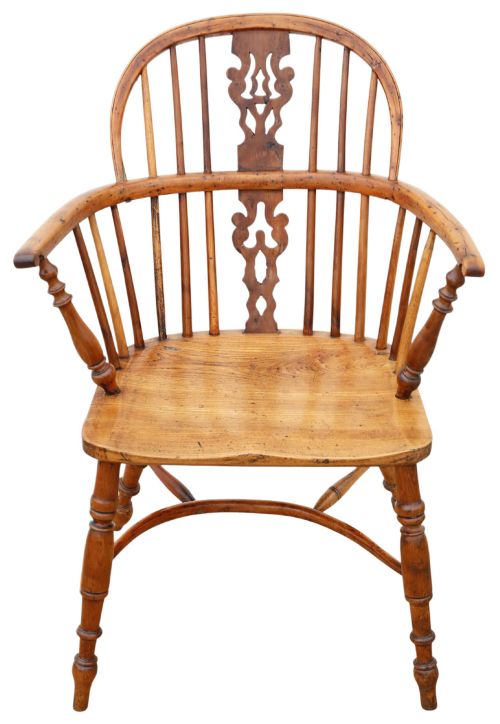
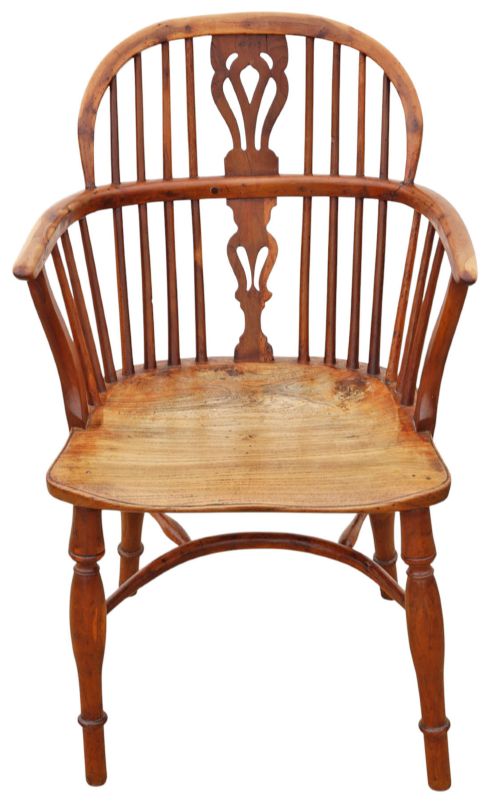
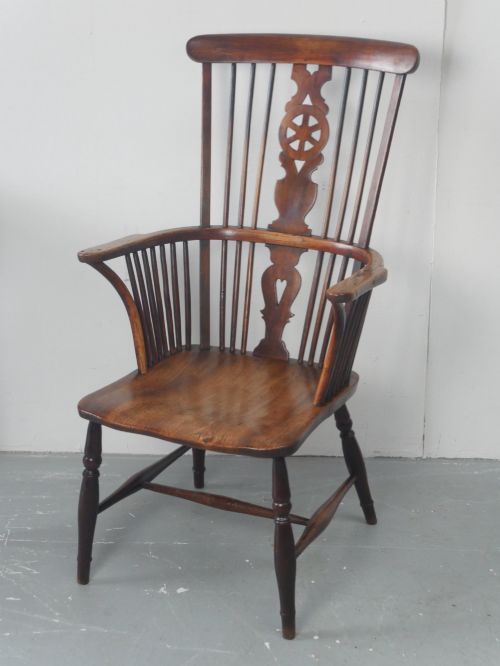
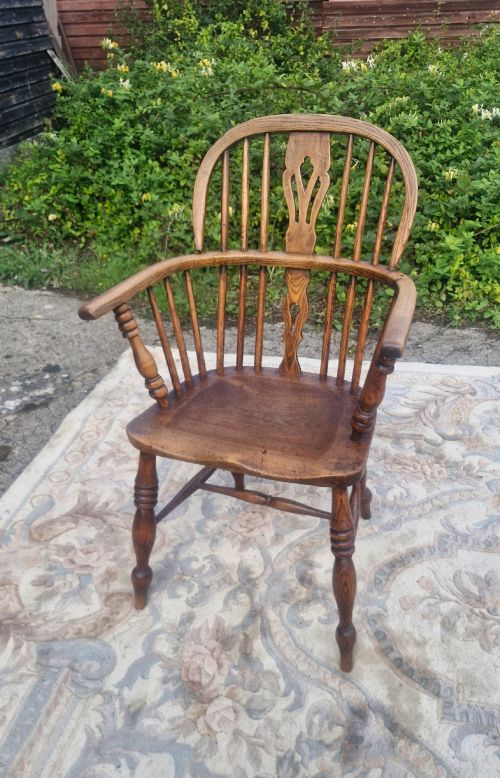



Antique English Armchair
An antique english armchair grounds a room with centuries of solid craftsmanship, bringing generous proportions and tactile upholstery to daily seating.
What these armchairs are
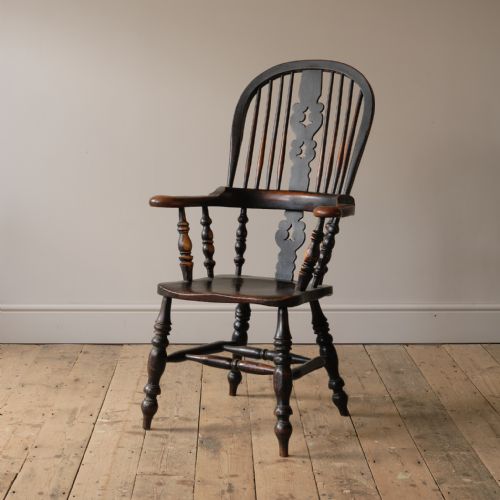
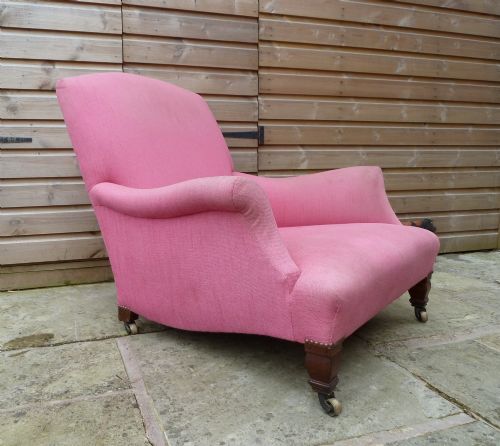
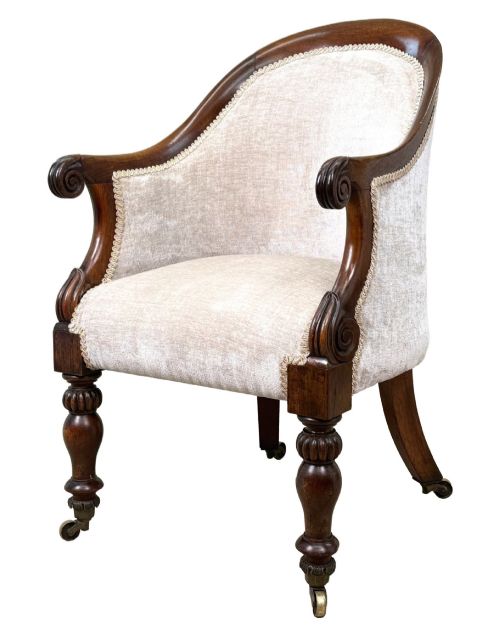
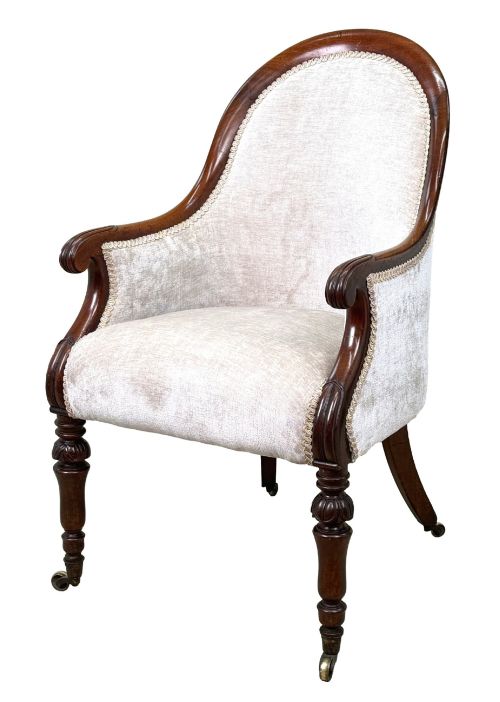
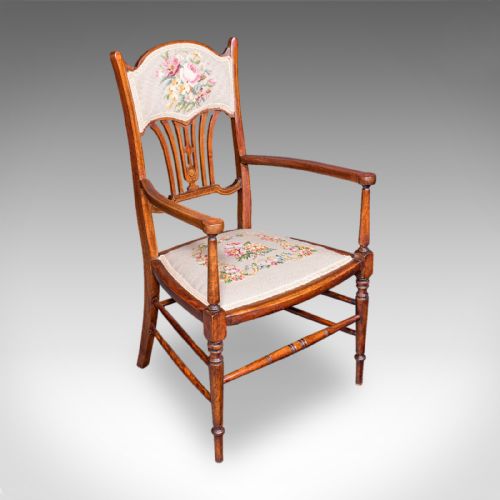
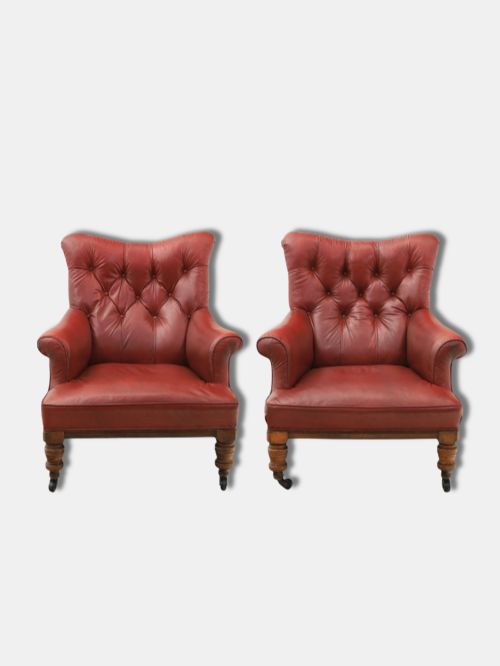
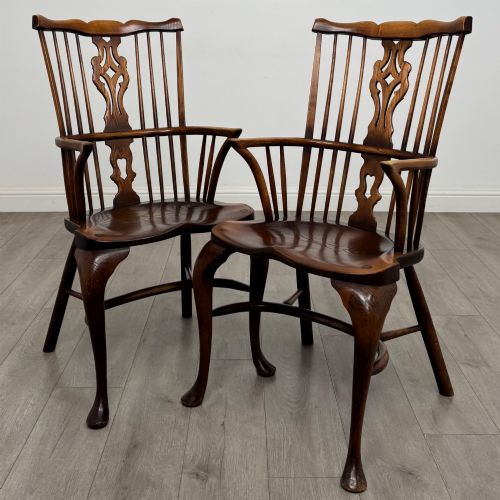
An antique english armchair encompasses seating forms produced across the seventeenth, eighteenth, and nineteenth centuries, including upholstered drawing room chairs, library chairs, and robust country makes. Buyers encounter various iterations spanning wainscot oak formats, Regency library designs, and Victorian button-backed styles.
The selection ranges from formal mahogany and rosewood library seating to rustic fruitwood, elm, and ash country carvers. Victorian and Edwardian examples frequently feature deep upholstery, whilst earlier centuries rely on solid timber construction with carved or turned detailing.
Pieces originating from the nineteenth century predominate, alongside earlier oak survivals and Regency library models. These chairs served utility in libraries, parlours, and country farmhouses, adapting their scale for comfort and functional longevity.
How they were made
Carpenters and cabinetmakers utilised dense native and imported timbers, notably mahogany, rosewood, oak, elm, fruitwood, and beech. Frames were constructed using traditional joinery methods, such as mortise and tenon joints, ensuring structural integrity across decades of use.
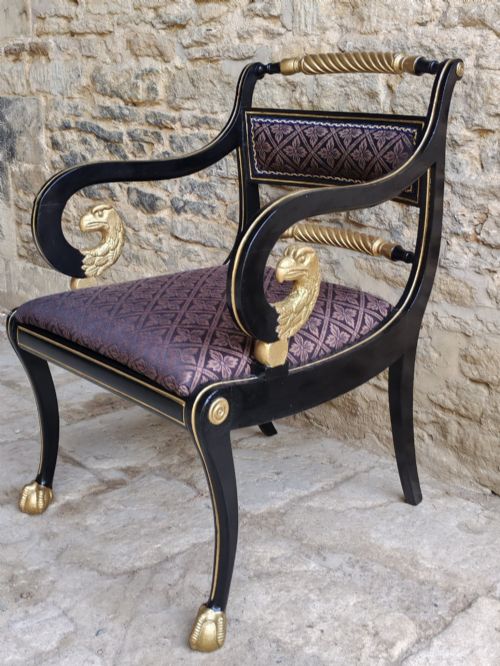
Upholstered variants rely on internal stuffing covered in calico, hessian, and top fabrics including damask, leather, and fabric. Brass tacks frequently secure the edges, whilst decorative elements incorporate parcel-gilding, bronze finishes, and turned bobbin supports.
Retail Price Guide 2026
Typical UK retail prices for english armchair, calculated from the Sellingantiques database of over a million retail prices indexed since 2003. This retail price guide relies exclusively on Sellingantiques data; no external sources or auction records are used, so the figures do not describe the wider market.
Recorded styles span the Regency, Victorian, William IV, and Hepplewhite aesthetics.
What varies in quality
The distinction between standard utility seating and finer examples rests upon the selection of timber and the ambition of the design. Dense grain figures in mahogany and rosewood, alongside crisply executed turnings and carvings, separate sophisticated workshop output from basic country production.
Proportion and scale dictate the visual success of an armchair, with balanced rake in the back legs and thoughtful curvature in the arms marking superior execution. The integrity of the underlying frame and the retention of original surface treatments further elevate a piece.
Howard And Sons·George Smith
The Antique English Armchair Glossary
- Carver
- A dining chair featuring arms, traditionally placed at the head of a table or utilised as an occasional seat.
- Wainscot
- An early wooden armchair constructed primarily from solid oak with panelled backrests, prevalent in the seventeenth century.
- Bobbin turned
- Timber turned on a lathe to resemble a string of beads or bobbins, a decorative feature seen on seventeenth and nineteenth-century frames.
- Parcel-gilt
- Partially gilded with thin gold leaf or powder to highlight specific carved or raised details on a wooden frame.
- Barrel back
- An upholstered seating form where the back curves continuously into the arms to enclose the sitter.
Frequently Asked Questions
What defines a library armchair?
Library armchairs generally feature substantial wooden frames, often executed in mahogany or rosewood, combined with upholstered seats designed for extended reading.
These pieces frequently incorporate specific design influences from the Regency or Victorian periods to suit formal study spaces.
How do I identify a Regency armchair?
Regency armchairs often display classical motifs, sabre legs, and bronzed parcel-gilt finishes inspired by ancient Greek and Roman designs.
Cabinetmakers working in this period favoured clean architectural lines alongside rich hardwoods.
Are these chairs suitable for daily use?
Most antique armchairs are built with robust joinery using dense timbers like oak, mahogany, and beech, making them sturdy enough for regular seating.
Upholstered variants may require professional internal restoration to ensure comfortable support for modern living.
What is a wainscot armchair?
A wainscot armchair is an early form constructed from solid oak, characterised by panelled wooden backs and heavy armrests.
Originating in the seventeenth century, these pieces represent some of the earliest surviving domestic seating forms.