
Antique Enamel Timepiece
An antique enamel timepiece brings together mechanical precision and coloured vitreous decoration, offering a desk clock or pocket watch that holds its charm.
Antique Enamel Timepiece
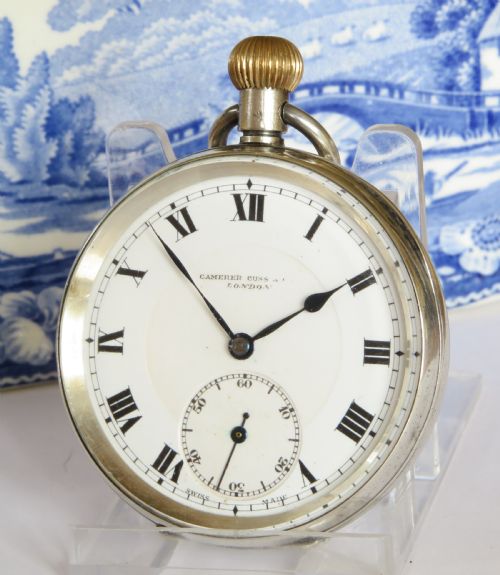
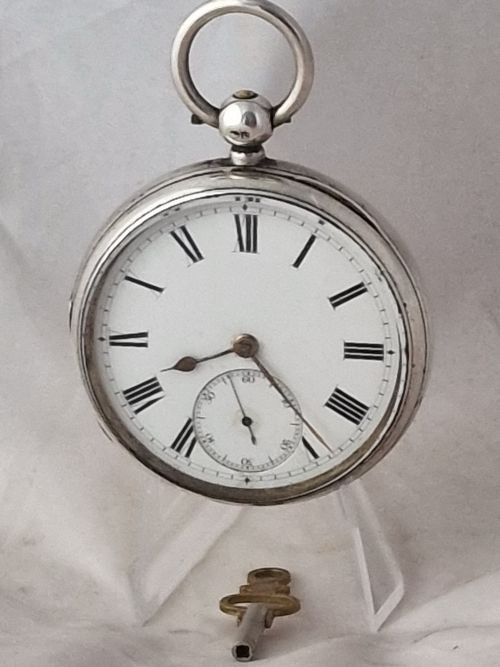
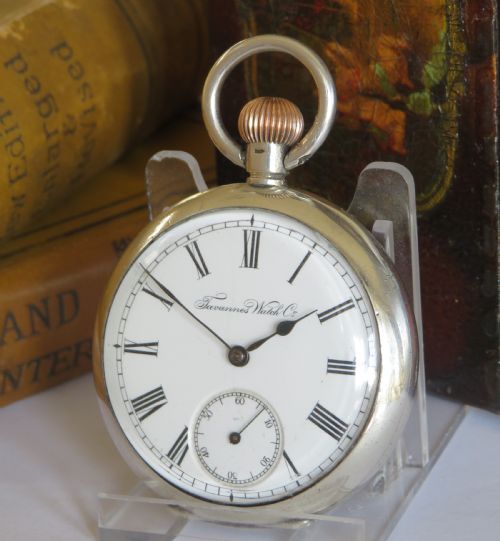
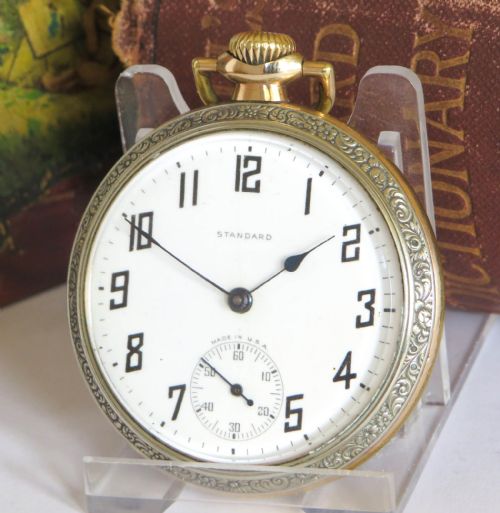
When you search for an antique enamel timepiece, you encounter portable and desk-bound horology spanning the Victorian, Edwardian, and Art Deco eras, produced across Britain, France, Switzerland, and America. These objects comprise pocket watches, carriage clocks, and desk clocks created to keep accurate time while displaying decorative artistry.
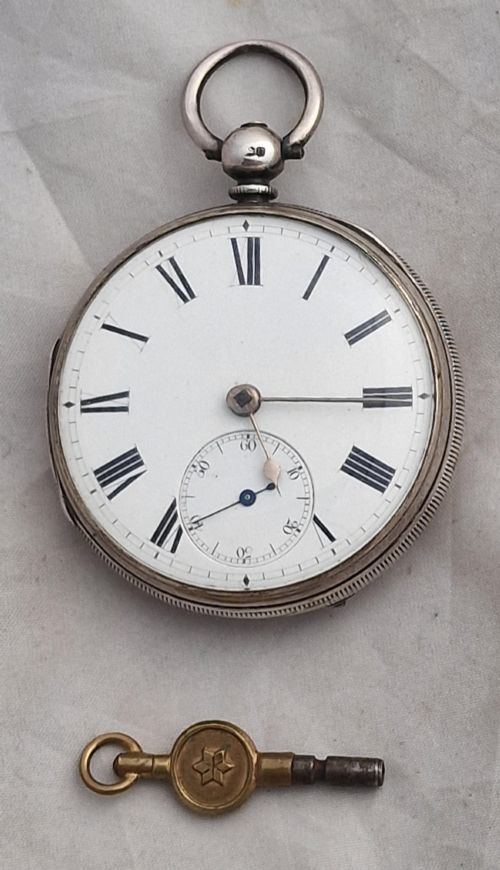
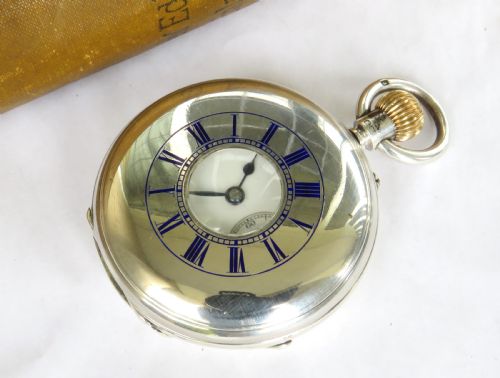
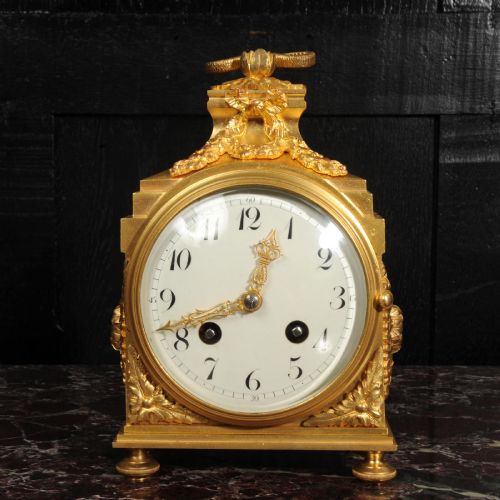
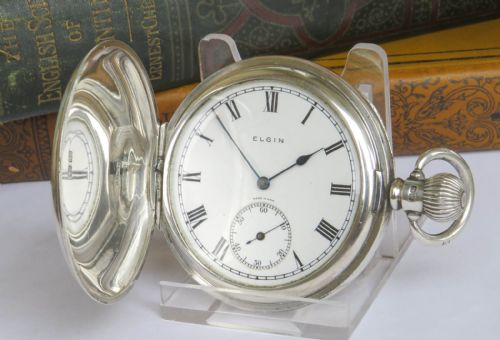
The version most likely to meet you on this page is the pocket watch or carriage clock housed in silver, brass, or gilt brass, often bearing Swiss or English movements alongside colourful enamel dials or case panels. Pieces range from late nineteenth-century Victorian carriage clocks to 1920s Art Deco pocket watches.
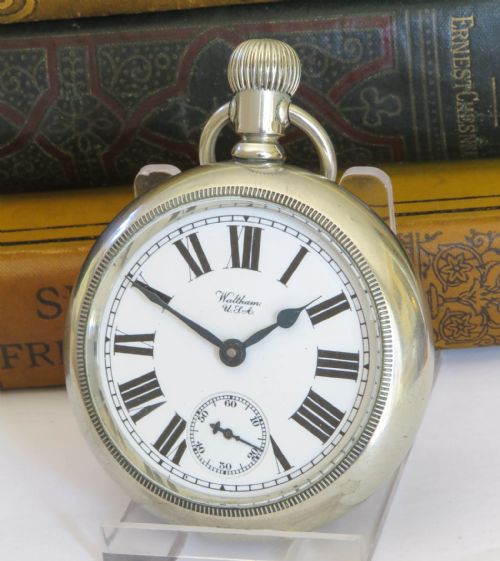
Makers and makers' marks recorded on these items include historic names such as Henri Jacot, Lange & Sohne, and Waltham, operating within traditions of precision watchmaking and decorative casing. The materials span standard metals paired with glass covers and leather travel cases.
How they were made
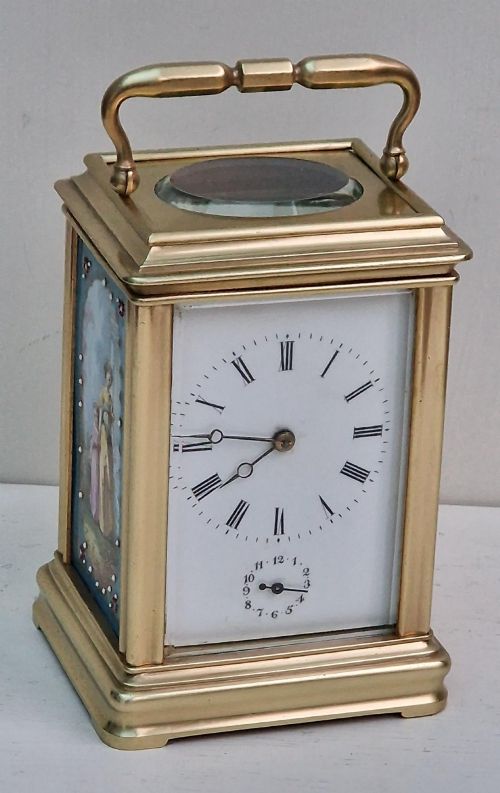
Horologists constructed these timepieces using brass, silver, gold plate, and steel for movements and cases, combining gear trains, escapements, and fusee mechanisms to regulate time accurately. Skilled artisans shaped carriage clock frames from brass and gilt brass, housing delicate gear wheels and Swiss or English movements.
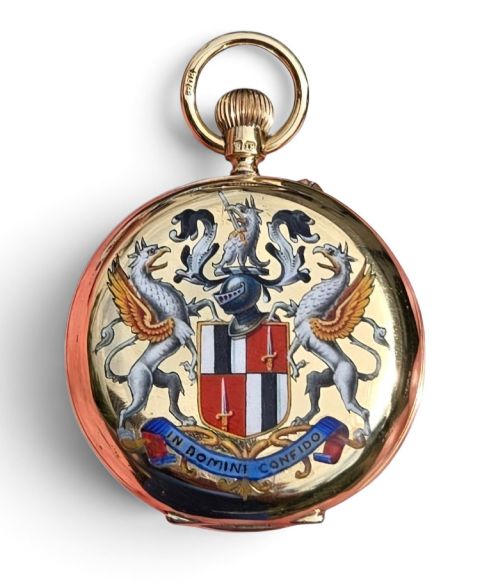
Enamelwork involved fusing powdered glass to metal surfaces under high heat, creating smooth, durable coloured finishes for clock dials and decorative panels. Casing techniques included glass glazing to protect the dial, complemented occasionally by leather travel cases for portable carriage clocks.
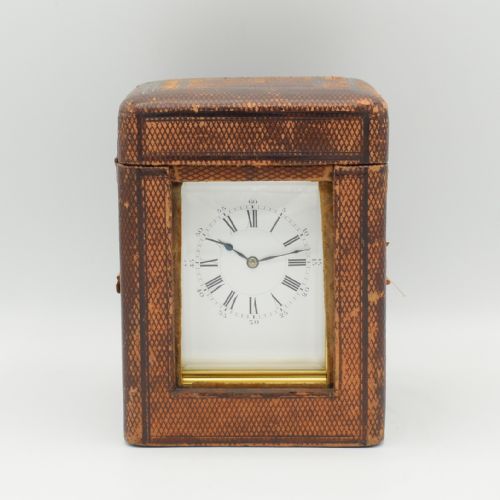
Several carriage clocks retain their original leather travel cases, having survived a century or more of journeys across continents.
What varies in quality
The refinement of the enamel dial or panel distinguishes standard production from superior work, where smooth, unblemished vitreous surfaces and finely painted numerals indicate high skill. The complexity and reputation of the interior movement, such as an eight-day duration or a signed maker like Henri Jacot, elevate a piece significantly.
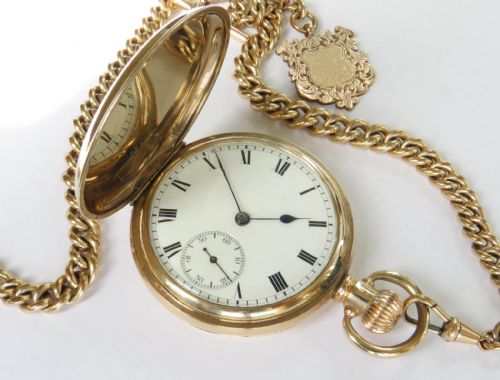
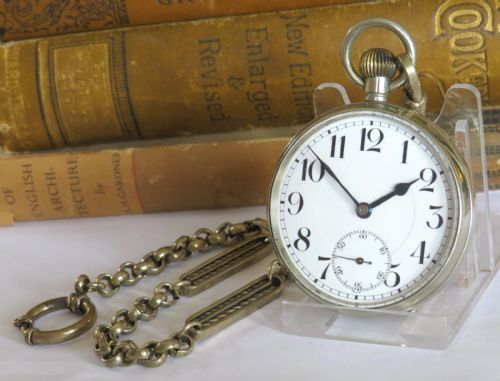
Material choice and casing execution set the tier of each item, with solid silver, heavy gilt brass, and eighteenth- or nineteenth-century ormolu mounts marking out superior construction. Complete survivals featuring original leather travel cases or matching chains demonstrate better preservation.
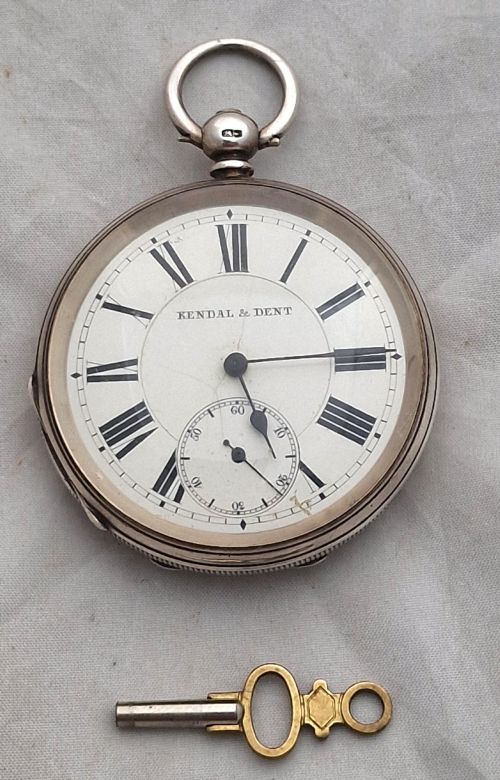
Kendal & Dent·Camerer Cuss·Henri Jacot·Lange & Sohne·Georg Adam Scheid
The Antique Enamel Timepiece Glossary
- Carriage clock
- A portable spring-driven clock designed for travellers, usually featuring a brass or gilt-brass case with glass panels. They often came with a dedicated leather travel case.
- Fusee
- A conical pulley used in older timepieces to maintain even power from the mainspring as it unwinds. This mechanism improved timekeeping accuracy in Victorian pocket watches.
- Half hunter
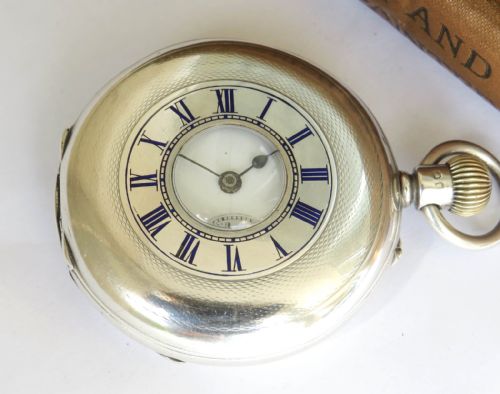
- A pocket watch case featuring a small glass-covered central opening in the outer lid, allowing the user to check the time without opening the case.
- Pendule d'Officier
- A French military officer's clock from the nineteenth century, built for portability and fitted with a sturdy carrying handle.
- Portico clock
- A desk clock designed in the architectural style of a classical portico, often incorporating miniature columns and decorative enamel elements.
Antique Enamel Timepiece: Frequently Asked Questions
What is an antique enamel timepiece?
An antique enamel timepiece is a mechanical clock or pocket watch featuring decorated enamel dials or panels, produced during periods such as the Victorian and Art Deco eras.
These items combine functional horology with decorative artistry, utilising materials like silver, brass, and glass.
How do I wind a carriage clock?
Carriage clocks generally use a key inserted into winding squares on the underside or backplate of the movement. You turn the key gently until resistance indicates the mainspring is fully wound.
Take care not to overwind the movement, as this can strain the internal spring mechanism.
Can I carry a fusee pocket watch daily?
A fusee pocket watch can be carried daily provided it receives regular servicing by a qualified horologist. These nineteenth-century movements require careful handling and protection from knocks.
Pairing the watch with a secure chain helps prevent accidental drops during daily wear.
How do I identify a Victorian carriage clock?
Victorian carriage clocks typically feature heavy brass or gilt-brass frames with bevelled glass panels housing mechanical escapements. They often bear the marks of makers like Henri Jacot or come with original leather travel cases.
Examining the backplate and movement will often reveal serial numbers or maker signatures typical of the nineteenth century.