

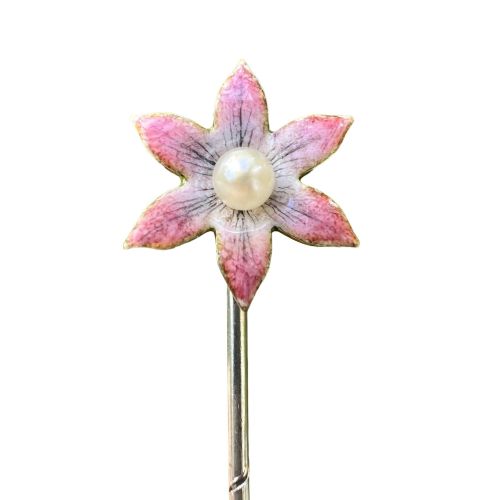


Antique Enamel Lapel Pin
An antique enamel lapel pin brings small-scale colour and metalwork into daily wear, offering miniature butterflies, birds and flowers from past decades.
Antique Enamel Lapel Pin
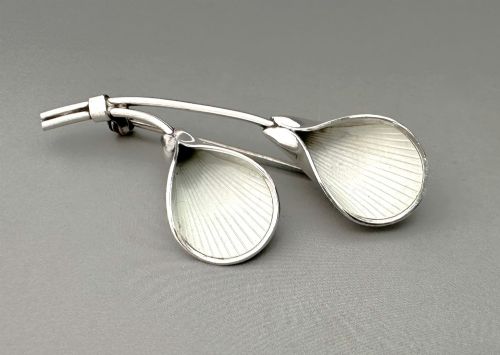
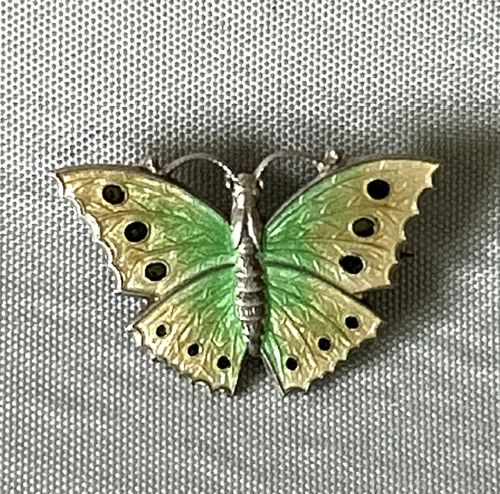
An antique enamel lapel pin encompasses small decorative fasteners worn on garments, taking the form of brooches, stick pins and badges. These pieces frequently feature insect, avian and floral motifs created through coloured vitreous coatings on precious metals.
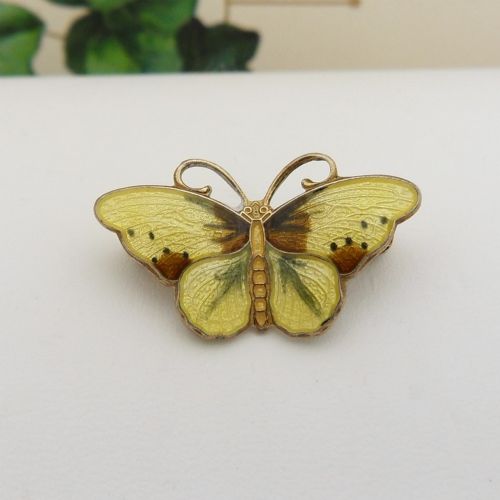
The selection ranges from Edwardian floral arrangements in gold to Scandinavian silver butterfly designs and mid-century commemorative badges. Most examples combine base supports of silver or gold with applied coloured enamel work.
Represented eras stretch from the nineteenth century through the Art Nouveau, Edwardian and Art Deco periods into the mid-twentieth century. Buyers encounter both delicate filigree work and bold geometric or naturalistic depictions.
How they were made
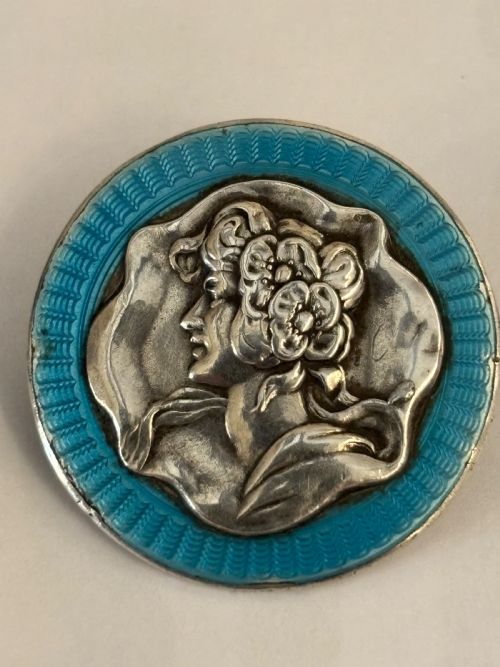
Maker techniques rely heavily on fusing powdered glass to metal surfaces through high-temperature firing, often creating vitreous enamel, guilloche patterns or translucent plique-a-jour cells. Artisans pair these colourful surfaces with supportive structures cast in sterling silver, silver gilt, and various purities of gold.
Many items incorporate additional embellishments such as pearls, diamonds, rubies, and amethysts set directly into the precious metal framework alongside the enamel panels. Metalwork methods include filigree wire twisting, hand engraving, and articulated joins that allow movement in the finished ornament.
Antique Enamel Lapel Pin Retail Price Guide 2026
Typical asking prices for enamel lapel pin among the pieces listed under this phrase on Sellingantiques today, from the lower quarter to the upper quarter. They describe what is for sale here now, not the wider market.
Insects and birds dominate the miniature menagerie, ranging from butterflies and dragonflies to loving birds, cockerels, and flying ducks.
What varies in quality
Quality differences emerge in the complexity of the metal chassis and the precision of the enamel work applied across the surface. Finer examples display intricate guilloche engraving beneath translucent glass or careful translucent cell structures that capture light effectively.
The choice of supporting materials also sets pieces apart, with higher-grade items utilising eighteen-carat gold, platinum, or quality sterling silver alongside genuine gemstones like diamonds and pearls. The sophistication of the design, whether a detailed butterfly or a multi-coloured floral spray, dictates the level of artisan skill required.
The Antique Enamel Lapel Pin Glossary
- Guilloche enamel
- A decorative technique where a metal surface is mechanically engraved with precise geometric patterns before translucent enamel is applied over the top. This allows light to reflect through the coloured glass and reveal the underlying texture.
- Vitreous enamel
- A material made by fusing powdered glass to a substrate by firing, usually between seven hundred and eight hundred and fifty degrees Celsius. The powder melts, flows, and hardens to a smooth, durable glass coating.
- Stick pin
- A long pin with a decorative head used to fasten a cravat, lapel, or scarf in place. The visible terminal often showcases miniature gemstones or enamel designs.
- Silver gilt
- Silver that has been coated with a thin layer of gold on its exterior surface. This combination provides the warm colour of gold while utilising silver as the underlying base metal.
- Plique-a-jour
- An enamelling technique where the enamel is applied within a cell framework unsupported by a backing metal, allowing light to shine through the transparent or translucent material much like stained glass.
Antique Enamel Lapel Pin: Frequently Asked Questions
How were lapel pins worn originally?
These items served as decorative fastenings on lapels, collars, cravats, and hats during the nineteenth and twentieth centuries. They secured fabric layers while adding a personal touch of colour to daily attire.
Over time, the function shifted from purely utilitarian garment closures to expressive accessories often collected for their specific motifs and period styles.
What materials make up these pieces?
Construction materials primarily include sterling silver, silver gilt, and various karats of gold paired with coloured glass enamel. Gemstone accents such as pearls, diamonds, and rubies frequently appear alongside the enamelled sections.
Supporting metal frameworks range from simple wire stems in stick pins to articulated silver mountings designed for flexibility when worn.
How do I date an enamel pin?
Dating relies on stylistic indicators, such as the flowing organic lines typical of Art Nouveau or the symmetrical geometry associated with Art Deco design. Specific motifs, maker marks, and metal purity stamps also help narrow down the period of manufacture.
Comparative study of Edwardian floral sprays and mid-century Scandinavian silver work provides further context for placing an item within its decade.
How do I care for antique enamel?
Enamel consists of glass and requires gentle handling to prevent scratching, impact damage, or thermal shock. Cleaning should involve soft cloths and mild soapy water rather than harsh chemical dips or ultrasonic machines.
Storage in dedicated boxes or separate pouches prevents adjacent jewellery items from chipping the delicate vitreous surfaces.