
Antique Enamel Glass
When you search for antique enamel glass, you encounter pieces where vitreous colour meets blown vessels, scent bottles and dressing jars.

Antique Enamel Glass
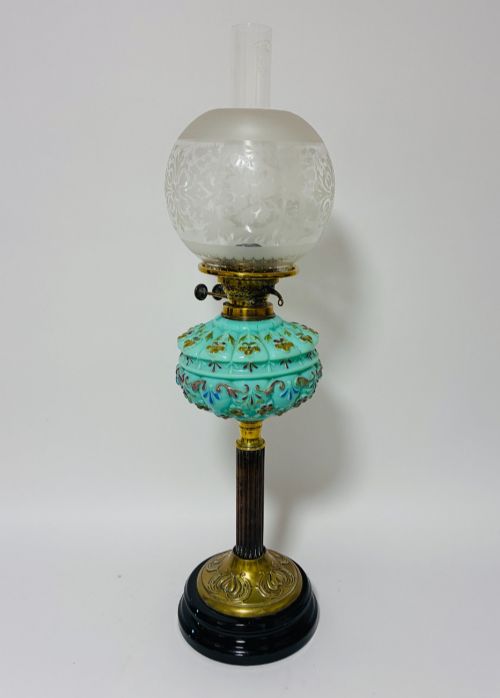
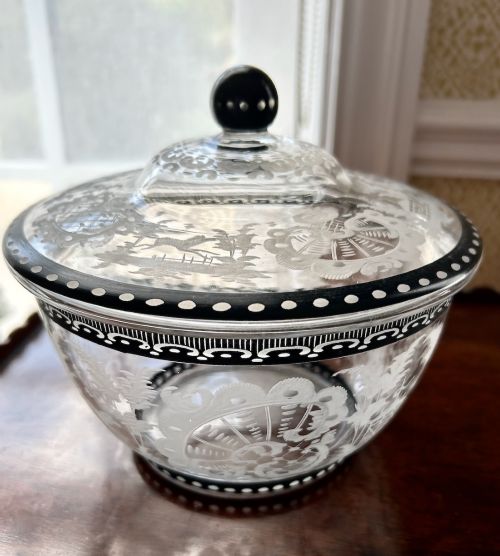
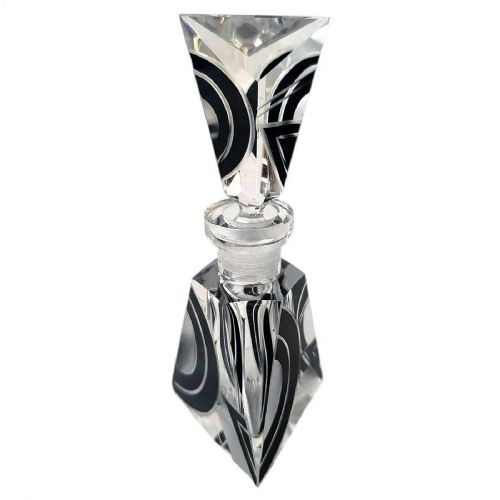
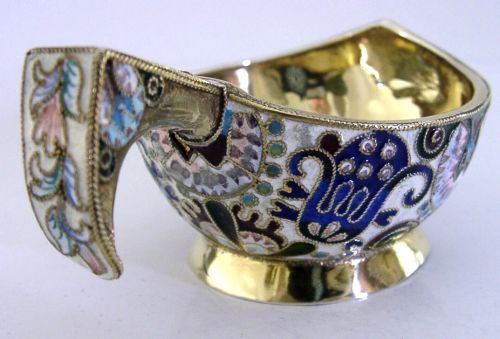
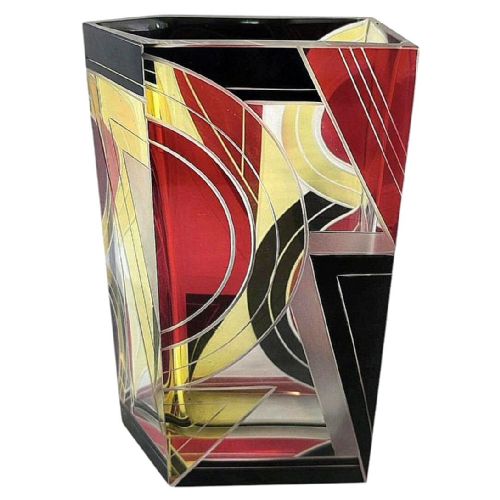
Items associated with antique enamel glass span domestic vessels, vanity items and display pieces that integrate colourful glass bodies with painted or applied vitreous decoration. The selection ranges from Victorian ruby glass lustres and Mary Gregory style cabinet vases to geometric Art Deco perfume bottles and dressing jars.
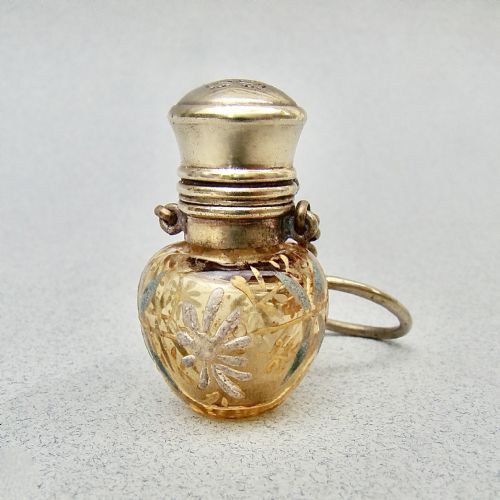
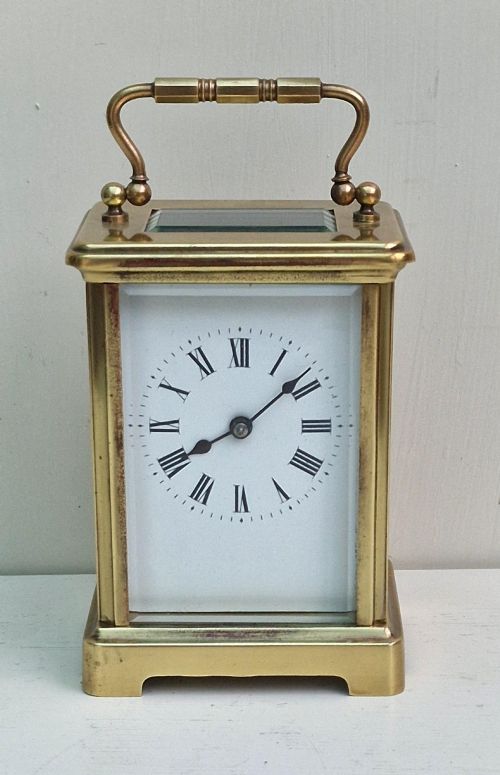
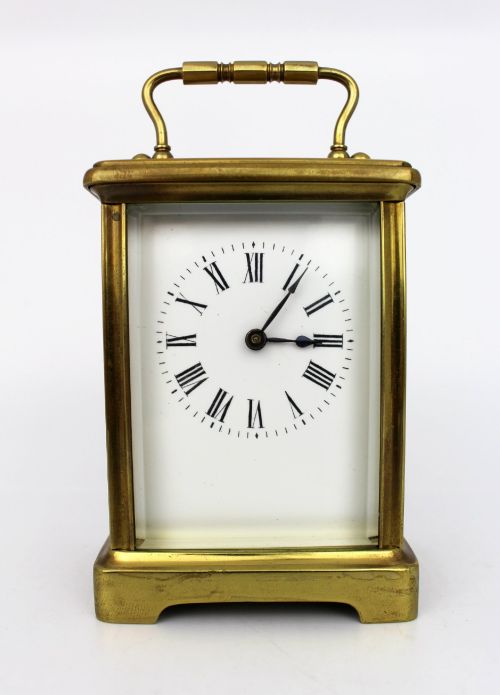
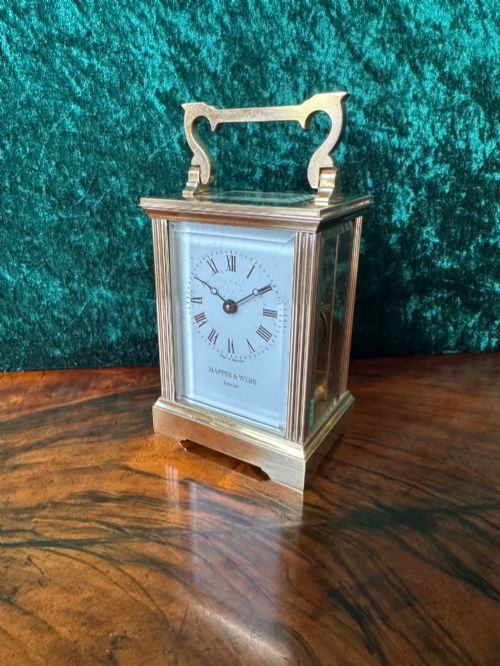
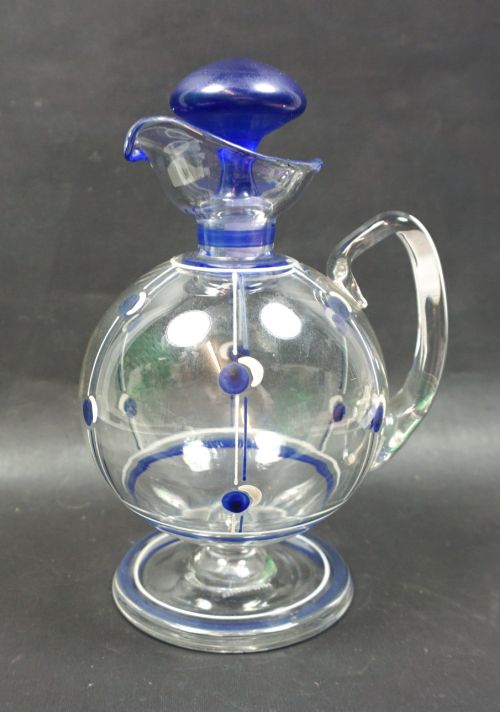
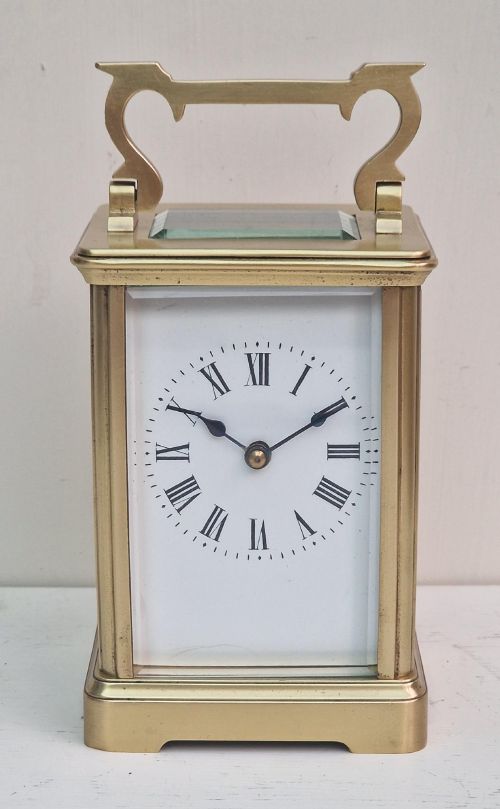
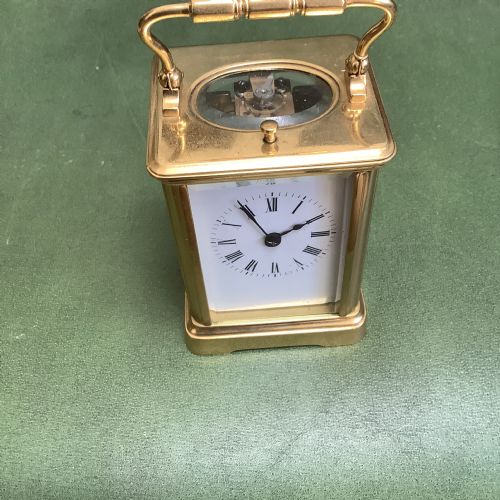
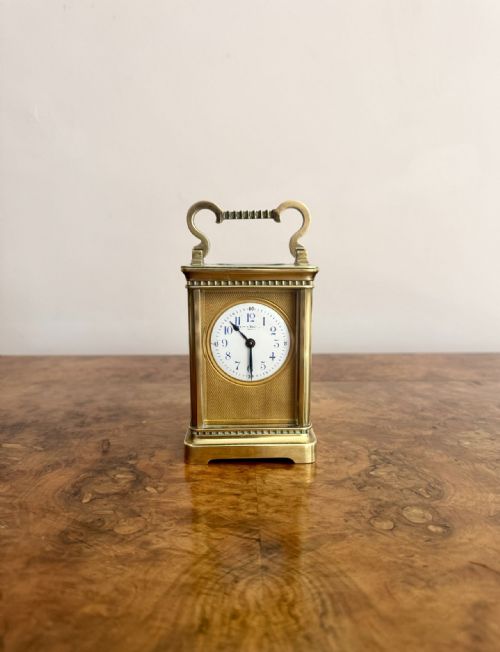
Vessels from the nineteenth and early twentieth centuries dominate the selection, originating from British, French, Bohemian and Scandinavian workshops. Forms vary from decanters and wine jugs to trinket boxes, carriage clocks and small scent flasks.
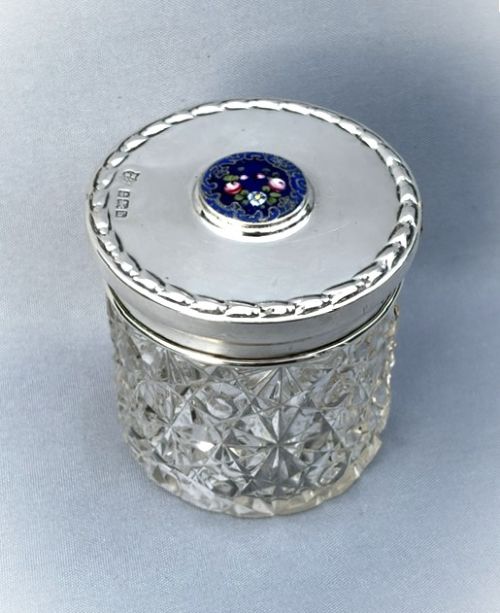
Continental production is strongly represented by Bohemian and French makers who combined cased glass with polychromatic enamel and gilding. Pieces intended for dressing tables frequently incorporate sterling silver mounts alongside the enamelled glass components.
How they were made
Makers utilised free-blown, mould-blown or cut glass as the foundation, employing cranberry, cobalt, ruby, milk and green glass bodies. Coloured glass batches derived their hues from metallic oxides incorporated during the melting process.
Surface ornamentation relied on opaque vitreous enamels applied by brush and fired in a kiln to fuse the decoration permanently to the glass. Guilds and factories frequently added gold leaf or gilding alongside the enamel work, sometimes pairing the glass with sterling silver, brass or chromium mounts.
Listings feature periods spanning from the 18th Century through the Victorian era into the 1920s and 1930s Art Deco movement.
What varies in quality
Superior examples display precise brushwork and richly saturated enamel colours that remain crisp without blurring at the edges. The clarity and weight of the underlying cut glass or crystal also determine the standard of the piece.
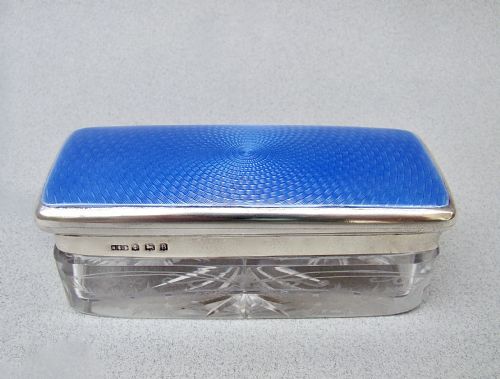
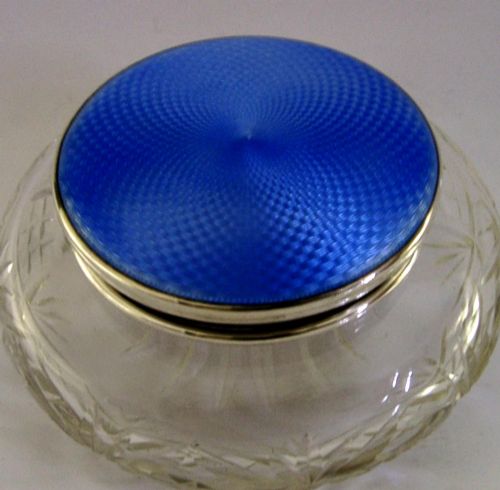
The integration of metal elements alters the overall character, with hallmarked sterling silver mounts and intricate guilloche enamel work indicating higher-tier production compared to standard brass or base metal fittings.
Henry Clifford Davis·Thomas Webb·Karl Palda·Daum Freres·Hannah Walton·Asprey and Co
The Antique Enamel Glass Glossary
- Guilloche enamel
- A decorative technique where an engine-turned metal surface is covered with transparent translucent enamel. This method creates repeating geometric patterns beneath the glossy coloured coating.
- Mary Gregory glass
- A style of Victorian glassware featuring white enamel silhouettes depicting children in pastoral settings. The figures are typically painted against cranberry, green or blue glass backgrounds.
- Moser glass
- Ware produced by the Czech factory founded by Ludwig Moser, renowned for coloured glass decorated with heavy gilding and raised enamel flora. These pieces often feature naturalistic motifs and deep jewel tones.
- Cased glass
- A method involving two or more layers of different coloured glass fused together while hot. Artisans then cut through the outer layer to reveal the contrasting colour underneath.
- Lustres
- Mantel ornaments consisting of a glass vase or bowl fitted with hanging glass prisms. They reflect candlelight and were popular in Victorian domestic interiors.
Antique Enamel Glass: Frequently Asked Questions
How do I clean antique enamel glass?
Dust gently with a soft dry cloth and avoid submerging pieces in water, particularly those with delicate surface gilding or applied enamel.
Harsh chemical detergents can strip the fired enamels from the glass body, so gentle spot cleaning with a damp cloth is advised for interiors.
Are these items safe for daily use?
Most antique vanity jars, decorative scent bottles and display lustres are intended for ornamental display rather than modern utilitarian service.
Pieces designed for holding liquids, such as decanters or wine jugs, can be utilised carefully but should be hand washed without soaking.
How can I date my piece?
Dating relies on stylistic markers such as Victorian floral motifs, Edwardian silver hallmarks or Art Deco geometric cutting and chromium mounts.
Maker signatures etched on the base or registration numbers stamped into metal collars provide further chronological context.
What is guilloche enamel?
Guilloche is an ornamental technique where metal, frequently sterling silver, receives machine-engraved patterns before translucent enamel is applied.
The underlying mechanical engraving shows clearly through the glossy coloured glass layer, creating a shimmering geometric effect.