


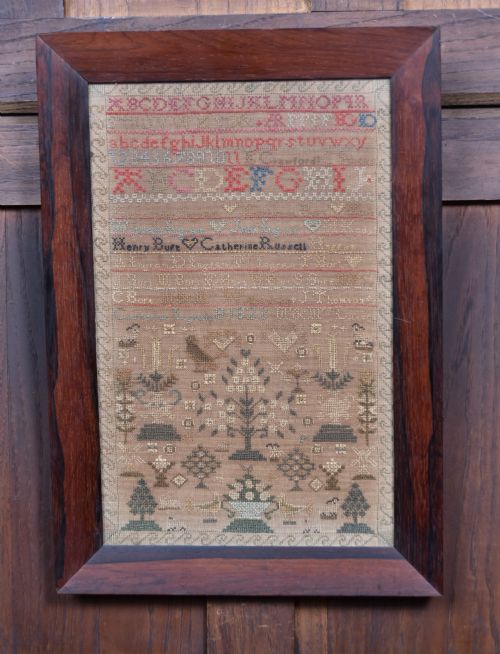


Antique Embroidery Artwork
Antique embroidery artwork brings centuries of hand-stitched needlework and textile pictures into rooms through framed historical panels, samplers and wool work.
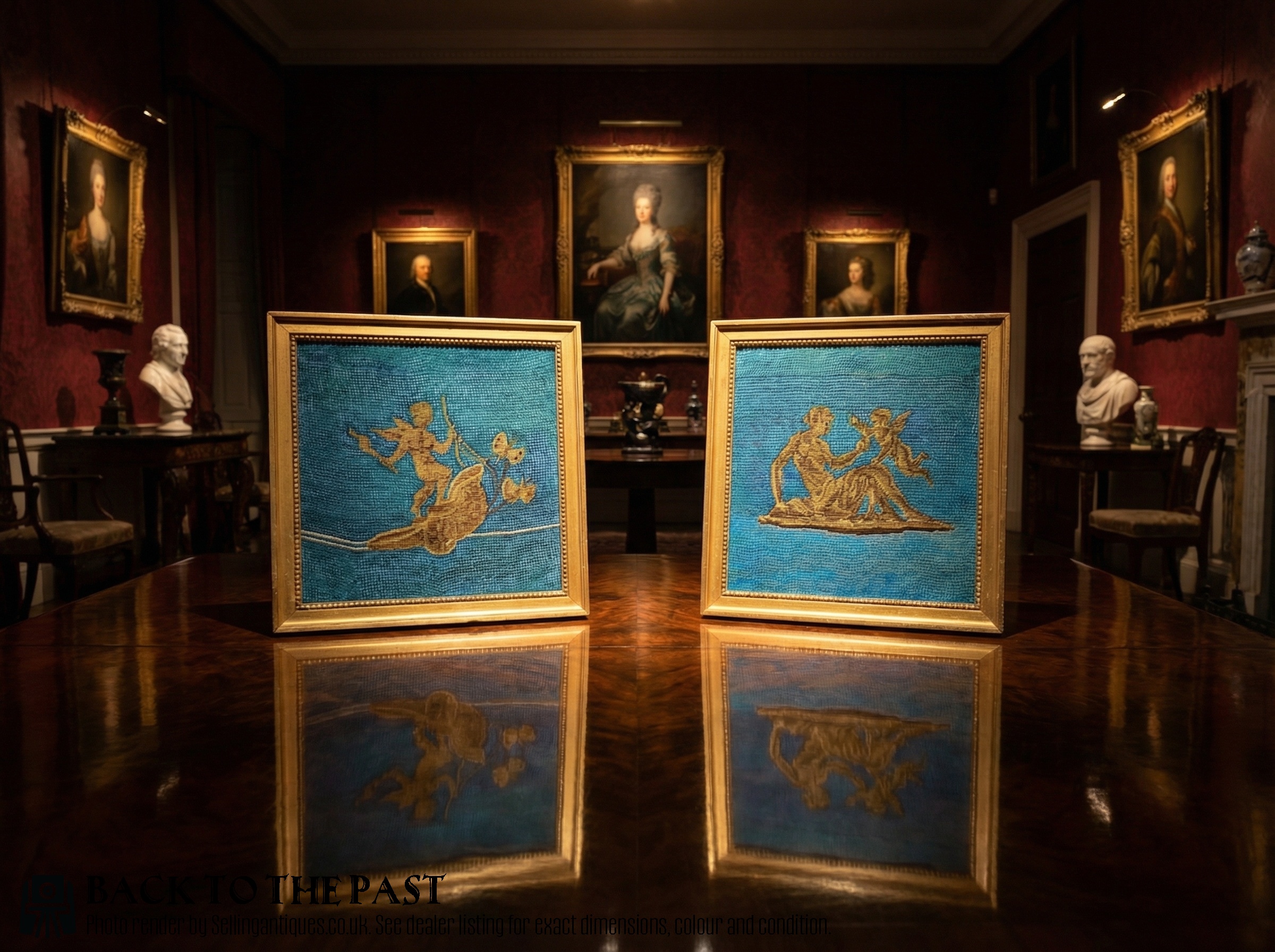
Antique Embroidery Artwork
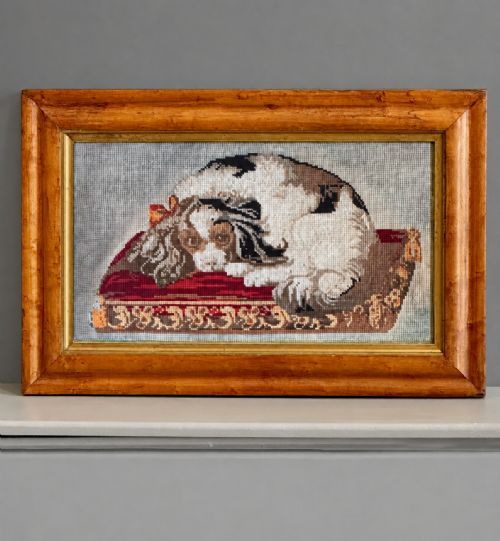
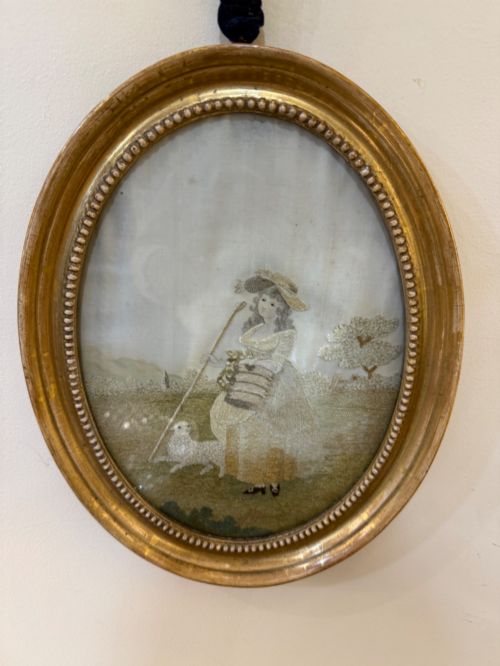
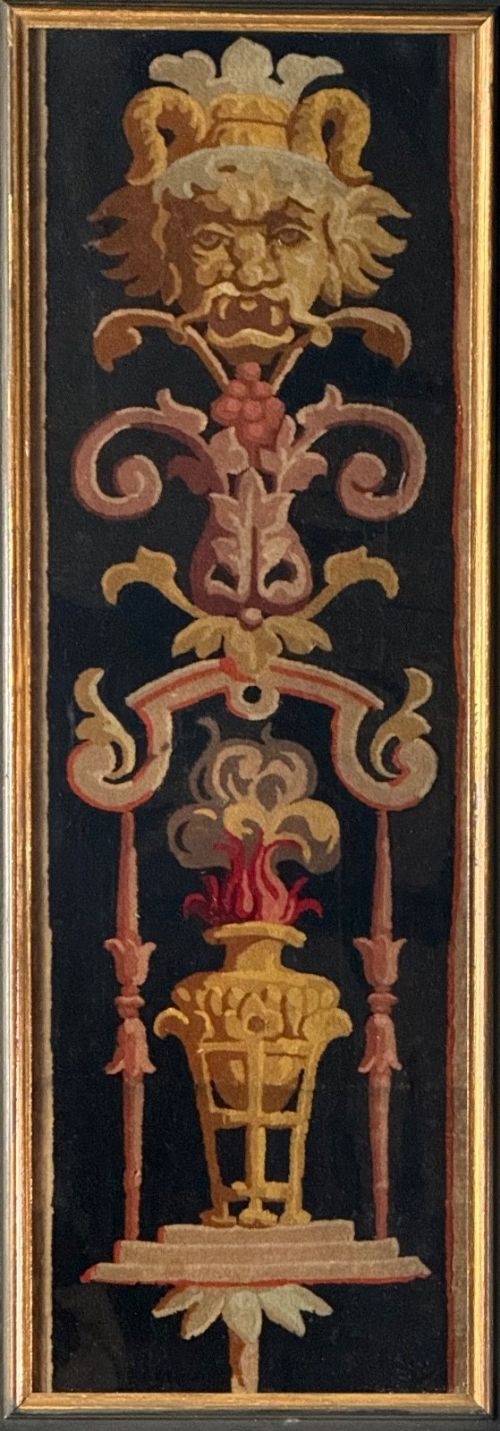
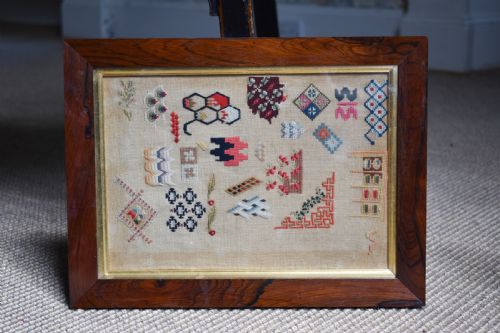
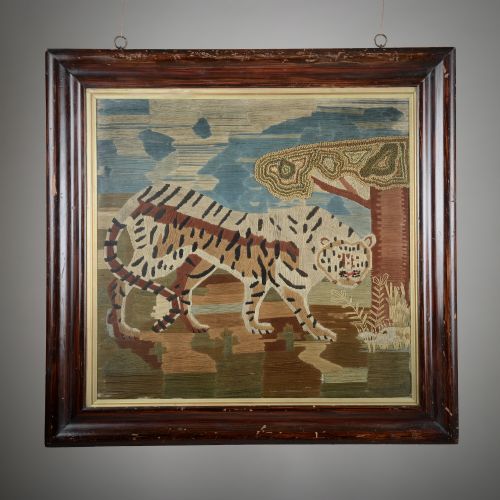
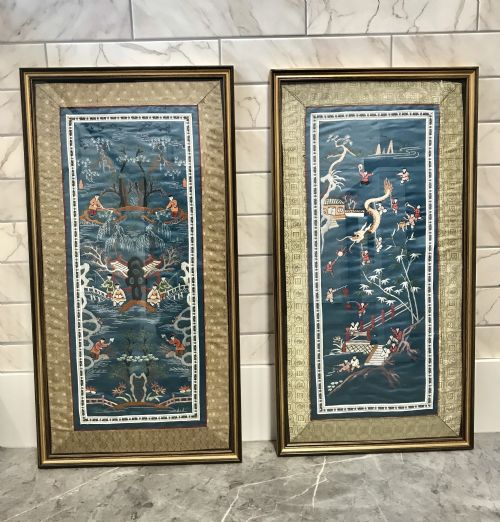
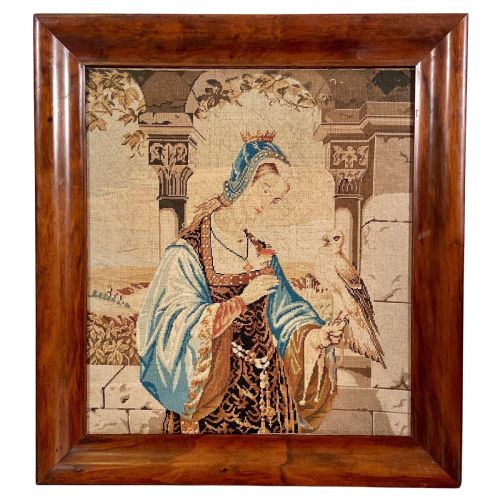
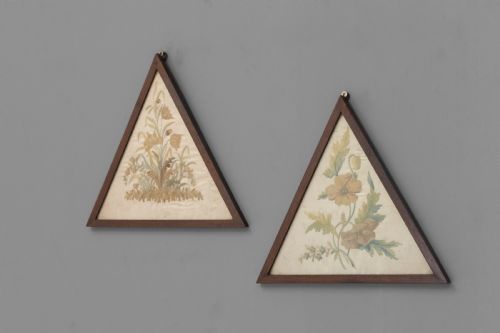
When you search for antique embroidery artwork, you encounter historical textile pieces created across the seventeenth, eighteenth and nineteenth centuries. These works include framed needlework pictures, detailed samplers, wool work depictions and mounted silk panels.
The selections span English, continental European and Asian origins, featuring pastoral scenes, portraits, maps and religious subjects. Many retain their original frames, including burr maple and giltwood surrounds.
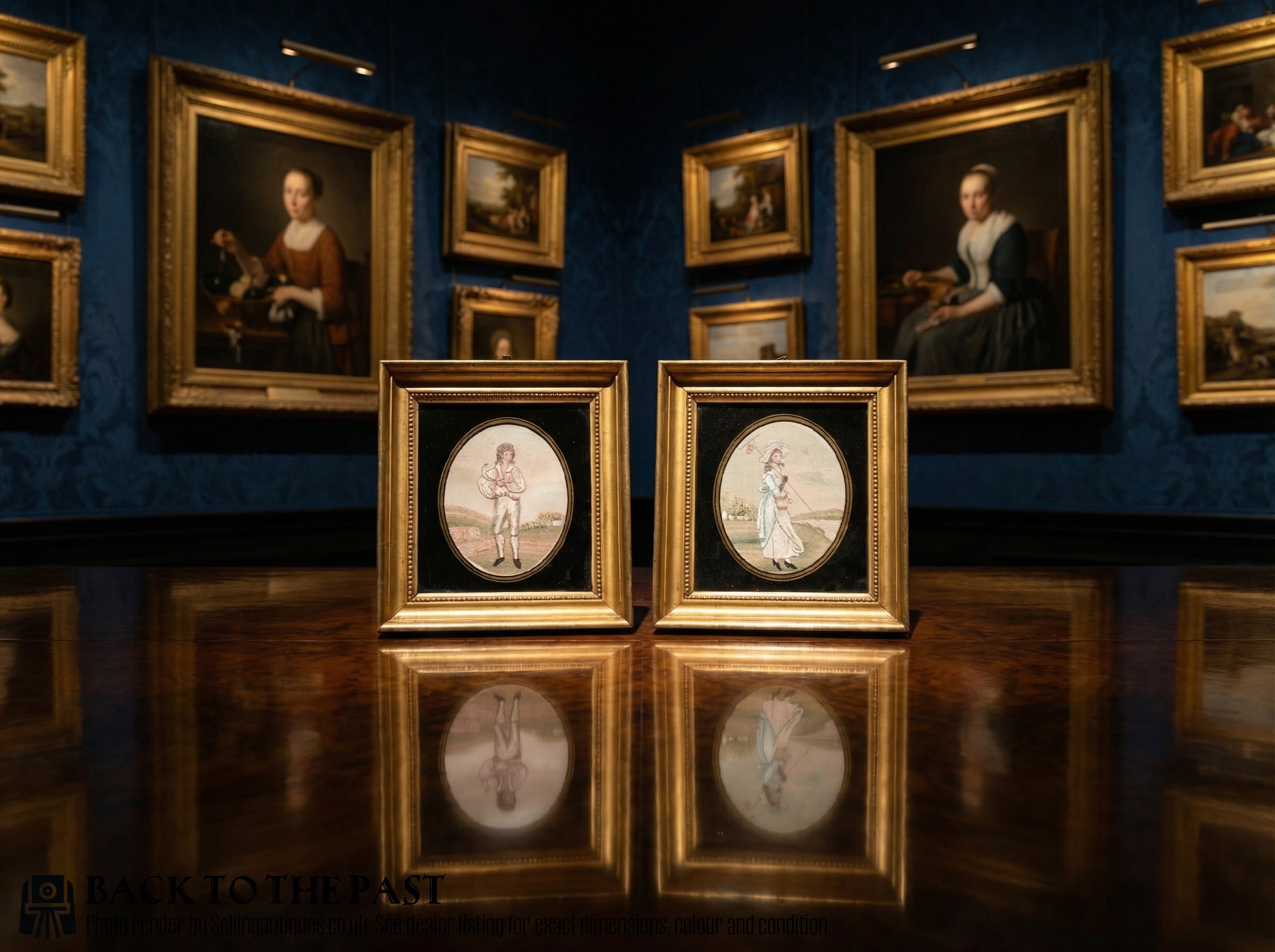
How they were made
Maker execution relies on natural threads including silk, wool and linen stitched onto canvas, linen or woven grounds. Needle techniques encompass crewel work, long stitch, gros point and Berlin work.
Protection and presentation often involve timber framing, sometimes paired with glass or verre églomisé borders to safeguard the delicate textile fibres.
Antique Embroidery Artwork Retail Price Guide 2026
Typical asking prices for embroidery artwork among the pieces listed under this phrase on Sellingantiques today, from the lower quarter to the upper quarter. They describe what is for sale here now, not the wider market.
Listings feature periods spanning from the 17th century through the Victorian era, utilising wool, silk, linen, and glass within wooden frames.
What varies in quality
Quality rests upon the intricacy of the stitchwork, the complexity of the design and the preservation of the original threads. Pictorial depth in silk and wool shading separates standard output from superior examples.
The integrity of the original frame, whether burr maple, giltwood or hardwood, contributes significantly to the overall character and historical completeness of the piece.
The Antique Embroidery Artwork Glossary
- Berlin work
- A style of nineteenth-century needlepoint worked in wool on canvas from printed grid patterns.
- Sampler
- A piece of needlework demonstrating various stitches and alphabets, often worked by young makers.
- Verre églomisé
- A process of applying gold or silver leaf to glass with etched designs, frequently used in picture framing.
- Gros point
- A coarse needlepoint stitch used for covering canvas densely in wool work pictures.
- Crewel work
- Embroidery executed with wool yarn using varied traditional stitches on linen or twill fabric.
Antique Embroidery Artwork: Frequently Asked Questions
How should I hang antique embroidery artwork?
Keep textile pictures away from direct sunlight to prevent the silk and wool threads from fading over time. Maintain stable room humidity to protect both the fabric and the historic wooden frames.
Ensure wall fixings securely support the weight of the framed panel without placing strain on the antique structure.
How do I identify a needlework sampler?
Samplers typically feature rows of alphabets, numerals, moral verses and stitched signatures alongside decorative motifs. They serve as historical records of maker practice and date from the seventeenth century onward.
Many include dates and the names of the makers who worked them, providing clear markers for period attribution.
What is the difference between wool work and silk embroidery?
Wool work utilises heavier spun animal fibres, often producing textured pictorial scenes like animal portraits and landscapes. Silk embroidery employs finer filaments that allow for delicate shading in figures and floral compositions.
Both mediums appear extensively across eighteenth and nineteenth-century domestic interiors.
Are these pieces usually framed?
The majority of surviving textile pictures are preserved behind glass within period frames made of wood, giltwood or burr maple. Original framing enhances the historical integrity of the piece.
Some Asian panels are mounted within hardwood screens or framed under glass to protect the delicate hand-sewn layers.