



Antique Embroidered Picture
An antique embroidered picture brings centuries of meticulous needlework, silk thread and wool into your home as framed wall art.
Antique Embroidered Picture
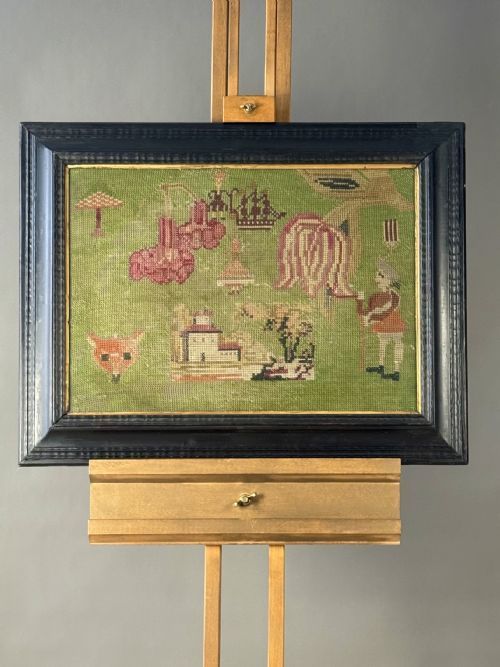
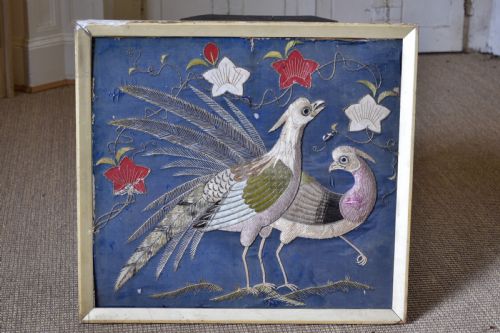
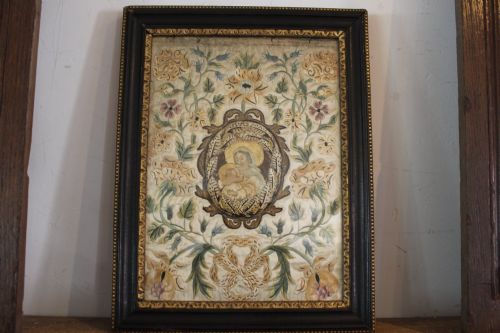
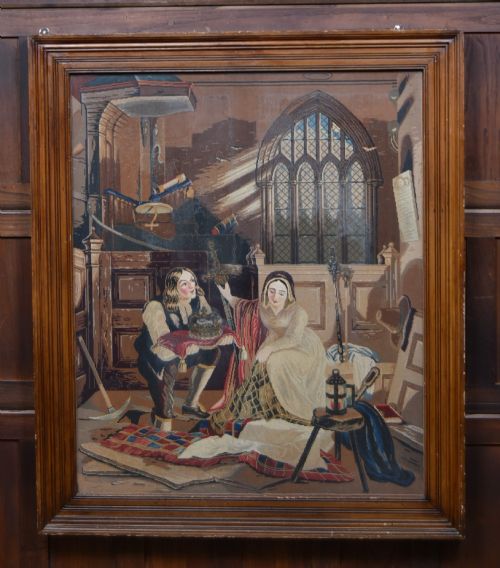
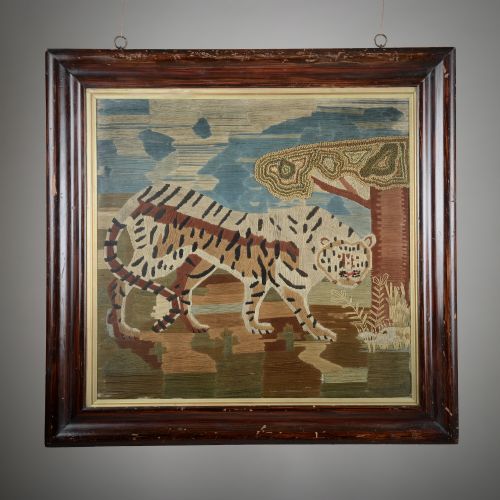
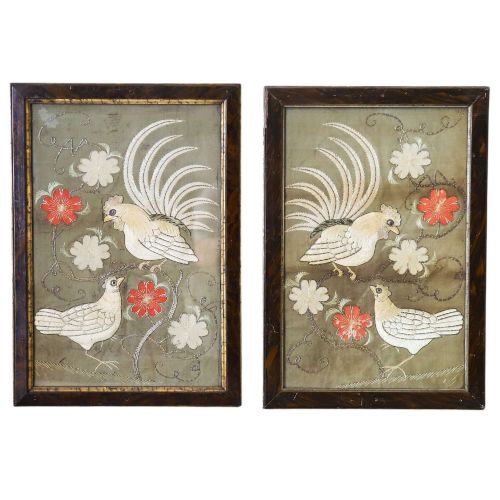
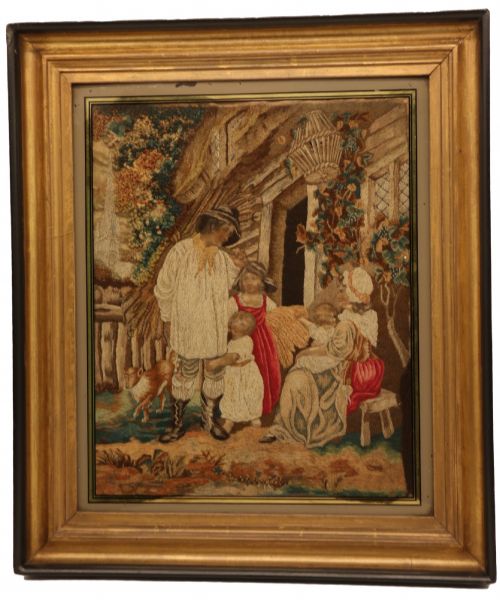
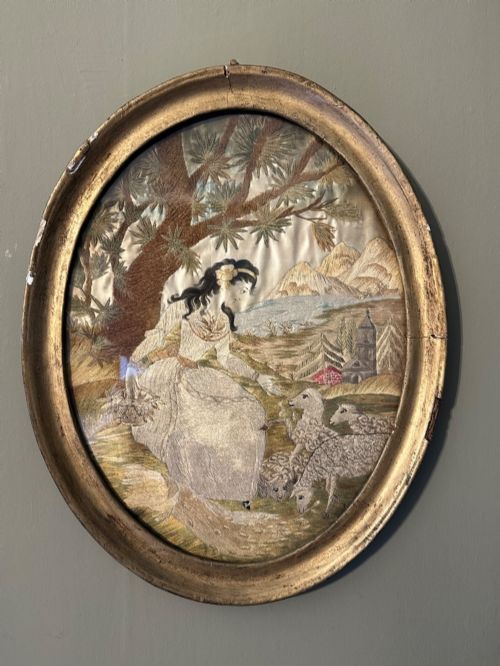
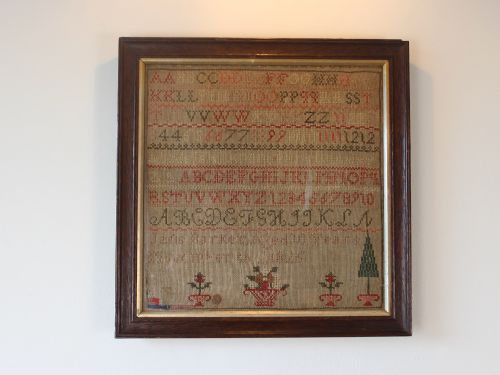
An antique embroidered picture combines textile art, wall art and needlework pictures created across the 17th, 18th, 19th and early 20th centuries. These works include sampler panels, pastoral scenes, animal depictions and historical figures framed behind glass in wood or giltwood surrounds.
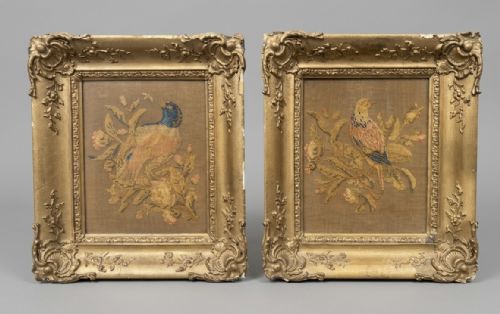
The most common examples on this page date from the 19th and 18th centuries, often featuring floral motifs, birds, silk work and wool work. Buyers encounter diverse stylistic influences ranging from Georgian and Regency elegance to Victorian folk art and Stuart stumpwork.
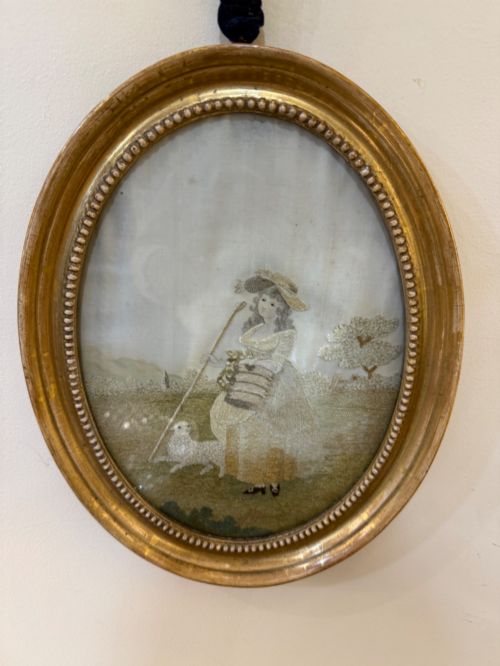
Framed textiles and needlework samplers reflect personal domestic handiwork and professional needlecraft. Pieces range from small oval woolwork pictures of girls in gardens to large tapestries depicting classical portraits and hunting scenes.
Materials and construction
Framing materials protect these fragile textiles, utilising wood, giltwood, faux tortoiseshell and specialised glass such as verre églomisé. The integration of beadwork, crewel work and long stitch techniques defines the texture of each period piece.
Antique Embroidered Picture Retail Price Guide 2026
Typical asking prices for embroidered picture among the pieces listed under this phrase on Sellingantiques today, from the lower quarter to the upper quarter. They describe what is for sale here now, not the wider market.
Listings span from the 17th century to the 1930s, utilising silk, wool, canvas and giltwood frames.
Assessing quality in needlework
Quality rests upon the fineness of the stitching, the complexity of the design and the preservation of the original materials. Tightly executed silk work and detailed needlepoint demonstrate superior technical skill compared to simpler folk samplers.
The integrity of the original frame and glass significantly elevates a piece. Contemporary frames or replacement glazing alter the historic context, whereas original verre églomisé borders or period giltwood frames preserve the complete object.
The Antique Embroidered Picture Glossary
- Stumpwork
- A raised embroidery style popular in the 17th century that uses padded foundations to create three-dimensional figures and motifs. This technique often depicts royal personages and biblical scenes.
- Verre églomisé
- A process of applying gold or silver leaf to glass combined with engraving and painting on the rear face. It frequently appears as a decorative border on Regency and Victorian frames.
- Sampler
- A piece of canvas or linen worked with various stitches and alphabets to demonstrate needlework proficiency. These often record the maker's name, age and date.
- Crewel work
- Embroidery executed with wool yarn on a linen or cotton twill fabric. It is traditionally associated with Jacobean and 19th-century English textile design.
- Gros-point
- A type of count-thread needlepoint worked on canvas using wool yarn. It creates a durable, textured surface suitable for depicting figures and landscapes.
Antique Embroidered Picture: Frequently Asked Questions
How do I date an antique embroidered picture?
Dating relies on stylistic clues, framing materials, and sometimes stitched signatures or dates within the canvas. Alphabet samplers and pictorial works often carry the maker's name and year directly on the textile.
Material analysis also guides the collector. 17th-century pieces frequently utilise Stuart stumpwork and silk panels, while 19th-century examples showcase Berlin wool work and painted silk backgrounds.
Were these pictures always framed?
Most surviving needlework pieces were framed to protect the delicate silk and wool threads from dust and handling. Original frames often consist of giltwood, wood, or specialised glass surrounds.
Unframed panels occasionally appear on the market, requiring careful professional framing behind protective glass to ensure long-term preservation.
How should I hang and light my textile art?
Textile art requires protection from direct sunlight and bright artificial light to prevent the fading of silk and wool threads. Hang pieces on interior walls away from direct heat sources and high humidity.
Using museum glass or UV-filtering acrylic during framing helps shield the delicate embroidery from environmental damage over time.
What is the difference between a sampler and a picture?
A sampler focuses on demonstrating various stitching techniques, alphabets, numbers and motifs like flora or fauna. These were typically educational exercises made by younger needleworkers.
An embroidered picture presents a complete pictorial narrative, landscape or portrait designed specifically as decorative wall art rather than a technical showcase.