

Antique Elm Stool
An antique elm stool brings vernacular character to a room through its resilient timber and honest utility.
Antique Elm Stool
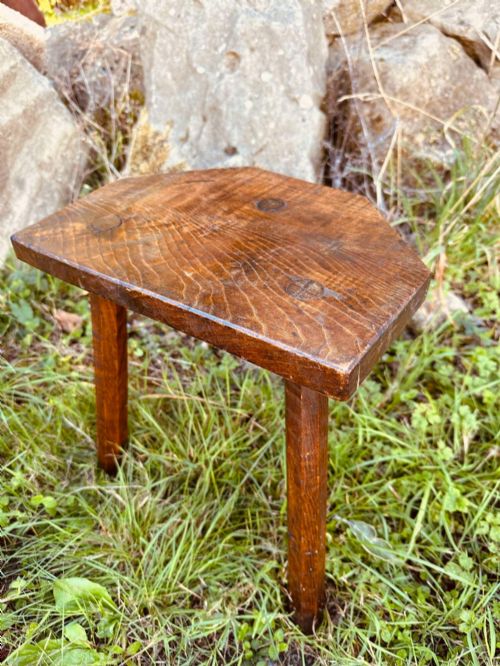
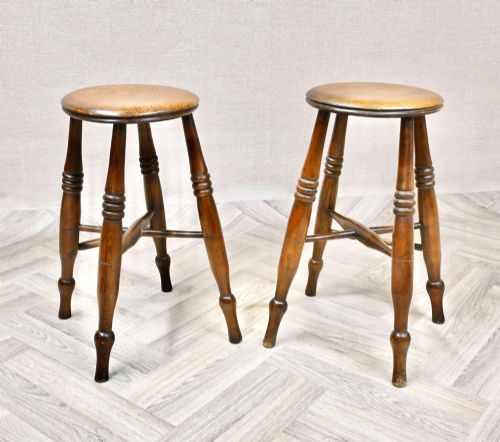
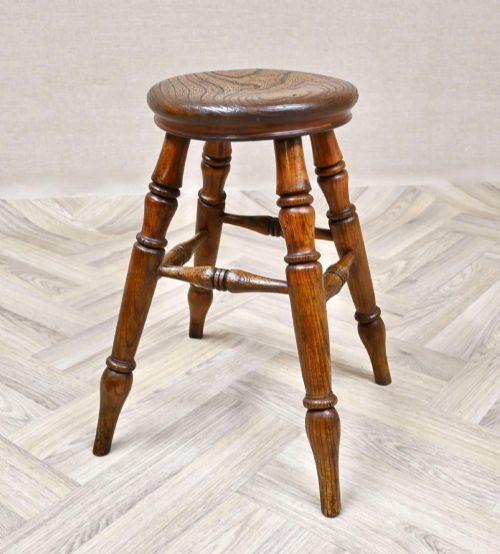
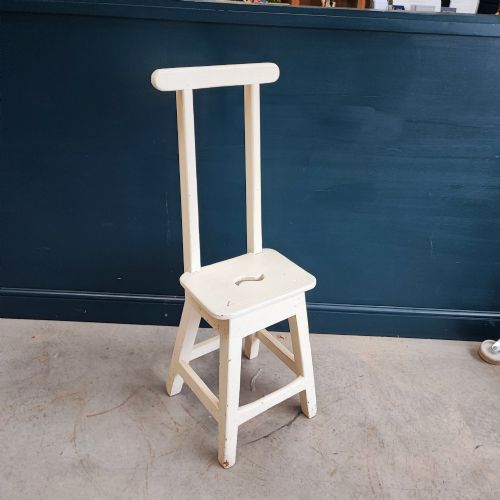
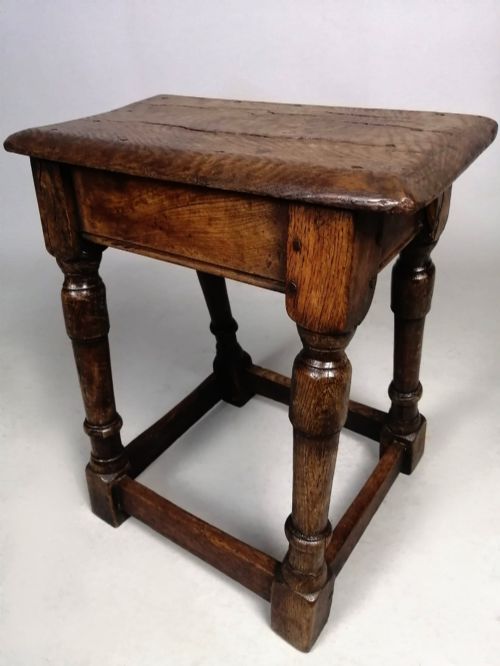
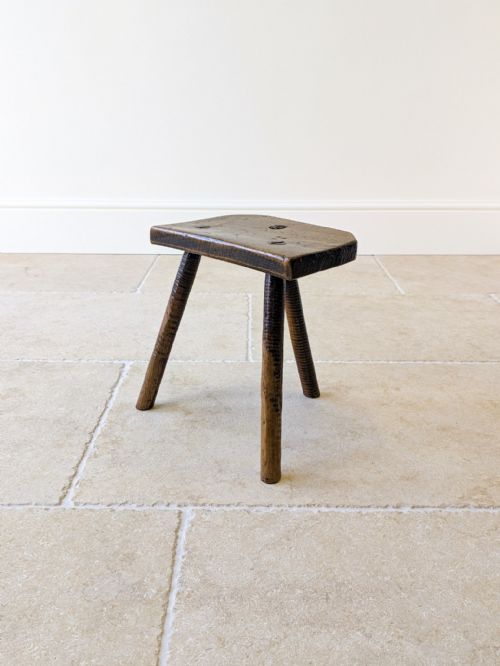
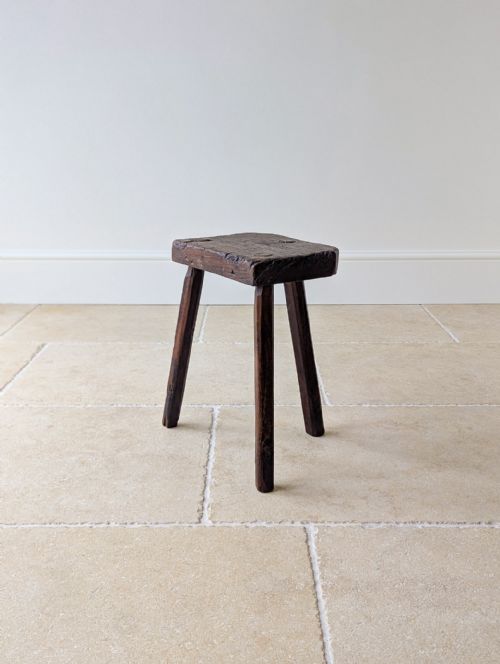
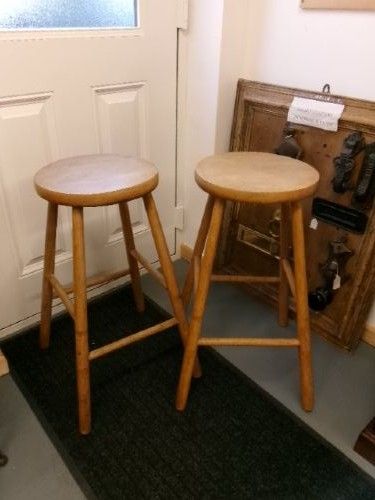
An antique elm stool is a utilitarian seating form shaped by domestic, agricultural or trade use over past centuries. These pieces range from simple three-legged milking stools and tall workshop seats to formal Georgian examples in carved hardwoods.
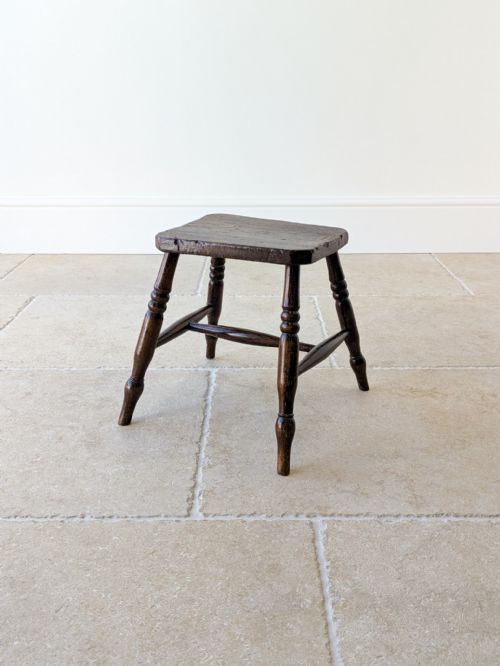
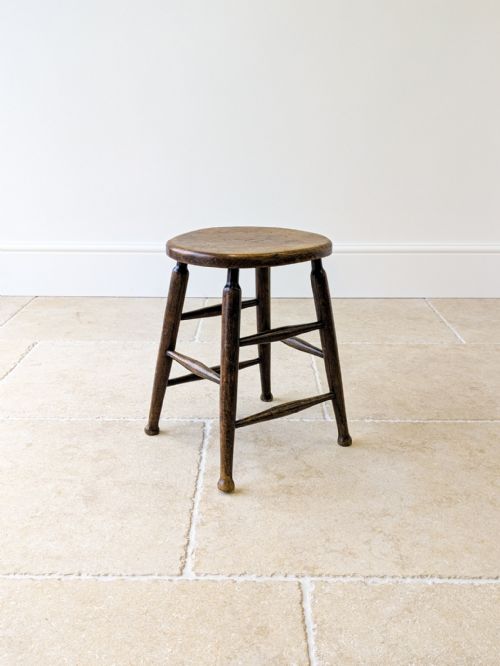
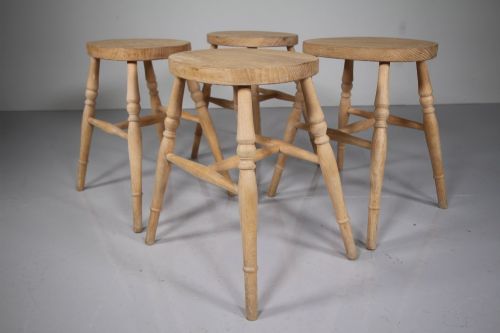
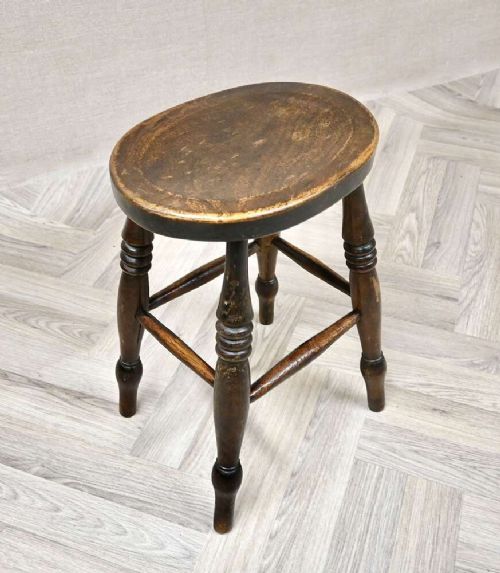
The version most frequently met on this page is the nineteenth-century country stool featuring an elm top paired with ash or beech legs. These vernacular items reflect regional British and provincial furniture traditions.
Beyond basic seating, the category encompasses close stools disguised as small chests, hearth seats and low occasional tables. Their survival relies entirely on the toughness of the timber rather than fragile decorative schemes.
How They Were Made
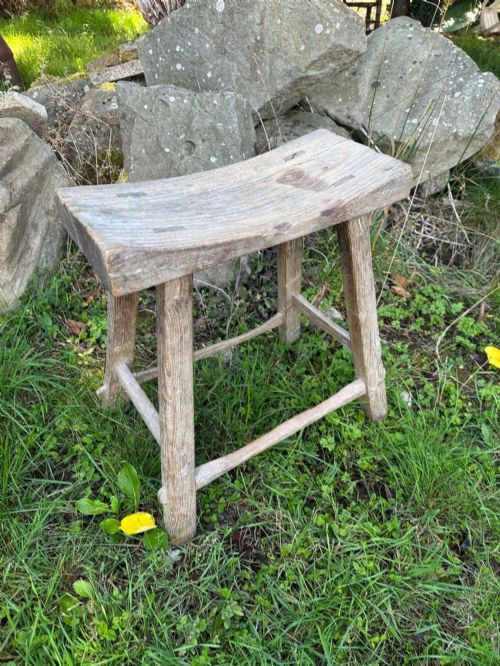
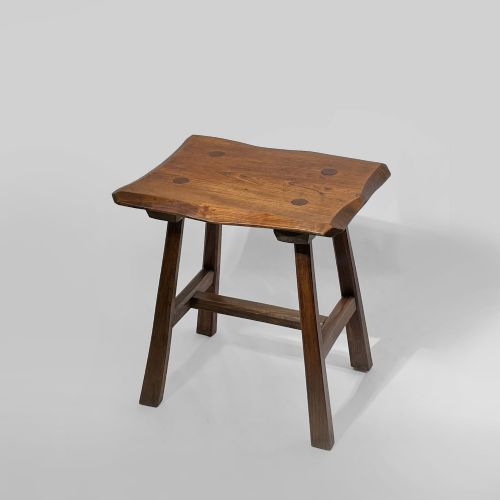
Makers utilised elm for the seat boards because the timber resists splitting when nailed or wedged. This interlocking grain made elm the primary choice for concave dish seats and heavy chopping blocks.
Turned legs in ash, beech or oak were typically joined to the seat using traditional wedged mortise and tenon joints or through-wedged legs. Structural integrity depended on green wood shrinking tightly around seasoned components.
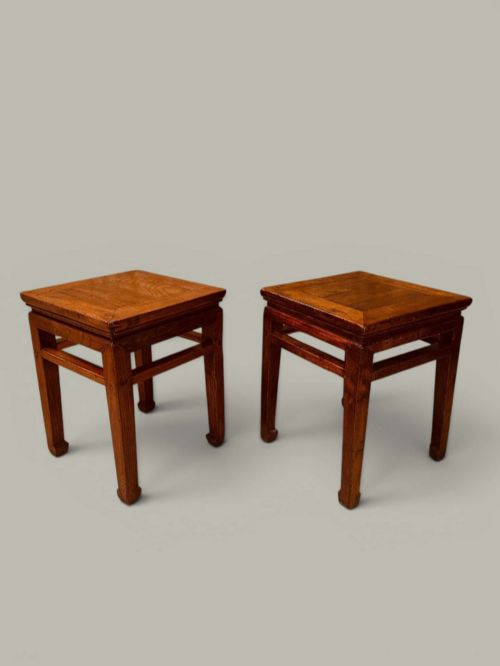
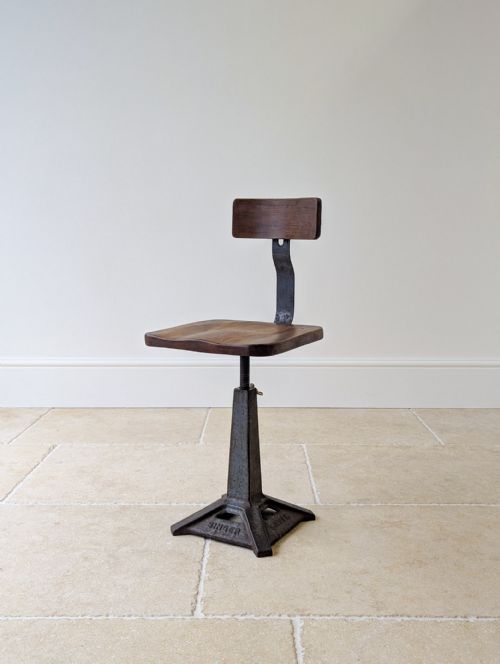
Surface treatments varied from bare scrubbed timber and powdery historic paint to dark lacquer on Chinese provincial pieces. Industrial variants incorporated iron frames alongside wooden tops.
Antique Elm Stool Retail Price Guide 2026
Typical asking prices for elm stool among the pieces listed under this phrase on Sellingantiques today, from the lower quarter to the upper quarter. They describe what is for sale here now, not the wider market.
Listings feature elm combined with ash, beech, oak and brass across periods spanning from seventeen-hundred to the mid-twentieth century.
What Varies in Quality
Quality rests in the depth of the seat dishing and the balance of the leg splay. Superior examples display generous proportions and a tactile, worn smoothness that reveals decades of handling.
Proportion and foot form elevate certain pieces above standard utility items. Ball feet, crisp carvings or original paint surfaces separate workshop masterworks from mundane workaday seating.
Structural honesty dictates the merit of an antique elm stool. Replacements to legs or excessive past repairs diminish the integrity expected by collectors of vernacular furniture.
Singer
The Antique Elm Stool Glossary
- Dish seat
- A wooden seat surface hollowed into a shallow concave shape for comfort. This depression is typically hand- adzed into thick elm boards.
- Joint stool
- A low wooden seat constructed with mortise and tenon joints pegged together rather than turned legs wedged into a slab. These early forms often date to the seventeenth century.
- Close stool
- A piece of furniture enclosing a chamber pot, frequently designed in the form of a small chest or cabinet. Eighteenth-century versions often feature figured elm panels.
- Vernacular style
- Furniture made by local country craftsmen for everyday regional use rather than high-style urban workshops. These objects prioritise function and local timber availability.
Antique Elm Stool: Frequently Asked Questions
What were antique elm stools used for?
These stools served specific manual trades, domestic tasks and agricultural labour across farms, dairies and workshops. Milking, cutting leather, lacing boots and weaving all required dedicated low or high seating.
Over time, many surviving pieces transitioned from functional workplace items into decorative accents within modern domestic interiors.
How do I date an antique elm stool?
Dating relies on observing construction methods, tool marks, timber characteristics and leg turnings. Early eighteenth-century examples often combine oak frames with elm tops, while nineteenth-century country pieces frequently employ ash or beech legs.
Changes in stylistic vernacular and surface wear patterns also help place a stool within Georgian, Victorian or Edwardian periods.
Are three-legged stools older than four-legged ones?
Three-legged construction was common for milking and workshop stools because three points of contact remain stable on uneven stone floors or farmyard earth. This tripod design persisted across centuries alongside four-legged rectangular variants.
Leg configuration alone does not determine age, as both formats were produced concurrently throughout the rural craft tradition.
How should I care for an elm seat?
Elm responds best to stable indoor humidity and occasional applications of microcrystalline wax to nourish dry timber. Avoid placing antique stools near direct heat sources that might cause the wood to shrink or split.
Gentle dusting with a soft cloth preserves historic surface patination, whether bare scrubbed wood or traces of old paint.