

Antique Elm Seat Chair
When you search for an antique elm seat chair, you are stepping into a tradition of vernacular woodworking built for comfort and hard everyday use.
Antique Elm Seat Chair
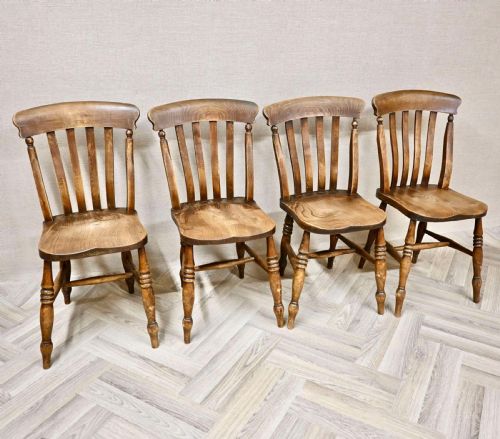
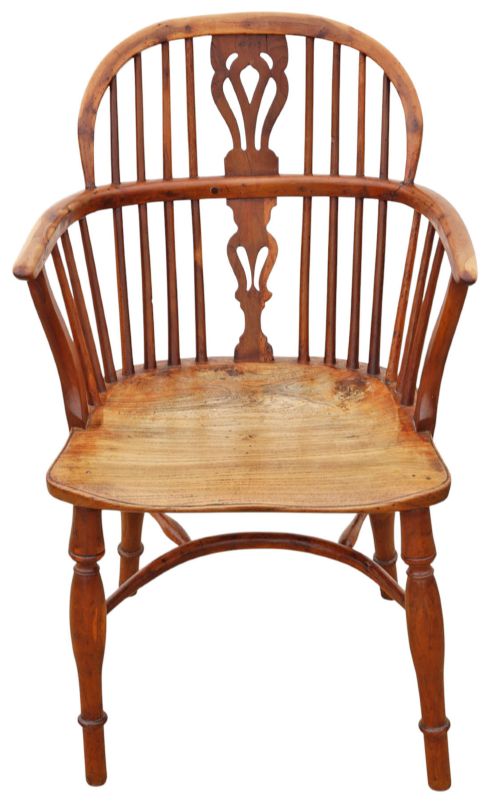
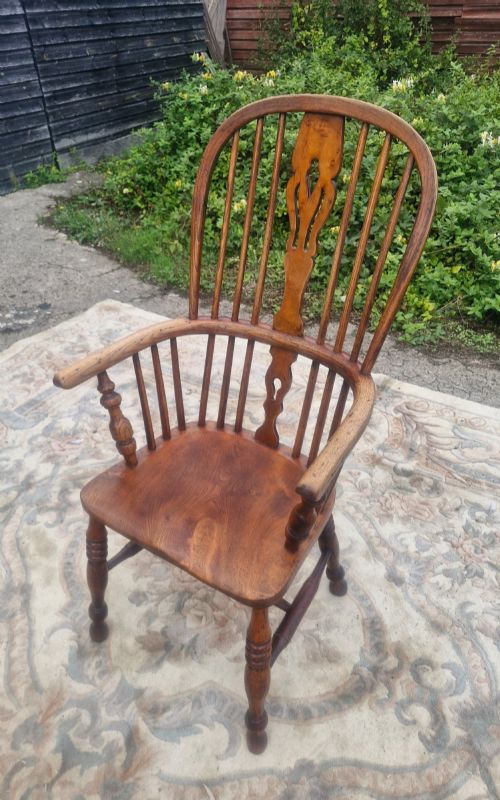
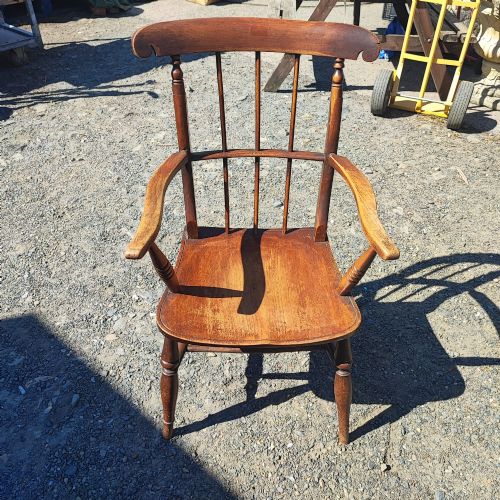
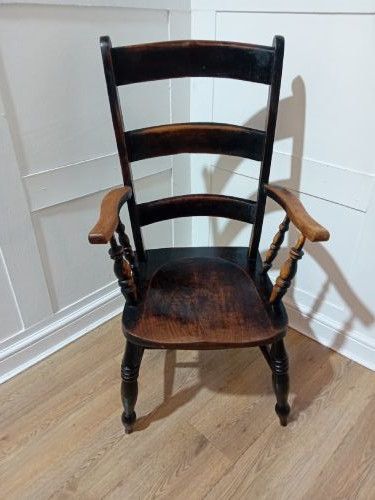
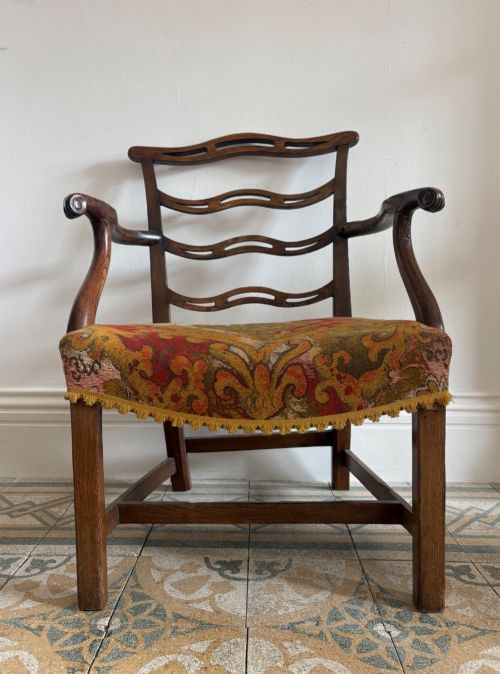
An antique elm seat chair is a piece of vernacular country seating, usually designed as a Windsor, a kitchen dining chair, or a low fireside seat. These pieces draw on English country, Georgian, and Victorian traditions where sturdy local timbers formed the basis of domestic furniture.
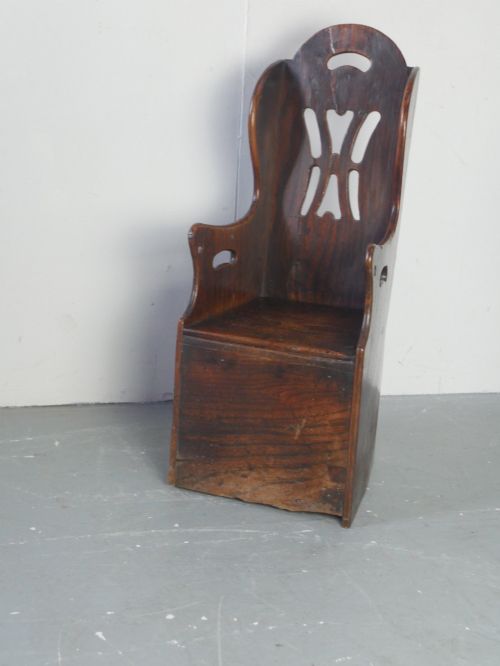
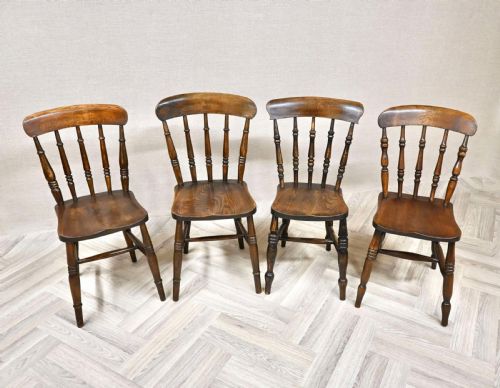
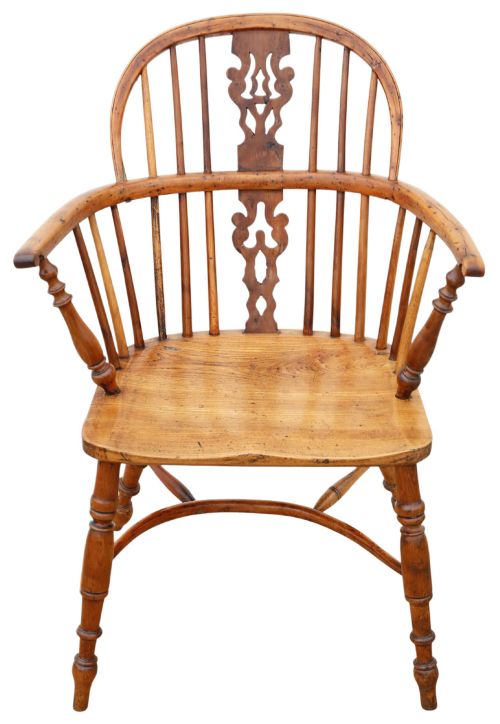
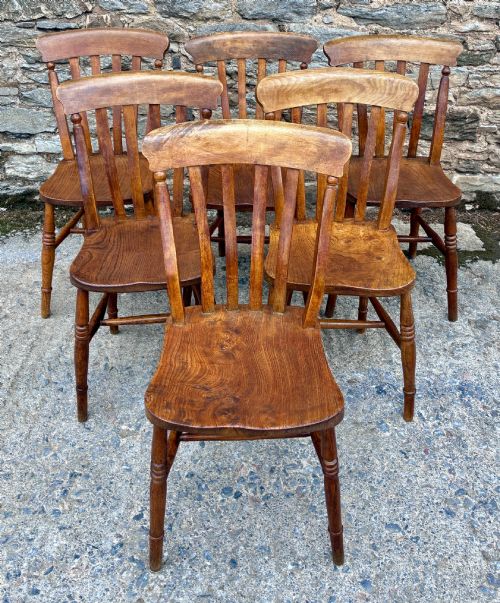
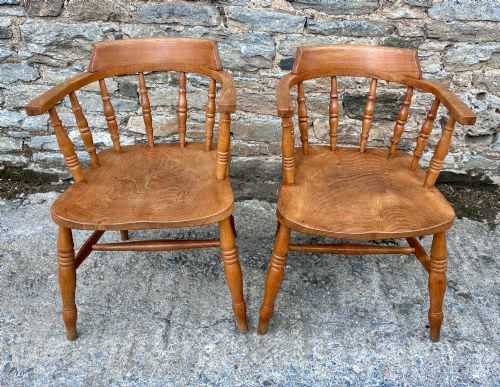
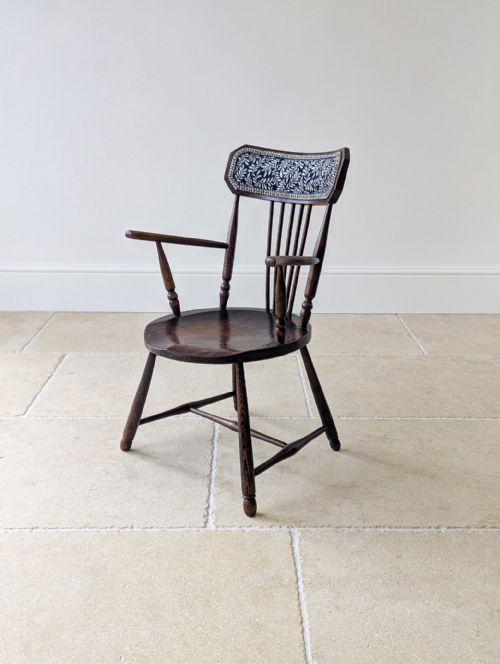
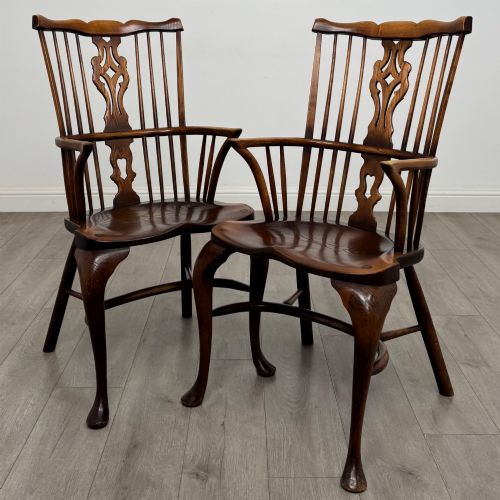
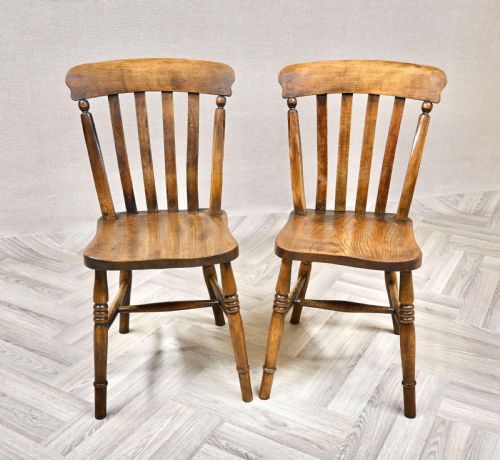
You will most frequently encounter Windsor armchairs, spindle-back dining sets, and captain's chairs on this page. The forms range from simple single chairs for the farmhouse table to high-backed carvers and rocking chairs meant for the hearth.
Origins span regional English workshops, including Thames Valley and West Country makers, alongside occasional Chinese elm yokeback and side chairs. The common thread across all these variations is the thick, sculpted wooden seat plank carved from native elm.
How they were made
Makers utilised elm for the solid seat boards because the interlocking grain resists splitting under pressure, allowing the timber to be deeply saddled and shaped for the sitter. This primary plank was then combined with contrasting woods such as ash, beech, or oak for the steam-bent bows, spindles, and legs.
Construction relied on traditional green woodworking and mortise-and-tenon joints, where seasoned spindles were driven into unseasoned seats so that as the wood dried, the joints tightened permanently. Frame components were often turned on foot-powered pole lathes before final assembly and finishing.
Several armchairs are noted as carver elbow-chairs, ready to take command of the family dining table once again.
What varies in quality
Quality rests in the depth and comfort of the saddle-moulding on the elm seat and the grace of the turned undercarriage. Superior examples display balanced proportions in the hoop or comb back, with finely tapered spindles and well-sculpted arm terminals.
The integrity of the original timber and the retention of early surface finishes separate the exceptional pieces from standard utility items. A chair that maintains its structural rigidity without excessive timber replacement or unsympathetic modern glues represents the peak of regional craftsmanship.
The Antique Elm Seat Chair Glossary
- Windsor chair
- A chair built with a heavy solid wooden seat into which the legs, back spindles, and bow are all separately inserted. They were widely produced in regional English workshops using local hardwoods.
- Smoker's bow
- A low-backed Windsor armchair with a continuous curved arm rail supported by turned spindles, often used in farmhouse smoking rooms and offices.
- Wheelback
- A vernacular chair style featuring a pierced wooden splat in the centre of the backrest shaped like the hub and spokes of a cartwheel. This decorative motif became popular during the nineteenth century.
- Rush seat
- A traditional woven seating surface made from dried marsh rushes twisted around a wooden frame. It appears frequently on ladder-back and spindle-back country chairs.
- Penny seat
- A regional term for a round wooden seat base dished out in a shallow circle, reminiscent of a large coin. These seats are typical of early country chairs.
- Comb back
- A Windsor chair design where the central vertical spindles extend upward to support a horizontal headrest piece resembling a hair comb. This form dates back to the eighteenth century.
Antique Elm Seat Chair: Frequently Asked Questions
What is an elm seat chair?
An elm seat chair is a traditional wooden seat featuring a thick, carved plank of native elm combined with turned ash, beech, or oak framing members. These pieces were made for everyday domestic use in kitchens, farmhouses, and cottages.
Elm was chosen for the seat because its tangled grain prevents cracking when carved into a comfortable saddle shape. The resulting chairs range from simple spindle-backs to elaborate Windsor armchairs.
How do I date an antique elm chair?
Dating these chairs involves examining the tool marks, construction methods, and timber patination. Eighteenth-century examples often feature broader proportions and hand-turned components, while Victorian pieces show more standardised lathe work.
Changes in backrest styles, such as the transition from early comb backs to nineteenth-century wheelbacks, also help establish the period. Original surface finishes and signs of long-term wear provide further clues to age.
Were these chairs used for dining?
Many elm-seated chairs were made as sets for farmhouse and country kitchen dining tables. Single chairs and carvers were gathered around the hearth or used at desks.
Lower fireside versions and rocking chairs served specific domestic purposes in the parlour or bedroom. Their robust construction meant they moved easily between rooms as household needs changed.
How do I care for an antique elm chair?
Living with these chairs requires maintaining stable indoor humidity to prevent the solid elm seats from drying out or splitting. Dusting with a soft cloth and occasionally applying a traditional wax polish preserves the surface.
Avoid placing them near direct heat sources or radiators, which can stress the historic timber and loosen the traditional joints. Routine checks of the leg wedging will keep the structure stable.