



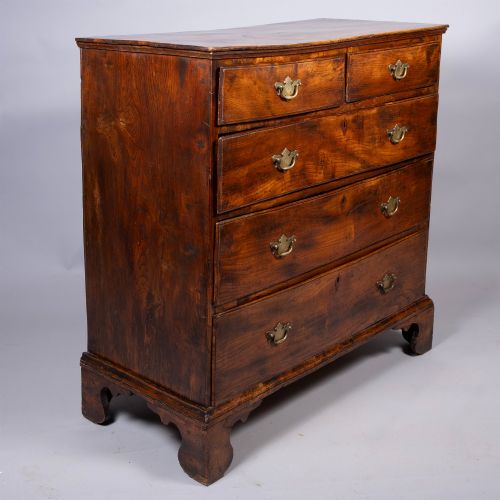
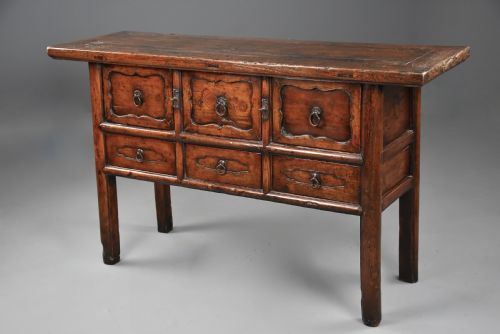

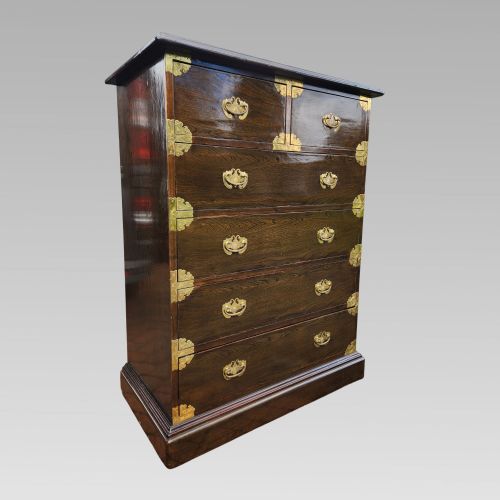


Antique Elm Dresser
An antique elm dresser brings robust country character and striking grain to a room through centuries of practical woodworking.
Antique Elm Dresser
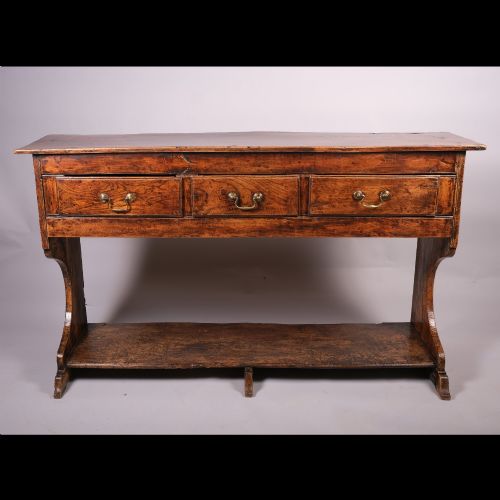
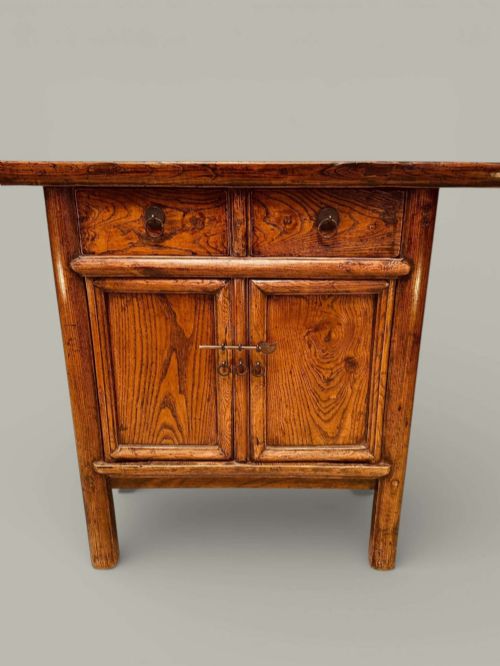
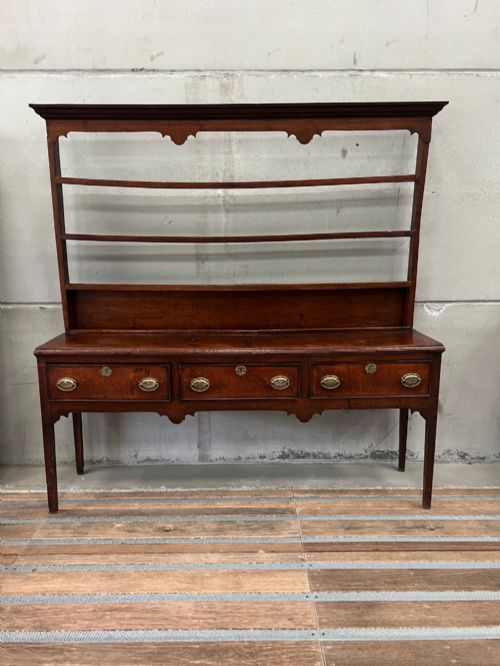
An antique elm dresser combines open display shelving or enclosed storage with solid timber construction, originating from regional workshops across Britain, Europe, and Asia. When searching for this phrase, buyers encounter substantial country pieces designed for domestic utility, ranging from low dresser bases to towering architectural display cupboards.
The selection on this page spans several distinct periods, with eighteenth and nineteenth-century examples dominating the inventory alongside provincial interpretations from French, Dutch, and Chinese traditions. Oak frequently pairs with elm in these builds, appearing alongside supplementary timbers like ash, pine, and sycamore in regional pieces.
Beyond standard kitchen dressers, the category encompasses related forms such as court cupboards, server bases, and sideboards that share the same utilitarian heritage. These pieces reflect local cabinet-making habits from eras when sturdy domestic furniture needed to withstand daily kitchen and dining demands.
How they were made
Makers utilised solid elm timber for its tough, interlocking grain, which resists splitting despite the wood's natural tendency to twist during seasoning. This fibrous quality made elm well suited for heavy tabletops, structural bases, and deep drawer linings that required high impact resistance.
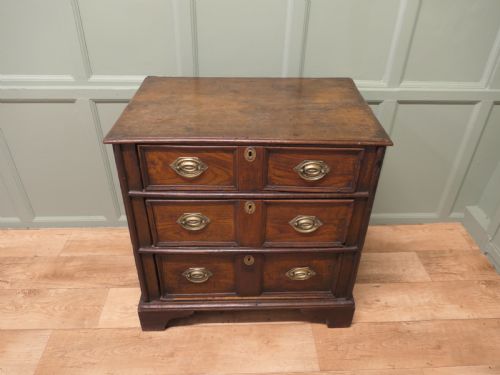
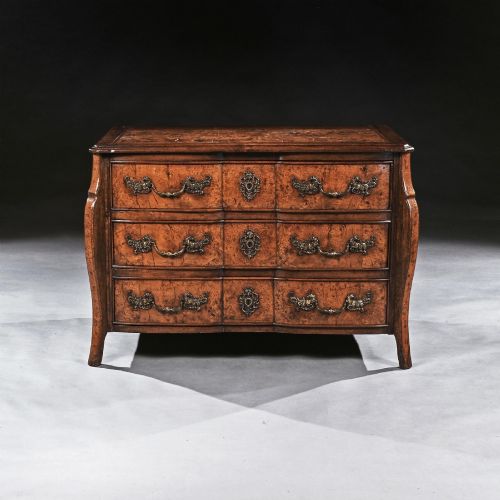
Elm frequently appeared alongside oak for structural framing, while burr elm veneer provided highly figured decorative surfaces on high-status commodes and drawer fronts. Cabinet makers incorporated brass handles, iron hinges, and bronze mounts to secure doors and drawers across diverse regional styles.
Joinery methods relied on pegged mortise and tenon joints to stabilise the heavy timber frames, complemented by hand-cut dovetails on drawer construction. Surfaces received hand-planed finishes that developed rich patinas over generations of use and polishing.
Antique Elm Dresser Retail Price Guide 2026
Typical asking prices for elm dresser among the pieces listed under this phrase on Sellingantiques today, from the lower quarter to the upper quarter. They describe what is for sale here now, not the wider market.
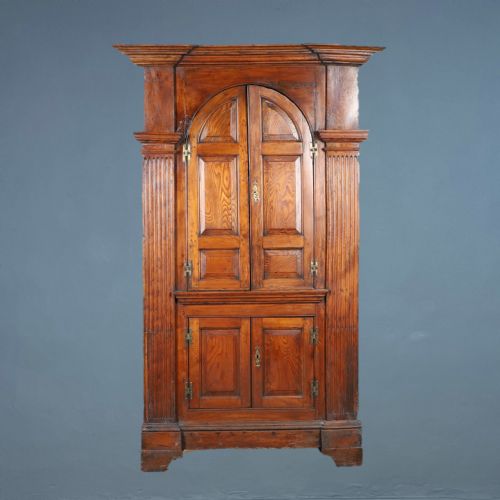
The inventory records practical domestic forms ranging from low serving tables and side cabinets to tall architectural corner cupboards.
What varies in quality
Quality rests primarily in the selection of the timber and the depth of the natural patina accumulated over centuries of handling. Plain boards contrast with highly figured burr elm, where swirling grain patterns elevate domestic storage into notable cabinet work.
The integrity of the construction distinguishes superior regional pieces from simpler utility items, evident in the tightness of hand-cut joints and the retention of original brass hardware. Proportion and restraint in architectural mouldings separate accomplished provincial workshops from routine country joinery.
Whytock and Reid·Augustus Pugin
The Antique Elm Dresser Glossary
- Burr elm
- A growth deformity in the elm tree that produces highly decorative, swirling grain patterns. Cabinet makers prized this timber for high-status drawer fronts and commodes.
- Dresser base
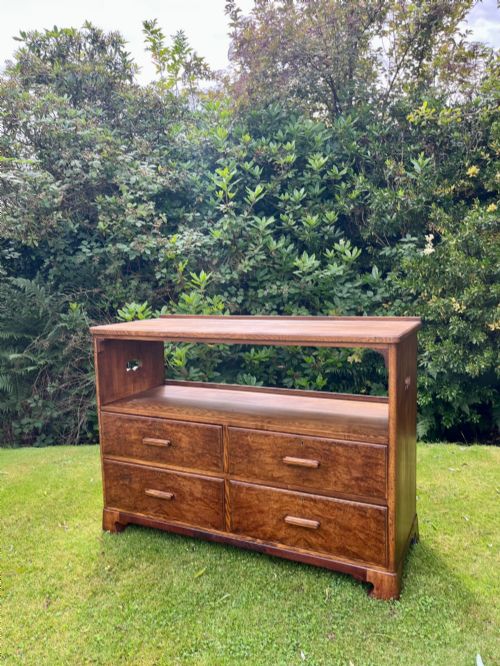
- The lower section of a kitchen dresser, functioning as a sideboard or serving table without the upper plate rack. These surfaces provided ample working room in country houses.
- Deux corps
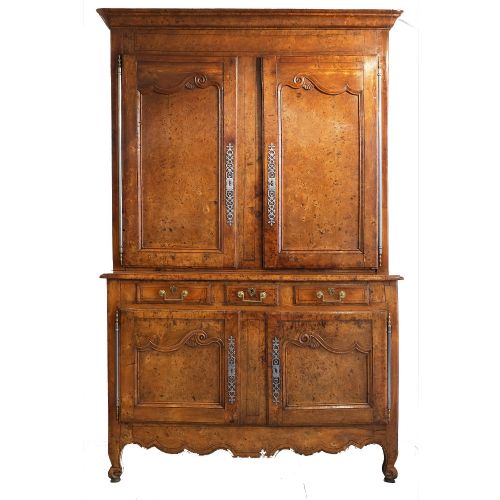
- A large two-part cabinet consisting of an upper cupboard section resting upon a deeper lower base. French and continental workshops produced these substantial storage units.
- Patina
- The surface sheen and darkening developed by wood over decades of exposure to light, air, and wax polishing. This quality signals age and honest domestic service.
- Court cupboard
- An antique enclosed cupboard used for storing food and utensils, typically featuring a recessed upper section supported by heavy columns. These pieces date back to early provincial joinery.
Antique Elm Dresser: Frequently Asked Questions
How do I care for antique elm furniture?
Keep wooden surfaces away from direct heat sources and sudden humidity shifts to prevent the timber from splitting. Feed the grain periodically with traditional beeswax to maintain the natural sheen and protect the patina.
Avoid synthetic cleaning sprays, relying instead on a soft, dry cloth for dusting. Gentle maintenance preserves the historic surface texture built up over centuries of use.
Are these dressers suitable for modern kitchens?
These robust sideboards and dressers offer generous storage capacity that suits contemporary dining rooms and kitchens alike. Their earthy timber tones anchor modern interiors with historical warmth and practical shelving.
Check room dimensions carefully before purchase, as country proportions can be surprisingly deep and heavy. Placement away from damp walls ensures the timber remains stable in heated environments.
What is the difference between an English and a Welsh dresser?
Welsh dressers traditionally feature taller plate racks designed to display extensive collections of ceramic tableware in farmhouse kitchens. English regional variations often emphasise enclosed cupboard space or low serving bases without towering display shelves.
Both types utilise native hardwoods like elm and oak, but regional building traditions dictated the arrangement of drawers and cupboards. Examining the backboards and timber combinations helps identify the likely geographic origin.
How can I tell an eighteenth-century piece from a later revival?
Eighteenth-century examples display hand-sawn timber marks, irregular hand-cut dovetails, and genuine wear patterns around frequently handled drawer edges. Revival pieces from later periods often feature uniform machine-cut joints and cleaner, less undulating board surfaces.
Inspect the interior drawer linings and secondary woods like pine or ash for signs of period construction methods. The presence of original iron or brass hardware also provides clues to the true age of the assembly.