


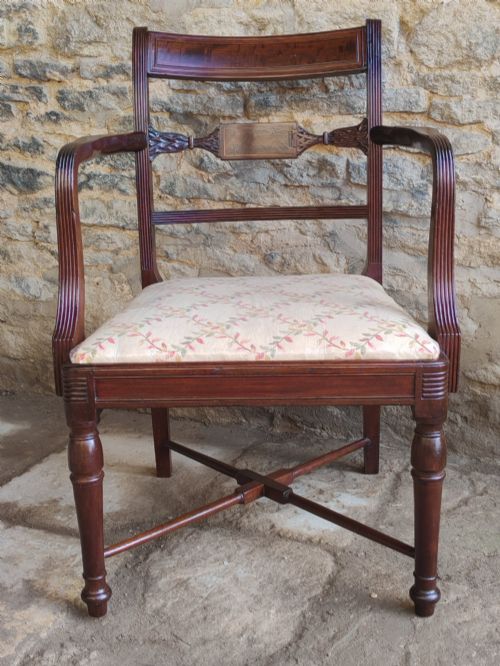
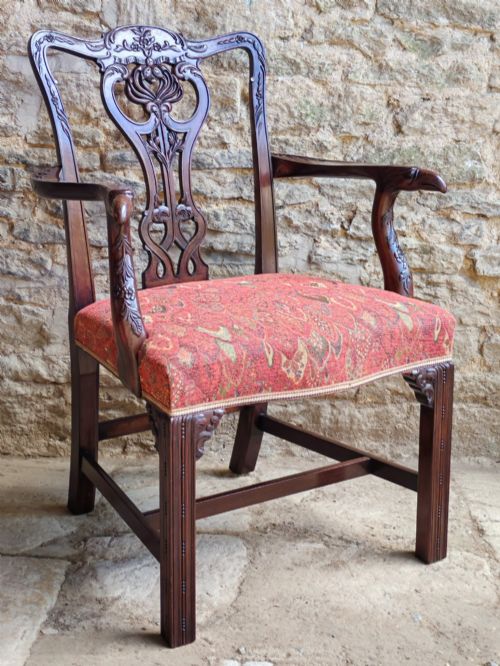
Antique Elbow Armchairs
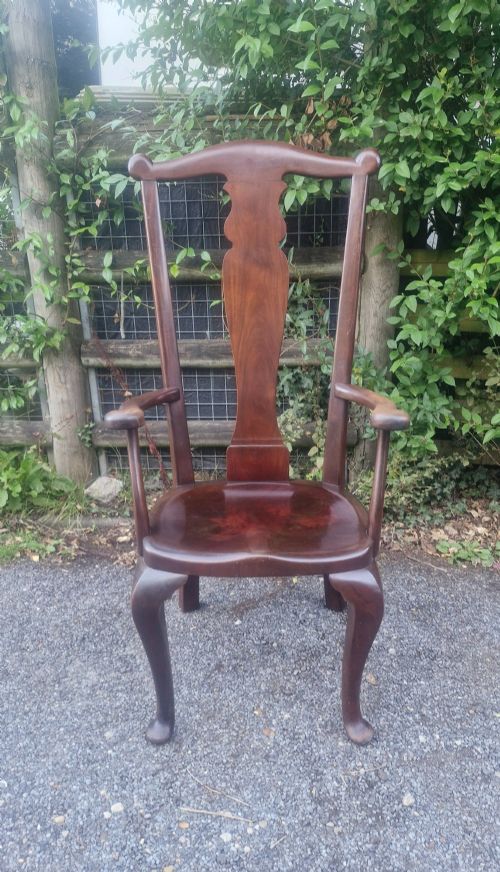
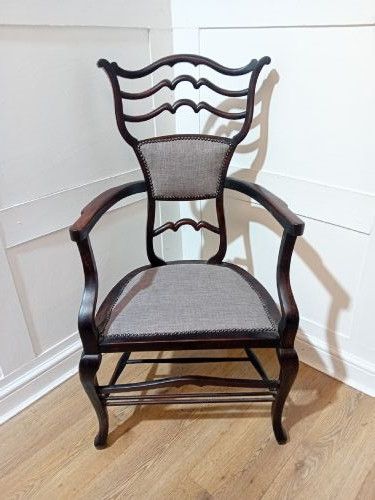
These antique elbow armchairs bring historic craft into the room, offering sturdy timber frames and supportive armrests shaped for reading, dining or desk work.
Antique Elbow Armchairs
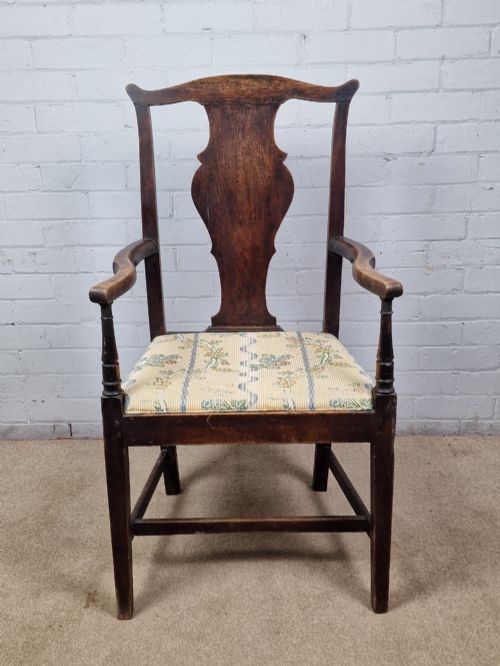
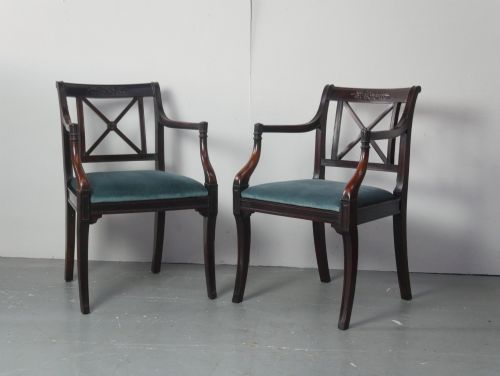
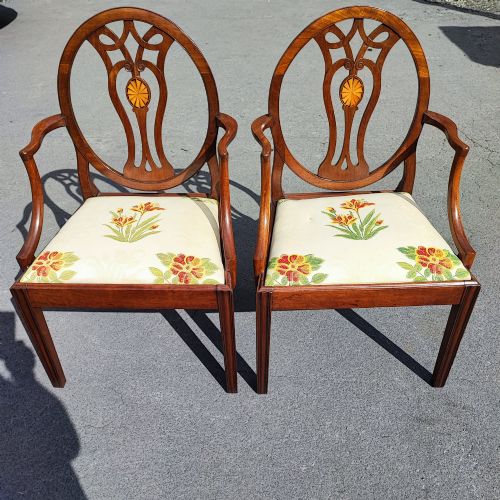
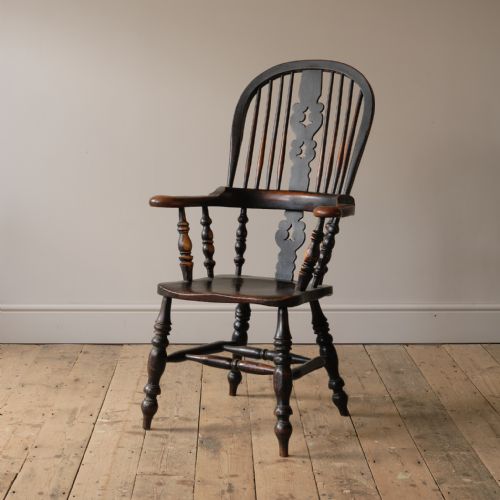
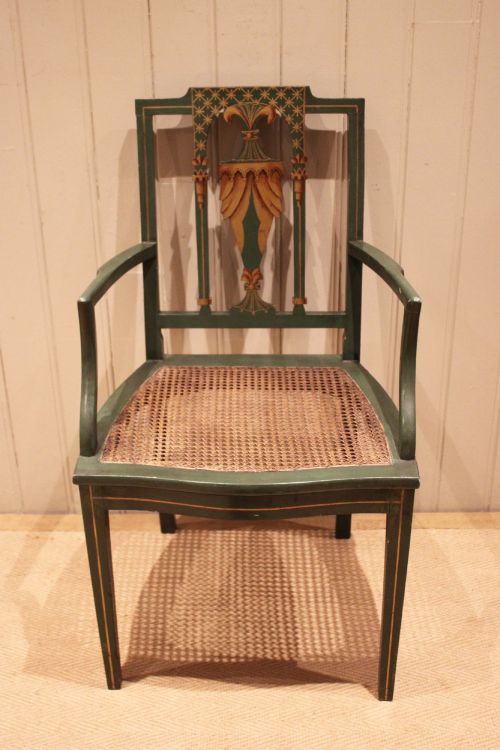
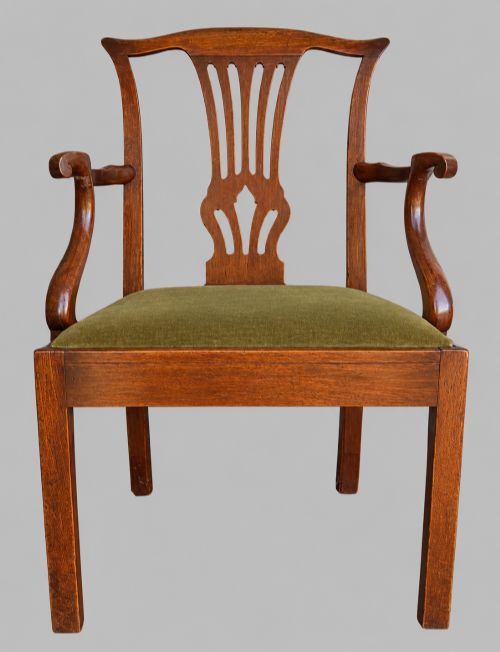
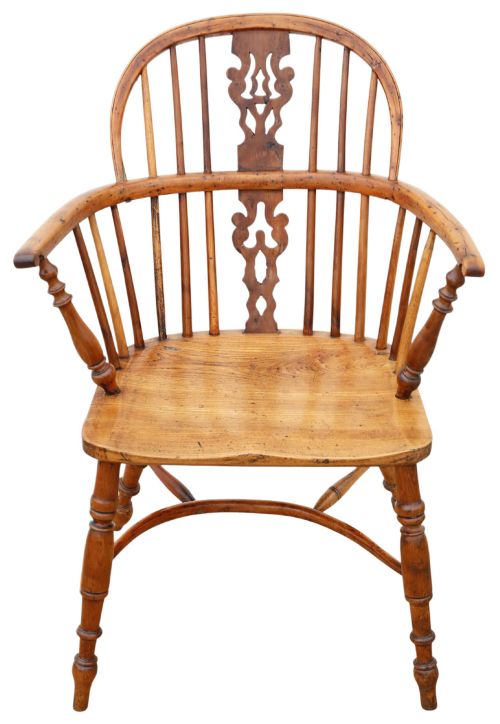
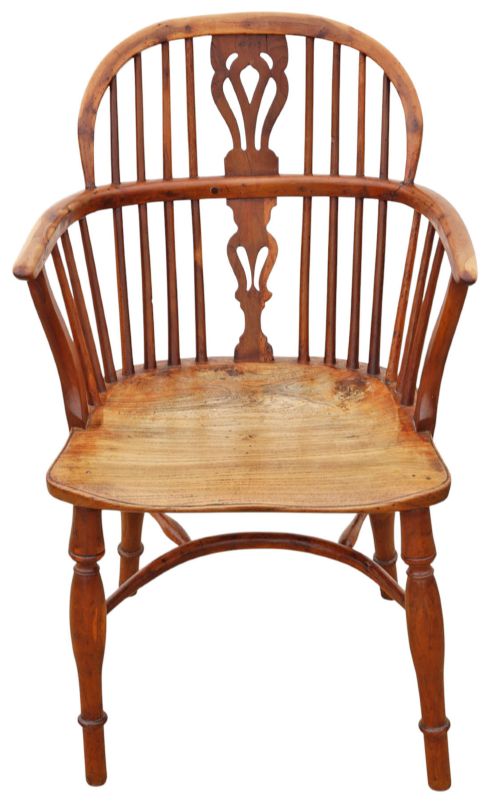
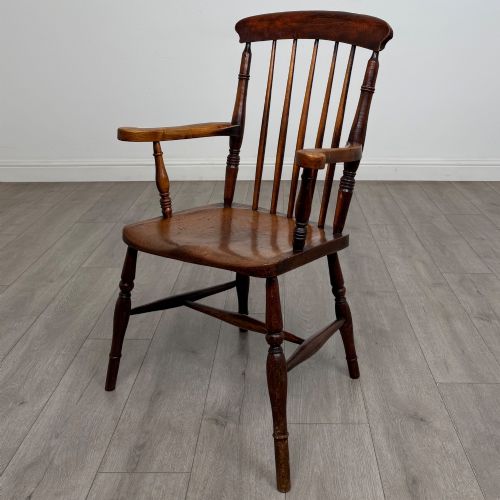
Antique elbow armchairs span formal dining carvers, library seating and country Windsor forms produced across the eighteenth and nineteenth centuries. Buyers searching this phrase encounter everything from mahogany Regency library seats to sturdy ash and elm country arm chairs made for farmhouse kitchens.
The selection ranges from George III mahogany frames to Victorian oak and beech seating, alongside Arts and Crafts rush-seated designs. Regional variations such as Thames Valley Oxford chairs and Scottish George III examples appear alongside French walnut fauteuils.
How they were made
Cabinet makers utilised dense hardwoods including mahogany, oak, yew, fruitwood and walnut for structural stability, shaping arms and legs through turning and joinery. Country versions combined ash, elm and beech, often utilising steam-bending techniques for curved comb-backs and stick-back supports.
Upholstery methods involved horsehair and webbing beneath coverings of velvet, leather, silk, tapestry or printed fabric. Caned panels and rush seating provided flexible support in lighter morning room and library chairs.
What varies in quality
Quality rests in the crispness of carved details on mahogany show-frames and the organic harmony of mixed-timber Windsors where yew and elm meet ash. Finer examples display thoughtful proportion in the scroll of an elbow rest and the taper of a leg.
Original surface finishes, whether polished mahogany or early paint, separate preserved pieces from heavily restored ones. Structural integrity in the joints where the arms join the uprights dictates daily usability.
Howard and Sons·Morris and Co
The Antique Elbow Armchairs Glossary
- Carver
- A dining chair with arms, designed to sit at the head of a table or serve as an occasional seat.
- Windsor
- A chair built with a solid wooden seat into which the legs, back sticks and arms are separately inserted.
- Fauteuil
- An open-framed French armchair with upholstered armrests, popular in period reception rooms.
- Rush seat
- A woven seating surface made from dried marsh grasses, common in country and Arts and Crafts chairs.
- Ladderback
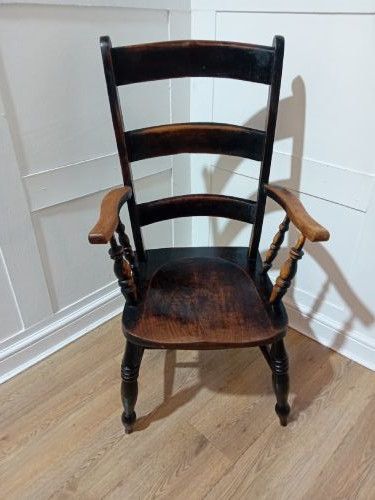
- A chair back featuring multiple horizontal wooden slats between two upright posts.
Antique Elbow Armchairs: Frequently Asked Questions
Where should I place an antique elbow armchair?
These chairs suit studies, libraries and bedrooms where their supportive arms and compact footprints function well alongside desks or reading tables. They also serve as end chairs at a dining table.
Because many feature open wooden frames or low profiles, they do not overwhelm smaller spaces while providing practical seating for daily use.
How do I care for antique wood and upholstery?
Maintain timber frames by dusting with a dry cloth and occasionally applying suitable wax to nourish older polished surfaces. Keep them away from direct heat sources and strong sunlight to prevent timber splitting and fabric fading.
Vacuum upholstered pads gently using a soft brush attachment. Professional cleaning is recommended for antique textiles such as silk and velvet.
What is the difference between a carver and a library chair?
Carvers were traditionally made to match sets of dining chairs, featuring arms to accommodate the head of the table. Library chairs were built specifically for reading rooms, often offering wider proportions and upholstered seats.
Both fall under the wider description of elbow chairs due to their side supports, though library versions frequently prioritise cushioned comfort over formal upright posture.
How can I tell a country Windsor from a formal mahogany armchair?
Country Windsor chairs rely on spindle-back construction, exposed saddle seats and mixed timbers like elm, ash and yew. They emphasise rustic utility and regional joinery traditions rather than polished formality.
Formal mahogany armchairs display carved decorative motifs such as Chippendale style fretwork, lyre backs or Regency gilding, reflecting urban cabinet-making standards.