


Antique Egyptian Art
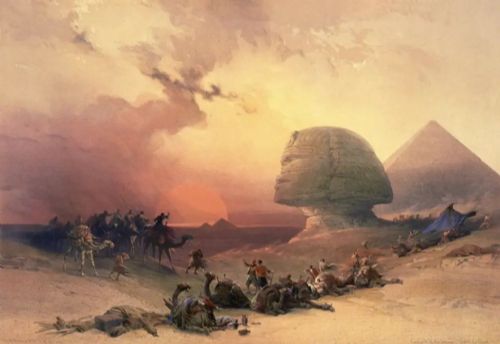
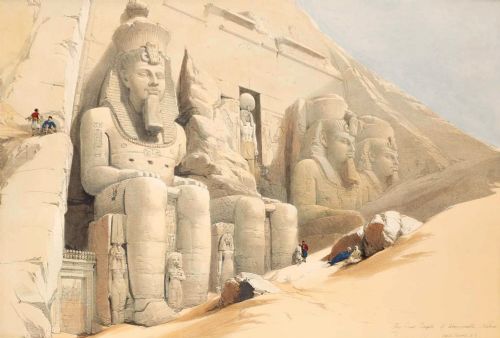
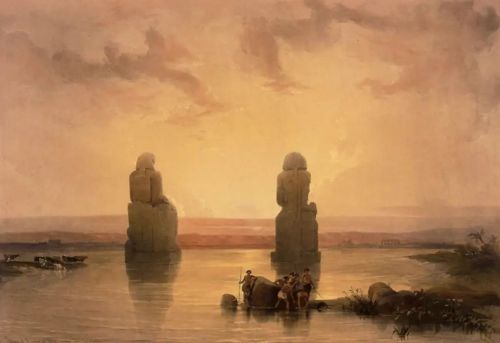
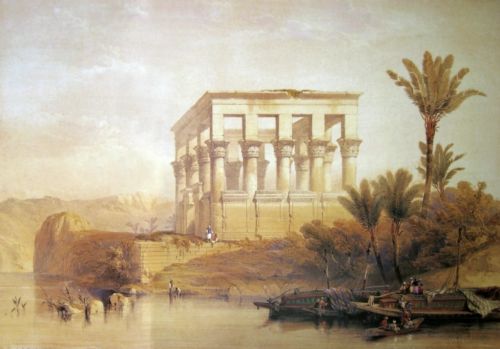
Antique egyptian art brings together nineteenth-century paintings, cold-painted bronzes and revival decorative objects that capture a Western fascination with the Nile.
Antique Egyptian Art
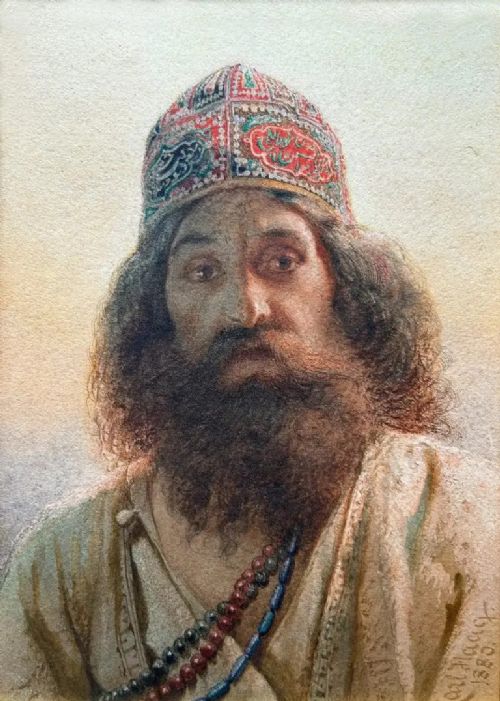
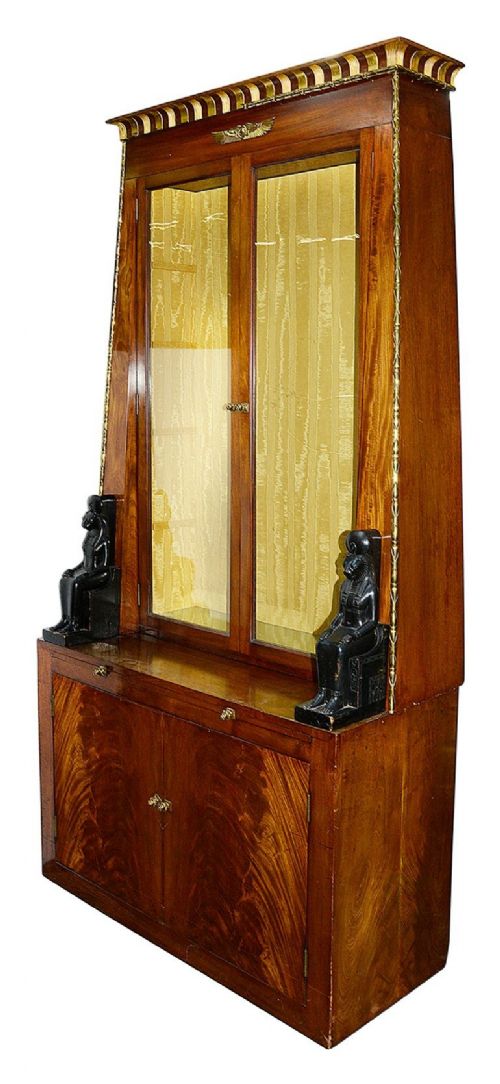
Antique egyptian art encompasses works created during the Victorian and early twentieth-century periods, spanning the nineteenth century through the nineteen-forties. Buyers searching for antique egyptian art will encounter a mix of fine art prints, watercolours, oil paintings, bronze sculptures, and revival furnishings such as Thebes stools.
The objects on this page largely reflect European interpretations of Near Eastern and Nile subjects rather than ancient artefacts themselves. Styles range from Victorian Orientalism and nineteenth-century realism to Art Nouveau and Art Deco Egyptian revival pieces.
Materials and construction
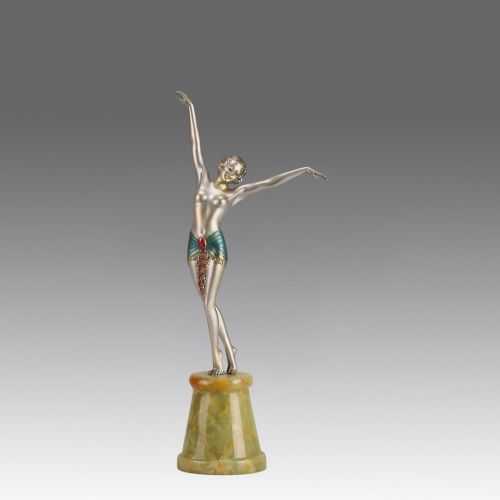
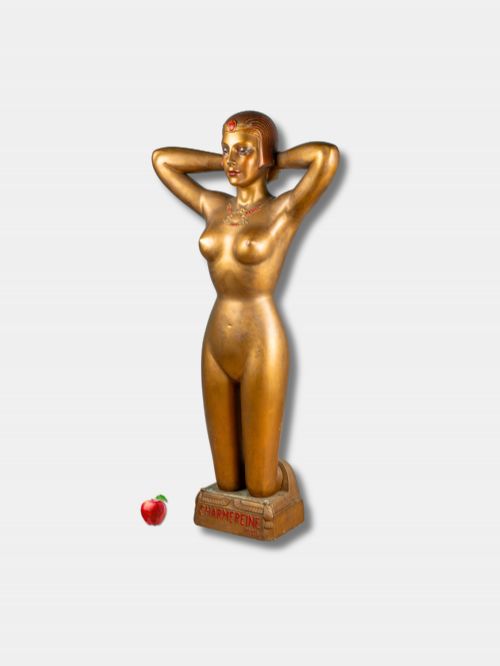
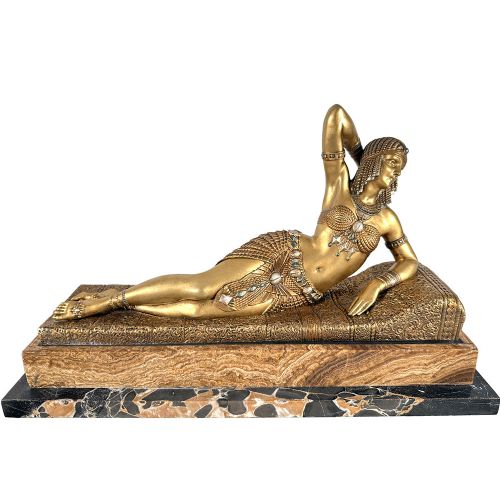
Bronzes and cold-painted metals utilise casting techniques often mounted on marble bases or finished with enamel and gilt. Paper works employ watercolour, ink, oil, and reverse glass printing methods like chrystoleum.
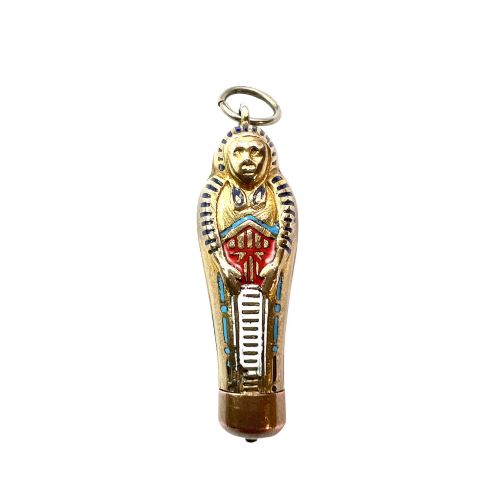
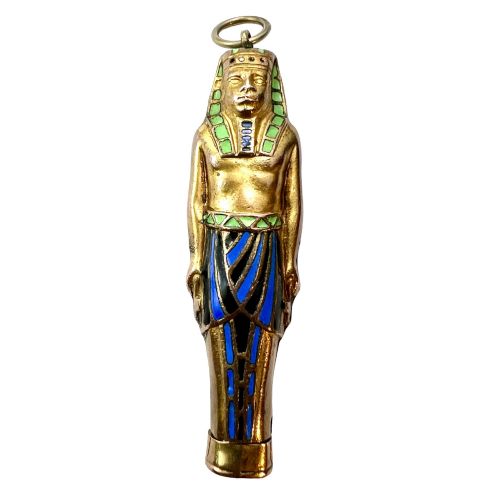
Wooden furnishings such as stools rely on traditional carpentry and turned construction, whilst jewellery and pendants incorporate silver, pewter, pearls, and plique-à-jour enamel.
Listings feature watercolours, cold-painted bronzes, silver pendants, and oil paintings across Victorian, Art Nouveau, and Art Deco periods.
Assessing quality
Quality in these pieces rests upon the precision of the casting in bronzes, the depth and vibrancy of enamel work, and the fidelity of detail in hand-painted watercolours and oils. Signed works and attributed pieces demonstrate superior craftsmanship compared to unmarked production.
The integrity of materials such as solid silver, cold-painted patination, and genuine period framing distinguish the finer examples from standard decorative output.
David Roberts·Josef Lorenzl·Franz Bergman·Demetre Chiparus·Levinger and Bissinger
The Antique Egyptian Art Glossary
- Cold-painted bronze
- A bronze sculpture painted with oil-based colours after casting, which requires careful handling to preserve the delicate surface finish over time.
- Chrystoleum
- A Victorian method of applying hand-colouring to a reverse glass print, creating a luminous image that mimics an oil painting.
- Thebes stool
- A low, three-legged wooden stool inspired by ancient Egyptian designs, popularised during the late nineteenth century by firms such as Liberty & Co.
- Plique-à-jour
- An enamelling technique where the enamel is fired without a backing, resembling miniature stained glass and allowing light to pass through.
- Orientalism
- A nineteenth-century artistic movement depicting scenes and people of the Middle East and North Africa through Western eyes.
Antique Egyptian Art: Frequently Asked Questions
Are these pieces from ancient Egypt?
These items date from the nineteenth and twentieth centuries rather than antiquity. They represent later European and American artistic responses to Egyptian history and culture.
Collectors value them for their period craftsmanship and stylistic interpretations rather than archaeological age.
How should I display bronzes?
Bronzes and cold-painted figures suit stable indoor environments away from direct sunlight and damp conditions. Placing them on dedicated display cabinets or sturdy surfaces protects their patination.
Dusting should be done gently with a dry, soft cloth to avoid damaging any applied enamel or cold-painted colours.
What is Egyptian Revival?
Egyptian Revival is a decorative style that draws upon the motifs, architecture, and symbolism of ancient Egypt. It experienced distinct peaks during the nineteenth century and following the discovery of Tutankhamun's tomb in nineteen-twenty-two.
This aesthetic appears across jewellery, furniture, and sculptures on this page.
How do I care for works on paper?
Watercolours, oil paintings, and fine art prints require framing behind glass with acid-free mounts to prevent fading and paper degradation. Keep them away from direct sunlight and humid rooms.
Stable temperatures help preserve the integrity of both the paper and the original nineteenth-century pigments.