

Antique Edwardian Frame
An antique edwardian frame brings period charm to photographs and artwork, combining craftsmanship with the distinct aesthetic of the early twentieth century.
Antique Edwardian Frame
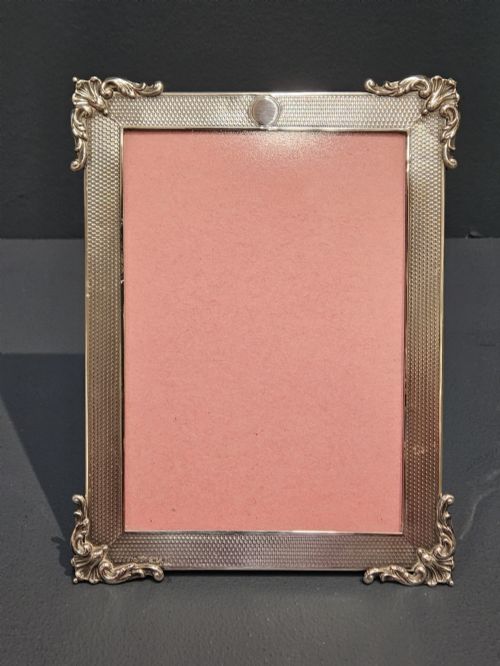
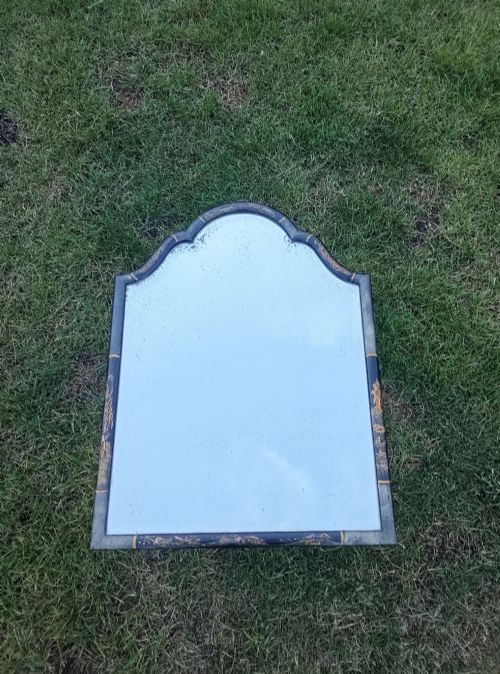
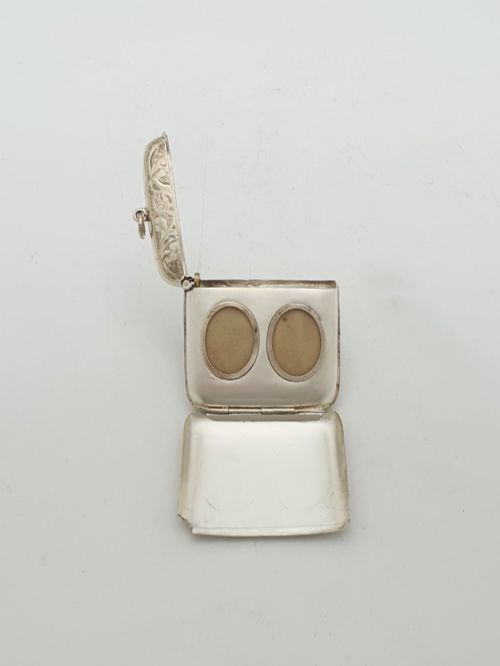
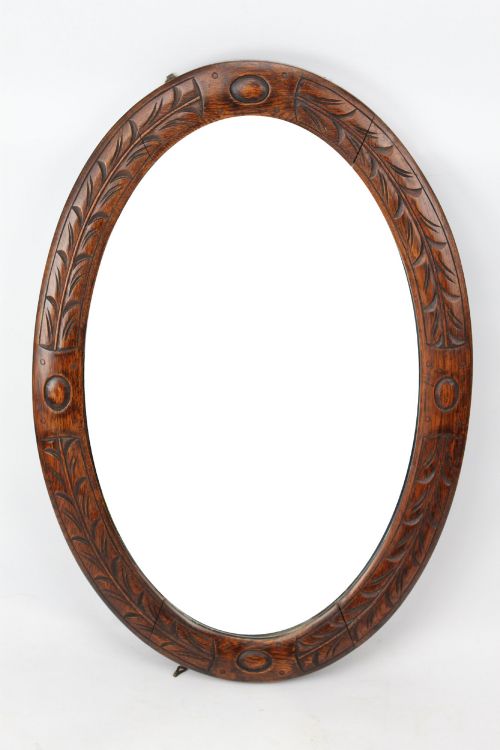
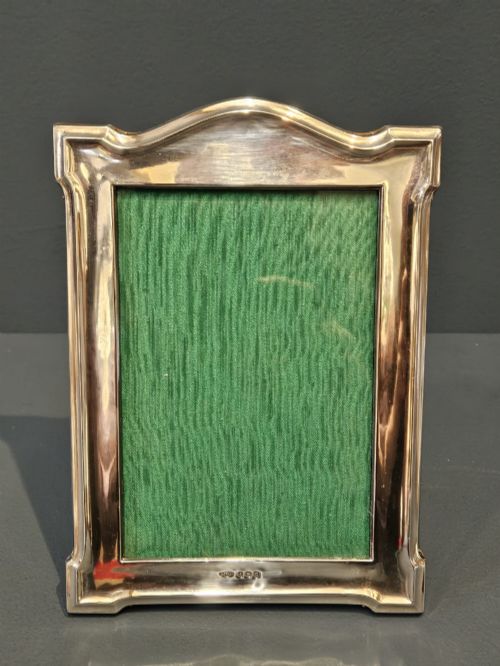
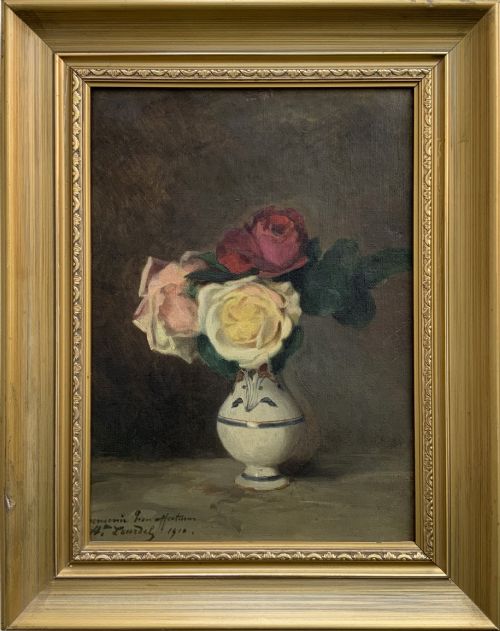
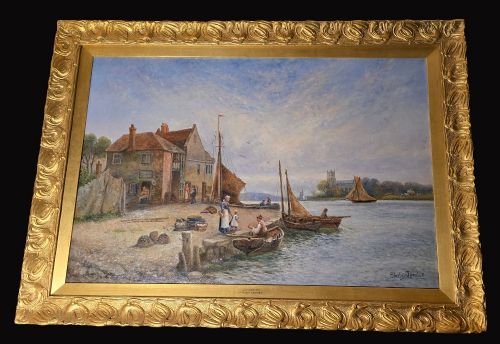
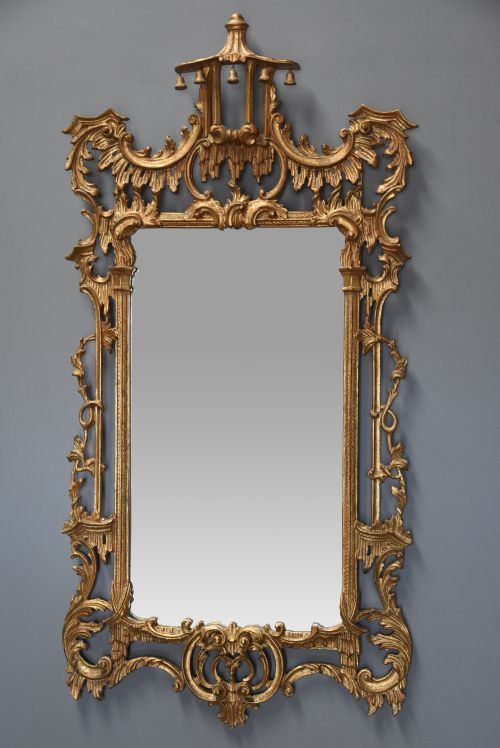
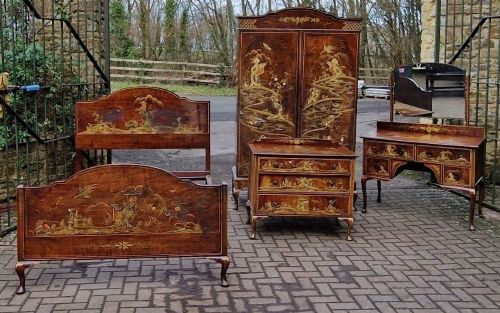
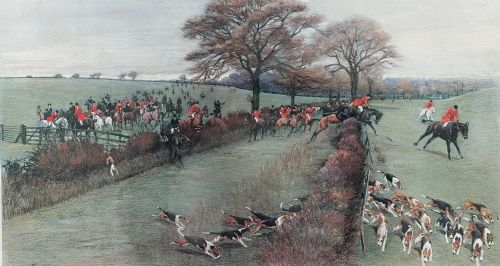
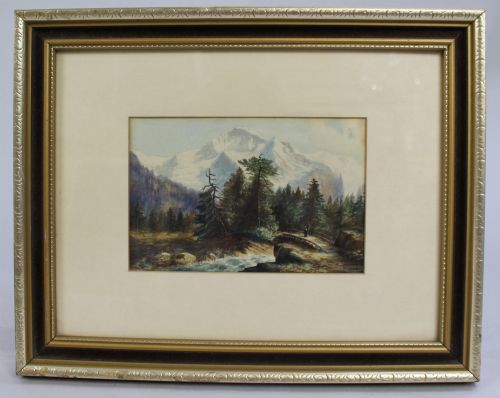
An antique edwardian frame encompasses various surrounds designed for photographs, paintings, and mirrors produced during the early twentieth century. Buyers encounter smaller sterling silver photo frames alongside larger wooden wall mirrors and picture housings reflecting the tastes of the period.
The selection ranges from simple oak mouldings to intricate silver designs bearing hallmarks from Birmingham and other assay offices. Makers often utilised walnut or mahogany alongside precious metals, creating sturdy borders meant to protect and display domestic portraits and landscapes.
How they were made
Makers constructed these surrounds using timber such as oak, mahogany, and walnut, frequently shaping them into convex profiles or adding carved details. Metal variants relied on sterling silver, brass, and cast iron, sometimes incorporating glass panels or velvet and leather backs.
Techniques ranged from traditional cabinetmaking for wooden mouldings to metalstamping and casting for silver photo frames. Artisans applied finishes including water gilding or polishing to accentuate the natural grain of the wood or the gleam of the metal.
Antique Edwardian Frame Retail Price Guide 2026
Typical asking prices for edwardian frame among the pieces listed under this phrase on Sellingantiques today, from the lower quarter to the upper quarter. They describe what is for sale here now, not the wider market.
Listings feature wooden, metal, and glass materials spanning the Edwardian period, Victorian era, and the Arts and Crafts movement.
What varies in quality
The distinction between standard examples and finer pieces rests on the weight of the metal, the crispness of any cast or carved decoration, and the integrity of the joints. Sterling silver versions with clear hallmarks and substantial gauge metal command greater regard than plated alternatives.
Wooden items show variation in the selection of timber and the precision of the mitre joints at the corners. Retaining original glass, backboards, and easel stands or hanging fixtures adds to the integrity of the piece.
The Antique Edwardian Frame Glossary
- Convex mirror
- A round mirror glass curved outward to provide a wide-angle reflection. These frequently sit within circular wooden frames.
- Hallmark
- Official stamps applied to precious metals indicating the standard of purity, the assay office, and the year of testing. These assist in dating silver frames accurately.
- Water gilding
- A traditional technique applying a thin layer of gold leaf over a prepared gesso base using water as the adhesive. This method allows the gold to be burnished to a high shine.
- Mitre joint
- A joint formed by cutting two pieces at an angle, typically forty-five degrees, to create a ninety-degree corner in a frame.
- Easel back
- A hinged prop attached to the reverse of a table frame allowing it to stand upright on a flat surface.
Antique Edwardian Frame: Frequently Asked Questions
How do I clean a silver frame?
Use a soft microfibre cloth to remove dust and light debris from the metal surface. Avoid harsh chemical dips that strip the character from the antique finish.
For engraved areas, apply a mild silver cream sparingly with a cotton bud. Buff gently to maintain the soft sheen expected on period items.
Can I replace the glass?
Original glass often displays subtle bubbles or waviness typical of early production methods. Retaining this glass preserves the authenticity of the piece.
If breakage occurs, source a suitable replacement pane of appropriate thickness. Ensure the new glass fits securely within the rebate without forcing the antique mouldings.
How do I date an edwardian frame?
Examine the hardware, backing materials, and any maker marks present on the structure. Silver components often feature assay office stamps and date letters corresponding to the early 1900s.
Construction methods such as handmade fixings or early types of screw also provide clues. Compare these details against documented styles from the era.
Are these frames suitable for modern photos?
Standard modern photographic prints fit easily into many period housings once trimmed to size. Measure the internal aperture carefully before inserting any paper item.
Use acid-free barrier paper behind photographs to prevent chemical damage from older backing boards. This protects modern prints while they sit inside antique surrounds.