





Antique Ecclesiastical Wooden Statue
An antique ecclesiastical wooden statue brings centuries of devotion, ritual and master carvers into a room through carved timber, gesso and gold leaf.
Antique Ecclesiastical Wooden Statue
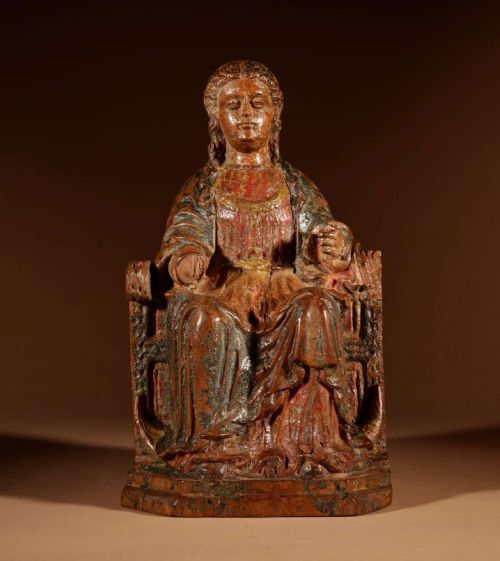
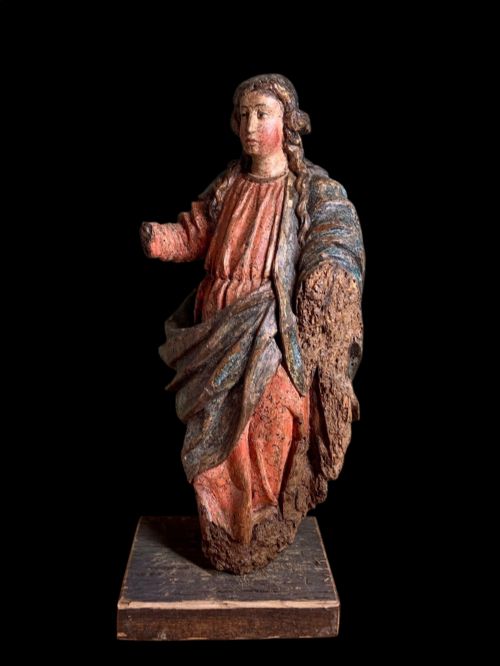
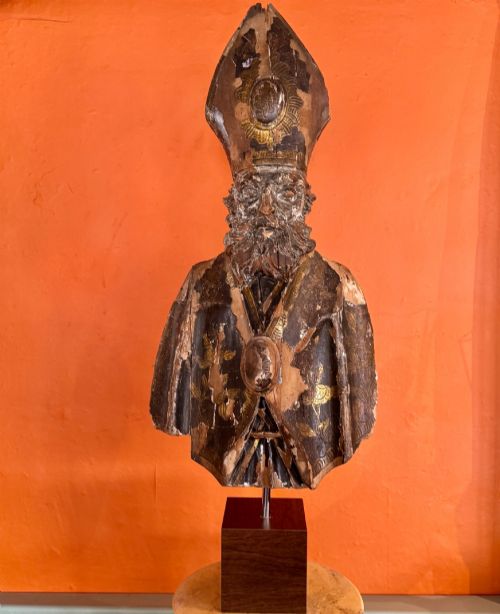
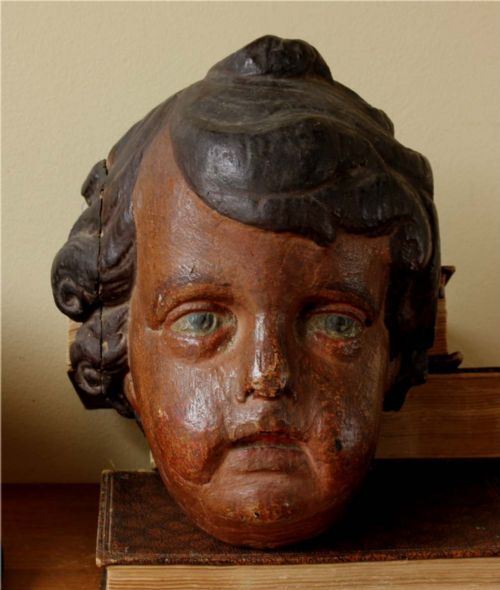
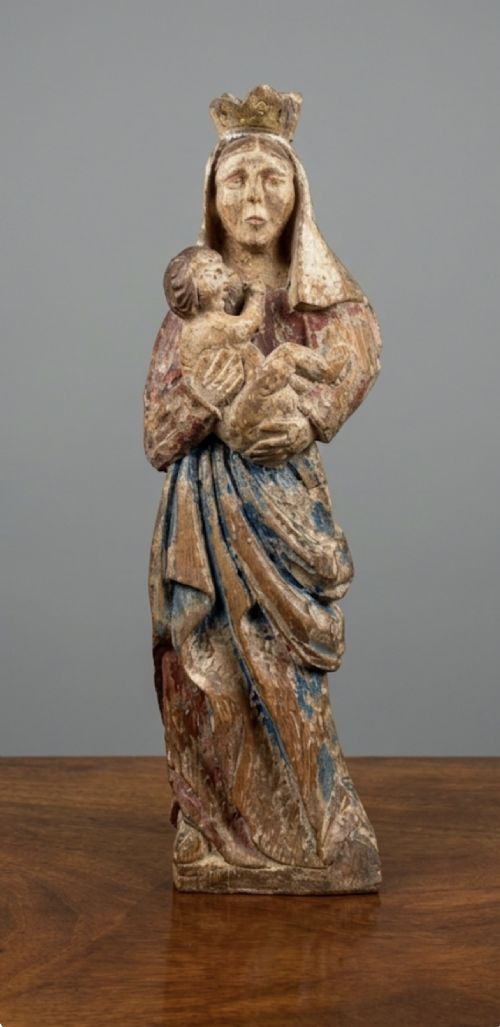
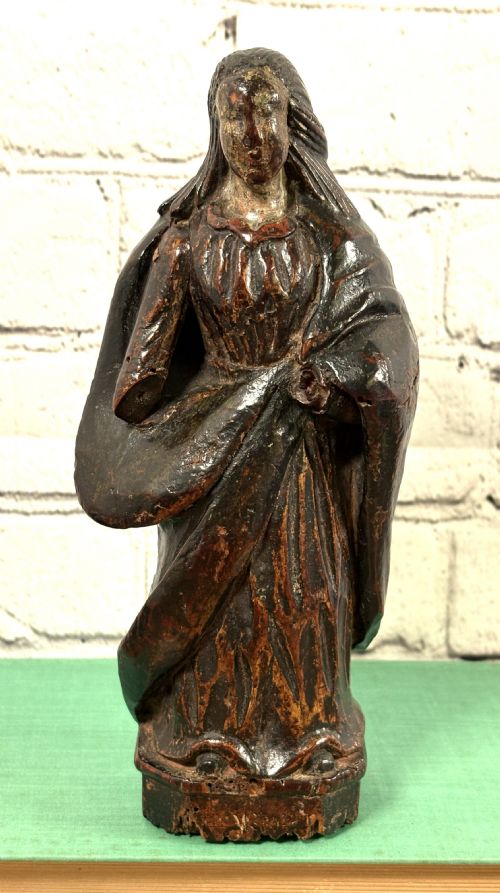
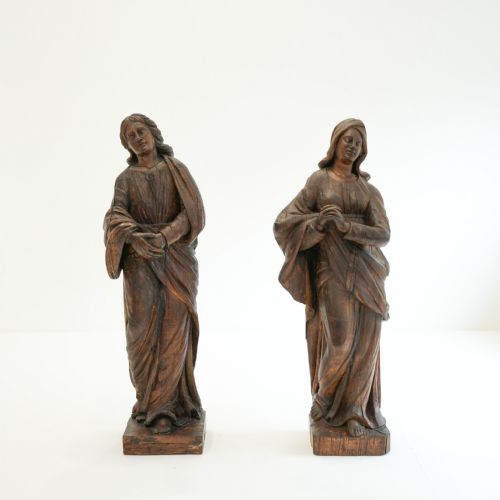
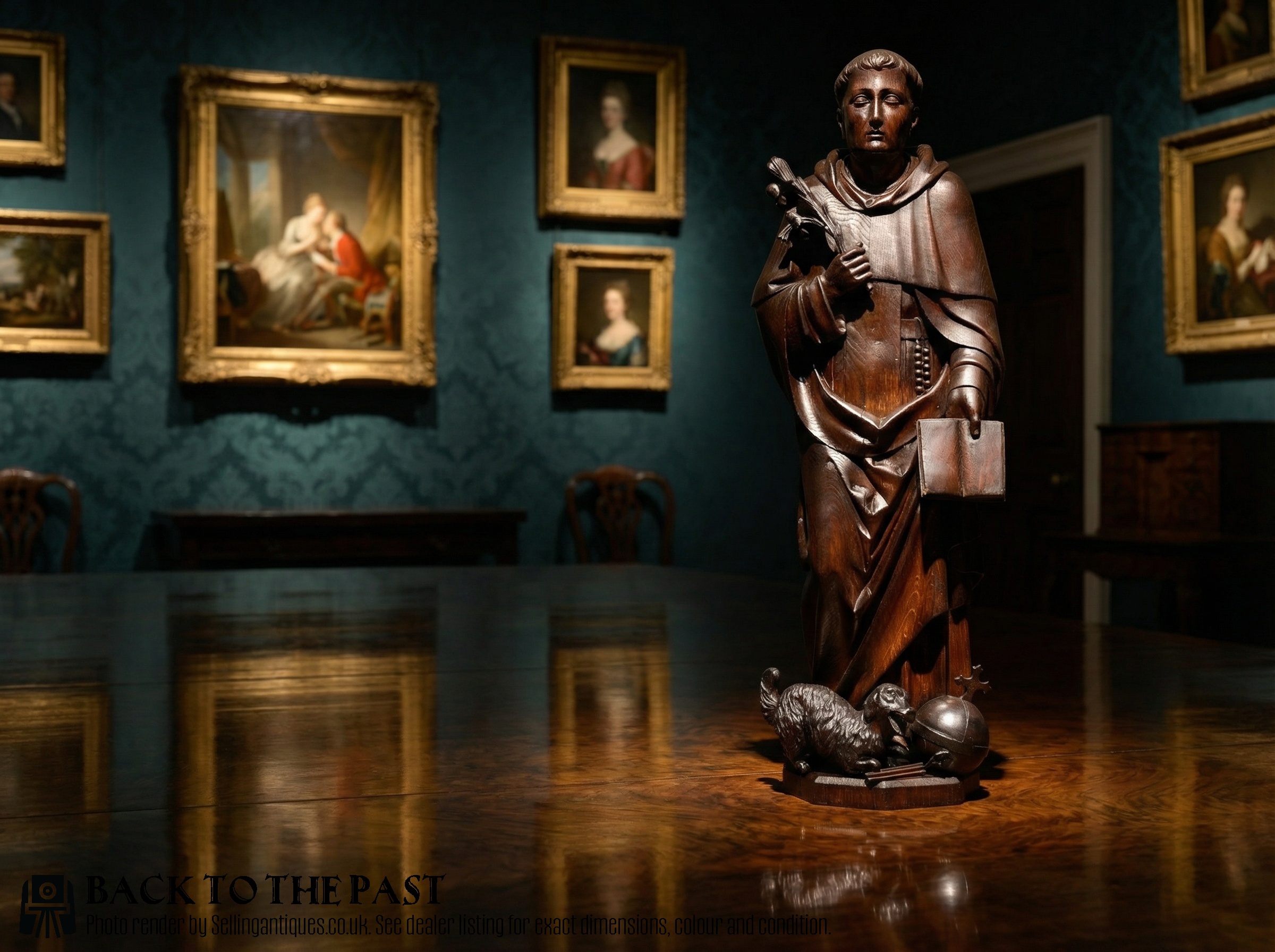
An antique ecclesiastical wooden statue represents figures from religious history, including saints, bishops, cherubs and the Madonna, carved for devotional settings across Europe. The selection spans centuries of religious art, from pre-sixteenth century medieval figures to seventeenth-century limewood sculptures and eighteenth-century baroque pieces.
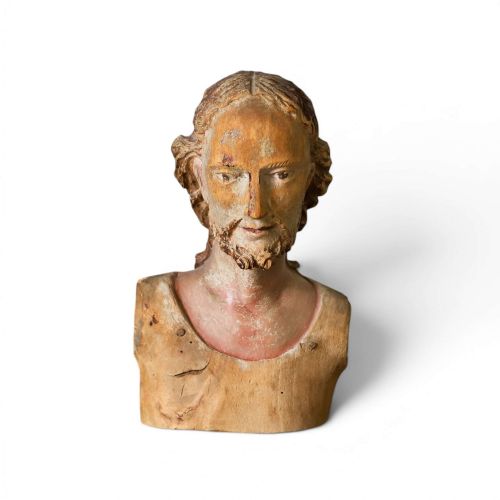
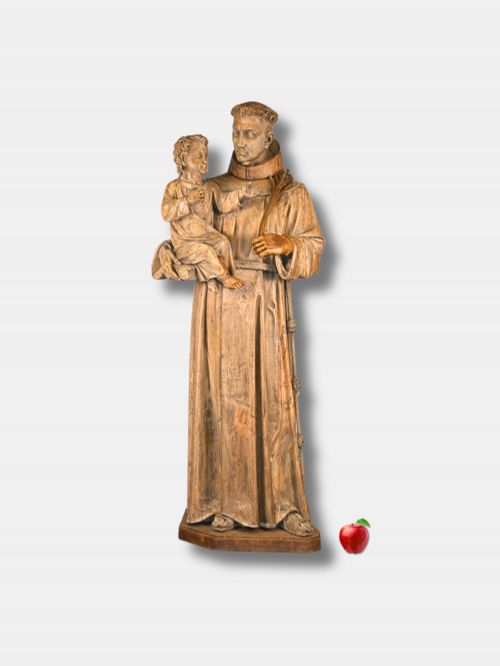
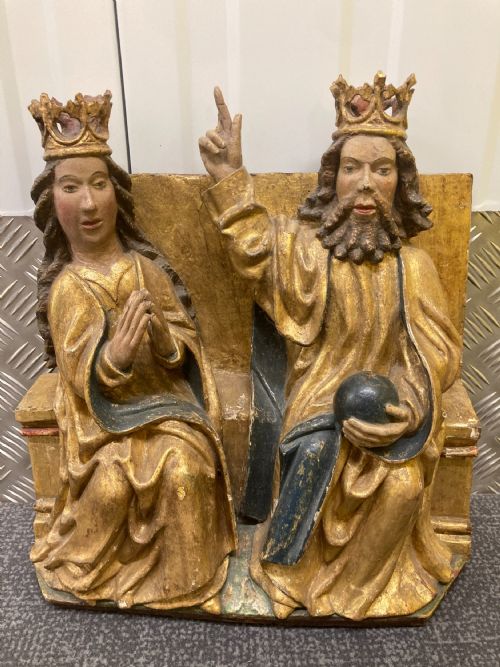
Buyers most frequently encounter figures rendered in oak, walnut, olive wood and limewood, often finished with polychrome paint or gilding. These sculptures take the form of full-length standing figures, seated groups, bust portraits of bishops and saints, and architectural fragments.
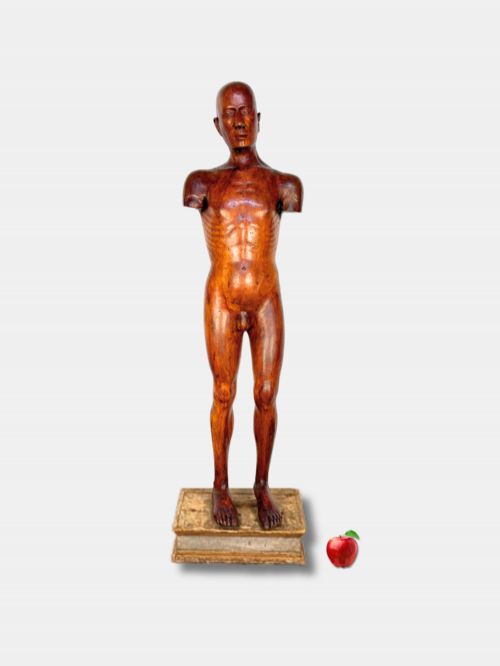
The regional origins stretch across Italy, France and Germany, reflecting the distinct liturgical carving traditions of the Renaissance, Gothic and Baroque movements. Whether acquiring a life-size santos figure on a plinth or a smaller devotional bust, collectors engage with works originating from monastic, church and domestic shrines.
Materials and construction
Surfaces were frequently prepared with a layer of gesso, providing a smooth white ground for subsequent decoration. Artisans then applied polychrome paint and gold leaf, building up layers of colour and metallic sheen to enhance the lifelike presence of the saint, angel or holy figure.
Listings feature timber sculptures spanning from the medieval era through the Baroque and Gothic Revival periods, employing oak, limewood and walnut.
Judging the work
Quality rests in the anatomical precision of the carving, the liveliness of the facial expression, and the natural fall of the drapery folds. Master carvers achieved depth and movement in timber, whereas lesser pieces display stiff proportions and heavy, unyielding lines.
The preservation of original surface finishes, such as early polychrome paint and gold leaf beneath later patination, elevates a piece significantly. Retaining the authentic texture of the period skin directly influences the visual impact of the sculpture.
The Antique Ecclesiastical Wooden Statue Glossary
- Polychrome
- Painted in several colours. This surface decoration was commonly applied over gesso on timber sculptures to depict robes and flesh tones.
- Gesso
- A plaster mixture used as a base for paint or gold leaf on wood. It provides a smooth ground for delicate gilding and polychrome work.
- Giltwood
- Wood that has been decorated with gold leaf. This finish catches candlelight within ecclesiastical interiors.
- Santos
- A carved figure of a saint used in religious processions and domestic shrines. These statues often feature articulated limbs or fitted fabric garments.
- Acolyte
- An altar server or assistant in religious rites. Figures representing acolytes frequently appear holding candlesticks or ceremonial vessels.
Antique Ecclesiastical Wooden Statue: Frequently Asked Questions
Where were these statues originally displayed?
These wooden figures stood within churches, abbeys and monastic chapels as focal points for prayer and veneration. Many occupied niches above altars or formed part of larger architectural altarpieces.
Others served a devotional purpose within private domestic shrines or travelled as part of processional displays.
How should I clean an antique wooden statue?
Dusting should be done gently with a soft, dry brush to protect fragile surfaces and historic paint layers. Moisture and chemical cleaners must be avoided entirely.
Keeping the sculpture away from direct sunlight and sudden temperature changes preserves the underlying timber and gesso.
Why do many figures show traces of old paint?
Sculptors originally finished timber carvings with layers of gesso, paint and gold leaf to create realistic depictions of religious figures. Over centuries, these coatings naturally wore down, flaked or underwent redecoration during different stylistic periods.
Visible remnants of early polychrome reveal the original vibrant appearance intended for dim church interiors.
How do I distinguish between Gothic and Baroque statues?
Gothic carvings from the medieval period feature elongated proportions, linear drapery folds and solemn, restrained facial expressions. The focus rests on spiritual symbolism rather than anatomical realism.
Baroque sculptures display theatrical movement, dynamic poses, deep undercutting in the wood and emotional intensity, reflecting the artistic shifts of later centuries.