
Antique Ebonised Stand
An antique ebonised stand brings dark, polished drama to a corner, functioning as a pedestal, side table, or plant display rooted in nineteenth-century taste.
Antique Ebonised Stand
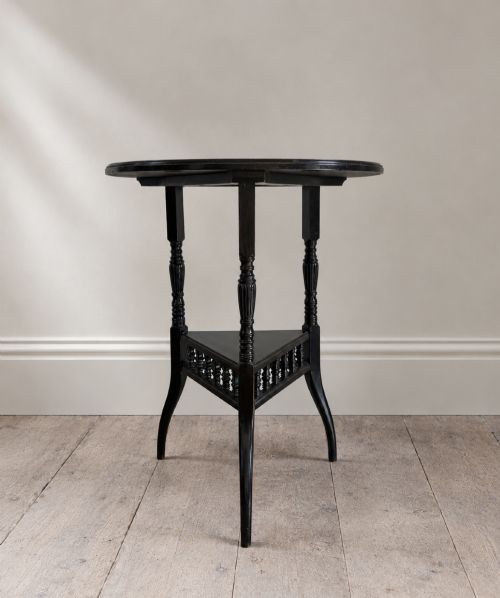
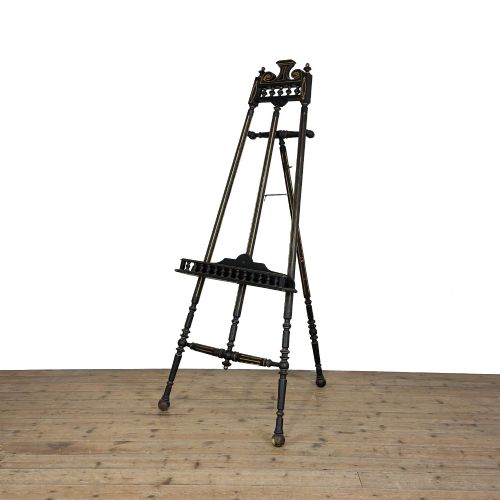
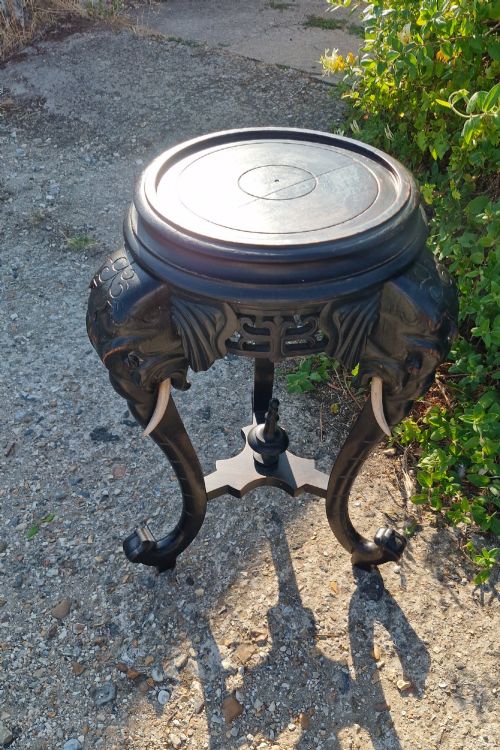
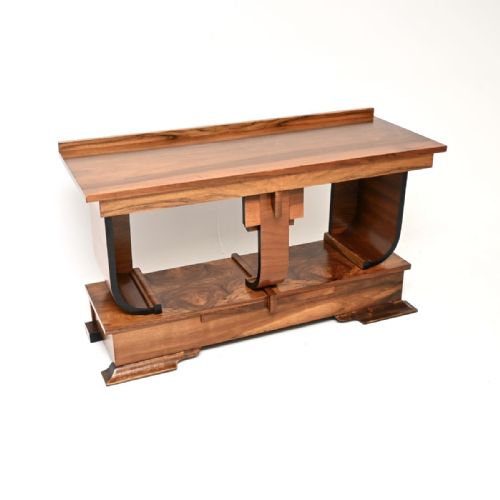
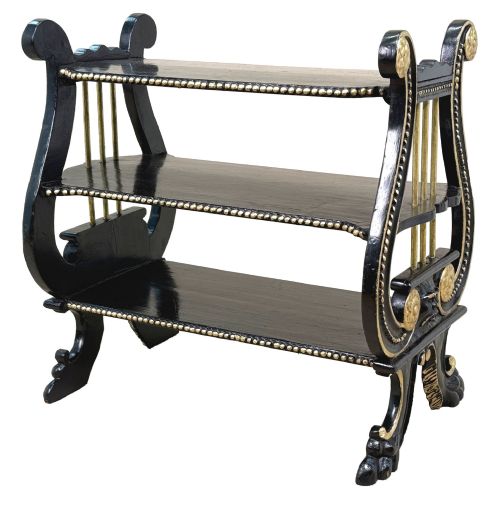
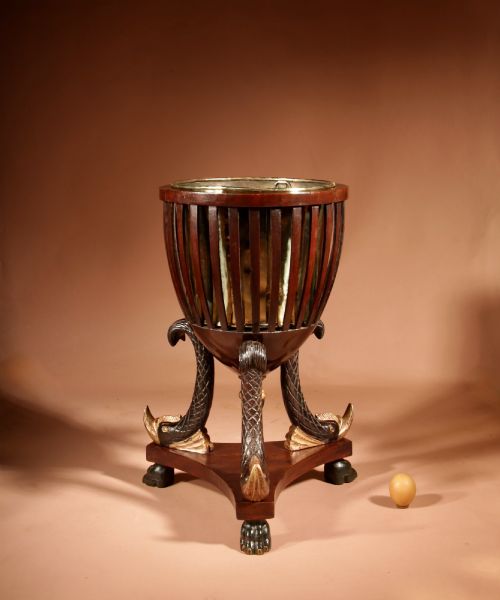
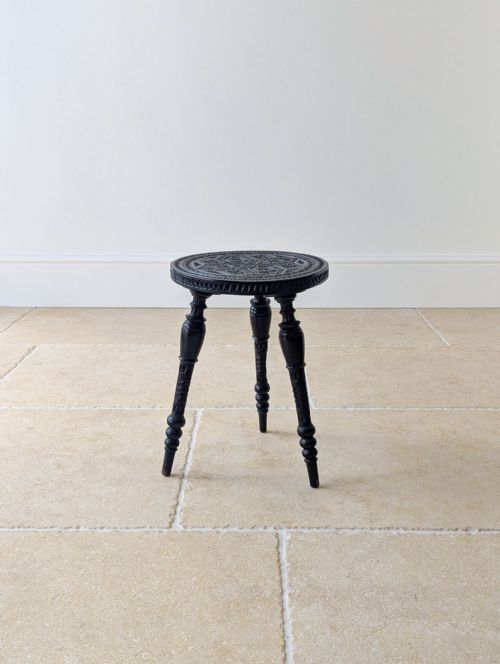
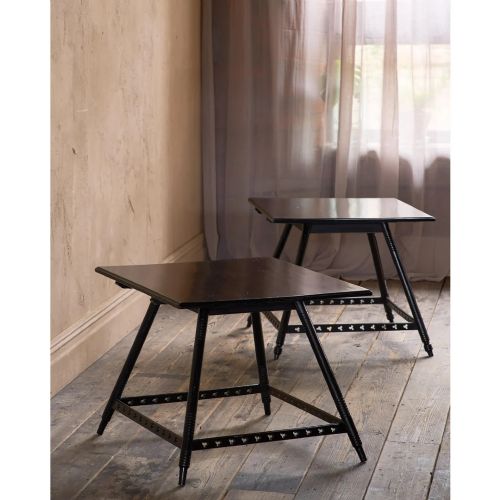
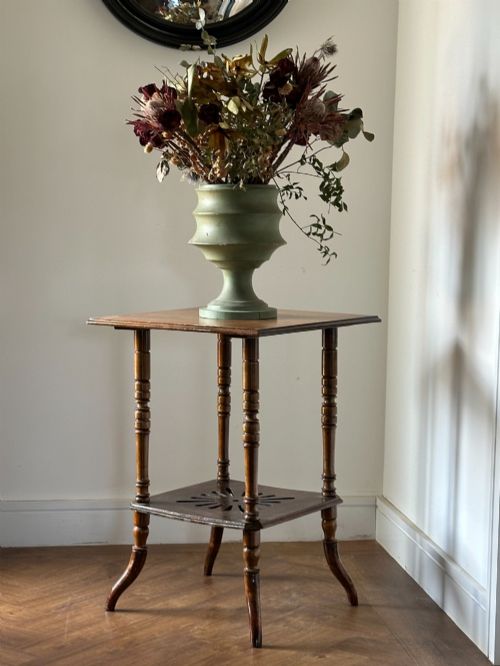
The term antique ebonised stand covers a diverse group of nineteenth-century furnishings designed to elevate objects, plants, or serving trays above floor level. Side tables, occasional tables, torcheres, and jardiniere columns dominate the selection, often carrying the dark finish associated with fashionable historical revivals.
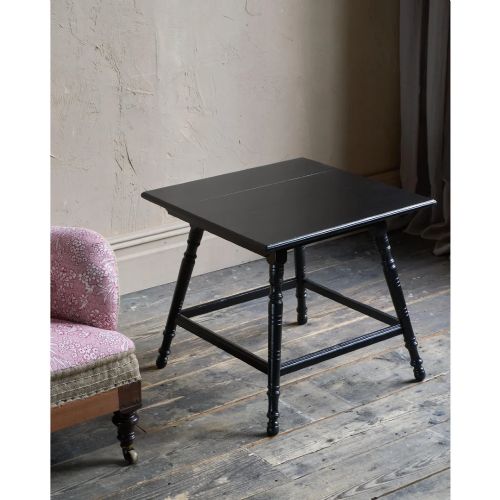
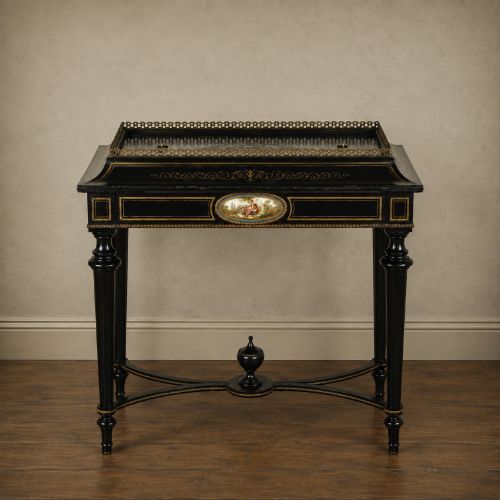
Victorian examples frequently merge functional support with decorative excess, drawing on Aesthetic Movement simplicity or the ornate inlay of Napoleon III French pieces. Buyers encounter everything from tall plant pedestals to low tray tables resting on folding frames.
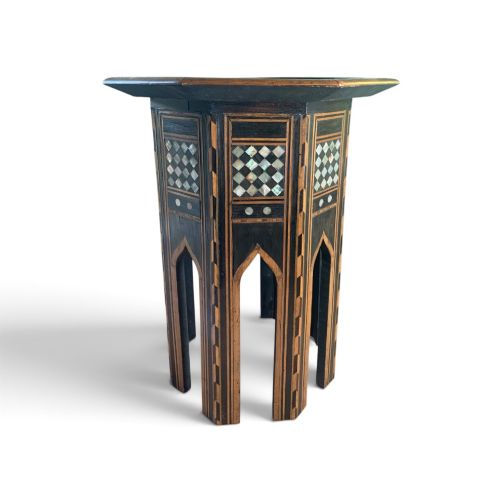
The darker stylistic streams also draw upon Anglo-Indian and Moorish influences, where ebonised surfaces contrast with bone inlay or intricate carving. These forms reflect a Victorian appetite for global eclecticism combined with domestic utility.
Materials and construction
Makers achieved the characteristic dark surface by staining dense hardwoods or applying a black lacquer finish to mimic costly ebony. Walnut, amboyna, and softwood carcasses received this treatment, sometimes highlighted with parcel gilding or painted porcelain plaques.
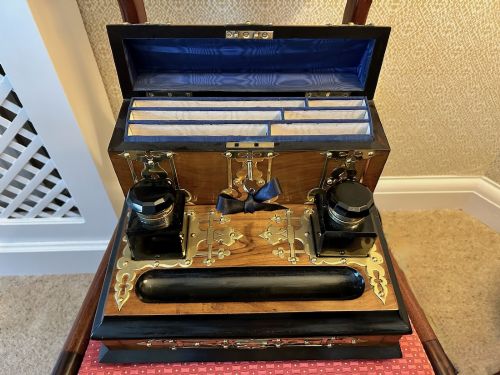
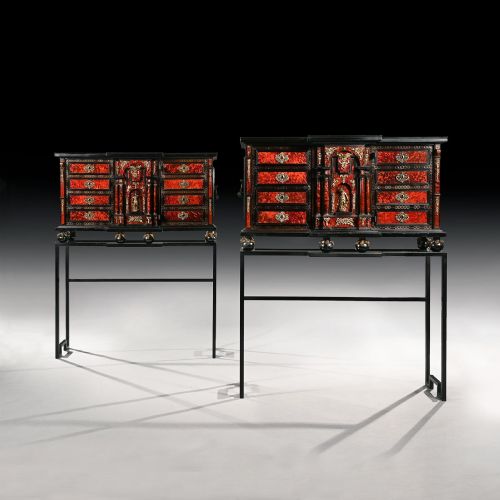
Secondary materials introduced texture and colour through brass mounts, tortoiseshell panels, and ceramic tiles set into tops. Joinery methods varied from traditional mortise and tenon frames to turned barley twist columns and chip-carved detailing.
The listings span the seventeenth century through the Art Deco era, with Victorian examples most numerous.
Assessing craftsmanship and finish
Quality rests upon the depth of the ebonised finish and the integrity of the underlying timber rather than mere decorative flash. Superior pieces exhibit a smooth, even surface that has aged with a soft lustre, while lesser items show brittle paint or modern black spray coatings.
The crispness of carved elements and the tightness of joints distinguish master workshops from mass-produced commercial output. Finer stands integrate brass hardware or ceramic inlays flush with the wood, maintaining structural stability despite decades of supporting heavy urns or jardinieres.
Hindley and Sons·Druce and Co London·Henry Ogden and Son
The Antique Ebonised Stand Glossary
- Ebonised
- Wood treated with stain, dye, or paint to imitate solid ebony. This dark finish became immensely popular during the Victorian period for evoking luxury.
- Torchere
- A tall, slender stand designed to hold a light or a decorative object. They frequently feature turned columns and tripod or circular bases.
- Jardiniere
- A decorative container for holding plants or flowers. When mounted on a dedicated stand, it creates a prominent interior focal point.
- Marquetry
- Decorative veneer patterns formed by fitting together small pieces of wood, ivory, or shell. This technique often embellishes tabletops and cabinet doors.
- Parcel Gilded
- Partially covered with gold leaf or gold paint to highlight specific carved details or mouldings. It provides a sharp contrast against deep black surfaces.
Antique Ebonised Stand: Frequently Asked Questions
What rooms suit an antique ebonised stand best?
These pieces fit naturally into living rooms or hallways where their dark silhouettes anchor lighter surroundings. They provide convenient surfaces for lamps, books, or trailing plants.
Because many designs occupy a small footprint, they slip easily into neglected corners or unused alcoves. Taller torchere columns draw the eye upward, adding vertical interest to rooms with high ceilings.
How were these stands used historically?
Victorians deployed these stands primarily to display status items such as porcelain, exotic plants, or collected curiosities. Plant stands and jardiniere columns brought nature indoors while protecting carpets from water.
Tray tables and occasional stands served social functions during afternoon tea or evening entertaining. Servants could move folding tray versions easily when room layouts changed.
How do I distinguish Aesthetic Movement styles?
Aesthetic Movement pieces favour clean, straight lines and simple geometric forms inspired by Japanese design. They frequently avoid excessive carving in favour of smooth ebonised surfaces.
Look for influences associated with designers like E.W. Godwin, who championed lightness and structural honesty. These items feel restrained compared to heavily ornamented high Victorian alternatives.
How should I care for ebonised wood?
Maintain the finish by dusting gently with a soft, dry cloth to prevent micro-scratching. Avoid modern silicone sprays that build up and dull the deep lustre.
Keep wooden stands away from direct heat sources and strong sunlight to prevent warping and fading. Occasional gentle waxing with a quality beeswax preserves the historic surface.