


Spiral Column Pedestals
Spiral column pedestals combine architectural turning with sturdy support, holding plants or lamps while drawing the eye upward.
Spiral Column Pedestals
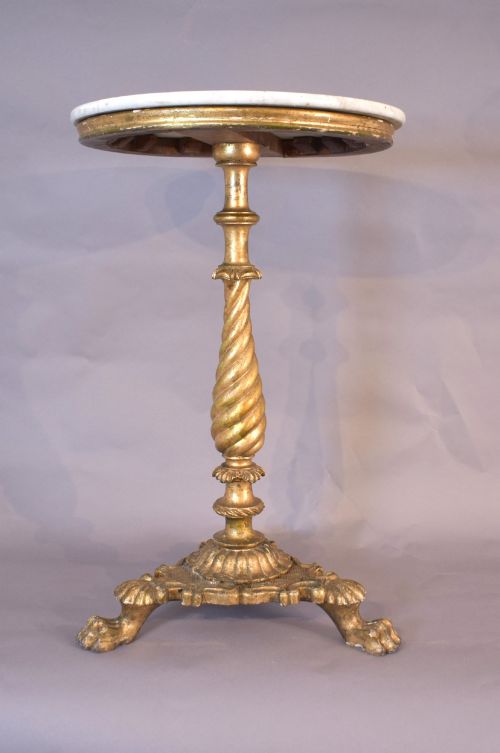
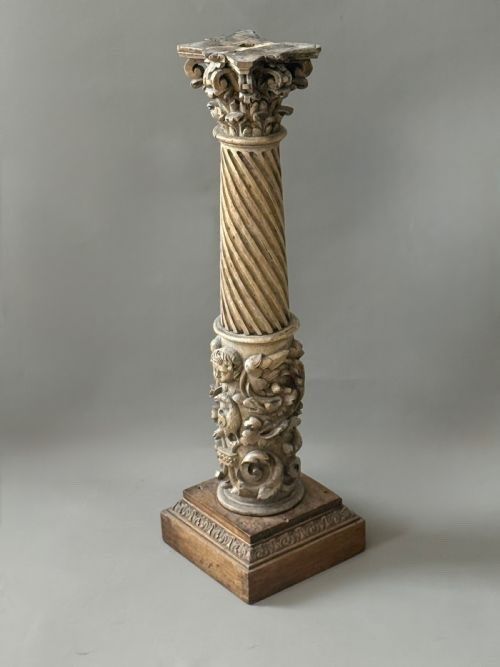
When you search for spiral column pedestals, you encounter turned supports ranging from oak and mahogany to variegated marble. These pieces serve as plant stands, torcheres, and occasional tables, originating from the seventeenth century through the twentieth century.
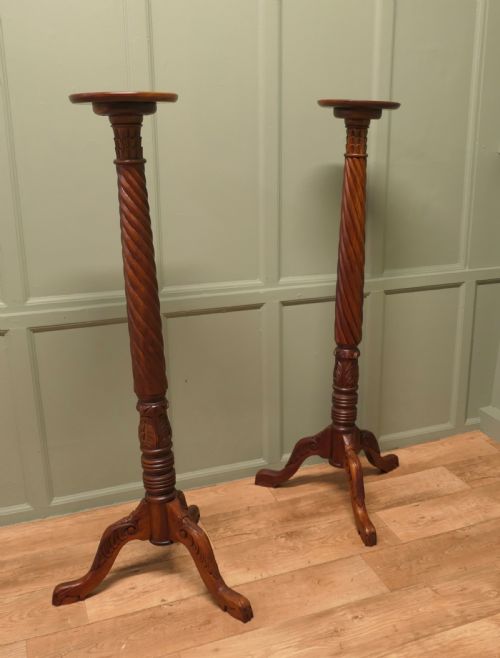
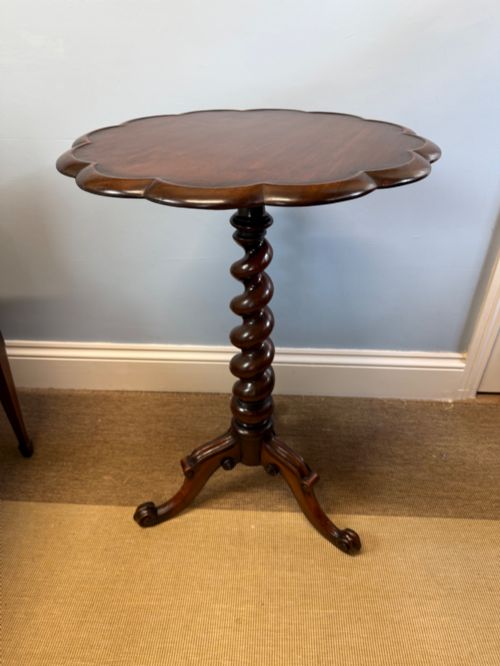
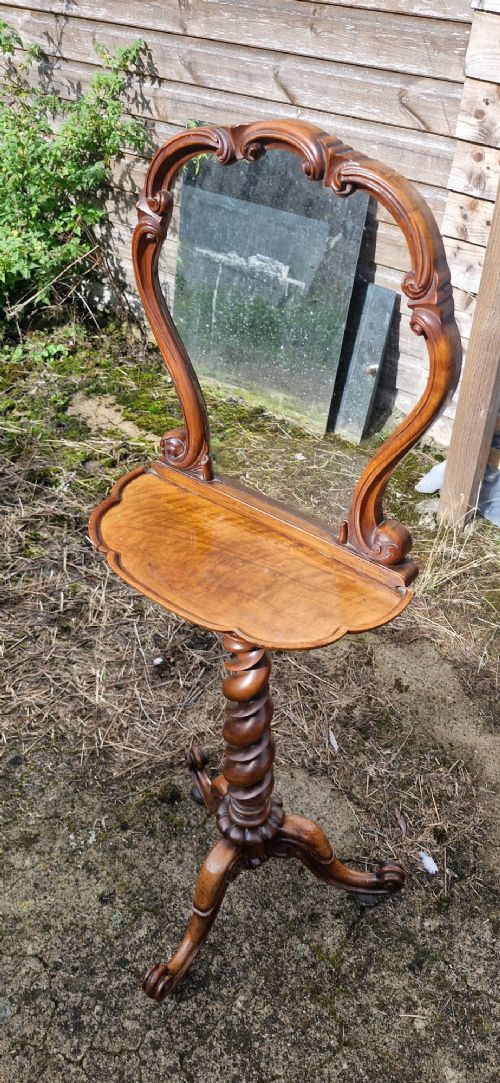
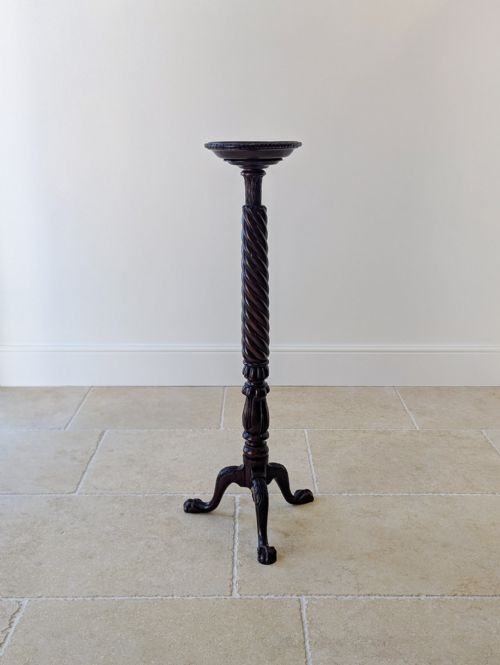
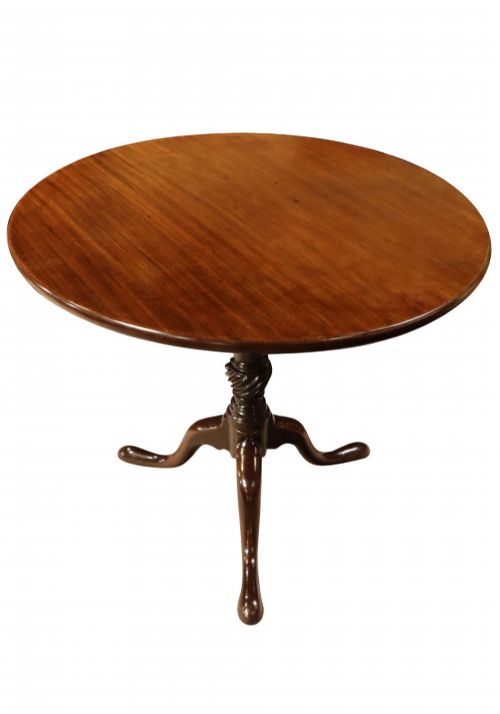
You are most likely to meet Victorian and nineteenth century iterations executed in mahogany or walnut, often featuring tripod bases or square plinths. The twist turning defines the aesthetic, appearing on items classified as plant stands, lamp tables, and monumental pillars.
The selection includes regional interpretations such as French marble columns and Scandinavian burr elm tables alongside English Georgian and Victorian pieces. Each variation demonstrates how makers applied the twist column across diverse domestic furniture types.
Standards of craftsmanship
The distinction between standard production and superior execution lies in the crispness of the twist turning and the selection of figured timber. Finely rendered mahogany and burr walnut display natural grain patterns that accentuate the movement of the spiral.
Proportion and stability dictate the merit of tall torcheres and columns, where balanced weight distribution prevents tipping. Heavy marble variants rely on precise masonry to ensure the sections align without visible seams.
The listings span from the seventeenth century through the mid-twentieth century, featuring oak, mahogany, walnut, and various marbles.
The Spiral Column Pedestals Glossary
- Solomonic
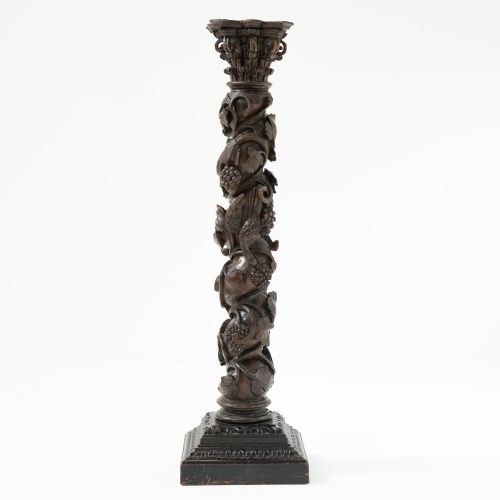
- A helical or spiral twist column originating in classical architecture and baroque furniture. This form provides dynamic vertical energy to stands and table stems.
- Torchere
- A tall stand designed to support a lamp or candleholder. These slender supports frequently incorporate turned wooden columns and tripod bases.
- Jardiniere
- A decorative container or stand for holding plants and flowers. Examples in the evidence combine ceramic or wooden vessels with dedicated pedestals.
- Tripod table
- A small table supported by three legs branching from a central pillar. This configuration ensures stability on uneven floors.
- Ebonised
- Wood treated with a dark finish to imitate ebony. This technique highlights the carved contours of nineteenth century plinths and stands.
Spiral Column Pedestals: Frequently Asked Questions
What are spiral column pedestals used for?
These pieces function primarily as elevated surfaces for lamps, plants, and decorative objects within domestic interiors. Their vertical orientation allows them to occupy minimal floor space while adding height to room displays.
Historically, torcheres and plant stands held light sources or floral arrangements in prominent reception rooms. Today, they serve similar display purposes while functioning as sculptural elements in their own right.
How do I date a wooden pedestal?
Dating relies on timber selection, turning style, and construction methods visible in the base and column joints. Georgian and eighteenth century examples often feature rich mahogany with hand-cut joinery, whereas Victorian pieces frequently display heavier proportions and machine-assisted turning.
Secondary woods and surface patination also provide clues to the period of manufacture. Comparing the turning profile to dated examples helps narrow down the origin decade.
Are marble columns heavy?
Stone columns possess substantial weight due to the solid marble used in their construction. This mass provides natural stability when supporting heavy jardinieres or urns.
Because of their weight, these pieces require careful placement on solid flooring rather than uneven surfaces. Two people are often needed to move monumental stone pillars safely.