






Antique Eastern Runner
An antique eastern runner brings long, narrow warmth to a hallway through tribal wool and natural dyes.
Antique Eastern Runner
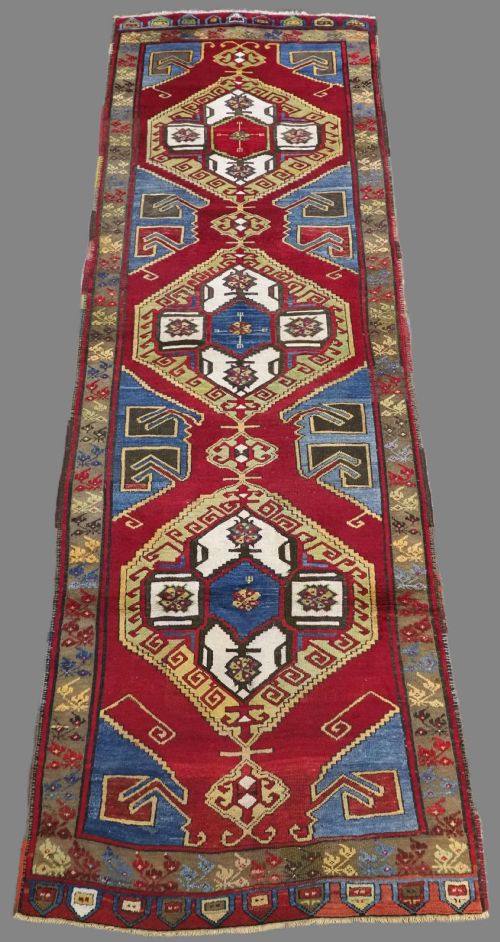
An antique eastern runner is a long, narrow floor covering originating from regions across Anatolia, Persia, the Caucasus, and Afghanistan. When searching for an antique eastern runner, you will encounter pieces shaped by tribal and village weavers working in wool and cotton during the late nineteenth and early twentieth centuries.
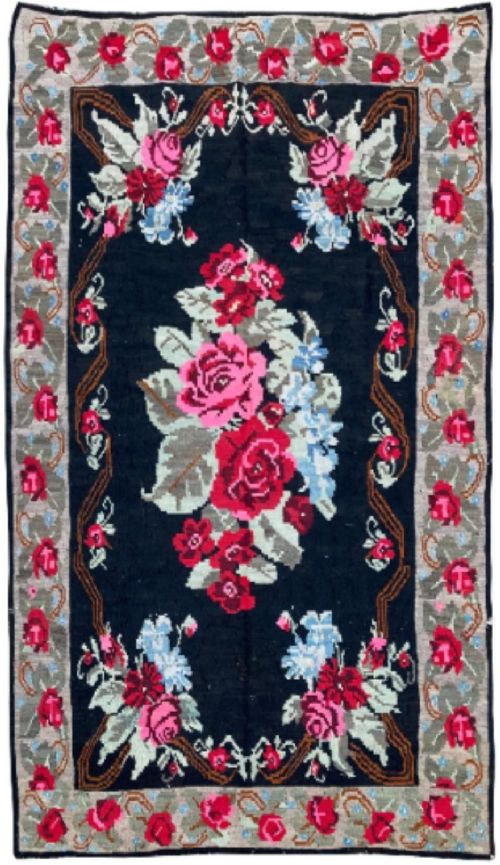
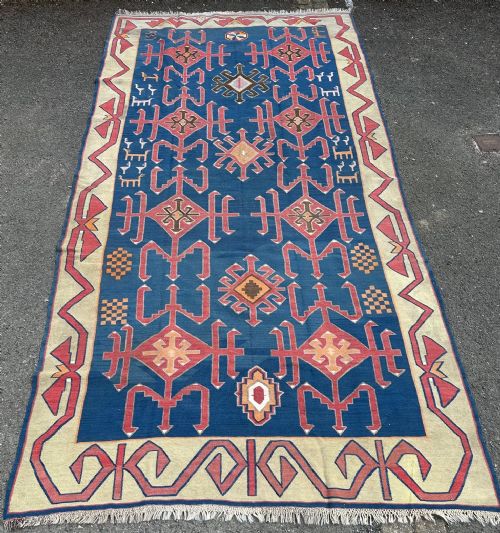
The selections on this page span styles such as Anatolian Tribal, Persian Tribal, Caucasian, Baluch Tribal, and Bessarabian. These formats range from flat-weave kilims to pile-woven runners and long rugs produced by specific groups including Kurdish, Taimani, and Timuri weavers.
Many examples utilise traditional formats like the corridor runner, prayer rug, or kelleh. Their origins trace back through regions such as Shirvan, Kuba, Khorasan, and Malatya, reflecting the distinct decorative vocabularies of eastern weaving traditions.
Materials and Construction
These textiles rely principally on wool and hand-spun wool for their pile and foundation yarns, often combined with cotton for structure. The employment of natural dyes imparts depth to the wool, yielding rich colour variations across the surface of each runner.
Weavers utilised techniques ranging from pile weaving to flat-weave construction seen in kilims. Each piece reflects regional hand-knotting or flat-weaving traditions passed down through generations of village and tribal artisans.
Antique Eastern Runner Retail Price Guide 2026
Typical asking prices for eastern runner among the pieces listed under this phrase on Sellingantiques today, from the lower quarter to the upper quarter. They describe what is for sale here now, not the wider market.
Several runners preserve the stray wool fibres and minor yarn inconsistencies left behind by nomadic dyers.
Assessing Quality and Execution
Quality in these runners rests on the integrity of the wool, the precision of the hand-weaving, and the vibrancy of the natural dyes. A more accomplished piece displays careful handling of motifs, balanced proportions in a long format, and resilient structural materials.
The refinement of tribal designs and the consistency of the weave distinguish finer village and tribal pieces from simpler utility work. Attention to detail in the borders and the clarity of the field patterns indicate the skill of the weaver.
The Antique Eastern Runner Glossary
- Kilim
- A flat-woven carpet or rug produced without a pile. These pieces rely on interlocking weft threads to create geometric patterns.
- Kelleh
- A large, elongated format of Persian rug, typically longer than a standard room rug but wider than a corridor runner.
- Mihrab
- A niche design symbolising a doorway or prayer focal point, frequently found in prayer rugs from Anatolia and Persia.
- Natural Dyes
- Colourants derived from plants, insects, and minerals rather than synthetic compounds. They yield complex tones that age gracefully over time.
- Baluch
- A designation for rugs made by nomadic or semi-nomadic groups inhabiting the borderlands of Persia and Afghanistan, known for dark palettes and geometric motifs.
Antique Eastern Runner: Frequently Asked Questions
Where were antique eastern runners placed?
These narrow formats were traditionally used in corridors, hallways, and along the sides of larger rooms in homes.
Their elongated proportions allowed them to protect timber floors in high-traffic passageways while adding decorative warmth.
How do I identify a tribal runner?
Tribal pieces usually feature bold geometric patterns, stylized animal or floral motifs, and asymmetrical design elements.
They reflect the cultural symbols and local weaving traditions of specific villages or nomadic groups rather than court workshops.
Are natural dyes easy to spot?
Natural dyes often exhibit subtle tonal variations, known as abrash, where the colour shifts gently across the rows of wool.
This occurs because small dye batches absorbed differently into hand-spun yarns during preparation.
How should I care for an old wool runner?
Protect the textile with a quality underlay to prevent slipping and reduce friction against the floorboards.
Vacuum gently without a rotating brush roll and consult a specialist for professional washing when needed.