





Caucasian Kuba Rug
A caucasian kuba rug brings geometric tribal artistry and rich regional character into a room through centuries-old eastern caucasian weaving traditions.
Caucasian Kuba Rug
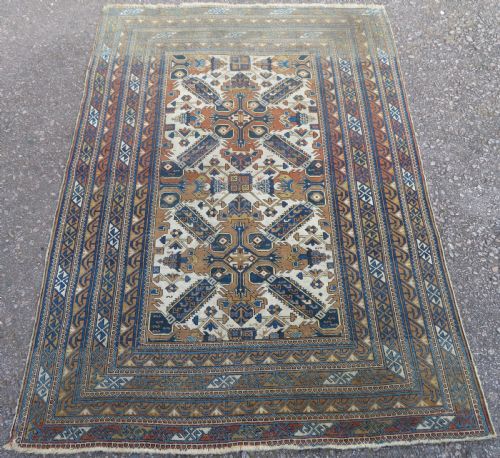
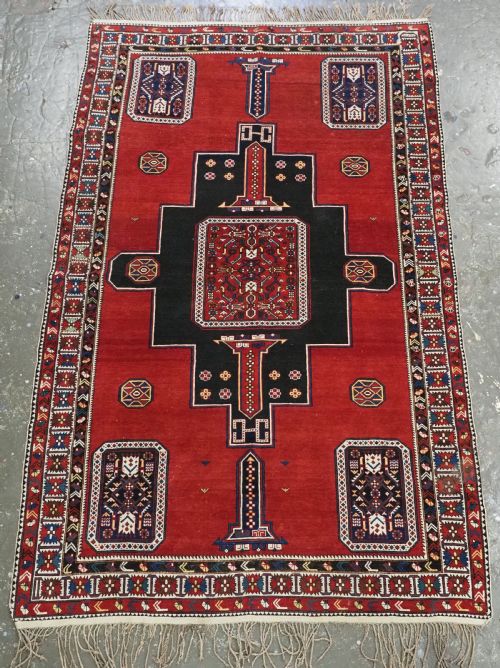
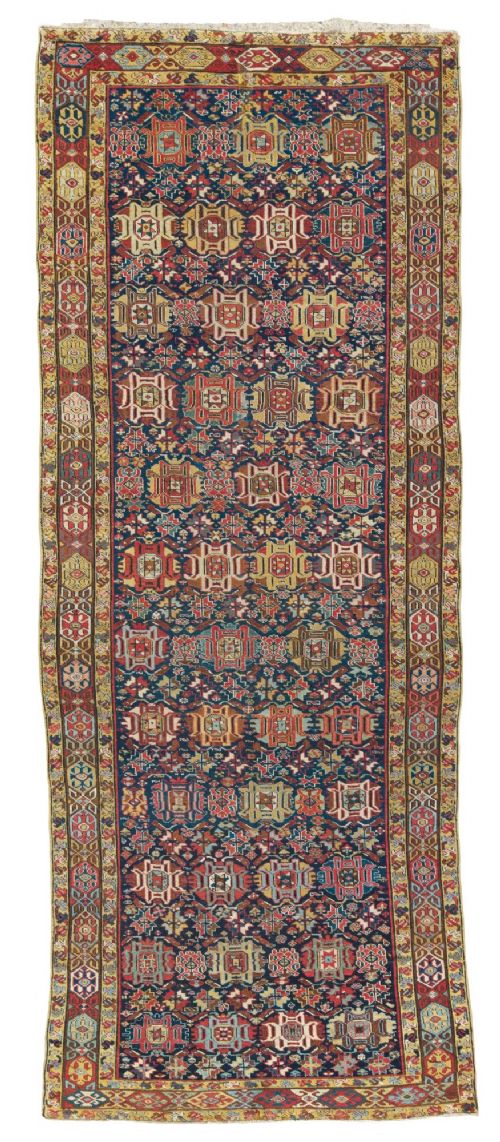
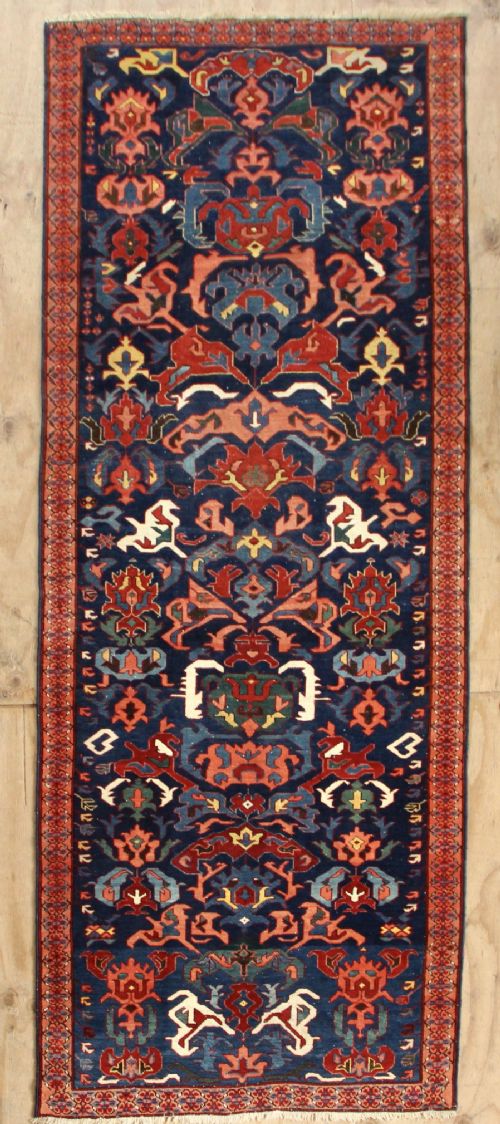
A caucasian kuba rug originates from the northeast region of the caucasus, spanning various formats from small mats to long runners and expansive carpets. These floor coverings display distinct tribal aesthetics rooted in traditional weaving villages.
Buyers frequently encounter pieces dating from the late nineteenth and early twentieth centuries, alongside occasional eighteenth-century examples. The selection includes specific regional subtypes such as Perepedil, Karagashli, Konagkend, and Alpan variants.
Formats vary significantly across the available inventory, encompassing compact area rugs, narrow corridor runners, kilims, and Soumak flatweaves. Each piece reflects the specific design vocabulary associated with the broader Kuba production area.
Materials and Construction Techniques
The material foundation relies entirely on wool, utilised for both the pile and the underlying foundation structure. This natural fibre provides the durability and texture characteristic of these eastern caucasian textiles.
Weavers employed traditional knotting and flatweave techniques, producing dense pile structures alongside flat-faced Soumak surfaces. The construction methods determine whether a piece yields a plush pile or a flat, patterned tapestry structure.
Caucasian Kuba Rug Retail Price Guide 2026
Typical asking prices for caucasian kuba rug among the pieces listed under this phrase on Sellingantiques today, from the lower quarter to the upper quarter. They describe what is for sale here now, not the wider market.
Several antique carpets secretly hide little wandering birds and stylised shrubs woven right into the geometric lattices.
Determinants of Quality
Quality differentiates itself through the precision of the weave and the complexity of the geometric motifs. Finer knots allow for sharper definition within medallion, lattice, and figurative patterns.
The depth and preservation of the palette heavily influence the standing of an individual textile. Natural dye variations create harmonious ageing, whereas structural integrity determines how well the wool pile survives centuries of use.
The Caucasian Kuba Rug Glossary
- Soumak
- A flatweave technique utilising wrapping threads over the warp to create a textured surface without a cut pile.
- Kelleh
- A large format rectangular carpet, typically longer than standard room-size rugs.
- Afshan
- A traditional repeating floral lattice design distributed across the field of the rug.
- Perepedil
- A specific regional design subtype recognisable by distinctive ram's horn motifs and hooked borders.
- Kilim
- A tapestry-woven carpet lacking any raised pile.
- Karagashli
- A designated village design style featuring structured geometric columns and cruciform elements.
Caucasian Kuba Rug: Frequently Asked Questions
What is a caucasian kuba rug?
A caucasian kuba rug is a hand-knotted or flat-woven textile produced in the northeastern region of the caucasus. These pieces are celebrated for their intricate geometric layouts and distinctive village designs.
Production spans multiple centuries, with nineteenth-century examples forming the core of collector interest. Each rug represents the specific aesthetic traditions of towns such as Perepedil or Konagkend.
How were these rugs used?
These textiles served primarily as floor coverings within homes, providing both warmth and decorative distinction. Runners lined corridors, while larger carpets anchored main living spaces.
Smaller formats functioned as prayer mats or wall hangings depending on the specific tribal tradition. Their durable wool construction accommodated daily foot traffic across generations.
How do I identify different kuba designs?
Identification relies on recognising signature motifs such as the ram's horn in Perepedil pieces or the repeating lattice of Afshan patterns. Specific border arrangements and medallion shapes point directly to particular villages.
Comparing the density of the weave and the specific structural format also helps separate subtypes. Regional variations remain consistent within distinct weaving groups.
How should I live with an antique rug?
Living with an antique wool textile involves placing it in low-moisture areas protected from direct, harsh sunlight. Using a quality underlay prevents slipping and reduces fibre friction against hard floors.
Gentle maintenance preserves the integrity of the natural wool pile over time. Regular rotation ensures even exposure and balanced wear across the surface.