


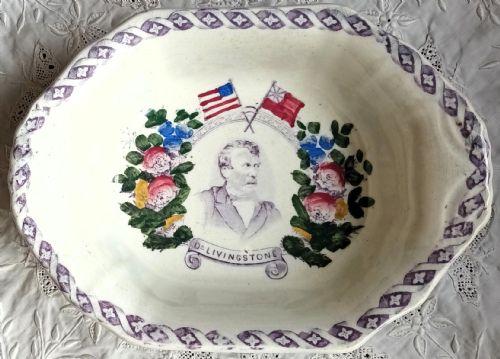
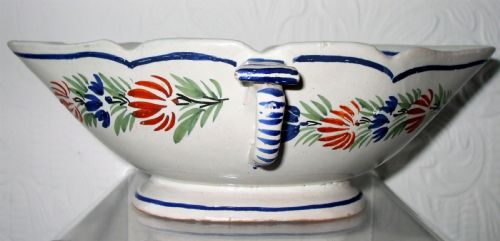
Antique Earthenware Serving Dishes
Antique earthenware serving dishes range from bold eighteenth-century chargers to nineteenth-century transfer-printed platters, offering robust forms designed to grace a well-set dining table.
Antique Earthenware Serving Dishes
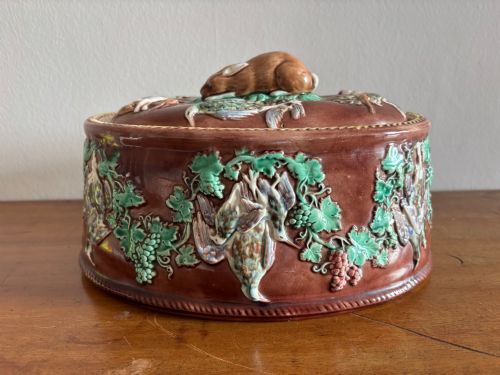
When you search for antique earthenware serving dishes, you encounter a varied selection of large platters, tureens, vegetable dishes and deep chargers intended for presenting food at the table.
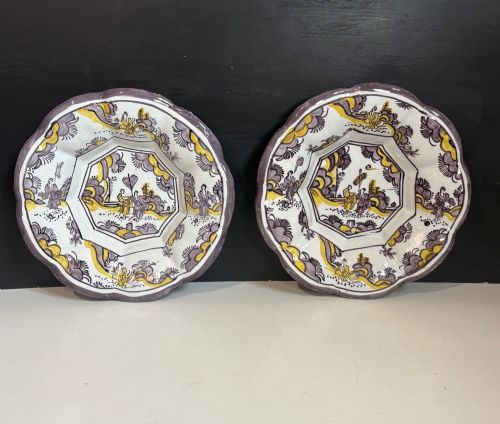
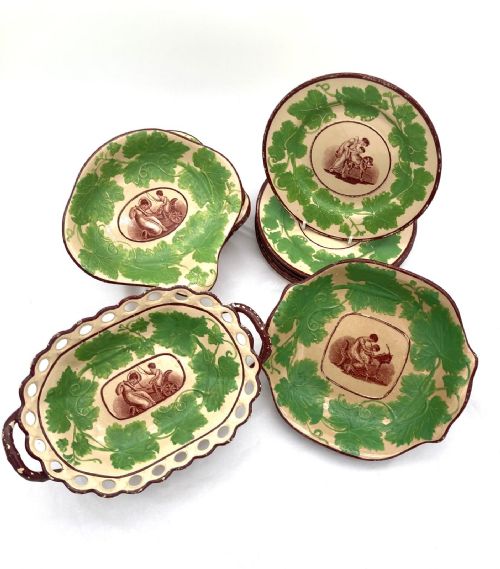
The pieces on this page span the eighteenth and nineteenth centuries, taking in Georgian and Victorian eras alongside Regency and continental examples like French faience and Spanish Delft.
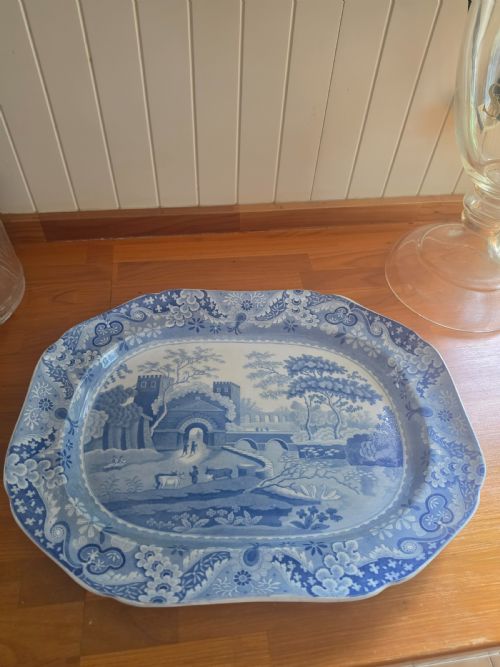
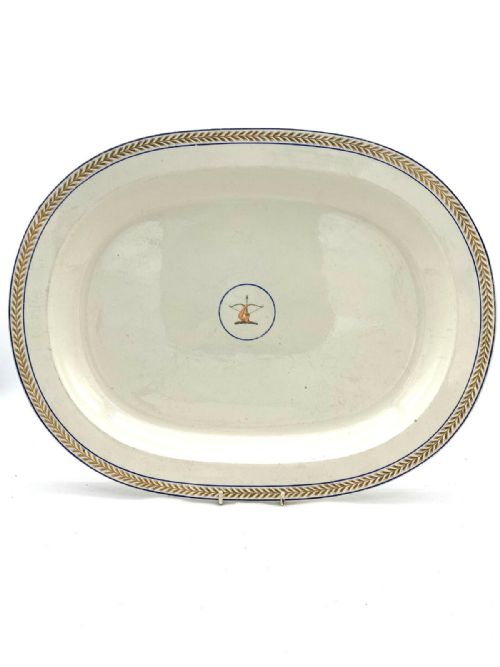
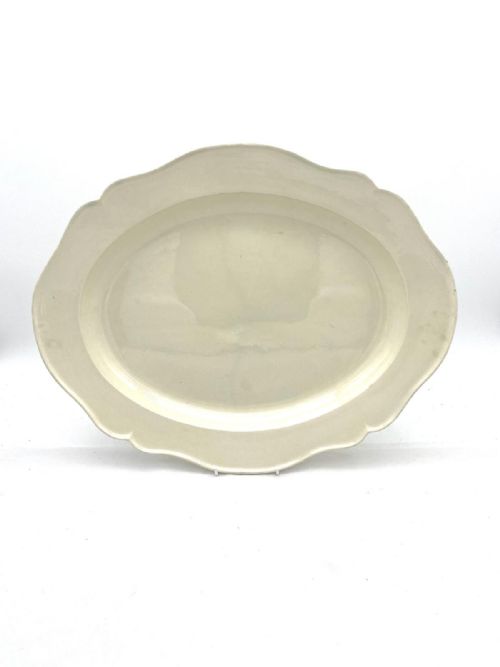
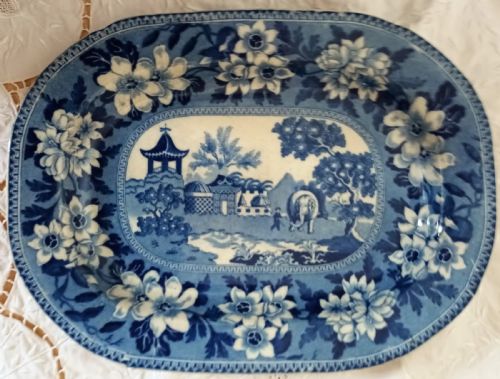
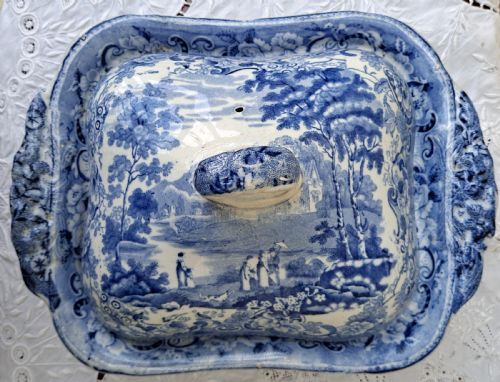
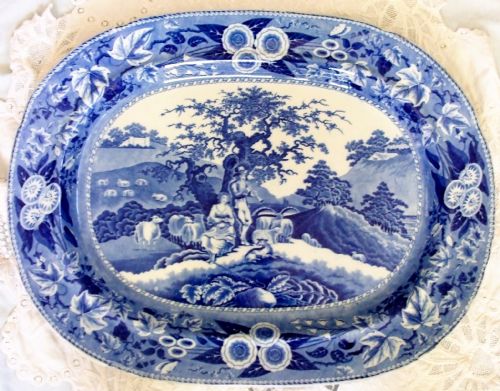
You are most likely to meet large blue and white transfer-printed meat plates and vegetable tureens from English potteries, alongside creamware platters and tin-glazed chargers.
How they were made
Potters shaped these vessels from earthenware clay, applying lead glazes, tin glazes or pearlware surfaces to seal the porous body before firing.
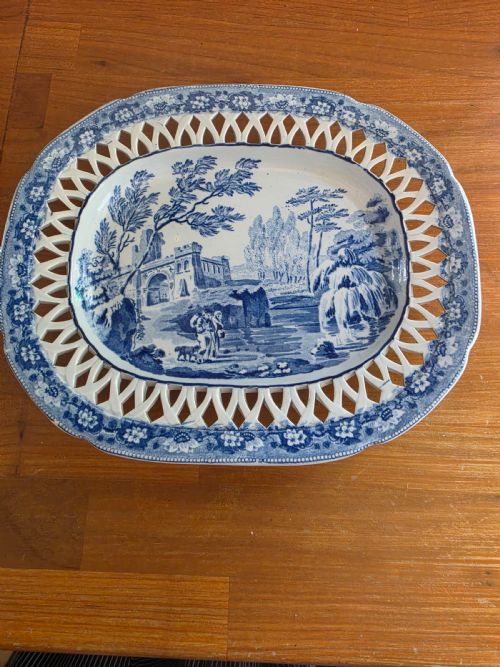
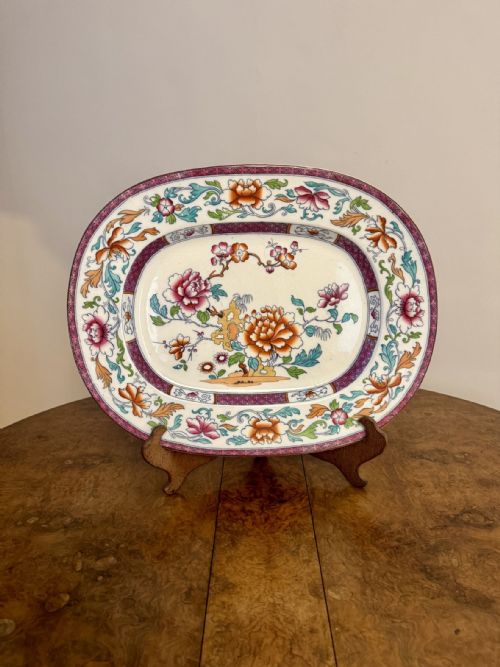
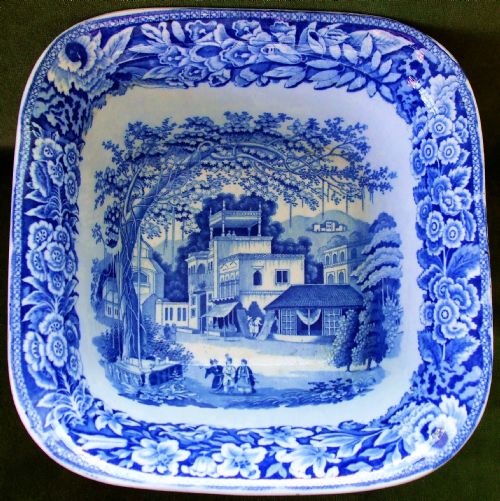
Decoration relied heavily on cobalt pigment applied under the glaze to create intricate blue and white transfer-printed scenes, complemented by polychrome enamel painting on specific chargers and faience.
The listings show nineteenth-century Staffordshire potteries dominating the selection with blue and white transfer-printed meat plates and vegetable tureens.
What varies in quality
Quality rests in the crispness of the transfer printing and the depth of the cobalt pigment, where sharp lines and even colour distinguish superior plates from blurred impressions.
Form also dictates standard, with pierced rims, moulded handles, and well-balanced footrings showing greater ambition than plain round platters.
Wedgwood·Spode·Davenport·John Rogers and Son·James Wallace and Co·J and R Riley·J and R Clews·Mann and Co·Copeland and Garrett·Doulton Burslem
The Antique Earthenware Serving Dishes Glossary
- Earthenware
- A porous ceramic body fired at lower temperatures, requiring a glaze to hold liquids. It forms the foundation of most traditional table platters and tureens.
- Transferware
- A pottery decoration technique where an engraved copper plate transfers a printed design onto paper and then onto the ceramic body. It allowed mass production of detailed pictorial scenes.
- Creamware
- A refined, pale yellow-cream earthenware developed in the eighteenth century. It provided a smooth surface suited for armorial decoration and fine table service.
- Tin glaze
- An opaque white glaze containing tin oxide, used on delftware and faience. It created a clean canvas for painted polychrome or blue motifs.
- Charger
- A large decorative or serving plate meant for communal presentation or display rather than individual dining.
Antique Earthenware Serving Dishes: Frequently Asked Questions
What is an earthenware serving dish?
An earthenware serving dish is a porous ceramic vessel fired at moderate temperatures and glazed to hold food safely at the table.
These pieces include large platters for meat, lidded tureens for vegetables, and wide chargers designed during the Georgian and Victorian periods.
How do I care for antique earthenware?
Antique earthenware requires gentle hand washing in warm water with mild soap, avoiding harsh detergents and modern dishwashers.
Because the historic body is porous and glazes can craze with age, these dishes are best reserved for display or careful occasional serving.
What is transferware?
Transferware is pottery decorated by pressing a paper sheet inked from an engraved copper plate onto the ceramic surface.
This method produced the intricate blue and white pictorial landscapes seen on many nineteenth-century meat plates and platters.