

Antique Earthenware Dish
When you search for an antique earthenware dish, you are looking at ceramic service vessels and chargers spanning multiple centuries of kiln practice.
Antique Earthenware Dish
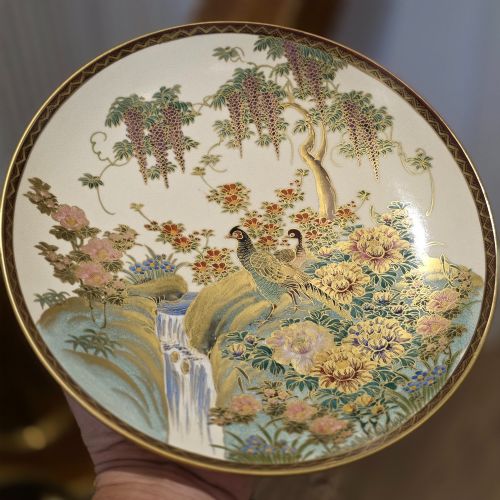
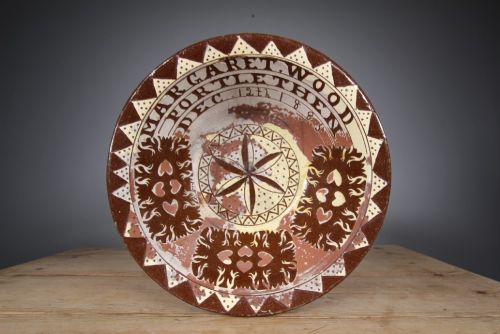
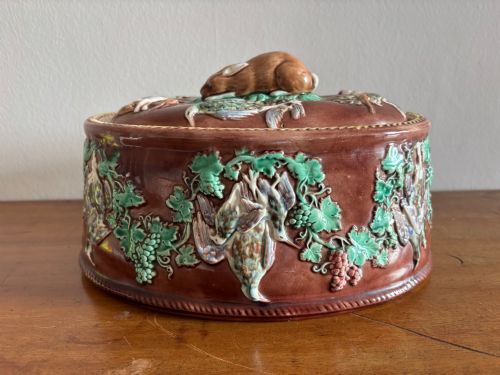
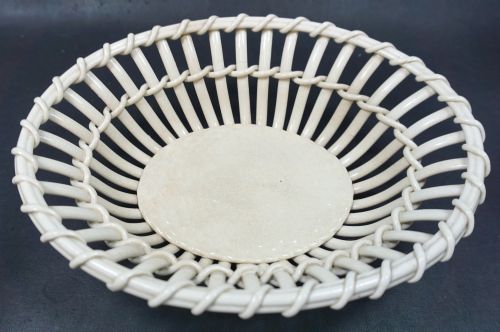
An antique earthenware dish encompasses a diverse selection of utilitarian and decorative table vessels, including chargers, platters, bowls, and tureens. The pieces appearing here originate from European and British potteries, spanning the seventeenth century through to the Victorian era.
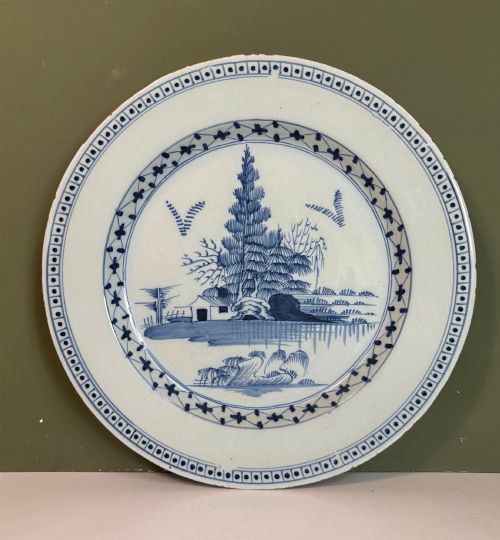
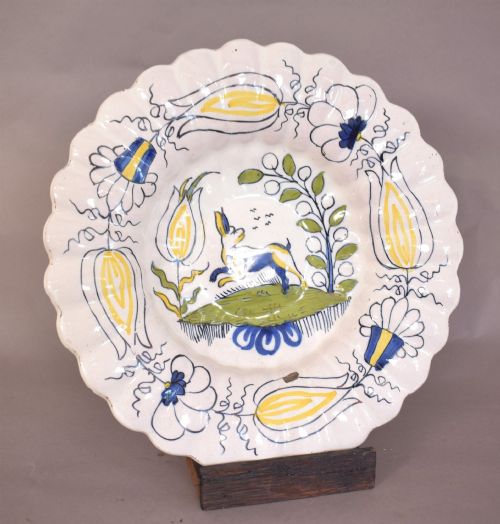
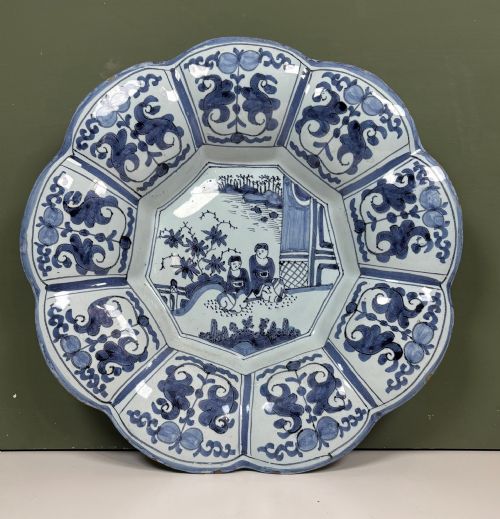
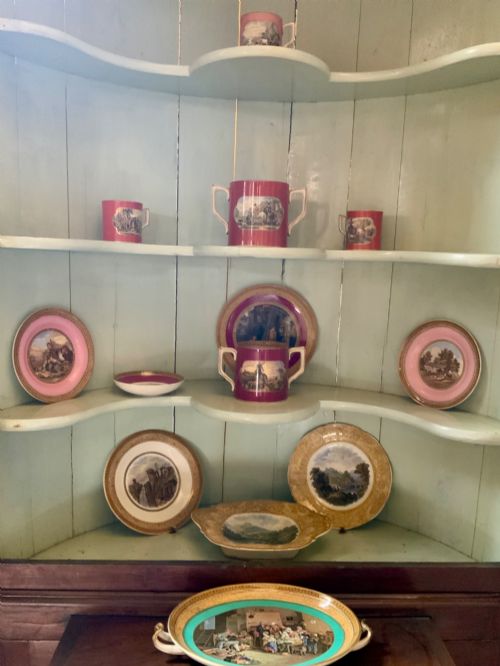
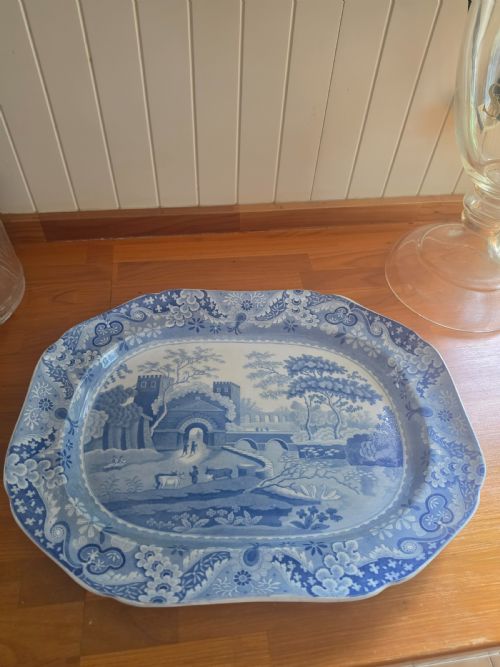
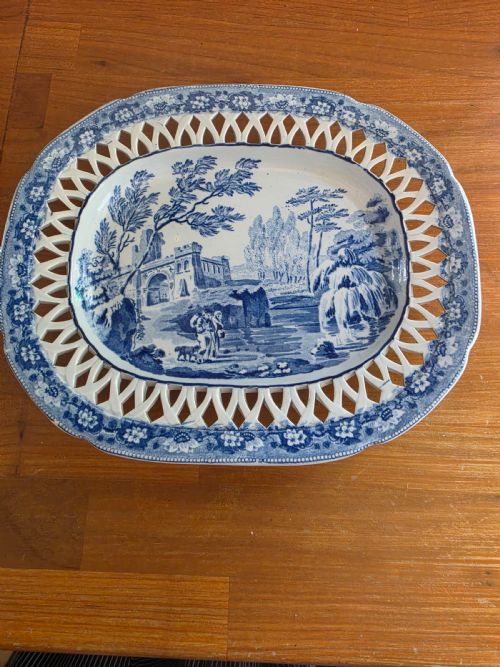
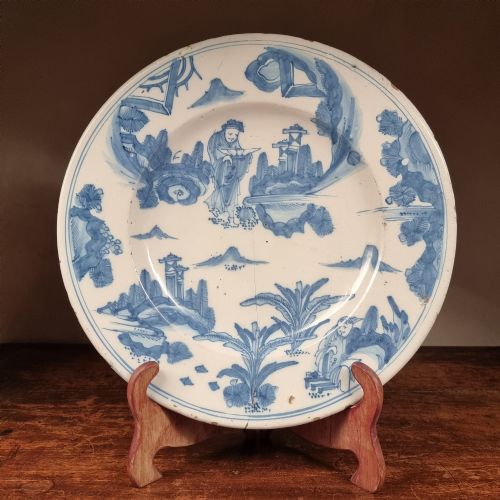
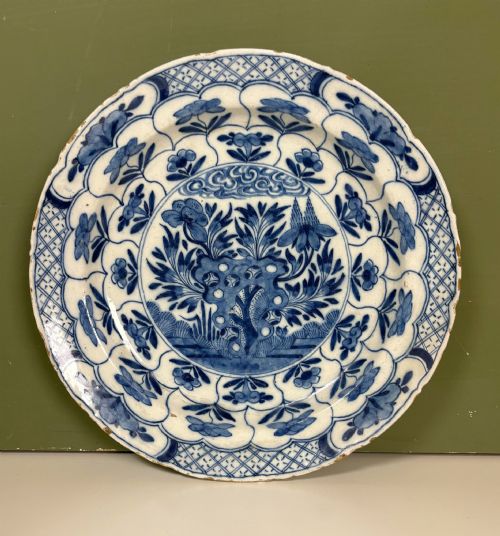
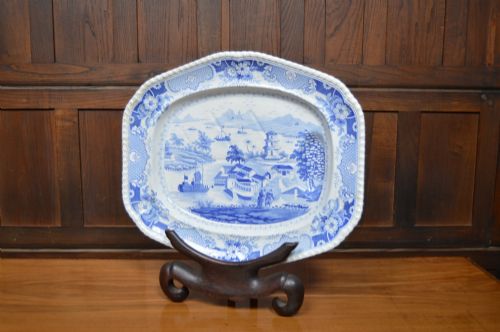
Buyers will most frequently encounter tin-glazed vessels and blue and white transferware platters among these selections. These take the form of large chargers, meat plates, and serving dishes created for both display and dining.
The assortment draws heavily on regional traditions such as English Delftware, Staffordshire pottery, and continental faience. Domestic forms sit alongside robust kitchen earthenware and decorative display pieces.
How they were made
Potters shaped these vessels from clay bodies covered with tin glazes, lead glazes, or specialised ceramic slips. Artisans applied cobalt pigment and enamel colours directly onto the unfired or biscuit surface to create hand-painted and transfer-printed motifs.
Techniques evolved from early seventeenth-century tin-glazing methods influenced by oriental imports to nineteenth-century transfer printing and specialised drabware production. Firing took place in traditional kilns, imparting characteristic surface variations and glaze pooling unique to each period.
One unexpected survivor records the Death of the Bear on a Staffordshire plate.
What varies in quality
Quality depends upon the crispness of the transfer print or the dexterity of the hand-painted brushwork. Superior examples display clear pigments, well-balanced compositions, and sophisticated interpretations of styles like Chinoiserie or Dutch Baroque.
The refinement of the underlying ceramic body and the evenness of the glaze application also dictate worth. Pieces retaining their original structural integrity without excessive kiln distortion stand at the upper end of the range.
George Jones·Spode·Davenport·John Rogers and Son·Koshida·Seaton Pottery
The Antique Earthenware Dish Glossary
- Charger
- A large ornamental or serving plate, typically measuring over twelve inches across. These were designed for display on sideboards or use at formal dining tables.
- Tin Glaze
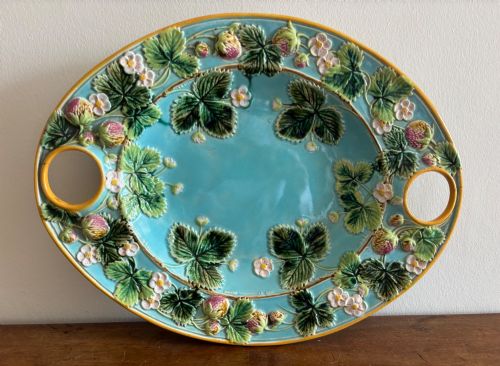
- An opaque white ceramic glaze containing tin oxide, providing a smooth surface for hand-painted decoration. It forms the basis of Delftware and majolica.
- Transferware
- Pottery decorated by applying a printed design from a copper plate onto paper and then onto the ceramic body. This technique dominated nineteenth-century production.
- Slipware
- Earthenware decorated with a liquid clay mixture applied before firing. It creates contrasting surface patterns ranging from simple trails to combed designs.
- Drabware
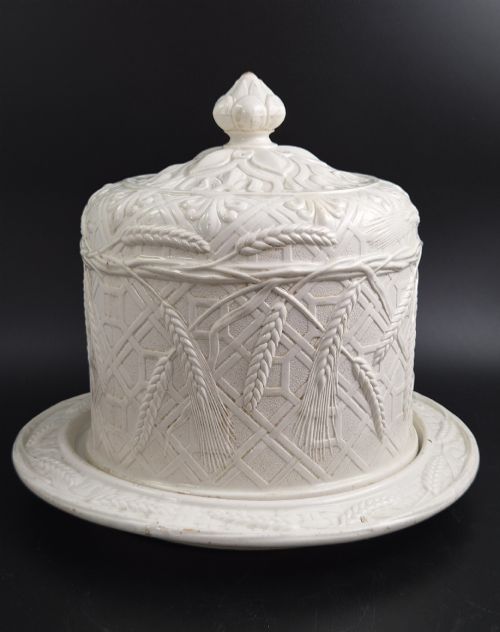
- A utilitarian nineteenth-century pottery with a muted brownish-grey or olive body colour. It gained popularity for domestic kitchenware and cheese dishes.
Antique Earthenware Dish: Frequently Asked Questions
What is an earthenware dish?
An earthenware dish is a porous ceramic vessel fired at relatively low temperatures and usually coated in a glaze to render it waterproof. These items range from utilitarian platters to large decorative chargers.
Potters across Britain and Europe utilised this versatile medium to produce domestic tablewares decorated with hand-painted motifs or transfer-printed scenes.
How were these dishes used historically?
Historically, these vessels served practical roles in food preparation and dining, holding meats, game pies, or desserts at formal meals. Larger chargers often functioned as wall or sideboard displays.
Over time, utility gave way to decorative exhibition, particularly with elaborately painted tin-glazed plates and commemorative wares.
How do I care for antique earthenware?
Caring for antique earthenware requires gentle handling and keeping pieces away from modern dishwashers and harsh detergents. Hand washing in lukewarm water with mild soap protects the historic glazes.
Displaying them securely on stable surfaces or using padded plate hangers prevents accidental chips and structural strain.
How can I tell the period of a dish?
Dating relies on examining the ceramic body, glaze composition, and decorative style alongside any impressed or painted factory marks. Tin glazes and hand-painted Chinoiserie typically indicate earlier centuries, while transfer printing points to the Victorian era.
Comparing potting techniques and historical motifs helps narrow down the decade of manufacture.