




Antique Dutch Engraving
These antique dutch engraving works span cartography, portraits, and decorative metalwork, bringing centuries of European craftsmanship directly to your walls and tabletop collections.
Antique Dutch Engraving
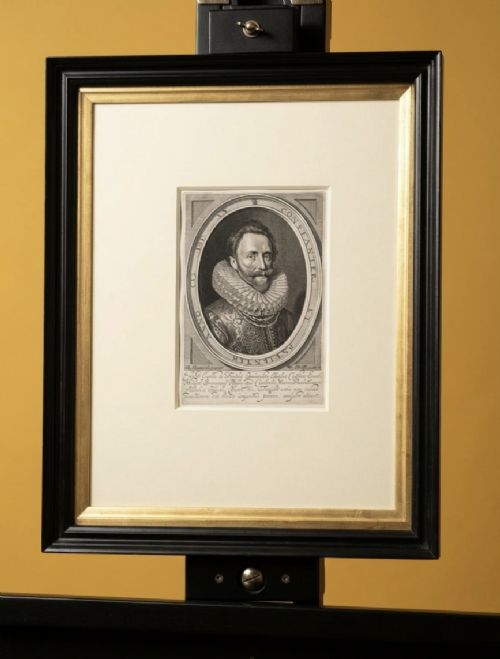
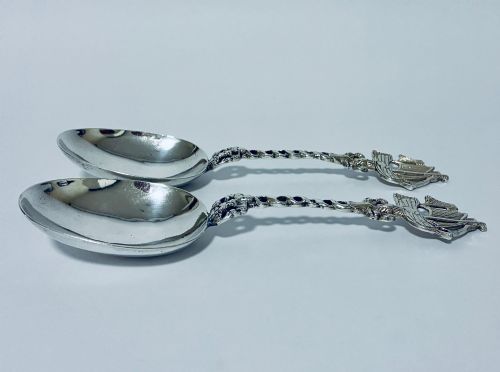
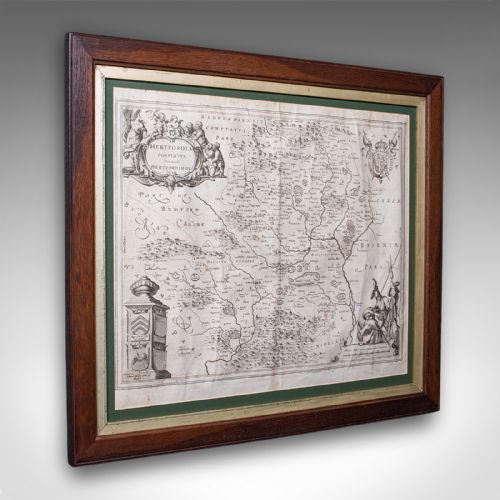
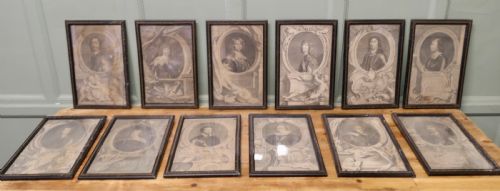
When you search for antique dutch engraving, you encounter a varied selection spanning the seventeenth century through to the Victorian era. These items include framed cartography maps, portrait prints, solid silver tableware, and brass tobacco boxes.
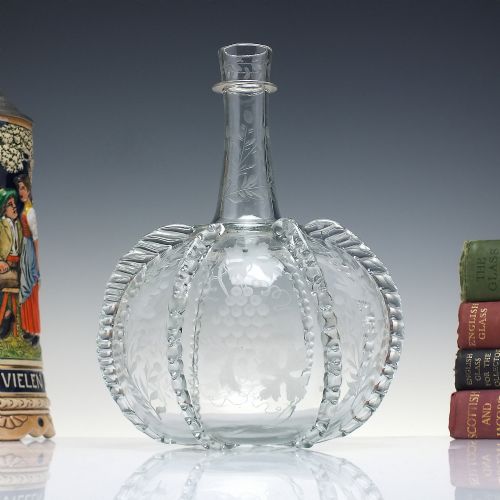
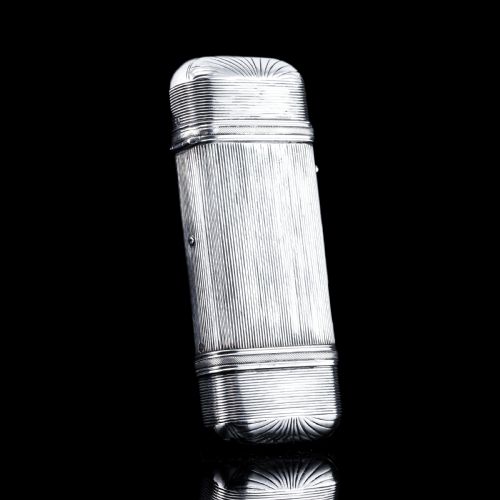
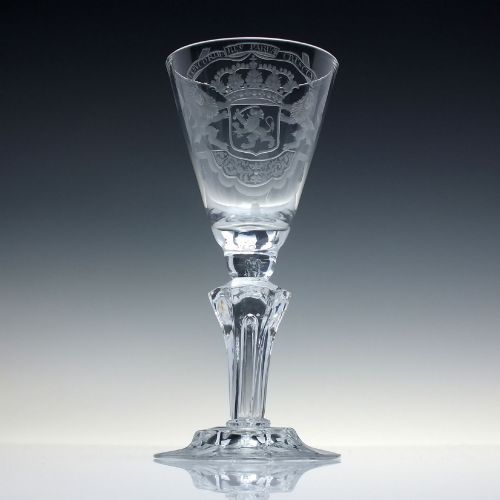
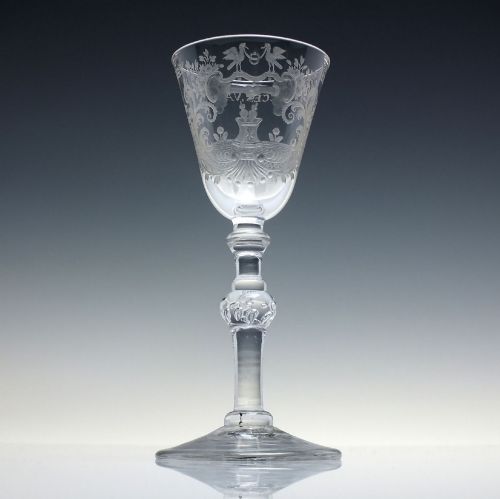
The seventeenth-century pieces on this page frequently take the form of detailed county maps and portraits created by notable cartographers and printmakers. Later nineteenth-century examples often appear as engraved glass wine carafes and solid silver presentation boxes.
Materials and methods of construction
Makers utilised paper and ink for printed works, pressing copper plates to paper to achieve fine lines in maps and portraits. Glass and solid silver served as primary mediums for carafes, spoons, and lidded boxes, shaped through blowing and smithing techniques.
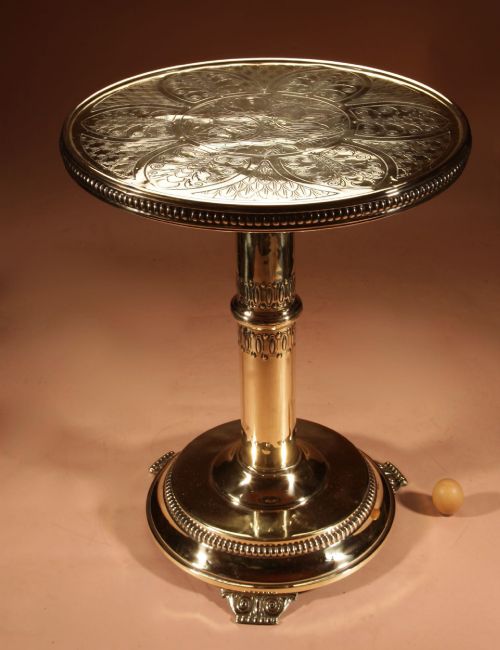
Brass and copper feature heavily in the production of tobacco boxes and small tables, often combining chased decorations with hand-engraved inscriptions. Wooden frames frequently accompany the paper maps and prints from the seventeenth and eighteenth centuries.
Antique Dutch Engraving Retail Price Guide 2026
Typical asking prices for dutch engraving among the pieces listed under this phrase on Sellingantiques today, from the lower quarter to the upper quarter. They describe what is for sale here now, not the wider market.
An eighteenth-century brass tobacco tin commemorates the Battle of Minden, turning a simple pocket accessory into a pocket-sized history lesson.
Factors influencing quality and distinction
The precision of the line work and the clarity of the impression dictate the standing of printed maps and portraits. Crisp, deep plate marks and well-preserved ink density separate superior paper works from worn or faded examples.
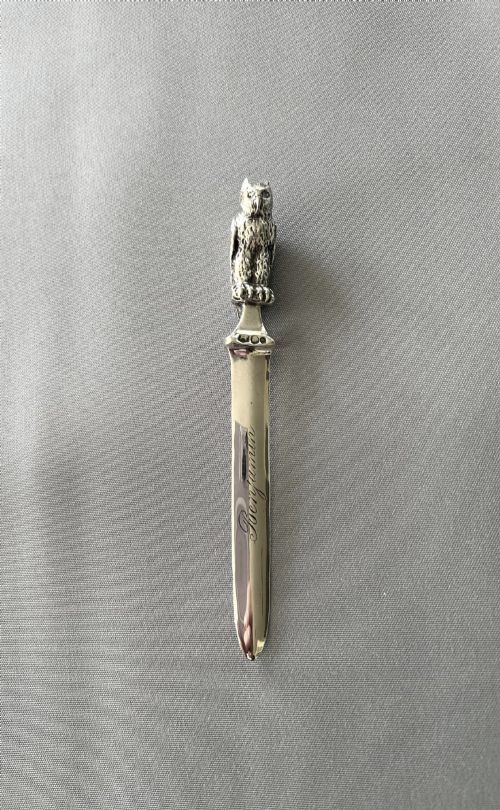
In metalwork and glass, the sharpness of the hand-engraving and the structural integrity of the silver or brass define the calibre of the piece. Hallmarks on silver and the weight of the metal further distinguish finer examples.
Willem Jacobsz Delff·Michiel van Mierevelt·Blaeu·Jacobus Howbraken·Johannes Janssonius
The Antique Dutch Engraving Glossary
- Cartography
- The science or practice of drawing maps. In this collection, it refers to seventeenth-century engraved maps produced by Dutch cartographers.
- Mezzotint
- A printmaking process of the intaglio family, where the plate is roughened to produce tones of grey and black. It allows for subtle gradations of light and shade in portraiture.
- Line engraving
- A printmaking technique where an image is incised into a metal plate with a cutting tool called a burin. This produces clean, precise lines on paper.
- Solid silver
- Precious metal used in its unplated form for boxes, spoons, and cigar cases. Items of this material often bear period hallmarks.
Antique Dutch Engraving: Frequently Asked Questions
How do I date an antique Dutch map?
Examine the cartouche, the typography, and the publisher details often found within the engraving itself. Comparing the geographical borders and place names to known historical editions provides a reliable timeframe.
Paper stock analysis and watermark identification also assist in confirming the period of production for seventeenth-century cartography.
What were brass tobacco boxes used for?
These lidded containers stored loose tobacco leaves or smoking mixtures for personal use in domestic and social settings. Their robust construction allowed them to be carried in pockets or kept on tables.
Many feature engraved historical scenes or inscriptions commemorating specific battles and alliances.
How should I care for antique engraved paper?
Keep framed prints and maps away from direct sunlight to prevent the ink and paper from fading over time. Maintain stable humidity levels to protect the paper fibres from moisture damage.
Use UV-filtering glass when framing to provide an extra layer of preservation for older works.
What is the difference between line engraving and mezzotint?
Line engraving relies on incised grooves cut directly into a metal plate to hold ink, resulting in sharp, defined outlines. Mezzotint works from dark to light by roughening the plate to create rich tonal areas.
Portraits often utilise mezzotint for soft shadows, while maps rely on line engraving for precise geographical details.