



Old Master Print Framed
An old master print framed brings centuries of historic printmaking directly onto the wall in traditional wood and gold leaf mouldings.
Old Master Print Framed
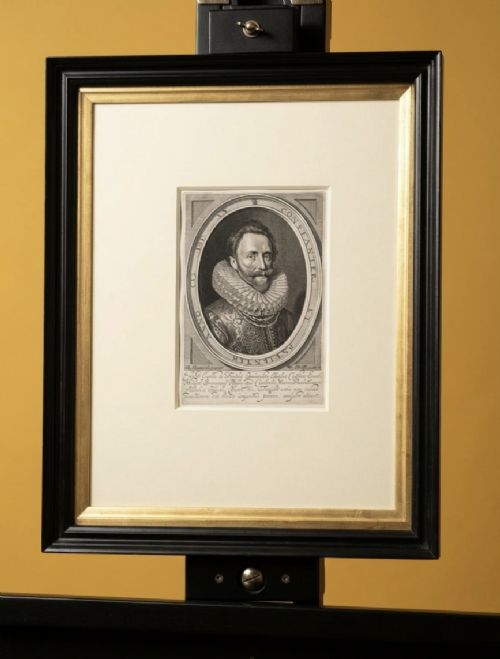
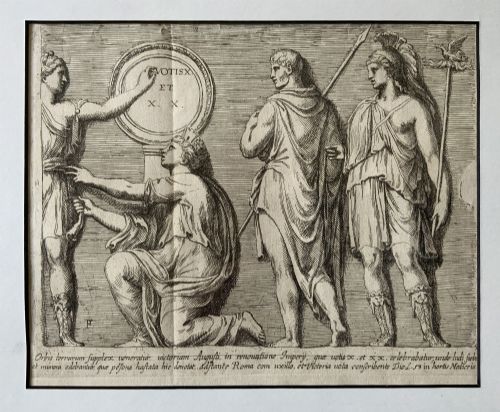
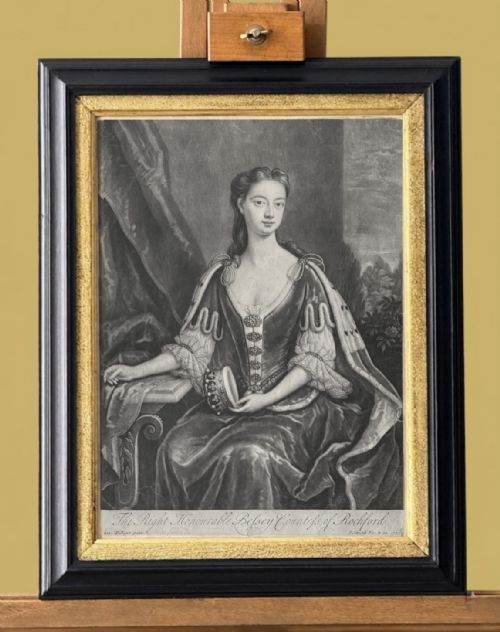
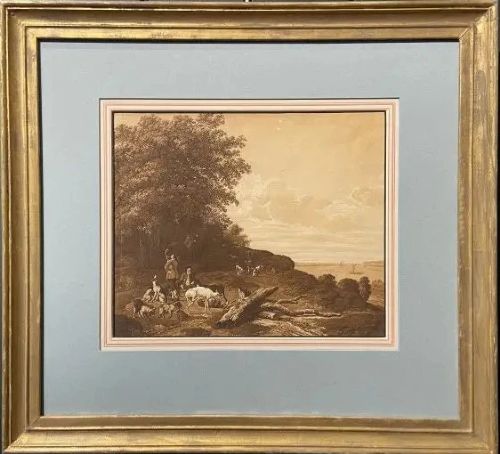
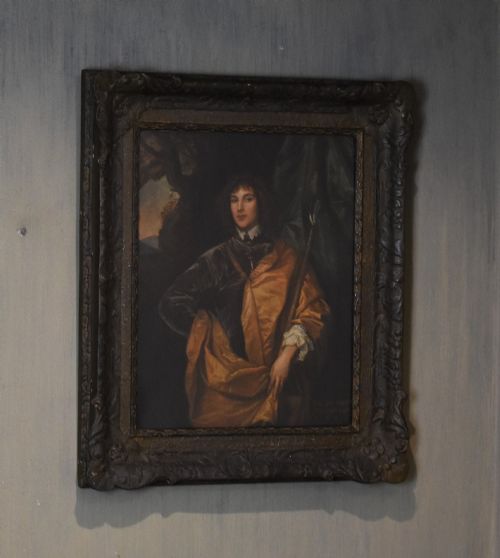
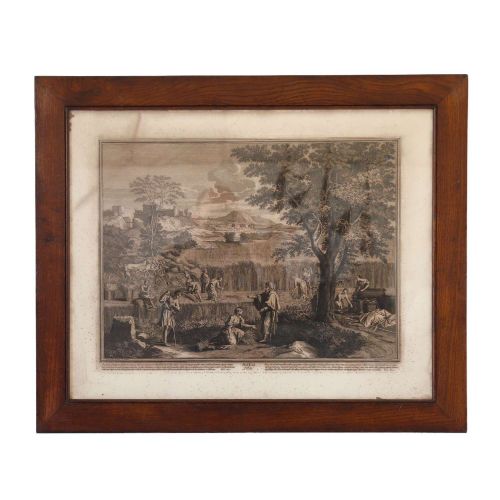
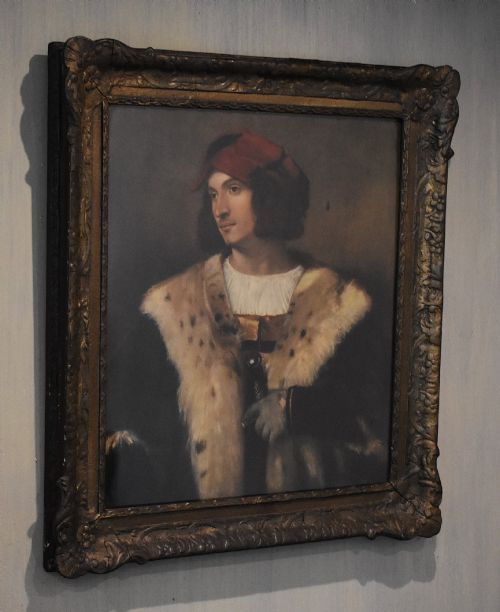
An old master print framed represents historic graphic work executed during periods such as the seventeenth and eighteenth centuries, presented behind protective glass. Buyers encounter distinct forms including mezzotints, etchings, and engravings created after notable painters.
The material presentation typically combines antique paper with period frames constructed from wood and gilded wood. These objects encompass portraits, religious scenes, and classical compositions originating from Dutch, Italian, and wider European traditions.
Examples span several stylistic categories including Baroque, Dutch Golden Age, and Roman Baroque. Later nineteenth-century impressions and twentieth-century reproductions also appear, maintaining the historic portrait and narrative subjects of earlier masters.
How they were made
Printmakers utilised techniques such as etching, engraving, and mezzotint on paper using dark ink to translate painted compositions into multiple impressions. Plates were worked by hand, capturing fine tonal gradations and linear details from original works.
Frames employ timber construction finished with gold leaf or plain wood mouldings designed to house the paper print and glass securely. The combination of organic paper substrates and hand-gilded timber defines the physical construction of these framed works.
Old Master Print Framed Retail Price Guide 2026
Typical asking prices for old master print framed among the pieces listed under this phrase on Sellingantiques today, from the lower quarter to the upper quarter. They describe what is for sale here now, not the wider market.
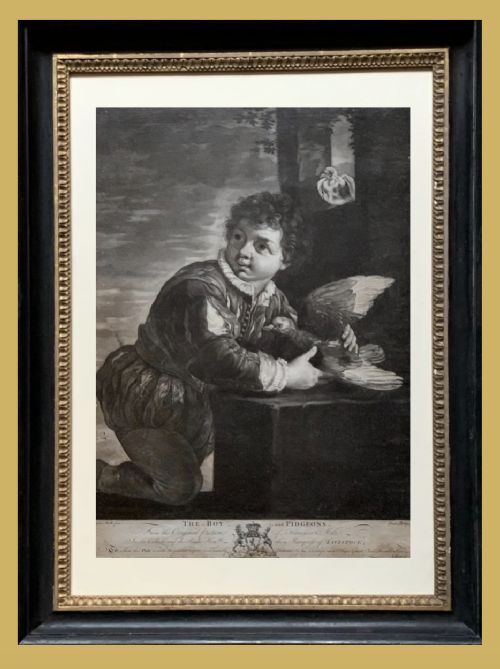
Pigeons share the frame with an eighteenth-century boy in a mezzotint portrait.
What varies in quality
The clarity of the ink impression upon the paper separates early, sharp strikes from worn later printings. Strong definition in the lines and rich tonal depth indicate superior printmaking execution.
The framing materials also vary, distinguishing simple timber surrounds from elaborate gilded wood mouldings that complement the historical period of the artwork. Original or period-appropriate framing enhances the overall integrity of the piece.
Willem Jacobsz Delff·Michiel van Mierevelt·François Perrier·John Boydell·John Smith·Johannes Lingelbach·Gio Marco Paluzzi
The Old Master Print Framed Glossary
- Mezzotint
- A printmaking process of the intaglio family where the plate is roughened to achieve rich dark tones and subtle gradations. This technique allows for smooth tonal transitions particularly suited to portraiture.
- Etching
- A method where lines are bitten into a metal plate with acid before ink is applied and transferred to paper. Artists use this process to achieve expressive, fluid lines.
- Engraving
- A technique where an artisan cuts lines directly into a metal plate using a sharp tool called a burin. The resulting prints exhibit crisp, precise lines.
- Baroque
- An artistic style prevalent during the seventeenth century characterised by dramatic movement, deep shadow, and grand scale. Works in this style emphasise emotional intensity.
- Gilded wood
- Timber coated with a thin layer of gold leaf or gold paint. This material is standard for traditional picture frames housing historic artwork.
Old Master Print Framed: Frequently Asked Questions
What is an old master print?
An old master print is a piece of graphic art created by a European artist during the Renaissance, Baroque, or related historic periods.
These works include etchings, engravings, and mezzotints printed from plates worked directly by the printmaker.
How do I hang framed old master prints?
Hang these framed works on interior walls away from direct sunlight to protect the aged paper and ink.
Use sturdy wall fixings appropriate for the weight of traditional wood and glass frames.
Are these prints originals?
The listings include original seventeenth- and eighteenth-century impressions alongside nineteenth-century print productions.
Each listing specifies the production period associated with the specific print and frame.
What framing is used on these pieces?
Frames typically consist of wood or gilded wood mouldings enclosing protective glass over the paper artwork.
These materials align with traditional framing methods used to preserve historic prints.