
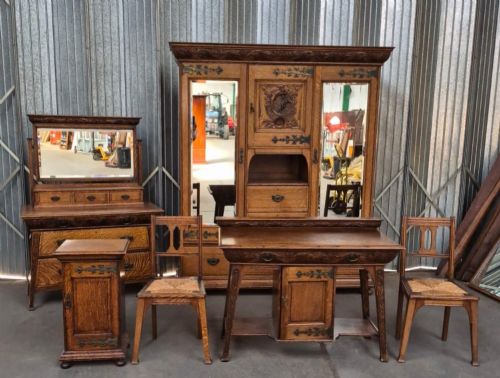


Antique Dressing Table Chair
An antique dressing table chair brings period character to a vanity or bedroom, offering practical seating shaped by nineteenth-century and early twentieth-century hands.
What an antique dressing table chair is
An antique dressing table chair serves as a functional and decorative seat designed specifically for use at a vanity or dressing bureau. These pieces bridge the gap between bedroom utility and period elegance.
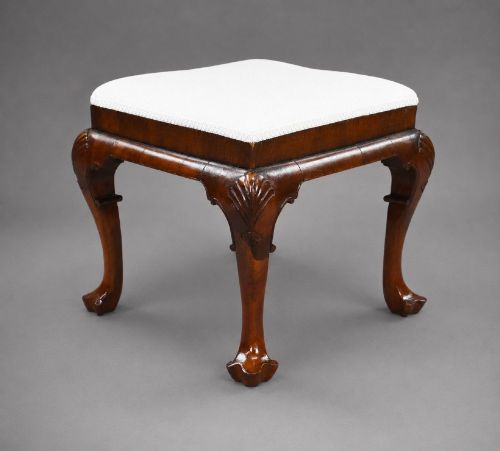
Buyers encountering this search phrase frequently meet compact side chairs, low stools, and armchairs tailored for smaller spaces. The selection ranges from Victorian walnut side chairs to early twentieth-century bedroom chairs.
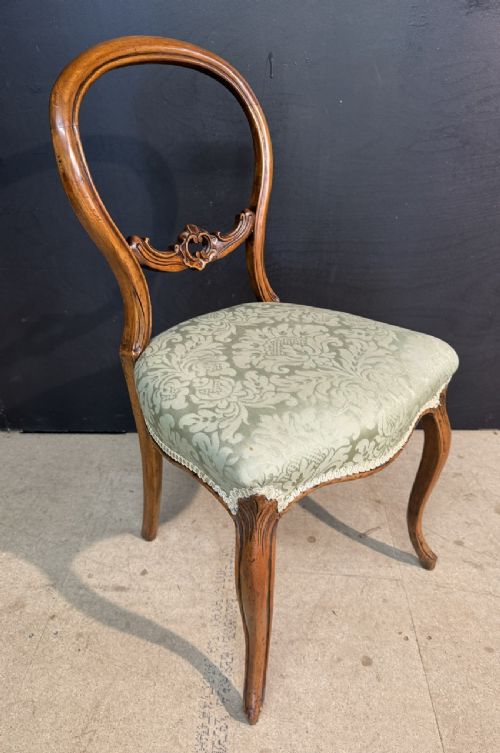
Origins span the Victorian era and the Edwardian period, often overlapping with desk or music chairs of similar scale. Formations include balloon backs and low profiles intended to tuck neatly beneath vanity surfaces.
How they were made
Cabinetmakers utilised hardwoods such as walnut and mahogany to construct the frames, sometimes incorporating wood inlay for decorative contrast. Certain examples feature painted and gilt finishes applied to the timber frame.
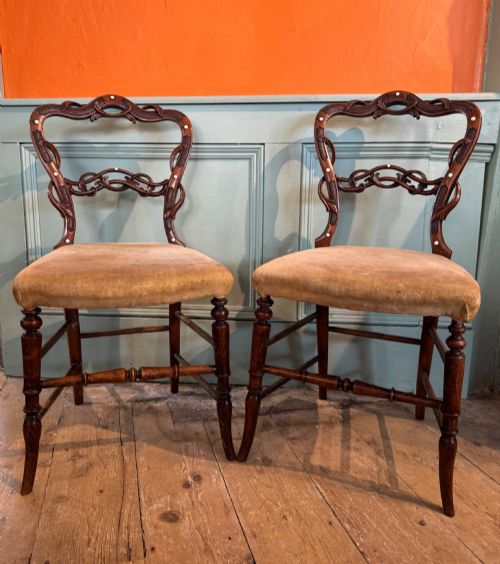
Upholstery relies on traditional textiles, including fabric, damask, and velvet, often placed over newly applied covers during restoration work. Structural woodwork incorporates details such as twisted rope legs and cabriole legs.
Retail Price Guide 2026
Typical UK retail prices for dressing table chair, calculated from the Sellingantiques database of over a million retail prices indexed since 2003. This retail price guide relies exclusively on Sellingantiques data; no external sources or auction records are used, so the figures do not describe the wider market.
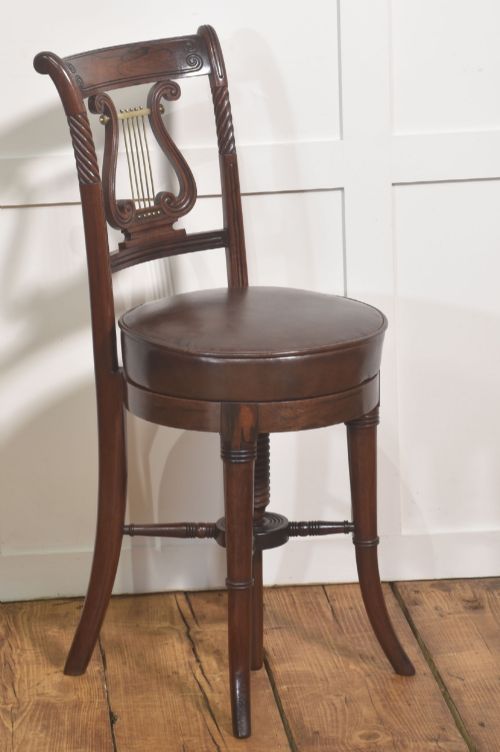
Some nineteenth-century chairs served a double life, doubling cheerfully as music stools when the piano needed an audience.
What varies in quality
Quality rests in the integrity of the timber frame and the refinement of carved details like cabriole legs or balloon backs. Finer examples display balanced proportions and crisp joinery rather than purely utilitarian construction.
The choice of upholstery material and the execution of recovering work influence the overall presentation of the piece. Walnut and mahogany frames with integrated wood inlay generally indicate a higher tier of craftsmanship than plain secondary woods.
The Antique Dressing Table Chair Glossary
- Balloon back
- A chair back shaped in an open curve resembling a balloon, typical of nineteenth-century seating. This design provides ergonomic support while maintaining a light visual profile.
- Cabriole leg
- A furniture leg that curves out and then in, resembling the leg of an animal. It originates in classical antiquity and appears frequently on refined Victorian woodwork.
- Damask
- A reversible figured fabric woven on a jacquard loom, frequently utilised for historical upholstery. Its pattern is formed through the weave rather than printed on the surface.
- Side chair
- An upright chair without arms, designed for dining or bedroom use. These compact seats fit easily beneath dressing tables and desks.
Frequently Asked Questions
What defines an antique dressing table chair?
An antique dressing table chair is a low or compact seat designed to sit comfortably at a vanity during the nineteenth or early twentieth centuries.
These pieces typically share characteristics with desk or side chairs of the Victorian and Edwardian periods, prioritising a scale that fits beneath dressing furniture.
How were these chairs used historically?
Historically, these chairs provided seated comfort for grooming, hair styling, and applying cosmetics in private bedrooms.
Their compact proportions allowed them to be tucked out of the way when not in use, distinguishing them from larger parlour or dining seating.
Can I use one at a modern desk?
Many of these chairs function well at modern desks due to their similar height and compact footprint.
Buyers should check the seat height relative to their desk, as historical proportions can sometimes sit lower than contemporary office furniture.
How do I identify a Victorian example?
Victorian examples often feature dense hardwoods like walnut or mahogany, alongside characteristic shapes such as balloon backs or cabriole legs.
Construction methods visible beneath the frame, such as traditional joinery and period textiles, help confirm the nineteenth-century origins.