

Antique Dressing Seat
When you search for an antique dressing seat, you uncover low-profile bedroom perches designed for the vanity.
Antique Dressing Seat
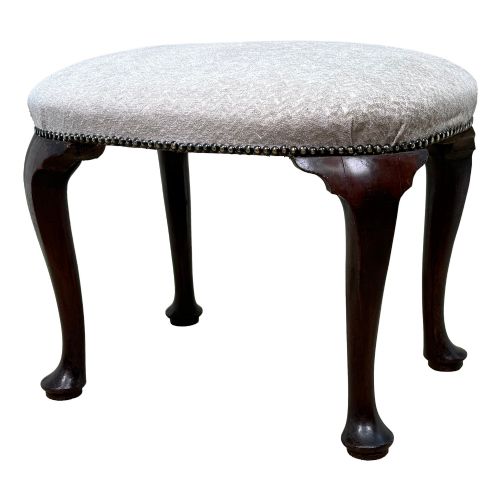
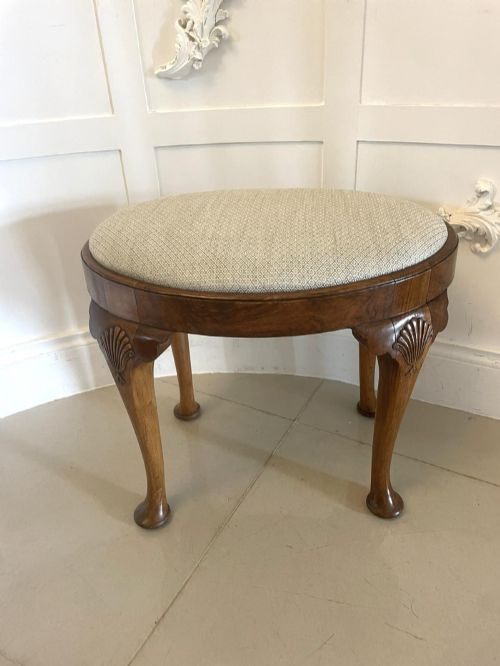
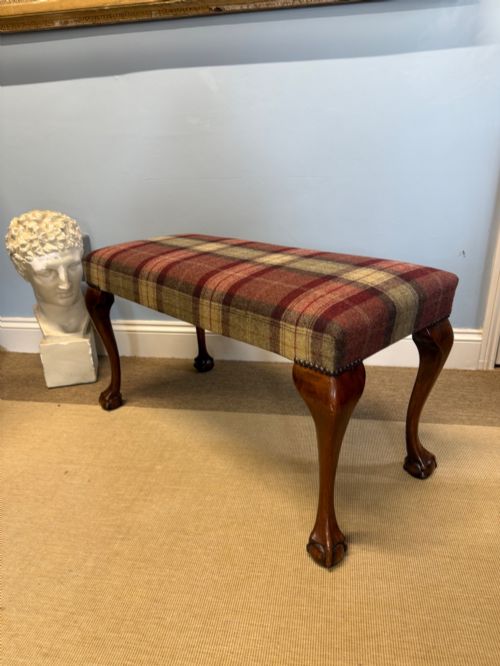
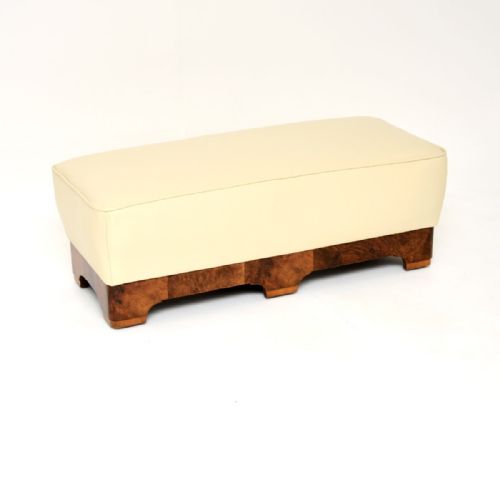
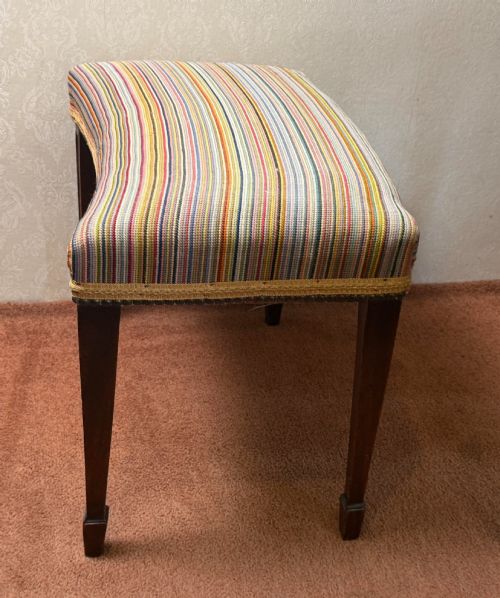
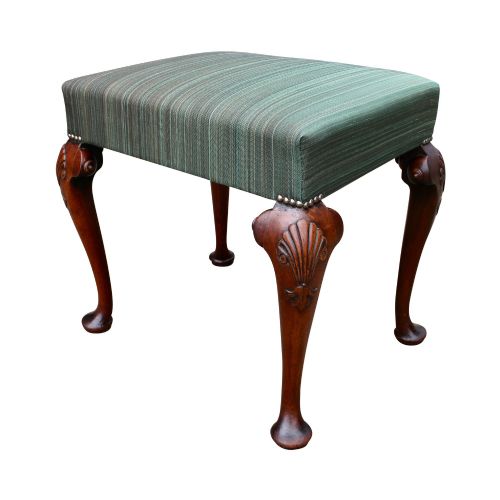
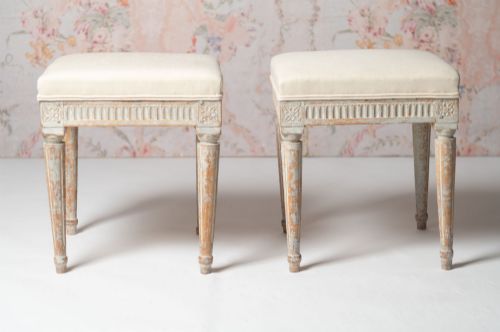
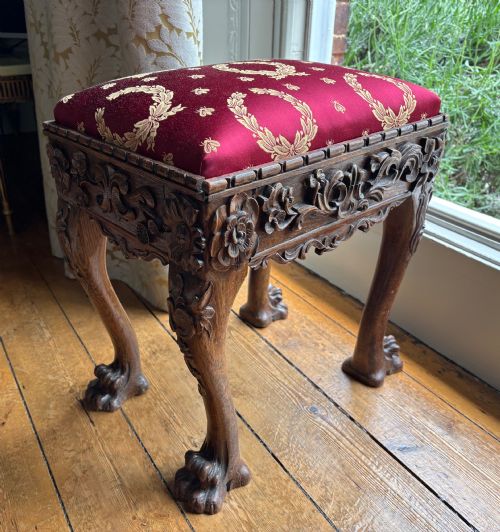
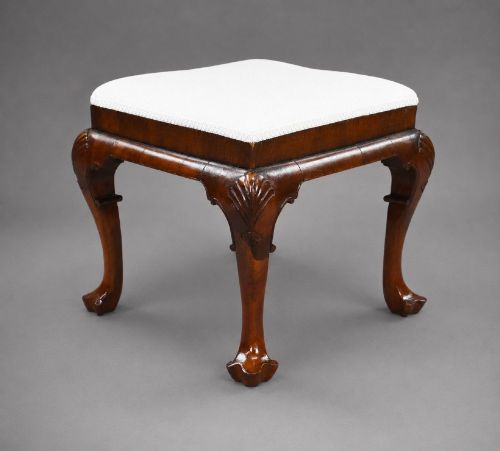
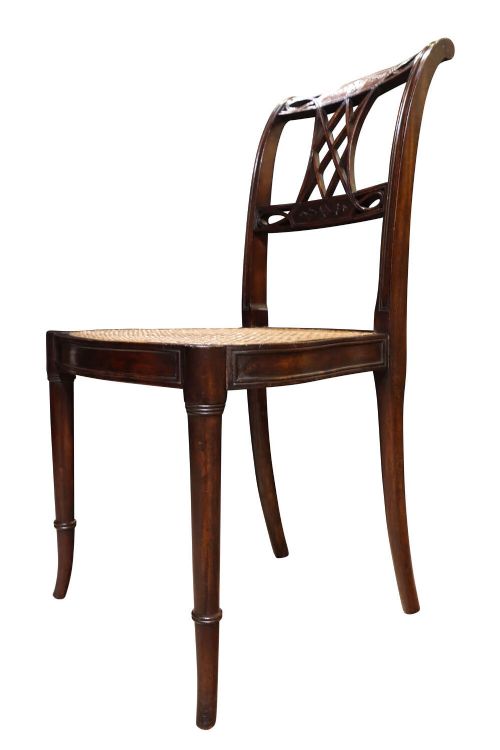
An antique dressing seat serves the vanity, functioning as a low, upholstered stool or small chair positioned beside a bedroom table. These pieces emerge in formats ranging from simple mahogany frames to ornate cabriole leg designs, providing compact seating for daily grooming routines.
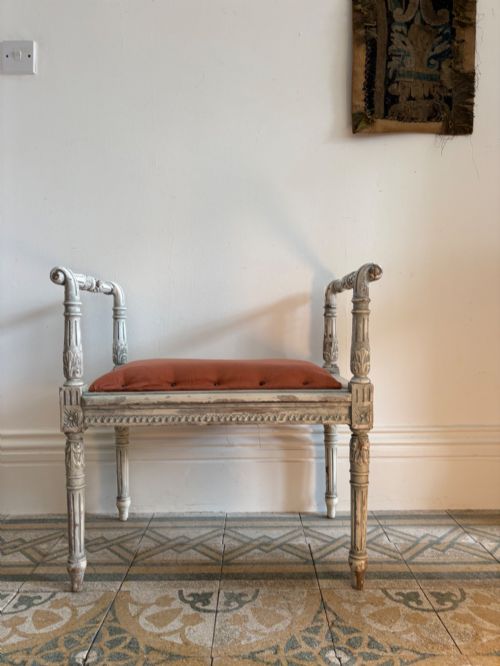
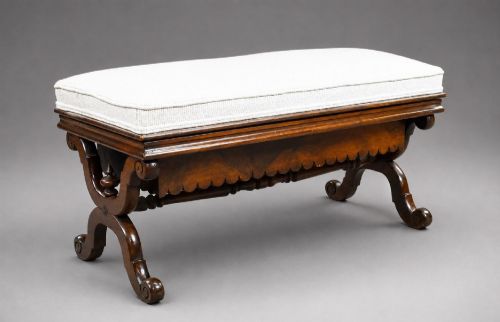
The selection here encompasses Victorian walnut frames, Edwardian satinwood pieces, and earlier Georgian mahogany variants. Alongside standard stools, the evidence includes X-frame folding forms, piano benches, and occasional boudoir chairs.
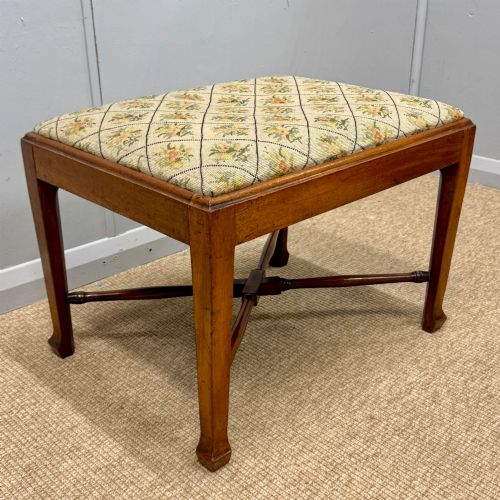
Makers and regional workshops produced these seats to match prevailing bedroom suites, resulting in styles that span from Queen Anne revivals to Art Deco geometries. Walnut and mahogany predominate, often paired with contemporary textile or needlepoint upholstery.
Materials and Construction
Cabinetmakers built these frames primarily in solid hardwoods such as mahogany, walnut, and rosewood, occasionally utilising oak, satinwood, or ebonised finishes. Turned legs, cabriole supports with carved knees, and cross stretchers provide the structural foundation for daily weight.
Upholstery forms an integral part of the construction, layering fabric, silk, velvet, or tapestry over padded bases secured to timber frames. Joinery methods include traditional tenon and mortise joints, complemented by adjustable height mechanisms in music and dressing variants.
Some Victorian dressing stools double as hidden sewing boxes, keeping threads tucked safely beneath velvet cushions.
Evaluating Craftsmanship
Differentiation in these pieces rests upon the crispness of timber carving, the selection of figured veneers like oyster walnut, and the integrity of the frame joints. Superior examples exhibit harmonious proportions, robust internal timber framing, and hand-carved detailing on cabriole legs or scroll backs rather than applied composition ornaments.
The choice of covering materials and secondary woods also indicates the grade of the piece, with finer items featuring dense tropical hardwoods, pegged joints, and retaining period-appropriate textiles or traditional hand-stitched needlepoint.
Harry and Lou Epstein·Bath Cabinet Makers
The Antique Dressing Seat Glossary
- Cabriole leg
- A furniture leg that curves outward at the knee and tapers inward to an ankle, mimicking an animal's limb. This silhouette frequently appears on 18th-century revival and Victorian dressing stools.
- X-frame
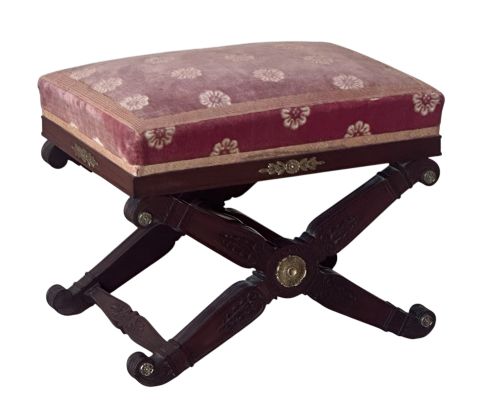
- A structural base formed by intersecting diagonal timbers that create an X shape from the side view. These folding or fixed supports often feature in Regency and French Empire dressing seats.
- Stretcher
- A horizontal timber connecting the legs of a stool to provide lateral stability. They appear as plain bars, crossed X-stretchers, or decorative barley-sugar turns.
- Satinwood
- A dense, yellowish timber prized for its smooth grain and glossy appearance, utilised in fine Edwardian bedroom furniture. It accepts inlay work and polishing exceptionally well.
- Needlepoint
- Hand-stitched canvas embroidery utilising yarn to create pictorial or geometric patterns. This textile technique commonly survives on the upholstered tops of Victorian and Edwardian boudoir seats.
Antique Dressing Seat: Frequently Asked Questions
Where were dressing seats placed?
These low seats sat directly beneath bedroom dressing tables or vanities, allowing users to sit comfortably while tending to hair and cosmetics. Their compact footprint ensured they could slide out of the way when not in use.
Over time, owners also repurposed them as piano benches, hallway perches, or footstools alongside larger drawing-room chairs.
How do I date a dressing stool?
Dating relies on combining the timber species, leg geometry, and under-framing techniques visible in the piece. For instance, cabriole legs and walnut point toward Victorian or Queen Anne revival periods, while satinwood inlay suggests Edwardian manufacture.
Hardware, such as mechanical height adjusters on music seats, also provides reliable chronological markers linked to patent dates of the nineteenth century.
What is an X-frame dressing seat?
An X-frame seat utilises intersecting diagonal stretchers beneath the upholstery to support the user's weight. This classical form draws inspiration from ancient Roman and Renaissance folding furniture.
In Regency and Edwardian iterations, these frames were constructed as rigid, elegant perches or functional folding seats used in halls and dressing rooms.
Are these seats suitable for daily use?
Most antique dressing seats remain sturdy enough for regular sitting, provided the internal joinery and webbing are secure. Solid hardwood frames distribute weight effectively across four legs or X-supports.
Users should check that timber joints remain tight and that modern or period upholstery foam provides adequate support without straining the antique wooden frame.