




Antique Dress Brooch
An antique dress brooch brings together precious metals and stones to pin on a lapel, combining period craftsmanship with wearable history.
Antique Dress Brooch
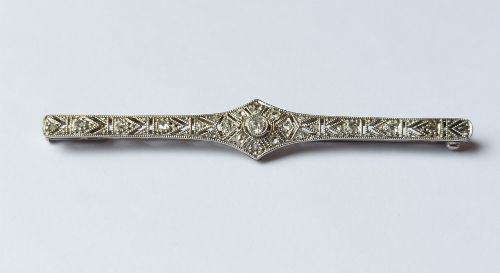
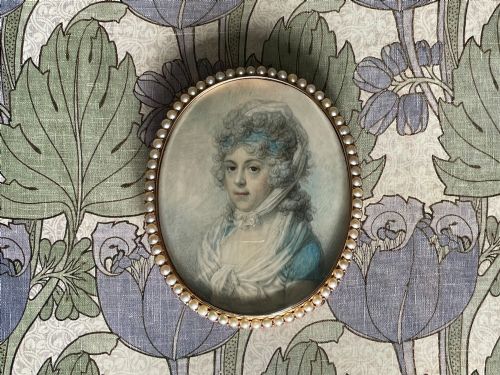
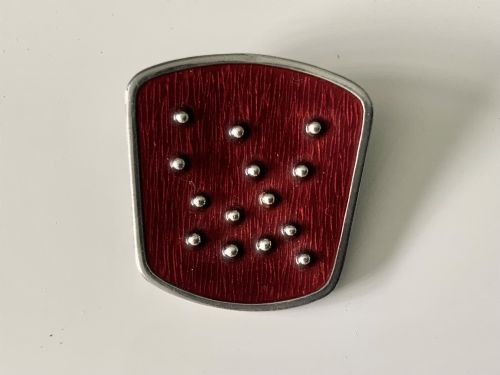
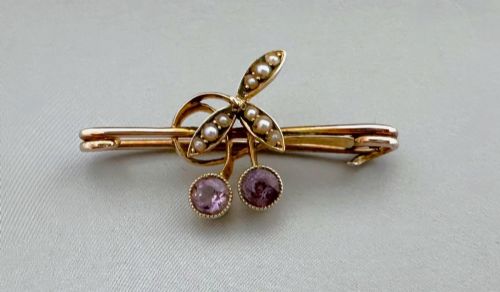
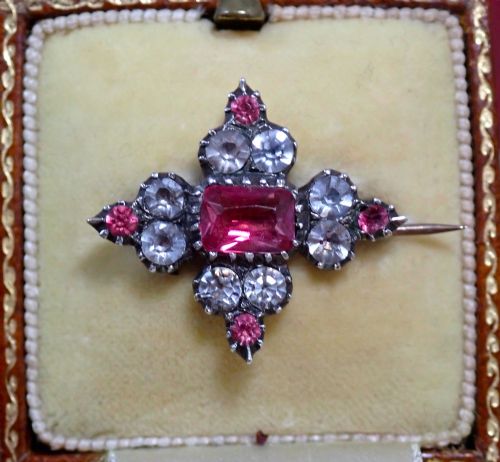
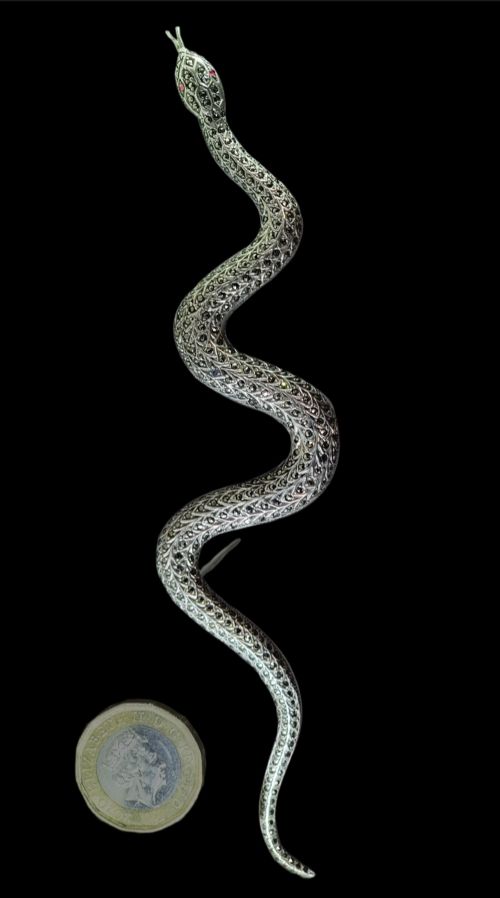
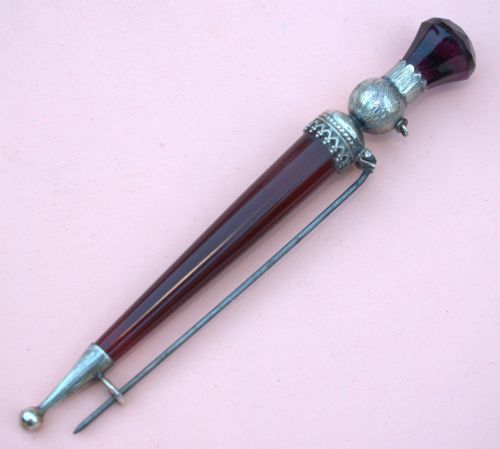
An antique dress brooch is a decorative fastening pin worn upon clothing, spanning periods from the nineteenth century through the 1940s. These ornaments take various forms, including bar brooches, floral motifs, geometric Art Deco plaques, and figurative pieces.
The selections available here lean heavily toward platinum and diamond Art Deco creations from the 1920s alongside gold and silver Victorian and Edwardian examples. Buyers encounter everything from delicate paste dress clips to large gemstone cluster pins.
How they were made
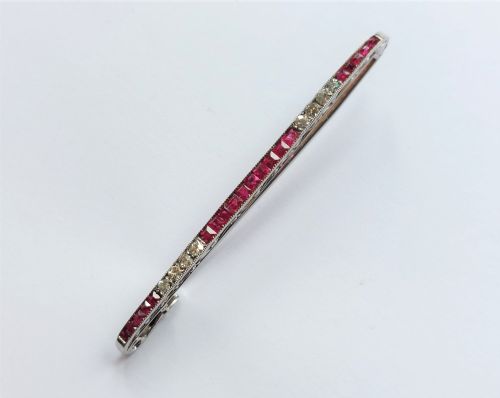
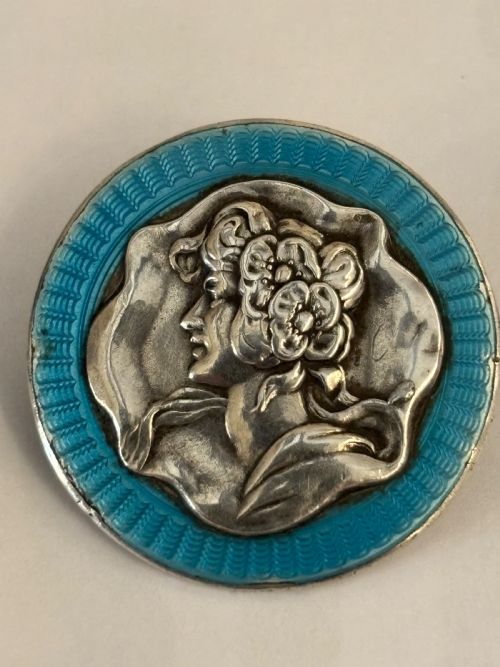
Goldsmiths and silversmiths shaped these pieces using platinum, yellow gold, white gold, and sterling silver as foundational frameworks for precious stones. Gemstones such as diamonds, sapphires, rubies, garnets, and pearls were hand-set alongside decorative elements like guilloche enamel and paste.
Techniques range from fine platinum openwork filigree and millegrain edge-setting to heavy cast gold work and chatelaine mountings. Artisans combined precious metals with natural materials to achieve structural integrity and intricate surface detail.
Listings span from the 19th century through the 1940s, featuring platinum, gold, silver, diamond, and enamel.
What varies in quality
The standard of an antique dress brooch rests on the purity and weight of its precious metals, alongside the carat size, cut, and clarity of its diamonds or coloured stones. Superior examples display precise stone-setting, balanced proportions, and sophisticated design composition.
Fine craftsmanship shows in the crispness of the metalwork, whether in the delicate geometry of a platinum bar brooch or the deep relief of a Victorian gold casting. Lesser pieces rely on simple stamped metals or glass paste substitutes rather than genuine gems.
Henry Matthews
The Antique Dress Brooch Glossary
- Bar brooch
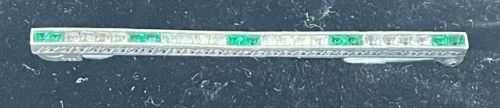
- A narrow horizontal pin shape popular across the Edwardian and Art Deco periods. These often feature central diamond clusters or graduated gemstone lines.
- Paste
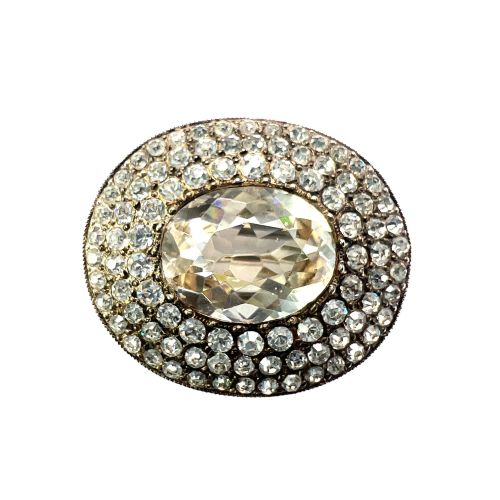
- Faceted lead glass used as a substitute for gemstones in historic jewellery. Skilled artisans hand-cut and foil-backed these glass stones to mimic diamonds and coloured gems.
- Millegrain
- A jewellery technique creating a decorative border of tiny raised metal beads along the edge of a setting. This finish softens harsh metal lines and frames diamonds closely.
- Chatelaine
- A decorative belt hook suspended with subsidiary chains for carrying everyday items. Victorian iterations often incorporated ornate silverwork and rococo decorations.
- Guilloche enamel
- A decorative technique where translucent enamel is layered over engine-turned metal engraving. This creates repeating geometric patterns visible beneath coloured glass.
Antique Dress Brooch: Frequently Asked Questions
How do I wear an antique dress brooch?
These pieces pin securely onto jacket lapels, coat collars, scarves, and heavy knitwear using traditional pin-and-catch closures.
Heavier platinum and diamond pieces require sturdy fabrics to support their weight without pulling the material.
What is the difference between Victorian and Art Deco brooches?
Victorian brooches typically feature yellow gold, rich coloured gemstones, and organic motifs like floral clusters or scrolls.
Art Deco pieces favour platinum, white gold, geometric symmetry, and diamond-heavy designs from the 1920s and 1930s.
Are paste brooches considered valuable?
Historic paste jewellery utilises hand-cut lead glass mounted in sterling silver or gold rather than cheap modern materials. Fine period paste items remain sought-after collector pieces for their high standard of historical craftsmanship.
How do I identify the period of a brooch?
Dating relies on material combinations, gemstone cuts, and manufacturing techniques characteristic of specific eras. Platinum use combined with geometric lines typically indicates the 1920s, whereas dark gold settings point to the nineteenth century.