



Antique Dome Top Box
An antique dome top box combines curved architecture with practical storage, offering everything from small desktop caddies to large travel trunks.
Antique Dome Top Box
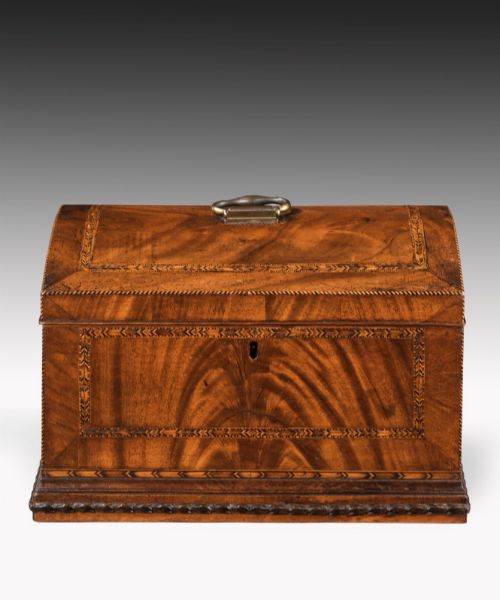
When you search for an antique dome top box, you encounter a wide variety of vessels designed to store everything from loose tea to travel belongings. The selection ranges from small desktop stationery boxes and tea caddies to large floor trunks and marriage chests created across the eighteenth and nineteenth centuries.
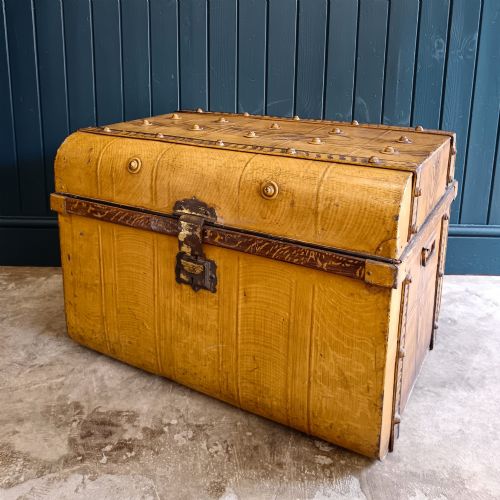
The domestic pieces often use rich decorative veneers like burr walnut, coromandel, and mahogany for desk use. Meanwhile, the larger travel trunks utilise pine, oak, leather, and painted metal to withstand active use during journeys.
How they were made
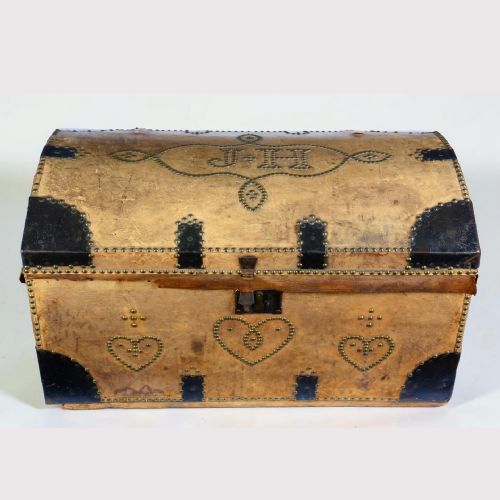
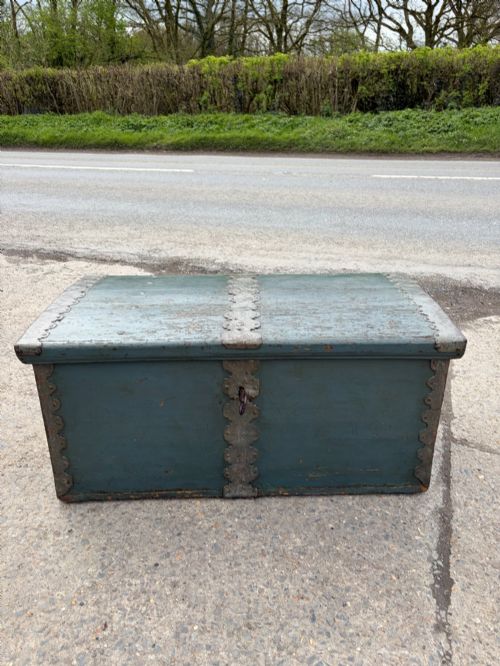
Makers constructed these boxes using solid woods like pine and oak for structural carcasses, frequently applying decorative timbers such as burr walnut, yew, and coromandel to the exterior surfaces. Many larger trunks incorporate iron, steel, and brass for protective banding, handles, and locks.
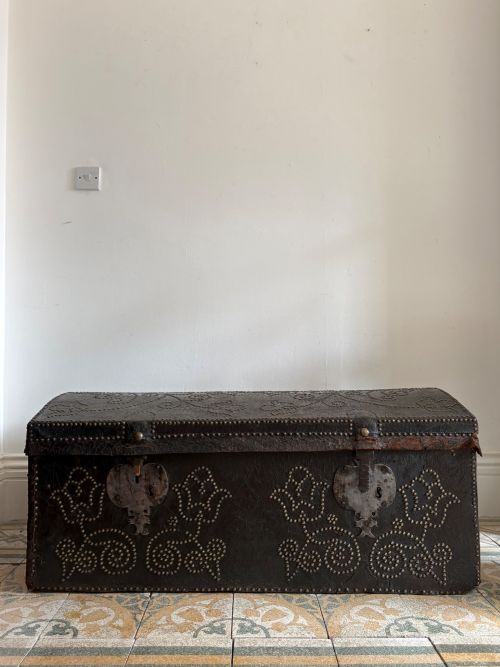
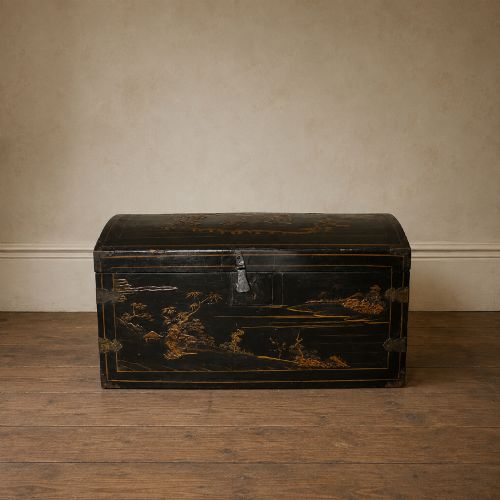
Surface treatments vary from polished natural grain and hand-painted folk designs to applied leather studded with brass tacks. Joinery techniques range from simple pegged construction on country pieces to precise dovetailing on luxury desktop caskets.
Some nineteenth-century travellers entrusted their belongings to steel trunks bearing shipping line names before setting off across the sea.
What varies in quality
The standard of an antique dome top box depends largely on the choice of materials and the ambition of its construction. Pieces featuring highly figured burr veneers, elaborate brass mounts, and intact original interiors sit comfortably at the upper end of the scale.
Simpler pine or painted country trunks rely on the integrity of their original paintwork and hardware. The survival of functioning locks, original keys, and fitted compartments elevates the desirability of both small caddies and large travel chests.
Chapple and Sons·Trussell Brighton·Cunard Line
The Antique Dome Top Box Glossary
- Tea Caddy
- A specialised box designed to store loose tea leaves, often featuring internal compartments or canisters. These small containers frequently showcase fine veneers like burr walnut and mahogany.
- Stationery Box
- A desk accessory organised to hold letters, envelopes, and writing paper. Victorian examples often adopt a dome top or Gothic revival architectural form.
- Coffer
- A heavy wooden chest, typically used for storing valuable possessions or textiles. Older examples often display hand-carved details or painted country finishes.
- Campaign Case
- A portable trunk built for travel, frequently fitted with brass handles and reinforced corners. These pieces were designed to endure rigorous transportation.
- Burr Walnut
- A highly prized timber burl featuring swirling, knotty grain patterns. Cabinet makers selected this decorative wood for luxury desktop caskets.
Antique Dome Top Box: Frequently Asked Questions
What were dome top boxes used for?
These vessels served diverse storage roles depending on their physical scale. Small desktop versions held stationery, letters, and tea, while large floor chests protected clothing and textiles during travel or marriage.
The curved lid design provided a distinct practical advantage by shedding water during travel and offering extra vertical clearance for bulky contents inside the storage compartment.
How do I date an antique dome top box?
Dating relies on examining the construction methods, timber choices, and hardware styles. Eighteenth-century examples often display pegged oak or pine joints, whereas Victorian pieces frequently utilise machine-sawn elements and exotic veneers.
Hardware components such as lock mechanisms, hinges, and carrying handles also shift noticeably in style across the Georgian, Regency, and Victorian periods.
Are these boxes suitable for modern storage?
These historic containers adapt easily to contemporary homes for organising desk items, letters, or accessories. Larger trunks provide functional floor storage for blankets and household linens.
Careful placement away from direct heat sources helps protect delicate wood veneers, leather surfaces, and original painted finishes from drying out.
What is the difference between a box and a trunk?
Boxes generally refer to smaller desktop or tabletop items like tea caddies, jewellery caskets, and stationery holders. Trunks and chests describe much larger floor-standing containers built for travel or blanket storage.
Both forms utilise the characteristic curved lid shape, but their scale and internal fittings reflect entirely different domestic uses.