




Scandinavian Pine Chest
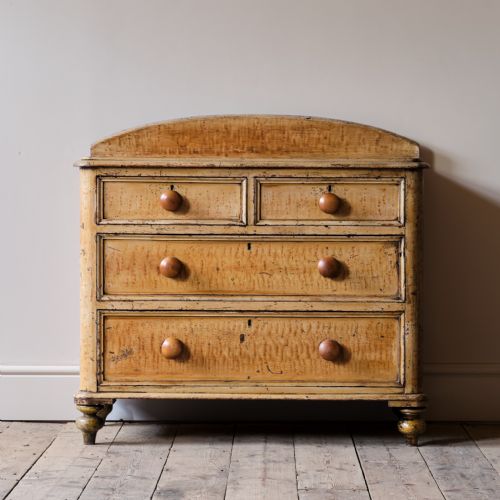
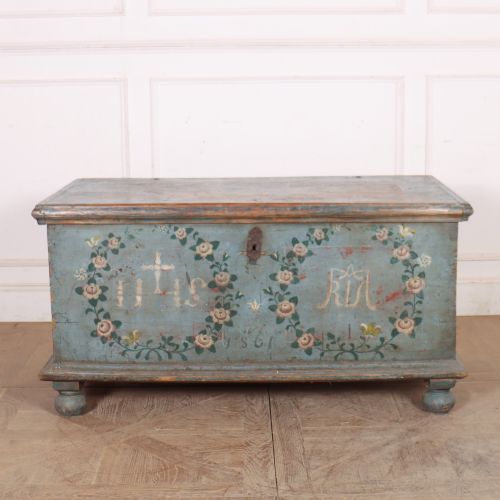
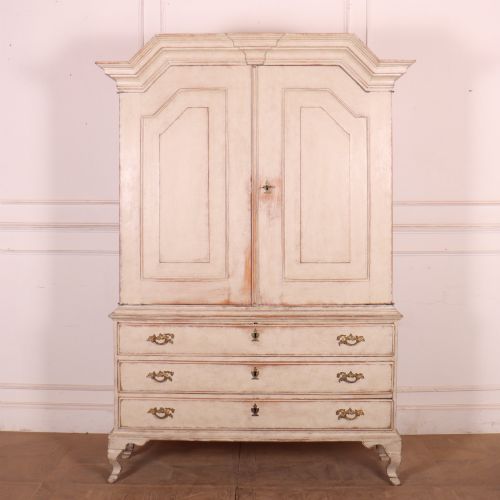
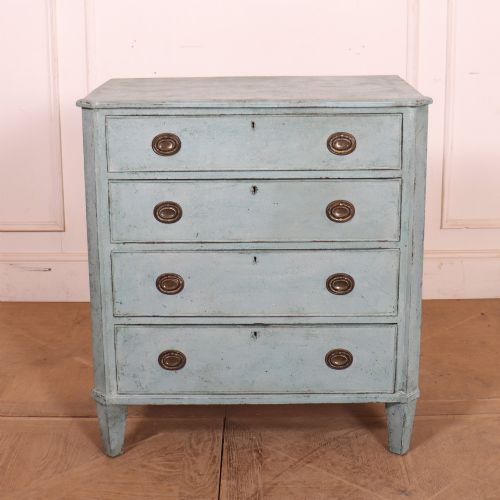
These pieces are a scandinavian pine chest, bringing rustic warmth and painted folk character to any interior.
Scandinavian Pine Chest
A scandinavian pine chest serves as a practical storage solution originating primarily from eighteenth-century and nineteenth-century domestic life. These items encompass blanket boxes, strong boxes, and multi-drawer commodes built for rural and urban homes.
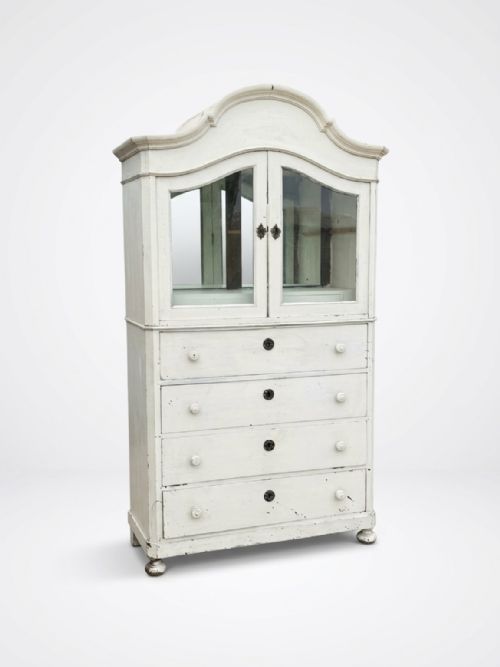
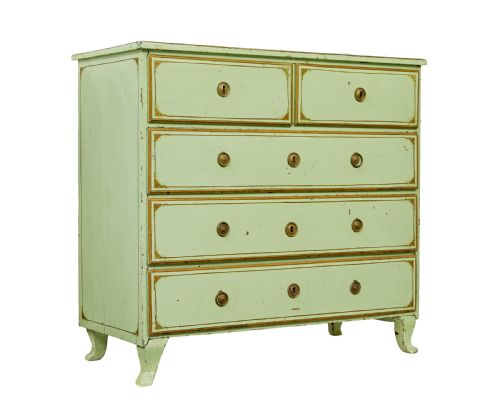
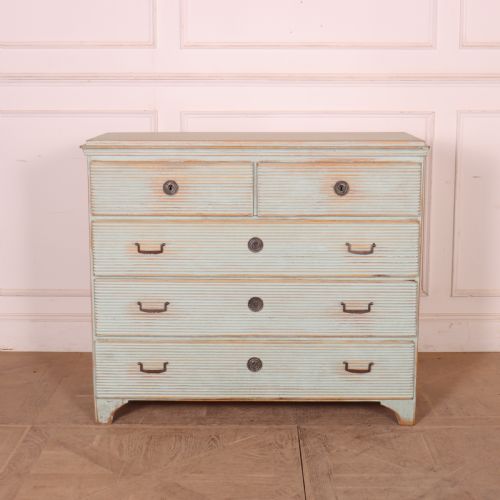
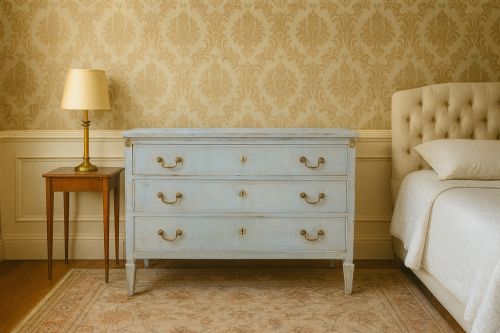
The version most commonly met on this page is the nineteenth-century painted pine chest or commode, frequently finished in muted tones or folk decoration. Examples span from simple rustic storage boxes to sophisticated Gustavian commodes with fluted drawer fronts.
Origins trace across Sweden and the broader Scandinavian region, taking forms that range from heavy marriage chests to delicate wall cupboards and serpentine commodes.
How they were made
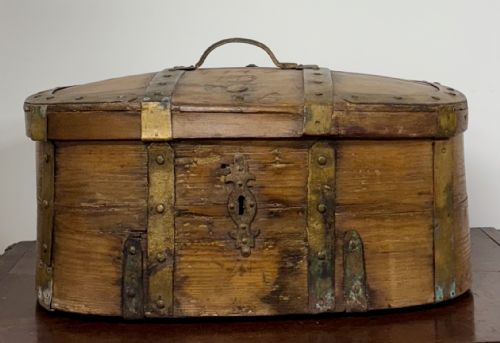
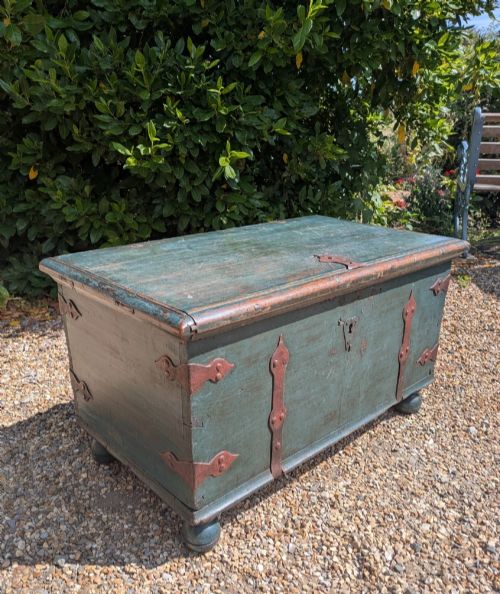
Construction relies on solid pine planks joined with traditional methods, often reinforced by hand-forged iron strapwork, hinges, and corner brackets for durability. Surfaces frequently receive layers of paint, sometimes finished with simulated graining or decorative folk art motifs.
Hardware details incorporate forged iron and brass, providing functional strength alongside visual contrast against the painted wooden bodies.
Listings feature pine chests, commodes, and strong boxes spanning the eighteenth century through the Victorian era.
What varies in quality
Quality differentiates itself through the preservation of original painted surfaces and the subtlety of decorative brushwork. Pieces with untouched folk art or authentic period pigment layers hold distinct character compared to later refinished examples.
Structural refinement also separates utilitarian storage boxes from high-style commodes, visible in the execution of serpentine shapes, fluted drawer fronts, and hand-forged ironwork.
GEMLA FABRIKERS
The Scandinavian Pine Chest Glossary
- Gustavian
- A Swedish neoclassical style originating in the late eighteenth century. It translates French royal tastes into simpler, lighter furniture forms.
- Commode
- A low chest of drawers or cabinet on legs. These often feature shaped fronts and decorative paint finishes.
- Cooffer
- A large box used for holding valuables or textiles. They typically include hinged lids and heavy iron carrying handles.
- Strapwork
- Ornamental bands of metal applied to strengthen or decorate a chest. Blacksmiths hand-forged these elements for utilitarian storage boxes.
- Serpentine
- A curved furniture front shaped in a convex-concave-convex wave. This form demands advanced carpentry skills.
Scandinavian Pine Chest: Frequently Asked Questions
What is a scandinavian pine chest?
A scandinavian pine chest is a wooden storage piece from northern Europe, typically built during the eighteenth or nineteenth century. They served varied household duties ranging from blanket storage to holding family valuables.
Many examples feature original painted surfaces, embracing styles from rustic folk art to refined Gustavian neoclassicism.
How were these chests used?
These items functioned primarily for domestic storage, keeping textiles, linen, and personal possessions safe from dust and dampness. Strong boxes and coffers secured heavier goods and travel items.
Marriage chests held dowry items and served as ceremonial centerpieces during rural celebrations before finding permanent placement in the home.
How do I care for original paint?
Maintain painted pine surfaces by keeping them away from direct sunlight and maintaining stable indoor humidity. Avoid harsh chemical cleaners that might strip historic pigment.
Dust gently with a dry, soft cloth to preserve the surface patina without disturbing the underlying wood and paint layers.