
Antique Display Column
These antique display columns and pedestals elevate sculpture, busts and plants with the quiet authority of centuries past.
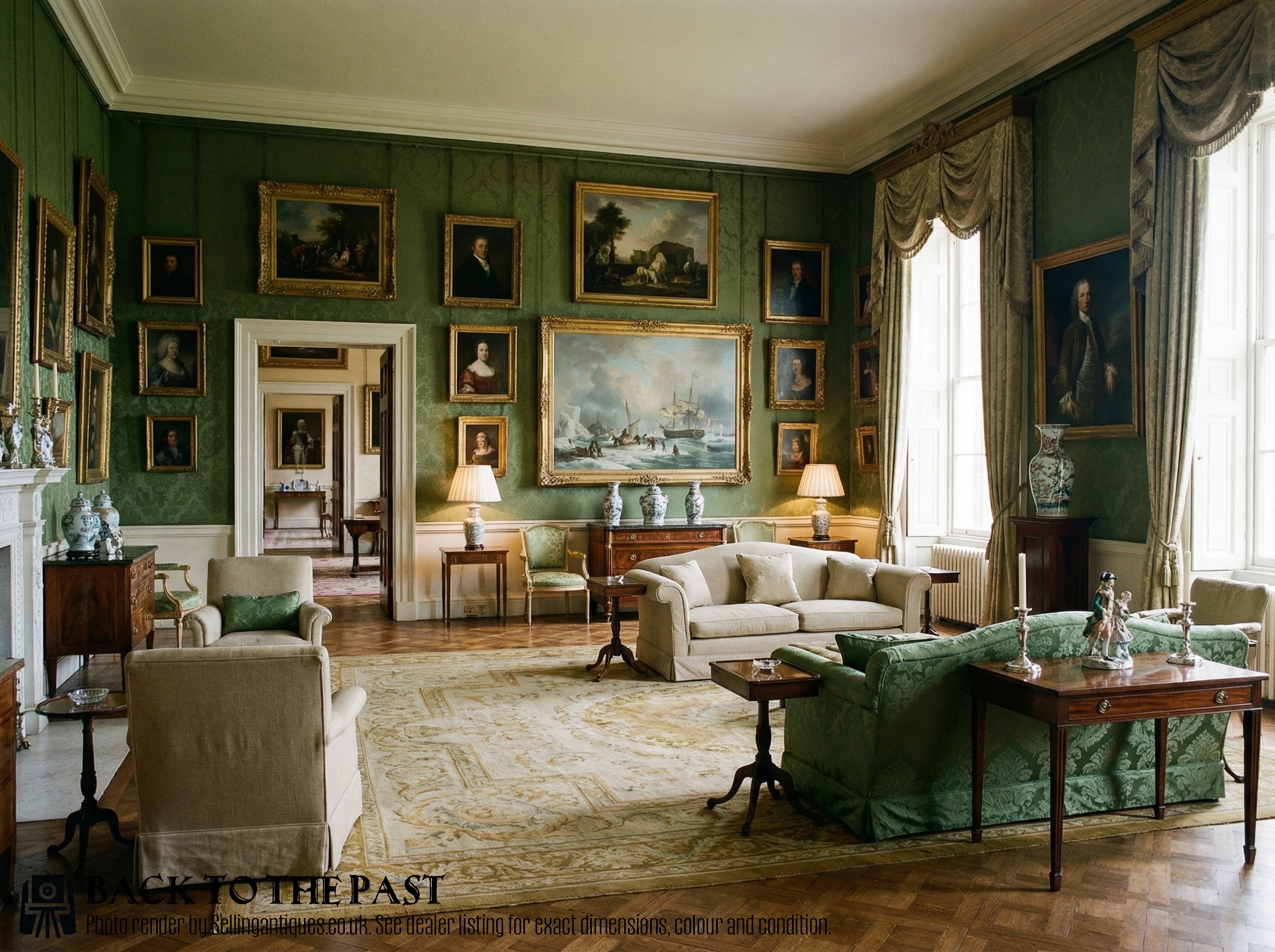
The Form and Period of Antique Display Columns
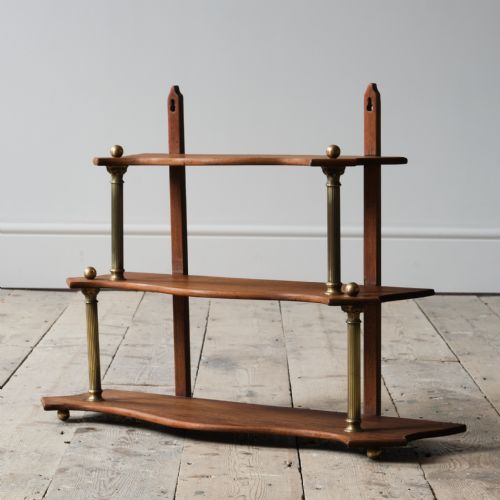
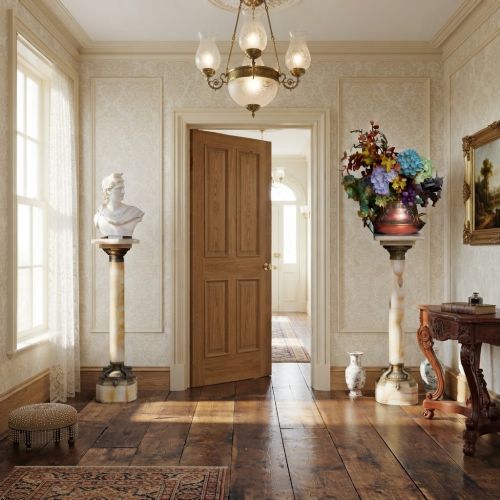
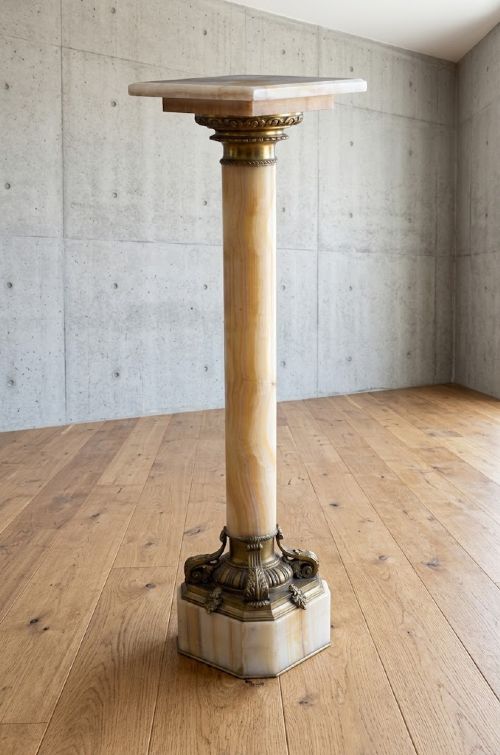
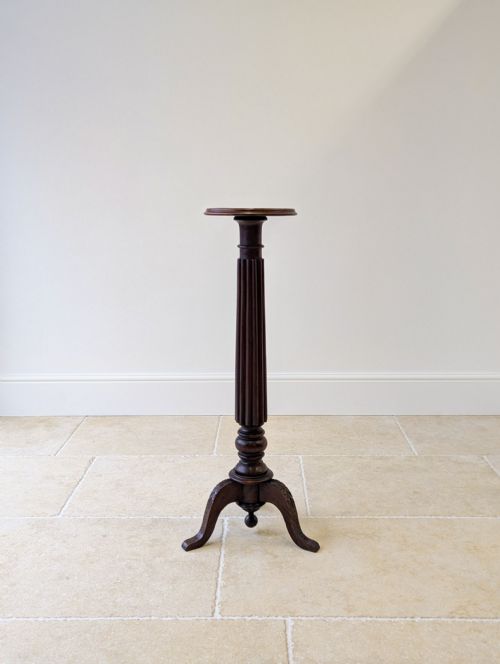
An antique display column serves to elevate decorative objects, urns, and busts within a room. When you search for an antique display column, you encounter tall, vertical stands designed to draw the eye upward and showcase art or plants.
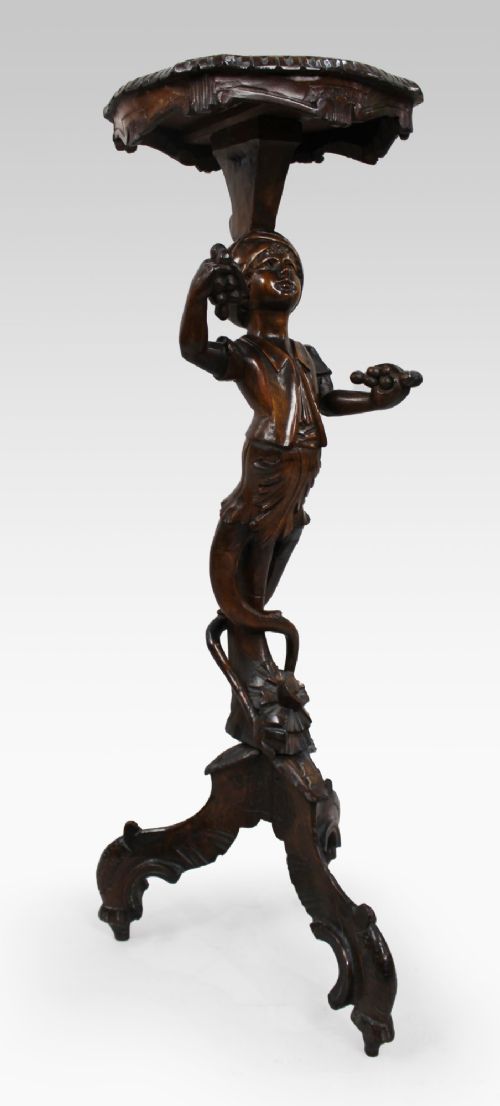
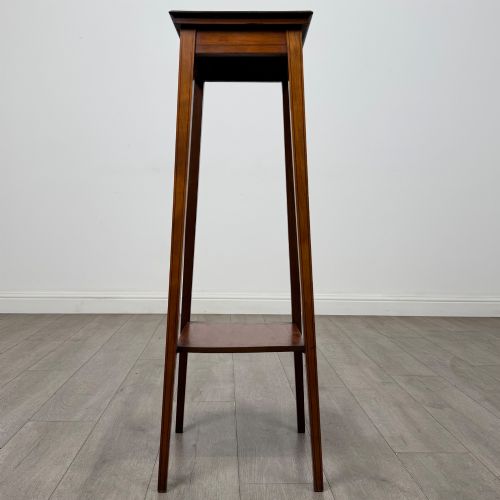
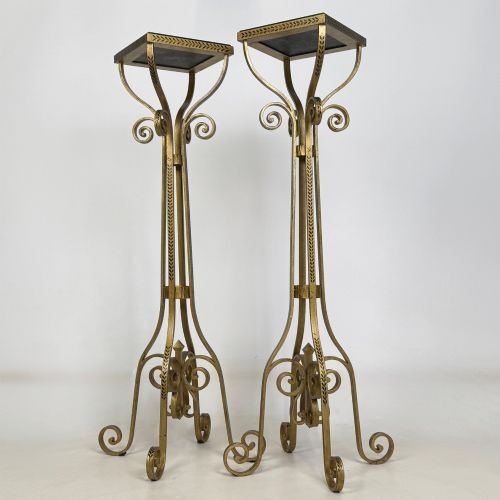
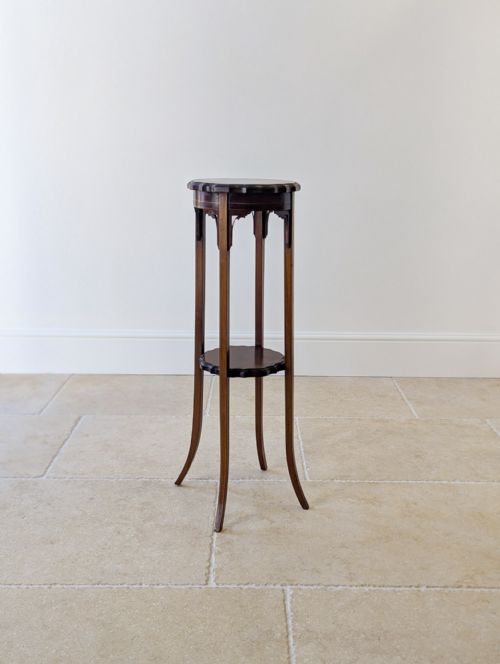
The pieces recorded in this category span several distinct eras, stretching from the Georgian period through the nineteenth century to the nineteen-thirties. You meet various formats, including torchieres, plant stands, and dedicated display pedestals.
Makers from different decades approached the vertical form with distinct regional character, from English country house workshops to urban cabinet makers. These stands function equally well as standalone architectural statements or as functional supports in traditional interiors.
Materials and Construction
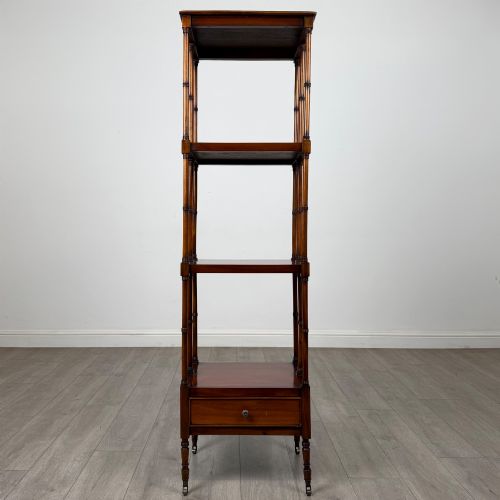
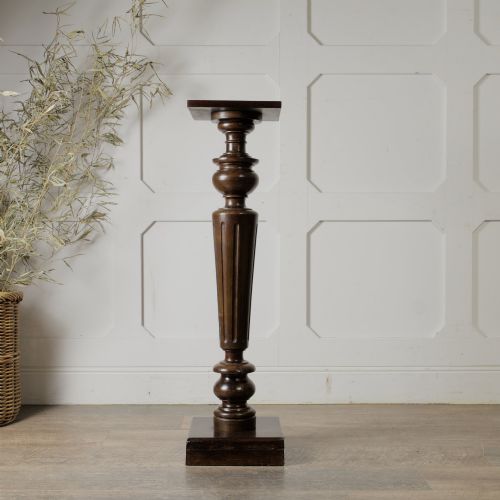
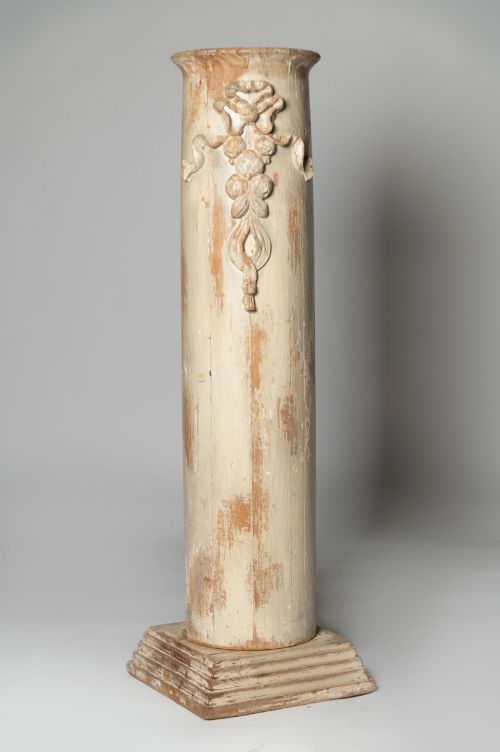
Cabinet makers utilised a rich palette of timbers, relying heavily on solid mahogany, mahogany veneer, oak, and ebonised wood. Some surfaces feature applied paint or gesso to imitate more costly stone or marble finishes.
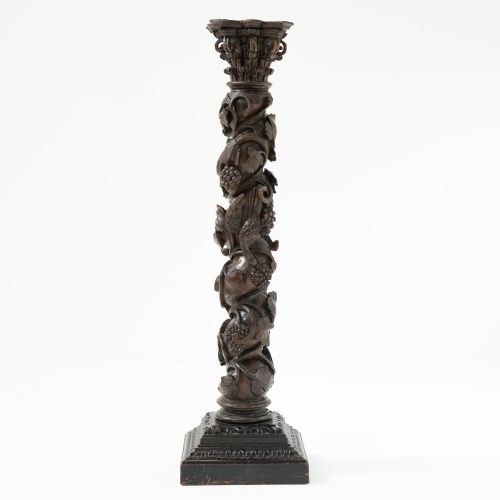
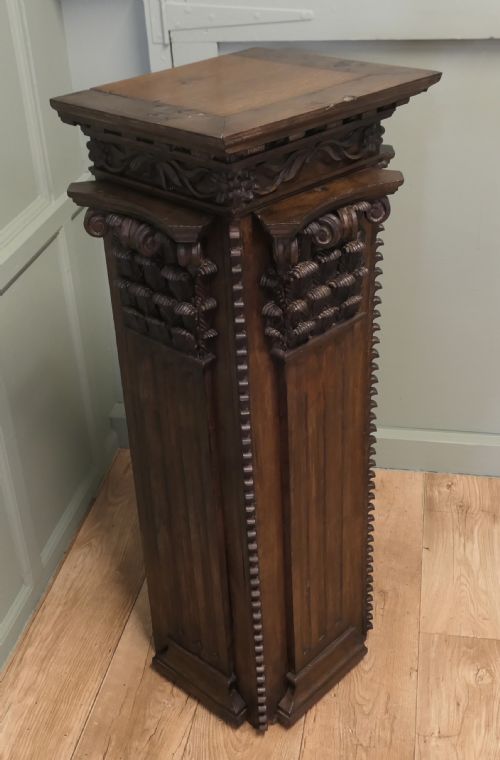
Construction methods range from classical joinery on geometric columns to rustic arrangements on oak stands. Artisans turned timber on lathes to create rope twist columns and fluted shafts, while others built square plinths with stepped cornices.
Retail Price Guide 2026
Typical UK retail prices for display column, calculated from the Sellingantiques database of over a million retail prices indexed since 2003. This retail price guide relies exclusively on Sellingantiques data; no external sources or auction records are used, so the figures do not describe the wider market.
Some Victorian makers painted common softwood to look like cold marble just to fool the eye.
Markers of Distinction
Quality in these columns rests upon the ambition of the carving and the selection of the timber. A rope twist column carved with sharp, deep undercut spirals demonstrates a higher level of artisan skill than a plain turned post.
The choice of materials also dictates the standing of a piece, with figured mahogany veneers and careful ebonising showing greater workshop effort. The integration of decorative elements such as faux marble finishes elevates an ordinary stand into a deliberate aesthetic choice.
The Antique Display Column Glossary
- Torchiere
- A tall stand originally intended to carry a candle or light, now frequently used as a display column for sculpture.
- Plinth
- The square base or top cap of a column that provides a stable platform for a bust or urn.
- Ebonised
- Wood treated with a chemical stain or finish to imitate the dense, dark appearance of ebony.
- Gesso
- A plaster-like mixture applied to wood surfaces as a smooth base for painting or gilding.
Frequently Asked Questions
How were display columns used historically?
These tall stands were placed in grand reception rooms, hallways, and drawing rooms to elevate classical busts, bronze sculptures, and large floral arrangements.
By raising objects to eye level, homeowners ensured that decorative art commanded attention within the architectural layout of the room.
What is the difference between a torchiere and a pedestal?
A torchiere specifically refers to a stand historically designed to hold a light source, typically featuring a slender and decorative shaft.
A pedestal or display column generally possesses a sturdier profile intended to bear the considerable weight of heavy stone or bronze items.
How do I identify a Georgian column?
Georgian columns often exhibit restrained classical proportions, premium mahogany construction, and sophisticated ebonised details.
These pieces reflect the symmetry and architectural precision favored by eighteenth-century cabinet makers.
Can these columns support heavy items?
Most antique pedestals and columns were built from dense hardwoods like oak or mahogany specifically to bear weight safely.
However, checking the base stability and the integrity of the top surface remains sensible before placing exceptionally heavy bronze or marble pieces upon them.