



Antique Display Cloche
An antique display cloche protects fragile specimens and keepsakes beneath clear glass, bringing period character and curated focus to a room.
Antique Display Cloche
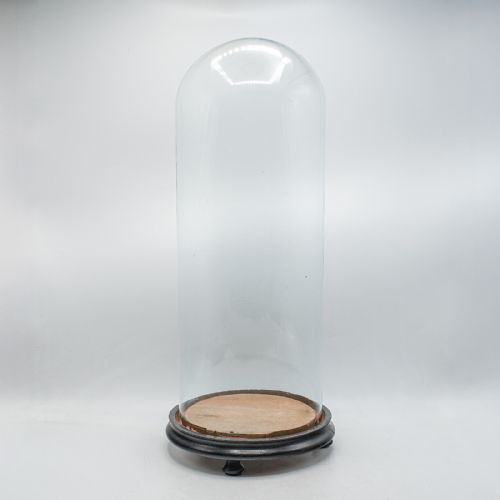
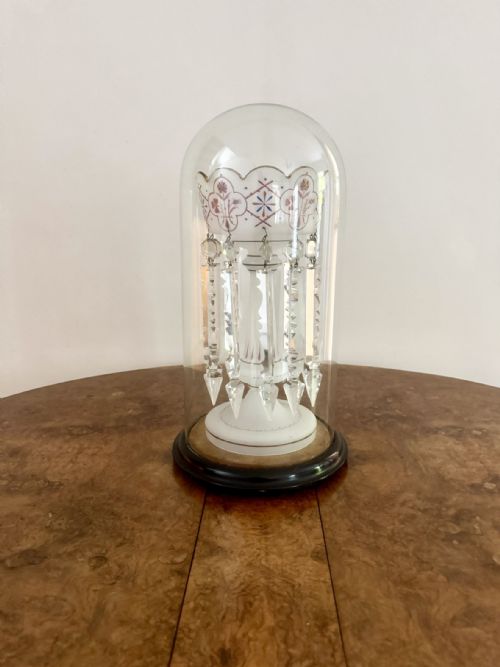
An antique display cloche generally comprises a blown glass cover fitted to a wooden or fabric-lined base, designed to protect and exhibit objects. When you search this phrase, you encounter blown glass domes alongside wooden stands and bases, housing everything from natural history specimens to decorative objects.
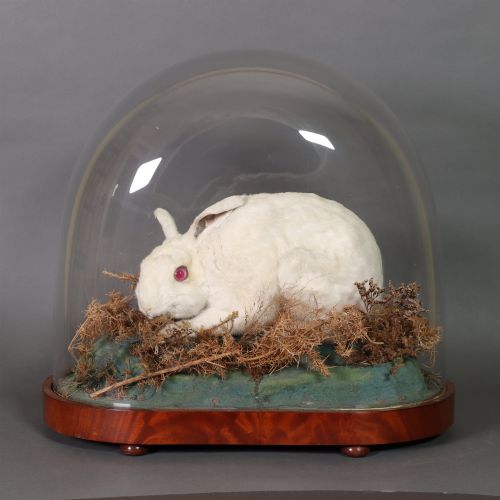
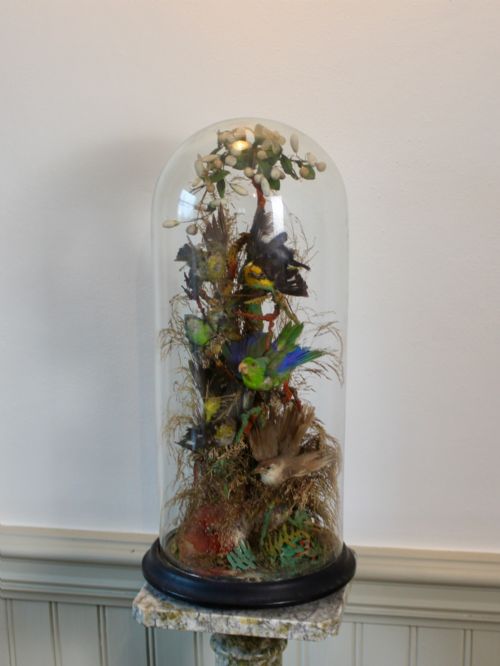
The versions most frequently met on this page date from the Victorian and Edwardian periods, stretching from the middle of the nineteenth century into the early twentieth century. These include tall specimen cases intended for taxidermy birds and mammals, as well as flat-sided domes and oval collector's cases.
Many examples house specific interior arrangements, such as French beadwork bouquets, fruit compositions, or devotional figures under glass. Others serve as clock domes, originally made to shield delicate movement mechanisms from dust and atmospheric moisture.
How they were made
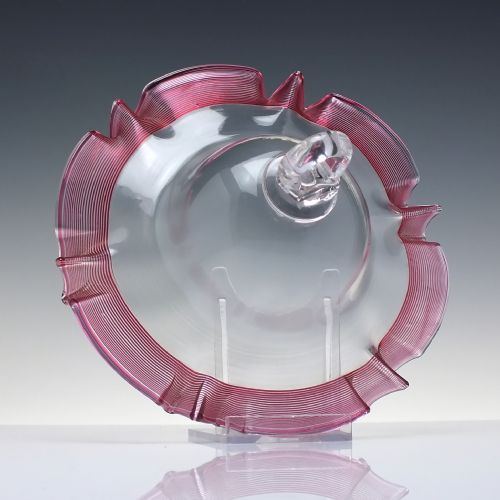
The glass covers rely on traditional mouth-blowing techniques, which produce the characteristic thickness, slight surface irregularities, and occasional air bubbles seen in period specimens. Makers formed these clear vessels over iron blowpipes, shaping the molten material into smooth bells, ovoids, and tall cylinders.
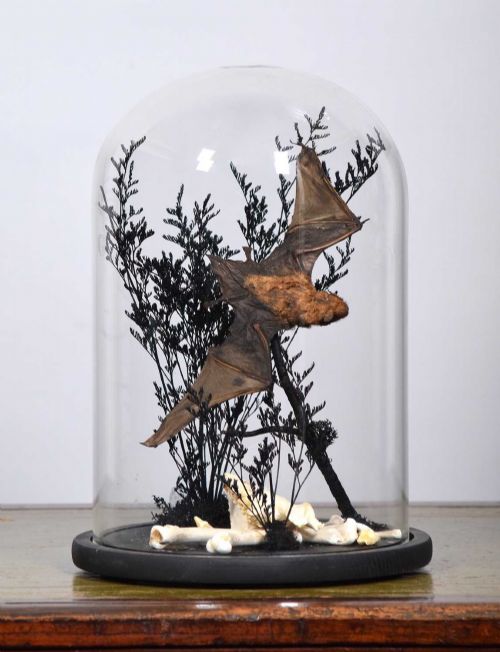
Wooden bases utilise timber such as oak, beech, pine, and ebonised wood, turned or joined to support the heavy glass securely. Interior displays incorporate fabrics like velvet, felt, and wire armature to position taxidermy birds, feathers, and botanical compositions firmly in place.
What varies in quality
Quality rests upon the clarity and weight of the blown glass cover, where thinner, uniform walls without heavy distortion command attention. The integration between the glass rim and its fitted wooden or fabric-lined base also dictates the integrity of the ensemble.
The complexity and preservation of the interior display further distinguish the pieces, separating standard utilitarian glass covers from elaborate taxidermy compositions or detailed beadwork bouquets created by specialist makers.
James Gardner of London·Henry Ward London·A Pollard
The Antique Display Cloche Glossary
- Cloche
- A bell-shaped glass cover used to protect delicate items or plants. The term derives from the French word for bell.
- Ebonised wood
- Timber treated with a dark stain or finish to imitate the appearance of ebony. This finish frequently appears on Victorian display bases.
- Taxidermy
- The art of preparing, stuffing, and mounting the skins of animals for display. Victorian examples often incorporate birds and small mammals under glass domes.
- Bell jar
- A container shaped like a bell with an open base, utilised as a specimen case. These glass vessels fit snugly into recessed wooden grooves.
Antique Display Cloche: Frequently Asked Questions
What is an antique display cloche used for?
These glass covers protect delicate interior arrangements from dust, handling, and atmospheric changes in a domestic setting. They allow collectors to exhibit small specimens, clocks, and decorative objects safely.
Historically, they housed taxidermy birds, botanical specimens, and intricate wax or beadwork sculptures. Today, they provide a focused focal point for displaying curated curiosities on tables and mantelpieces.
How do I date an antique display cloche?
Dating relies heavily on the manufacturing characteristics of the glass and the materials used for the base. Victorian examples frequently feature heavier, hand-blown glass with distinct pontil marks, paired with ebonised or polished timber bases.
Edwardian pieces often display slightly more standardised forms and lighter wooden foundations such as oak or beech. Examining the interior contents, fixings, and associated trade labels also helps narrow down the period of manufacture.
How do I safely clean an antique glass dome?
The glass cover should be lifted carefully from its base and cleaned using a soft cloth and a gentle glass cleaner. Avoid harsh abrasives that might scratch the old, soft glass surface.
The interior contents and wooden base require dusting with a very soft brush rather than liquid cleaners. Keeping the display away from direct sunlight protects any fabric or taxidermy elements inside from fading.