





Edwardian Glass Showcase
An edwardian glass showcase is a glazed enclosure designed to protect and exhibit objects, bringing period craftsmanship into modern interiors.
Edwardian Glass Showcase
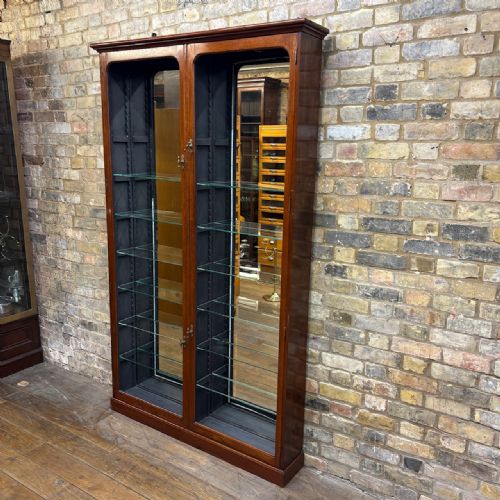
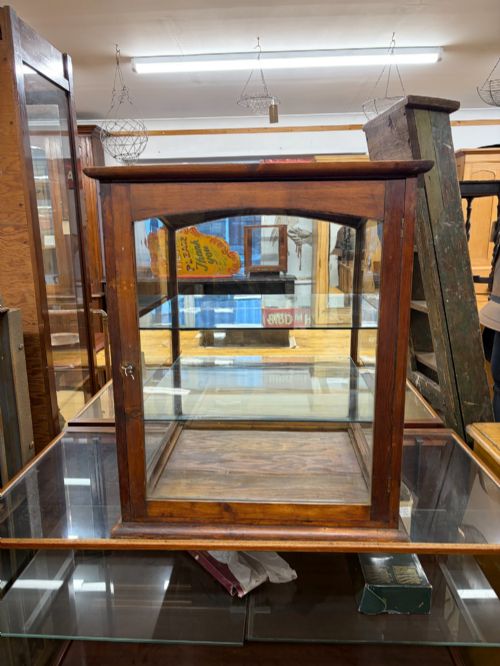
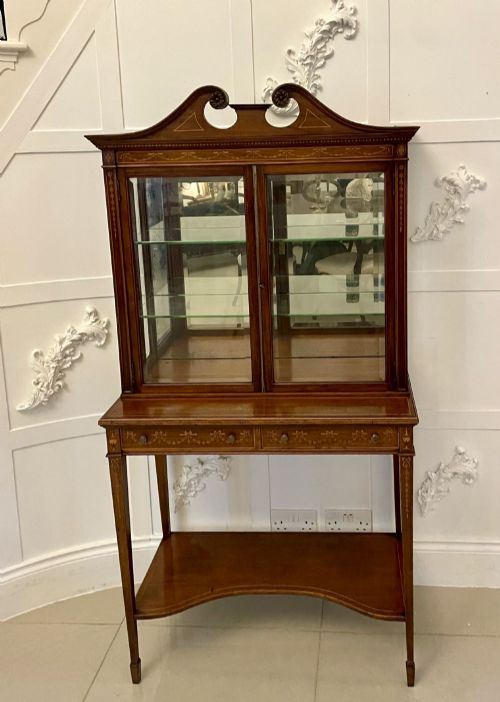
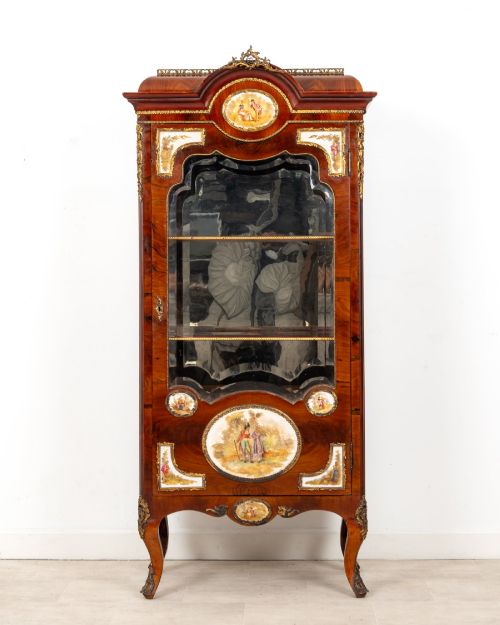
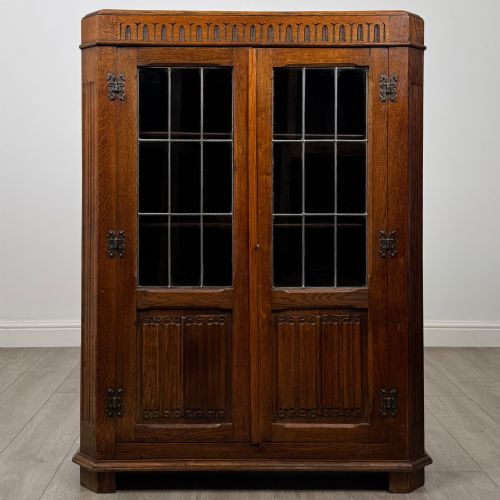
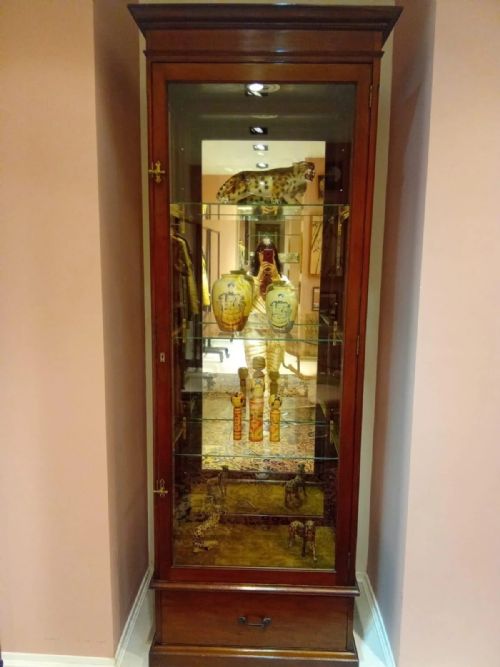
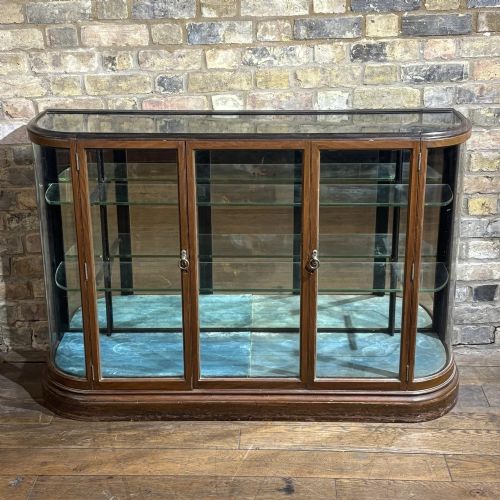
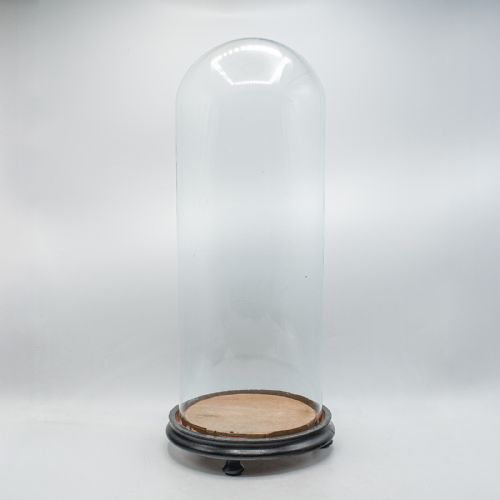
An edwardian glass showcase encompasses a diverse range of forms, from large freestanding shop display cabinets to compact countertop units and tall display domes. Buyers seeking an edwardian glass showcase will encounter domestic drawing-room cabinets alongside commercial shop counters and specialised taxidermy displays.
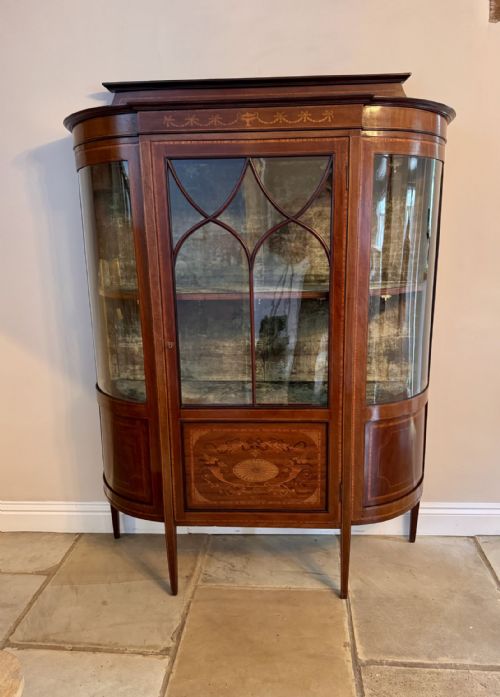
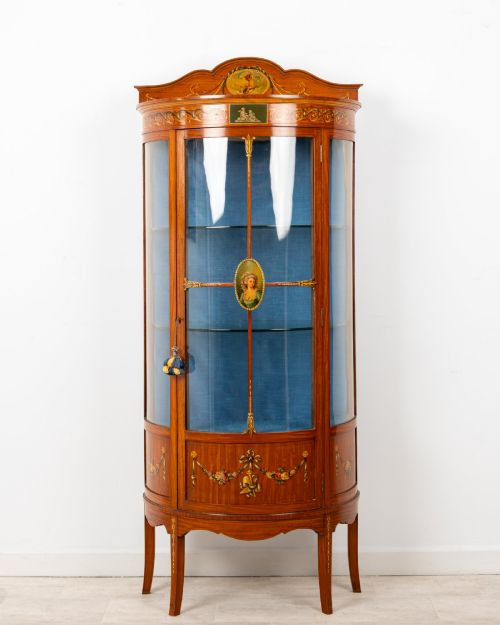
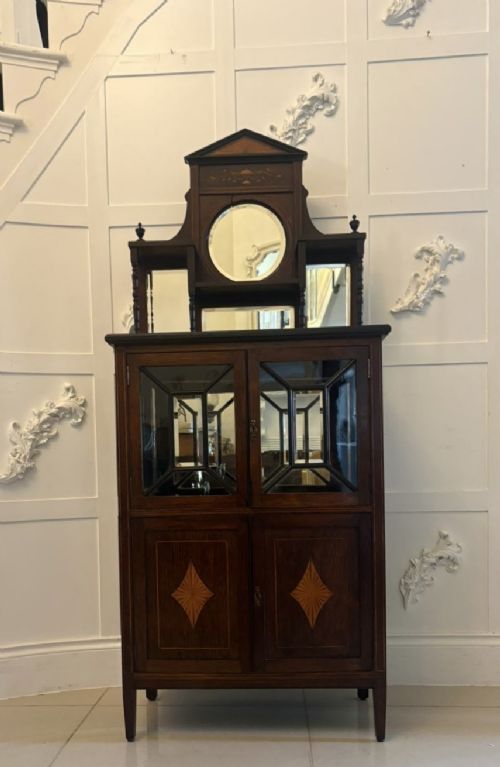
The pieces emerge predominantly from the Edwardian era and the early twentieth century, though related Victorian and later examples appear frequently. Common configurations include bow-fronted cabinets, mirrored backings, and tabletop glazed cases designed for retailers or collectors.
Materials and Technique
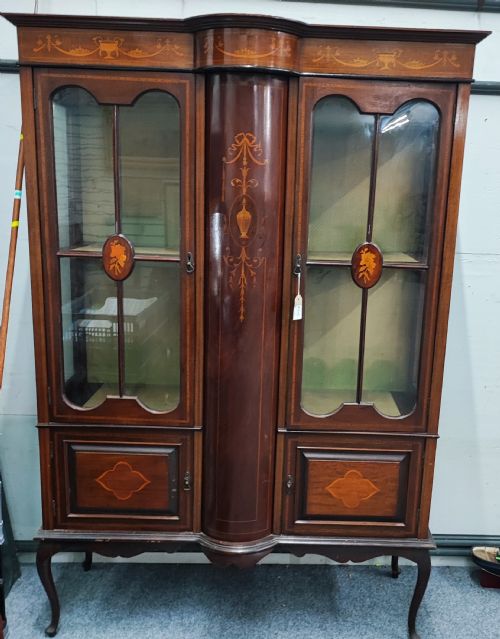
Makers constructed the primary frames of an edwardian glass showcase using timbers such as mahogany, oak, satinwood, and walnut, frequently accented with marquetry inlay or brass hardware. Large viewing panels of transparent glass formed the housing, sometimes supported by mirrored interiors to reflect light through the displayed objects.
Commercial variants relied on robust joinery suited to retail environments, incorporating adjustable glass shelving and countertop access. Domestic examples utilised refined decorative techniques including floral marquetry, painted satinwood finishes, and fabric or velvet linings.
Edwardian Glass Showcase Retail Price Guide 2026
Typical asking prices for edwardian glass showcase among the pieces listed under this phrase on Sellingantiques today, from the lower quarter to the upper quarter. They describe what is for sale here now, not the wider market.
The archive includes specialised display domes designed specifically for taxidermy and delicate collectibles.
Standards of Execution
The distinction between standard commercial units and exceptional pieces rests upon the finesse of the timber selection and the complexity of the cabinetwork. Fine examples demonstrate precise marquetry inlay, well-figured mahogany or satinwood, and integrated decorative elements like mirror backs or brass mounts.
Structural integrity and the retention of original glass panes dictate the preservation state. Superior items maintain their original fabric linings, operational locks, and delicate glazing bars without excessive alteration.
F Sage And Co·James Hicks
The Edwardian Glass Showcase Glossary
- Vitrine
- A glass-sided display cabinet used for exhibiting porcelain, curiosities, or fine objects. These cases protect fragile collections while offering all-round visibility.
- Bijouterie table
- A glass-topped table designed specifically for displaying small valuables, jewellery, or specimens. They often feature hinged lids and velvet-lined interiors.
- Marquetry
- Decorative woodwork where thin slices of various veneers are fitted into patterns on a solid timber ground. It appears frequently on Edwardian cabinet friezes and door panels.
- Cloche
- A bell-shaped glass dome set upon a wooden base to cover and protect delicate items. They were frequently utilised in the period for taxidermy displays and fragile ornaments.
- Bow front
- A convex curved cabinet facade that projects outward in a smooth arc. This shape softens the corners of a room and expands the interior display volume.
Edwardian Glass Showcase: Frequently Asked Questions
What were glass showcases originally used for?
These cabinets served both domestic and commercial functions, protecting valuable possessions in private homes while displaying merchandise in Edwardian shops. Retailers utilised countertop cases and wall units to present confectionery, haberdashery, and small goods to customers.
In domestic settings, similar vitrines and table cases held porcelain, silver, and collectibles, shielding them from dust while keeping them visible in drawing rooms.
How do I style a glass showcase at home?
Arrange collections by grouping objects of varied heights and textures together on the shelves, allowing sufficient empty space between items to maintain visual balance. Utilising the original mirrored backings helps amplify natural light within the case.
Consider the lighting in the room to avoid harsh glare on the glass panels, letting the polished mahogany or satinwood frame complement surrounding period furniture.
What is the difference between a vitrine and a counter?
A vitrine is typically a tall, freestanding or wall-mounted domestic cabinet intended for displaying decorative arts at eye level. A counter or shop display case is lower and broader, designed for retail transactions and viewing from above.
Shop counters often feature robust oak or mahogany framing with sliding rear doors, whereas domestic vitrines focus on refined veneer work and delicate glazing bars.
How can I tell an Edwardian case from a Victorian one?
Edwardian display pieces generally exhibit lighter timbers like satinwood, simpler neoclassical revival lines, and less heavy ornamentation than their Victorian predecessors. Victorian cabinets frequently feature darker burr walnut, heavier carved mahogany, and more elaborate architectural cornices.
However, stylistic crossover is common in revival pieces, meaning construction methods and hardware must be assessed alongside the primary wood choice.