


Antique Display Cabinet Bureau
An antique display cabinet bureau combines a writing surface and shelving behind glass doors, offering both storage and a practical desk.
Antique Display Cabinet Bureau
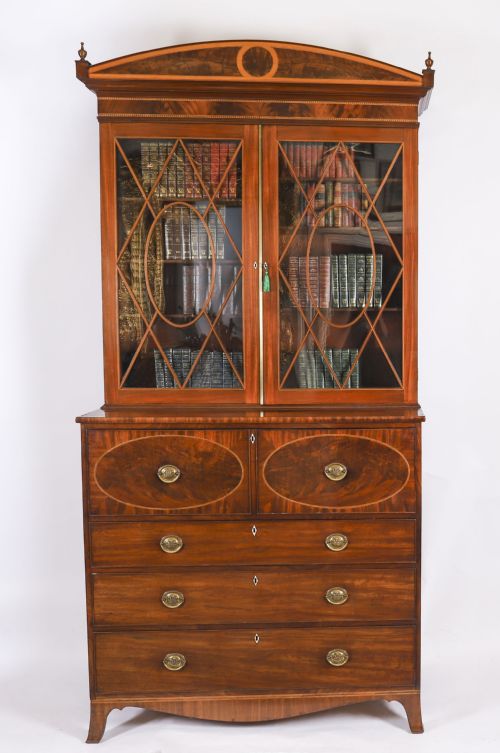
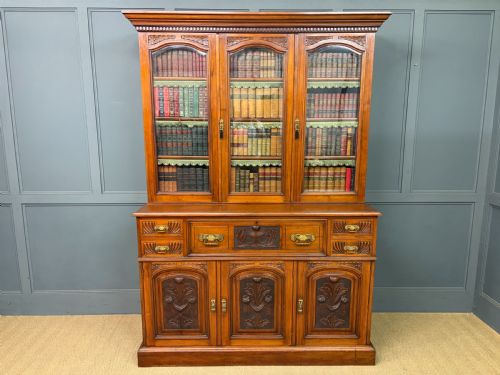
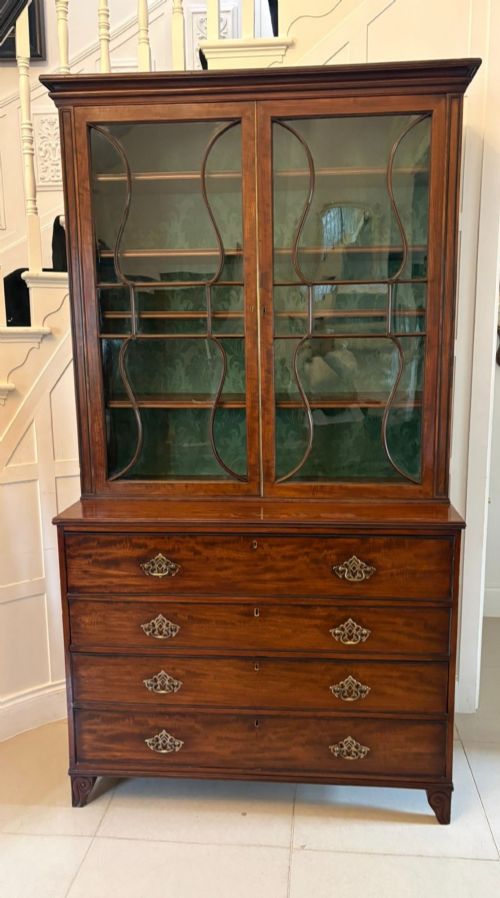
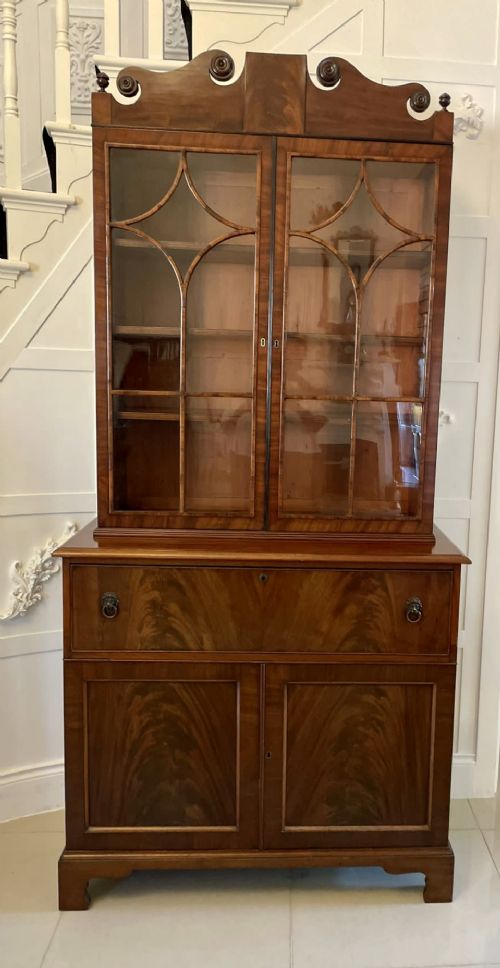
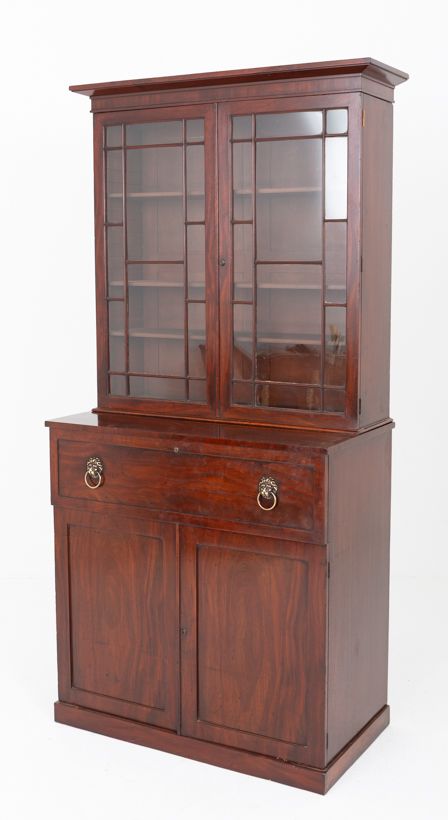
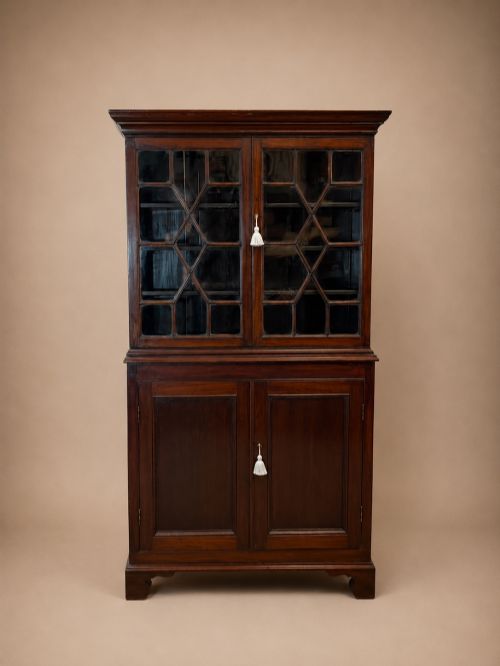
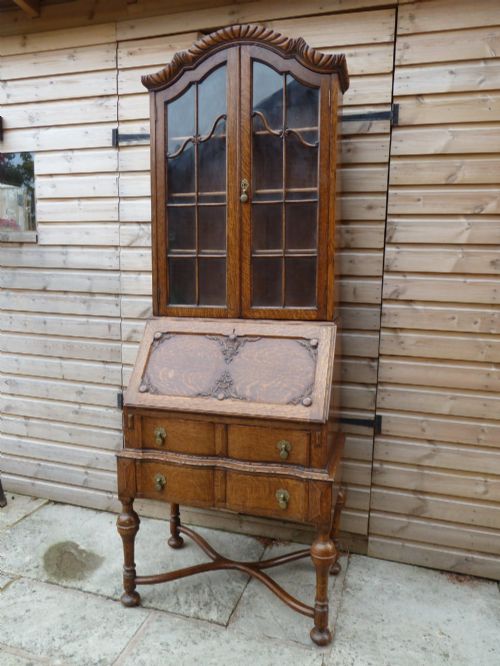
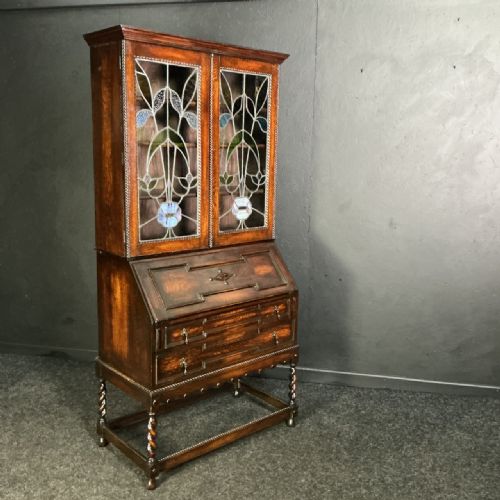
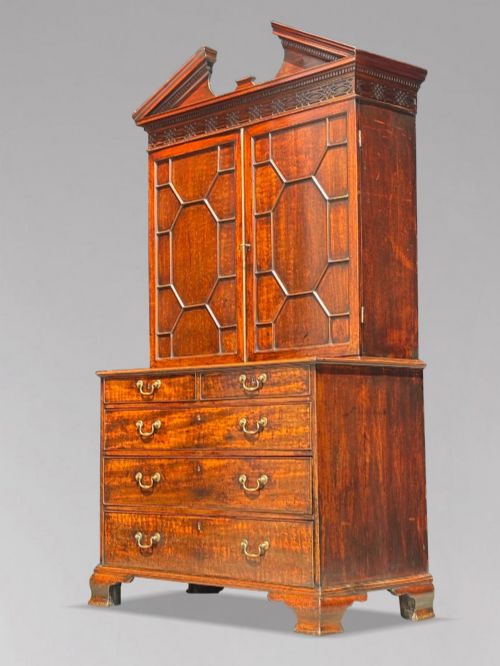
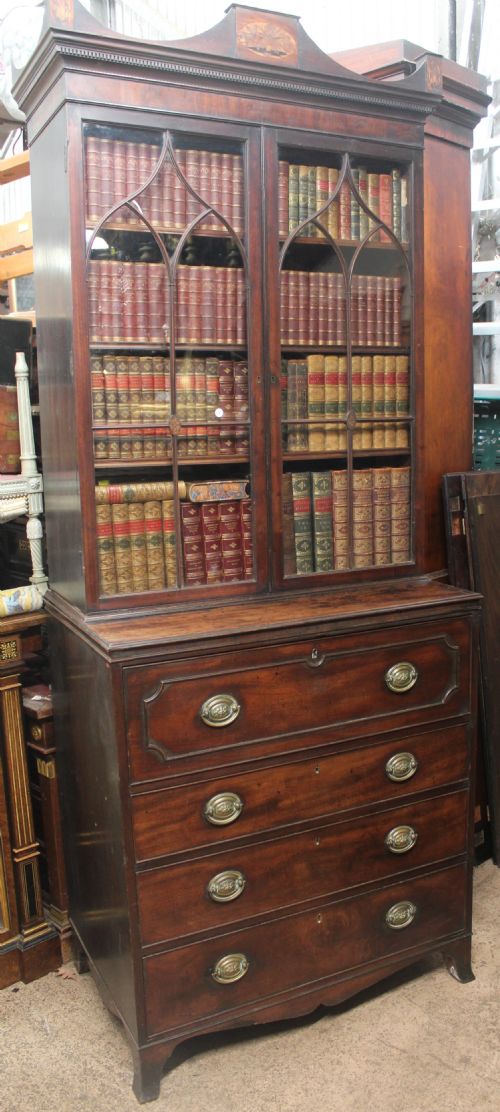
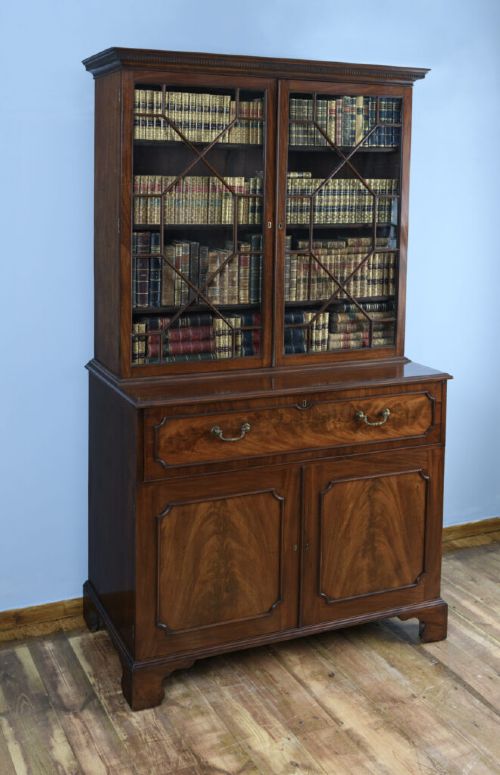
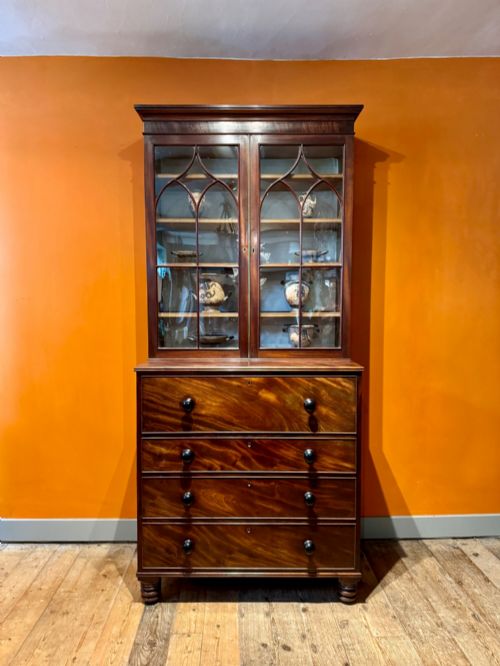
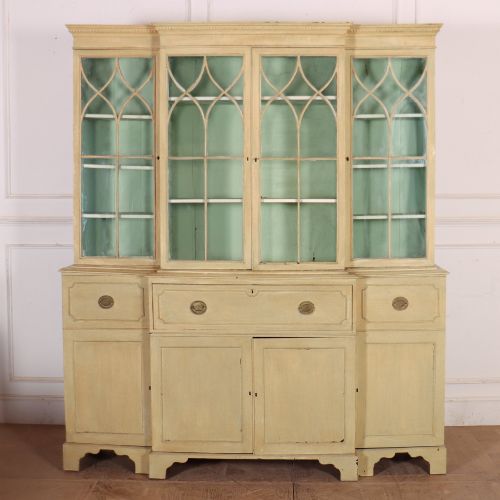
When you search for an antique display cabinet bureau, you encounter large dual-purpose furniture pieces designed to display books or objects in an upper glazed section while providing a writing desk below. The items found here span several centuries and styles, taking forms such as bureau bookcases, secretaire bookcases, and combined display cabinets.
The versions you meet most frequently on this page date from the Georgian, Victorian, and Edwardian periods, alongside early twentieth-century examples. These pieces merge upper shelving with a fall-front desk or a fitted secretaire drawer that pulls out to reveal smaller compartments and pigeonholes.
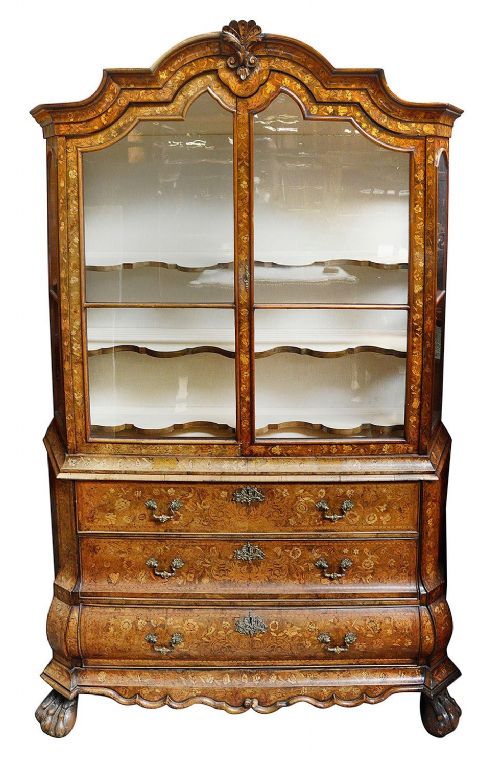
Origins represented in the listings stretch across English cabinet-making traditions and Dutch workshops. Forms range from substantial mahogany library bookcases to lighter satinwood, walnut, and oak constructions, incorporating glazed doors to protect the contents while keeping them visible.
How they were made
Cabinet-makers relied on dense hardwoods like mahogany, walnut, and oak as the structural foundation for these large items. Flame mahogany, burr walnut, and satinwood veneers added decorative grain patterns across the exterior surfaces, often contrasted with intricate marquetry or inlay work.
Upper sections utilise glass panes secured within timber frames, frequently featuring astragal bars in Georgian pieces or leaded glass in later variations. Brass hardware secures the doors and internal drawers, while specialised desk mechanisms support the pull-out writing surfaces and fitted interiors.
Several bureau drawers conceal tiny secret compartments designed to hold private letters and coins.
What varies in quality
The distinction between standard examples and the finest items lies in the choice of timber and the precision of the cabinet-making. Superior pieces display carefully matched flame mahogany or burr walnut veneers, intricate marquetry details, and finely proportioned astragal glazing bars.
Internal complexity also sets pieces apart, as finer secretaire drawers contain elaborate fitted compartments, miniature drawers, and hidden cubbies. The integration of the writing surface with the upper bookcase reflects the skill of the original workshop.
Thomas Chippendale·Gillows·Maple and Co
The Antique Display Cabinet Bureau Glossary
- Secretaire bookcase
- A tall storage unit featuring an upper section for books and a lower section with a pull-out drawer that opens to form a desk.
- Bureau bookcase
- A piece combining an angled fall-front desk compartment with upper shelving enclosed by doors.
- Astragal glazing
- Small wooden strips that divide the glass panes in the upper cabinet doors into geometric patterns.
- Marquetry
- Decorative patterns formed by fitting together thin slices of various coloured woods onto a solid surface.
- Burr walnut
- Timber taken from a tree growth that yields swirling, highly figured grain patterns highly prized for cabinet fronts.
Antique Display Cabinet Bureau: Frequently Asked Questions
How do I use a secretaire drawer?
The front of the top drawer pulls forward on specialised hinges or brackets to create a horizontal writing surface. This reveals a fitted interior containing small drawers and pigeonholes for stationery.
Once finished, the writing flap lifts back into place and secures with a key, concealing the internal compartments from view.
Where should I place a bureau bookcase?
These tall pieces require adequate wall space and a sturdy floor to support their substantial timber construction. They suit studies, libraries, or living rooms where books and writing materials remain accessible.
Keep them away from direct heat sources and strong sunlight to protect the polished wood finishes and delicate wood veneers.
How do I distinguish Georgian from Victorian examples?
Georgian pieces often feature restrained classical proportions, fine satinwood or mahogany veneers, and astragal glazed doors. They date from the eighteenth and early nineteenth centuries.
Victorian and later items tend to be heavier in construction, utilising darker walnut or oak, more pronounced carved decoration, and sometimes machine-made mouldings.
What is the difference between a display cabinet and a bookcase?
Display cabinets focus primarily on showing porcelain, curiosities, or decorative objects behind glass panels. Bookcases are built with deeper shelves specifically sized to hold collections of bound volumes.
Many examples listed here combine both functions by pairing a shelved library section with a bureau desk space.